
How 3D Architectural Visualization Enhances Client Presentations

Introduction
3D architectural visualization has completely changed how architects, designers, and developers present their ideas to clients. What once relied heavily on technical drawings and verbal explanations has evolved into a visual experience that clients can instantly understand. Today’s presentations are no longer about asking clients to imagine the final result—they are about showing it clearly, realistically, and confidently.
As design projects grow more complex and client expectations rise, clear communication has become more important than ever. Clients want transparency, clarity, and assurance before committing to a project. Visual tools now play a major role in meeting these expectations, allowing professionals to present ideas in a way that feels approachable rather than overwhelming. This shift has made client presentations more effective and far more engaging.
The growing importance of visuals in architectural communication
In the past, architectural presentations focused mainly on drawings, plans, and written descriptions. While these tools remain essential for construction, they often fall short when it comes to client understanding. Many clients struggle to interpret technical drawings, which can lead to confusion or hesitation during decision-making.
Visual representation fills this gap by translating complex information into images that feel intuitive. When clients can see a realistic representation of a design, they are able to connect with it emotionally and practically. This clarity helps clients feel involved in the process rather than disconnected from it.
Bridging the gap between technical design and client understanding
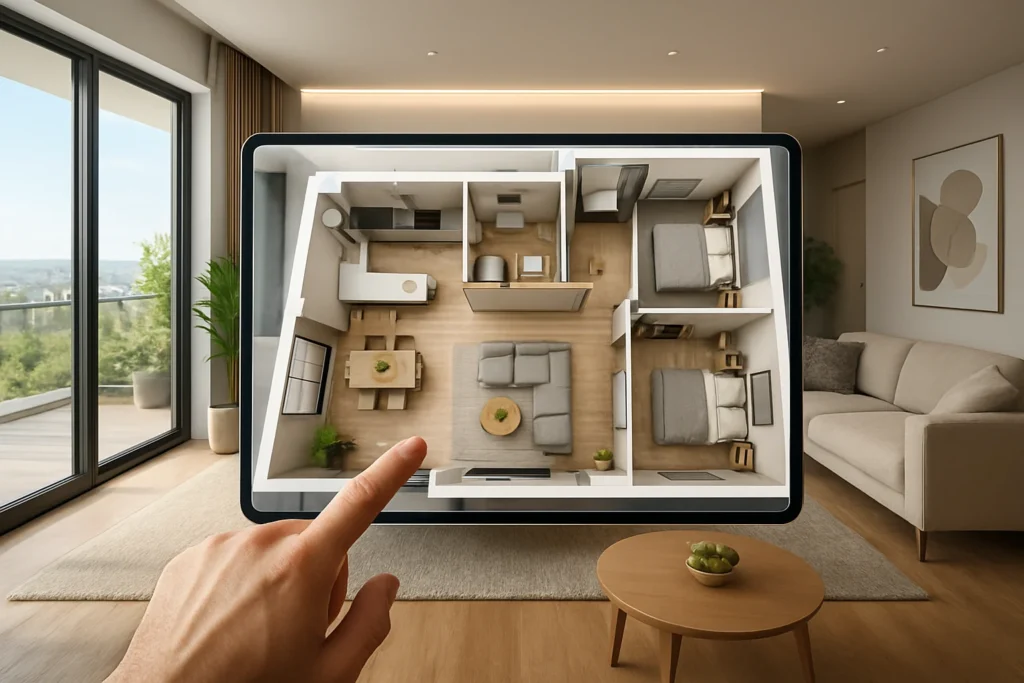
One of the biggest challenges in client presentations is the difference in knowledge between professionals and clients. Architects and designers think in plans, sections, and elevations, while clients think in spaces, rooms, and experiences. 3D architectural visualization helps bridge this gap by presenting the design in a format that aligns with how clients naturally perceive space.
Instead of trying to visualize a room from lines on paper, clients can see how large it is, how light enters the space, and how different elements interact. This shared understanding reduces miscommunication and allows conversations to focus on refining ideas rather than explaining basics.
Making first impressions count
First impressions play a crucial role in client presentations. The way a project is introduced often sets the tone for the entire relationship. Visual presentations immediately capture attention and create a sense of professionalism.
When clients are shown high-quality visuals early in the process, they gain confidence in the designer’s ability to deliver. A strong visual presentation signals that the project is being taken seriously and that every detail has been carefully considered.
Turning abstract ideas into tangible experiences
Design concepts can sometimes feel abstract, especially in the early stages of a project. Clients may understand the idea in theory but struggle to imagine how it will translate into a real space. 3D architectural visualization turns these abstract ideas into tangible experiences that clients can relate to.
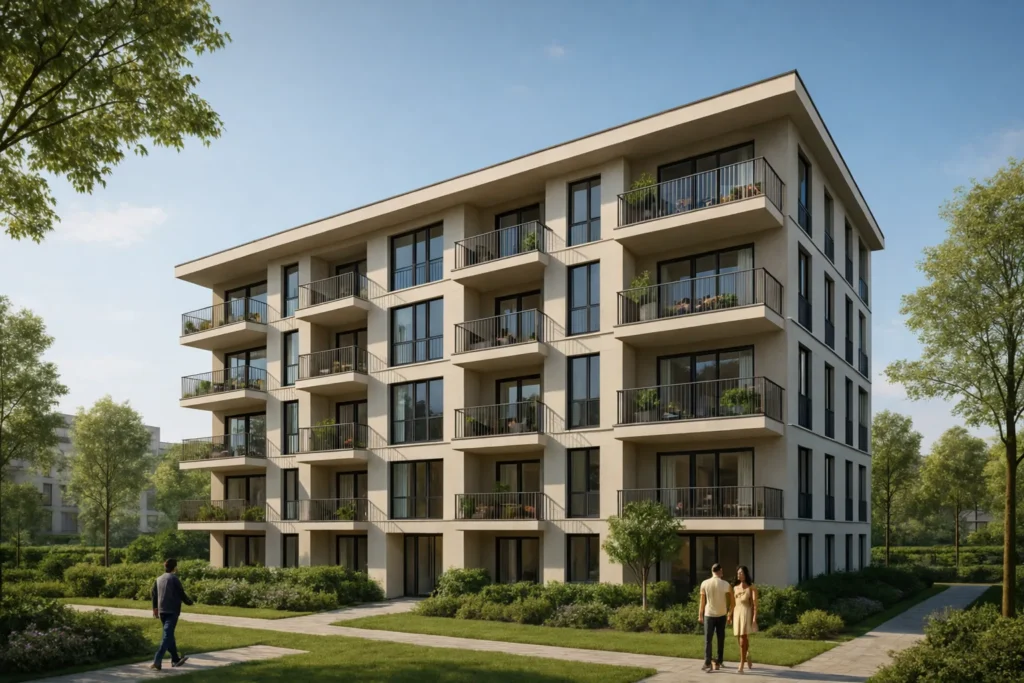
Seeing a realistic representation of a space helps clients understand how it will feel to move through it. They can picture themselves using the space, which strengthens their emotional connection to the project.
Supporting clearer and more productive discussions
Client meetings become far more productive when visuals are part of the conversation. Instead of long explanations, designers can point to specific elements in the visual and discuss them directly.
Visuals also encourage clients to share their thoughts more openly. When they can see the design clearly, they are better equipped to express what they like, what they don’t, and what they would like to change.
Helping clients make decisions with confidence
Decision-making is one of the most critical stages in any design project. Clients often hesitate when they are unsure about how a design choice will affect the final result.
When clients can see how materials, colors, lighting, and layouts work together, they feel more confident making decisions. This confidence speeds up approvals and helps projects stay on schedule.
Reducing revisions and unexpected changes
Unexpected revisions often occur when clients realize late in the process that something doesn’t meet their expectations. Visual presentations help reduce this risk by setting clear expectations from the start.
Reviewing realistic visuals early allows concerns to be addressed before construction begins, saving time and resources.
Identifying design challenges early
Seeing a design in three dimensions makes it easier to identify potential challenges related to proportions, circulation, or spatial relationships.
Early problem-solving improves overall project quality and ensures functionality alongside aesthetics.
Keeping all stakeholders aligned
Design projects involve multiple stakeholders with different priorities. Visual representation provides a common reference point everyone can understand.
This shared understanding helps maintain consistency throughout the project lifecycle.
Creating engaging and memorable presentations
Presentations relying only on drawings and text can lose attention quickly. Visual presentations transform explanations into engaging experiences.
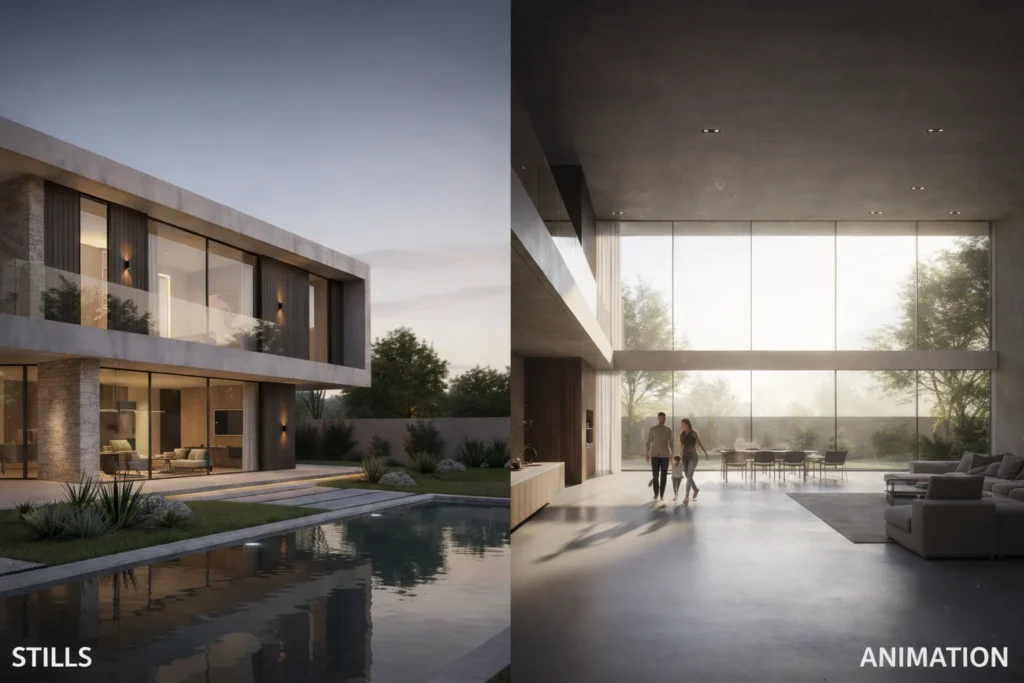
High-quality images and walkthroughs leave a lasting impression and help projects stand out.
Strengthening emotional connection with the design
Clients are more likely to move forward when they feel emotionally connected to a design. Visuals help make designs feel real and personal.
Adding value beyond client meetings
3D architectural visualization is also valuable for marketing and promotion. These visuals can be used on websites, social media, brochures, and advertisements.
You can explore how modern visualization tools support design workflows on
Autodesk’s architectural visualization resources
Building trust through transparency
Visual presentations show clients exactly what to expect, building trust and confidence throughout the project.
Improving workflow and collaboration
Clear visuals improve internal collaboration, reduce confusion, and help teams stay aligned.
Meeting modern client expectations
Clients now expect visual presentations as part of the design process. Visualization has become a standard rather than a luxury.
Looking ahead at the future of client presentations
As tools evolve, presentations will become more immersive and interactive, strengthening visual storytelling.
Choosing the right level of detail
Not every project requires the same level of detail. Balancing creativity with clarity ensures effective communication.
Conclusion
Client presentations today focus on building understanding, confidence, and excitement. 3D architectural visualization plays a central role by transforming ideas into clear and realistic visual stories, strengthening relationships and supporting better decision-making.