
How Architectural Rendering Services Reduce Design Errors
Introduction: Why Design Mistakes Happen in Architecture
3D architectural visualization has become an essential part of modern building design, especially when the goal is to prevent costly mistakes. In architecture, even a small design error can lead to serious problems. A misplaced wall, incorrect window height, or poorly planned lighting system can result in delays, budget increases, and unhappy clients.
Design mistakes usually happen because ideas are not fully understood during the planning phase. Traditional 2D drawings require experience to interpret correctly. While architects and engineers are trained to read them, clients and even contractors may interpret details differently. That gap in understanding is often where errors begin.
In many projects, the problem is not poor design skills—it’s a lack of clear visualization. When a space exists only on paper, it is harder to imagine how it will feel in real life. That is why architectural rendering services are now widely used. They provide realistic images and digital models that show exactly how a building will look and function before construction starts.
By using clear visuals early in the design process, teams can detect inconsistencies, fix layout concerns, and improve coordination. This approach leads to smoother projects, fewer change orders, and better final results.
What Are Architectural Rendering Services?
Architectural rendering services create realistic images and digital representations of buildings before they are built. These services transform technical drawings into lifelike visuals that display structure, materials, lighting, textures, and surroundings.
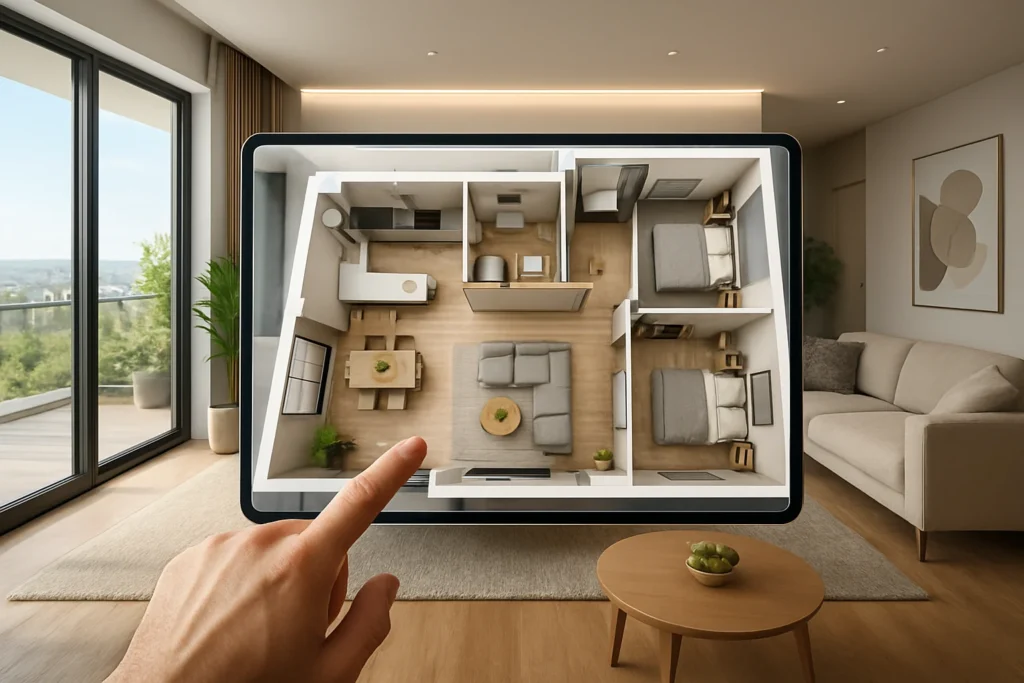
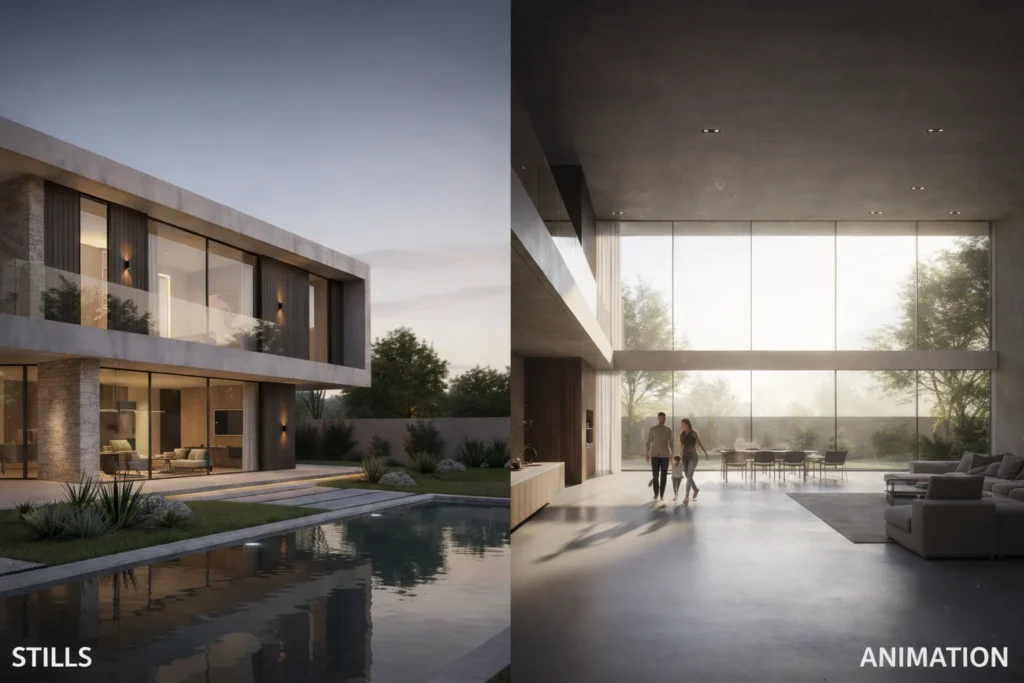
Unlike traditional blueprints, renderings show depth and perspective. They help viewers understand the scale and atmosphere of a space. Renderings can include exterior perspectives, interior views, aerial shots, 3D floor plans, and virtual walkthroughs.
These digital models in architecture are useful for more than presentations. They support planning decisions and detailed design review. Engineers can confirm structural placement, designers can test materials, and clients can see the overall concept clearly.
By integrating 3D architectural visualization into early planning stages, teams gain a more accurate understanding of how different elements interact. This improves decision-making and reduces the likelihood of errors later in the project.
The Role of 3D Architectural Visualization in Design Planning
Careful planning is the foundation of any successful building project. 3D architectural visualization plays a critical role in helping teams examine every part of a design before construction begins.
When architects rely only on 2D drawings, certain details may be overlooked. Spatial relationships between rooms, ceiling heights, or circulation paths might not feel realistic until construction is underway. With 3D architectural visualization, these aspects become clear immediately.
For example, a hallway that looks wide enough in a floor plan may appear too narrow when viewed in a realistic model. Similarly, window placements can be adjusted to improve natural lighting before materials are ordered. These early corrections save both time and money.
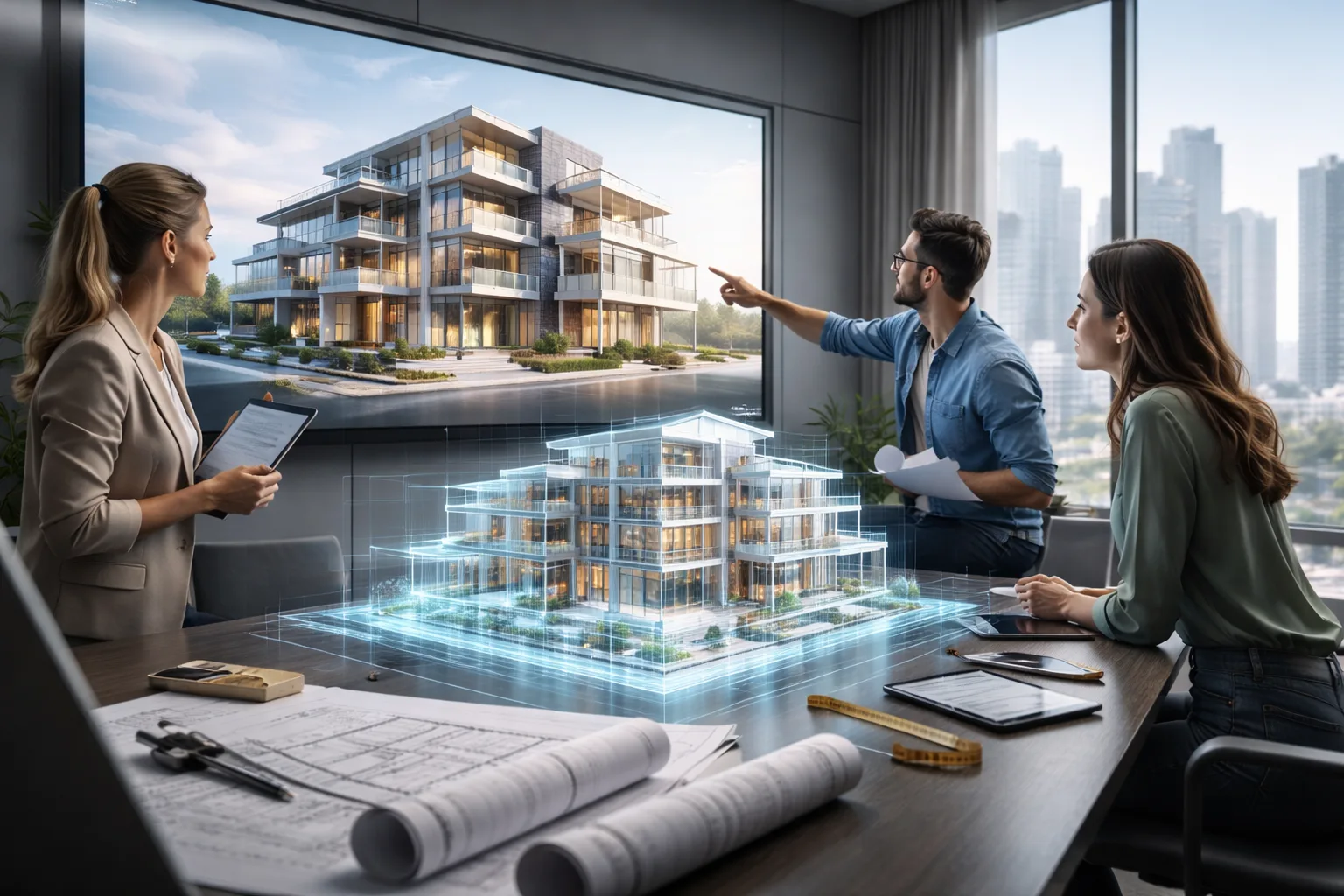
This visual approach strengthens design coordination among architects, engineers, and contractors. Everyone can review the same digital model and discuss adjustments openly. Clear communication reduces misunderstandings and prevents errors from moving forward into construction.
Seeing the Complete Project Before Construction
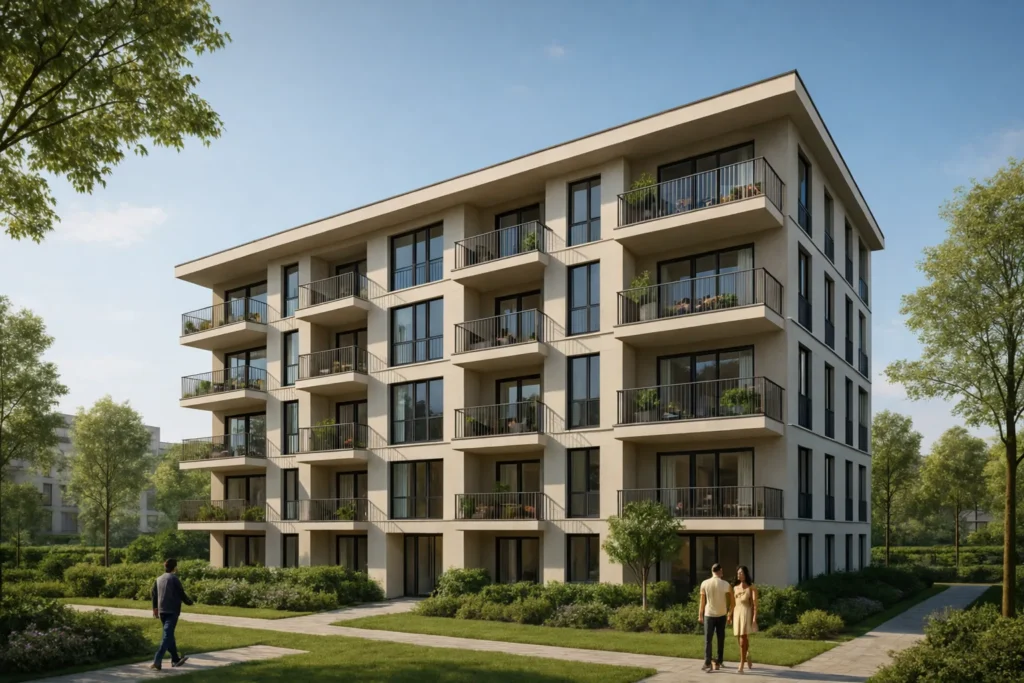
One of the strongest advantages of 3D architectural visualization is the ability to see the finished building before it physically exists. This preview offers valuable insight into how the structure will look, feel, and function.
Architects can evaluate proportions, balance, and overall aesthetics in realistic detail. Interior designers can review furniture placement and traffic flow. Engineers can examine structural alignments and ensure systems do not conflict with architectural features.
Lighting simulations also provide critical information. By analysing how sunlight enters a building at different times of the day, designers can make informed decisions about window placement and shading solutions.
Construction visualization tools create an opportunity to fix issues while they are still digital. Adjusting a model is simple compared to demolishing and rebuilding a section of a completed structure.
Improving Team Collaboration
Construction projects involve many professionals, and coordination between them is essential. Miscommunication often leads to design errors, especially when team members interpret drawings differently.
3D architectural visualization creates a shared reference point for everyone involved. Instead of relying on written notes or verbal explanations, team members can review the same realistic model together.
How Visualization Improves Collaboration
- Engineers can confirm structural feasibility.
- Contractors can assess buildability and access.
- Designers can refine material selections.
When teams work from the same clear visuals, confusion decreases. Discussions become more productive, and problems are solved before they grow larger.
Supporting Better Client Communication
Clients are an important part of any architectural project, yet many are unfamiliar with technical drawings. Without clear visuals, it can be difficult for them to fully understand what they are approving.
3D architectural visualization helps bridge this gap. Realistic renderings show room dimensions, lighting effects, materials, and overall atmosphere in a way that is easy to understand. Clients can visualize themselves within the space and provide informed feedback.
This clarity leads to stronger client approvals with visuals. When clients understand the design clearly, they are less likely to request major changes during construction. Fewer revisions mean lower costs and fewer delays.
Reducing Costly Construction Changes
Construction changes are among the most expensive challenges in building projects. Altering structural components or mechanical systems after work has started can significantly impact the budget.
Using 3D architectural visualization during planning reduces this risk. Digital models allow teams to identify clashes between systems, confirm measurements, and review material combinations before construction begins.
According to the American Institute of Architects, digital modelling tools improve coordination and accuracy in design projects. Early identification of potential issues helps prevent costly rework later.
Testing Materials, Lighting, and Layout Options
Every design decision affects the final outcome of a project. Choosing materials, adjusting lighting, and refining layouts require careful consideration.
With 3D architectural visualization, architects can test different options in a virtual environment. They can experiment with exterior cladding, interior finishes, and furniture arrangements without committing to physical changes.
This flexibility allows teams to compare design alternatives side by side. Instead of relying on imagination alone, decision-makers can evaluate realistic visuals and select the best solution confidently.
Improving Technical Accuracy and Precision
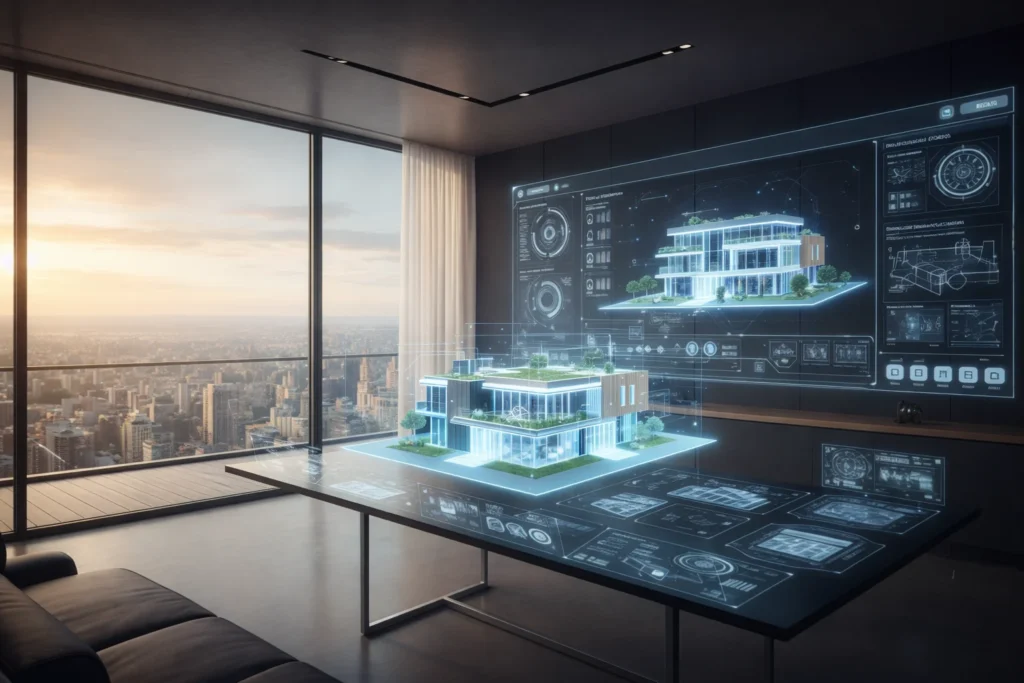
3D architectural visualization works alongside CAD and BIM systems to strengthen design precision. Rendered models can reveal measurement inconsistencies, alignment issues, and spatial conflicts.
For example, a beam that appears correctly positioned in a drawing might interfere with ceiling fixtures when viewed in a 3D model. Identifying such conflicts early prevents structural adjustments during construction.
When to Use Architectural Rendering Services
Rendering services are especially useful for projects that involve complex layouts or multiple stakeholders. Residential homes, commercial offices, retail spaces, and renovation projects all benefit from improved visualization.
If a project requires careful coordination between different teams, 3D architectural visualization becomes a practical investment. It reduces uncertainty and supports informed decision-making throughout the planning phase.
The Future of Visual Planning in Architecture
Technology continues to advance, and visualization tools are becoming more interactive. Virtual reality and augmented reality experiences are increasingly integrated with 3D architectural visualization.
Learn more about design technology trends through platforms like Autodesk, which actively supports digital modeling and visualization tools.
Conclusion: Clear Visualization Leads to Fewer Errors
By integrating 3D architectural visualization into the design process, teams gain greater clarity, stronger collaboration, and improved accuracy. Problems can be identified early, solutions can be tested virtually, and decisions can be made with confidence.
When architectural projects are reviewed thoroughly through realistic digital models, the result is fewer surprises, reduced costs, and better-built spaces. Thoughtful planning supported by modern visualization tools creates stronger foundations for long-term success.