
Why Mumbai Real Estate Needs 3D Architectural Visualization
Introduction
Mumbai’s real estate market is one of the most dynamic and competitive in India. Every year, new residential towers, commercial buildings, and mixed-use developments enter the market, all competing for buyer attention. With rising property prices and informed customers, simply presenting a floor plan or brochure is no longer enough. Buyers today expect clarity, detail, and transparency before making such an important financial decision.
This shift in buyer expectations has changed how developers market and present their projects. One of the biggest reasons behind this transformation is 3D architectural visualization. It allows real estate professionals to present projects in a realistic and engaging way, even before construction is complete. In a city like Mumbai, where space is limited and competition is intense, this approach has become increasingly important.
3D Architectural Visualization Is Changing the Way Mumbai Real Estate Sells
3D architectural visualization is no longer just a design add-on in Mumbai’s property market — it has become a serious business tool. In a city where property prices are high and competition is intense, buyers want complete clarity before making a decision. They don’t just want to read about a project; they want to see it, feel it, and understand it clearly.
Mumbai’s skyline keeps evolving. From luxury sea-facing apartments in Worli to modern residential towers in Andheri and Thane, every project competes for attention. In such an environment, strong visual presentation can influence how quickly a property sells. This is where 3D architectural visualization plays a meaningful role.
The Reality of Mumbai’s Competitive Property Market
Buying a home in Mumbai is a major financial commitment. For many families, it is the biggest investment of their lifetime. Because of this, buyers carefully compare multiple projects before finalizing one.
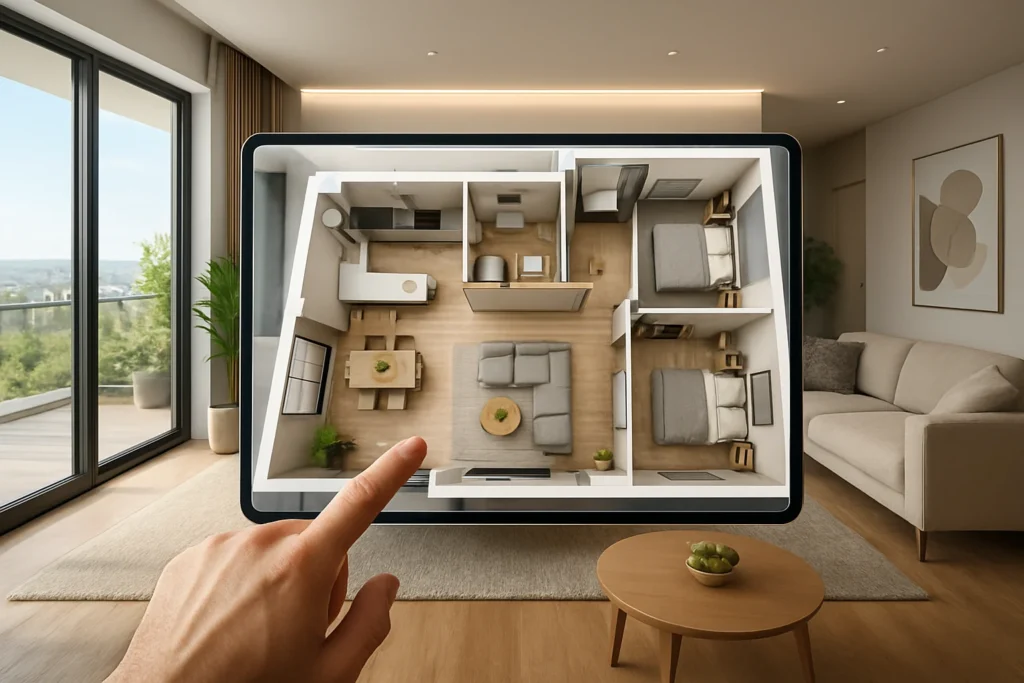
Traditional 2D floor plans and simple brochures often fail to communicate how a space will actually look and feel. Room proportions, lighting, textures, and furniture placement are hard to imagine from flat drawings. This gap between imagination and reality can slow down decision-making.
With 3D architectural visualization, developers can present a lifelike preview of the finished property. Instead of guessing, buyers can see realistic interiors and exteriors before construction is complete. This clarity reduces hesitation and builds stronger confidence.
Turning Drawings Into Realistic Experiences
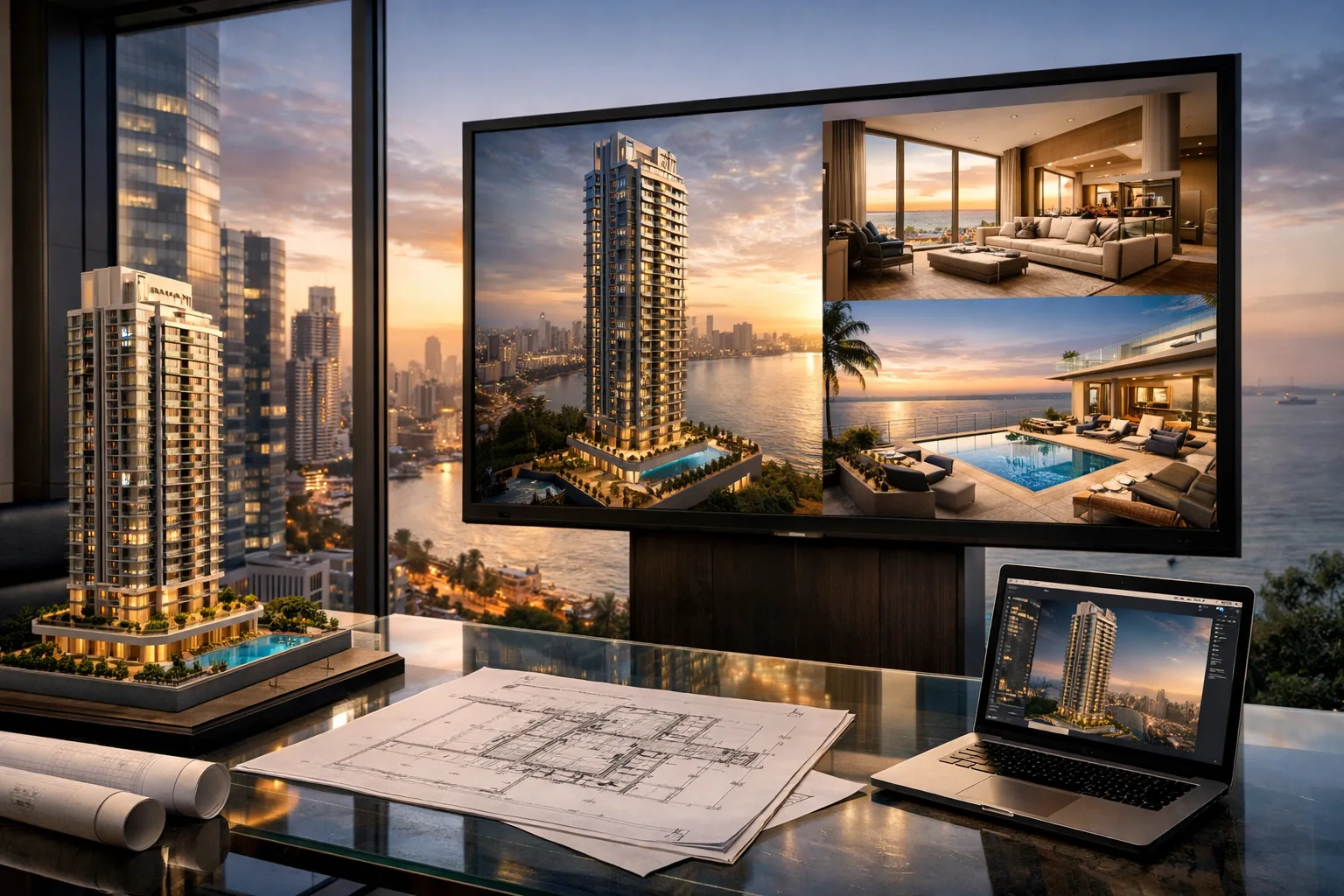
At its core, 3D architectural visualization converts technical architectural plans into detailed digital images or walkthroughs. These visuals show materials, lighting effects, landscaping, décor, and even surrounding city views.
For example, instead of simply showing a layout of a 2BHK apartment, developers can present:
- A fully furnished living room with accurate scale
- Natural sunlight entering through windows
- Balcony views with city background
- Kitchen finishes and cabinetry details
This level of detail helps buyers connect emotionally with the space. They can imagine their daily life inside that home, which is something flat drawings cannot offer.
Helping Buyers Feel More Certain
Mumbai buyers are practical. They ask detailed questions and expect transparency. When a project is under construction, uncertainty can become a concern. Buyers may wonder whether the room will feel spacious enough or how the final finishes will look.
Through 3D architectural visualization, these doubts can be addressed early. Realistic renders make it easier for buyers to understand ceiling heights, room flow, and interior styling.
When people clearly see what they are investing in, their confidence naturally increases. This often shortens the decision-making process.
A Powerful Support for Pre-Launch Sales
Pre-launch bookings are common in Mumbai’s real estate market. Developers often start selling units before the building structure is fully ready. Convincing someone to invest in something that physically does not yet exist can be challenging.
This is where 3D architectural visualization becomes extremely useful. It allows developers to present detailed previews of:
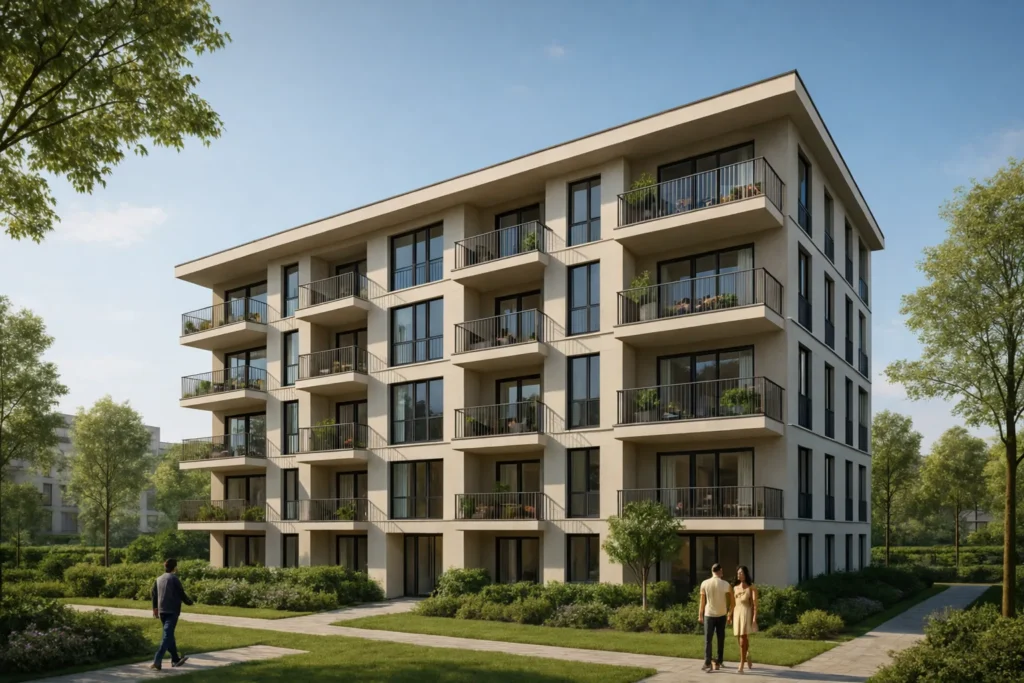
- Building façade and elevation
- Entrance lobby design
- Clubhouse and amenities
- Landscaped gardens and open spaces
Such visuals make the project feel real and complete, even in its early stages. Buyers feel more comfortable committing when they can clearly see the future outcome.
Improving Marketing in the Digital Age
Today’s property buyers search online before visiting a site. They scroll through listings, compare projects, and watch videos on social media. In this digital environment, strong visuals make a huge difference.
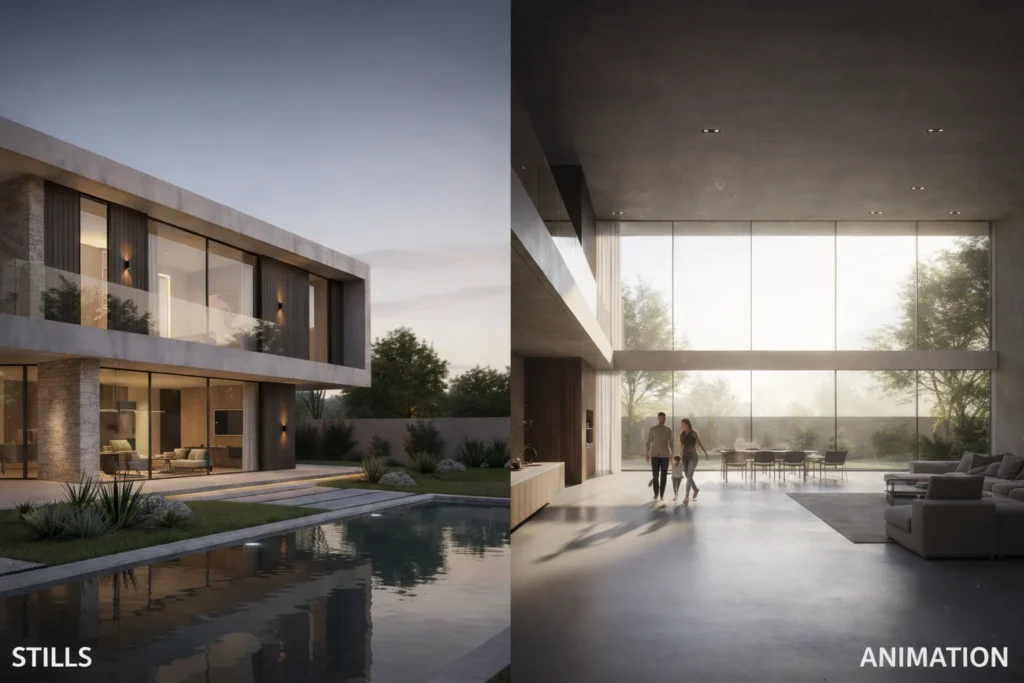
Using 3D architectural visualization, developers create high-quality images, animated walkthroughs, and virtual tours that stand out on property portals and websites. These visuals capture attention faster than plain text descriptions.
Instead of writing long explanations about spacious layouts or premium finishes, developers can show them. This direct visual communication is more effective and engaging.
Building Trust Through Clear Presentation
Trust plays a major role in real estate. Buyers want transparency, especially when investing large amounts of money. If there is a mismatch between expectation and reality, dissatisfaction can follow.
With 3D architectural visualization, developers present a detailed and realistic representation of the final product. When materials, lighting, and design elements are shown accurately, buyers feel reassured.
Clear visuals reduce misunderstandings between clients and developers. Everyone shares the same reference point. This improves communication and lowers the chances of disputes later.
Reducing Costly Changes During Construction
Making changes after construction begins can be expensive. If a layout feels cramped or a design element looks different than expected, modifying it at a later stage increases both cost and delay.
By reviewing designs through 3D architectural visualization before construction starts, developers and clients can identify potential issues early. Adjustments can be made digitally rather than physically.
This proactive approach saves time and avoids unnecessary expenses. For large residential towers and commercial complexes in Mumbai, this efficiency can have a significant impact.
Supporting Luxury and High-End Developments
Mumbai has a strong luxury housing segment. High-end buyers expect premium presentation. They want to see detailed finishes, stylish interiors, and well-designed common areas before committing.
In such cases, 3D architectural visualization becomes an essential part of the sales process. Developers use cinematic walkthroughs and ultra-realistic renderings to showcase lifestyle elements such as rooftop lounges, sea-facing balconies, designer lobbies, and smart home interiors.
These visuals communicate sophistication and exclusivity, which are important in the luxury market.
Helping NRIs and Remote Investors
Many Mumbai properties are purchased by NRIs and out-of-city investors. These buyers cannot always visit the site frequently.
Through 3D architectural visualization, they can explore the property remotely. Detailed renders and virtual walkthroughs allow them to understand the project without being physically present.
This expands the developer’s reach beyond local buyers and supports smoother decision-making for remote clients.
Better Coordination Among Project Teams
Real estate development involves architects, engineers, contractors, marketing teams, and sales staff. When everyone works only with 2D drawings, interpretation differences can arise.
Using 3D architectural visualization, all stakeholders refer to the same visual model. This improves alignment between design intent and execution.
Clear visual references help teams understand layout details, exterior finishes, and spatial relationships more accurately. This reduces confusion and keeps the project moving smoothly.
Why This Approach Is Becoming Essential in Mumbai
Mumbai’s property market continues to grow and evolve. Buyers are more informed, competition is intense, and expectations are higher than ever.
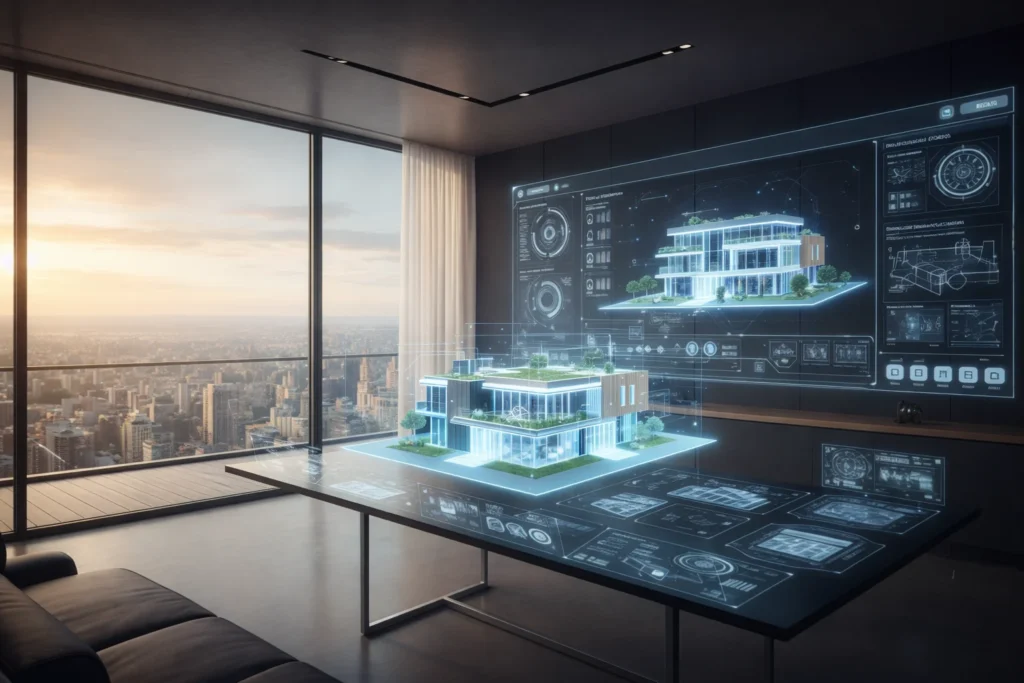
Relying only on traditional brochures and basic drawings may not be enough anymore. 3D architectural visualization helps developers present projects with clarity, transparency, and professionalism.
It supports marketing efforts, builds buyer confidence, reduces misunderstandings, and contributes to smoother project execution. In a high-value market like Mumbai, these benefits matter greatly.
Conclusion
Mumbai’s real estate landscape is competitive, dynamic, and driven by informed buyers. Clear communication and strong presentation have become key factors in closing deals.
3D architectural visualization connects ideas with reality. It allows buyers to see their future homes, helps developers present projects confidently, and reduces uncertainty in the sales process.
In a city where every project competes for attention, realistic visual storytelling has become an important part of successful property marketing.
Learn more about real estate trends at
MahaRERA
and explore global architecture insights on
ArchDaily.