
How 3D Visualization Service Providers Improve Project Approvals

Introduction
3D architectural visualization has become an essential tool for modern architecture and construction projects, especially during the project approval stage. Before construction begins, developers must present their ideas to clients, investors, planning authorities, and sometimes even community stakeholders. Each of these groups needs to clearly understand how the building will look, how it will function, and how it fits within its surroundings. If the design is difficult to interpret, approvals can take longer and may require multiple revisions.
Traditionally, architects relied on technical drawings, blueprints, and written explanations to communicate their ideas. While these methods remain important for construction documentation, they are often difficult for non-technical audiences to interpret. As a result, many stakeholders struggle to imagine the final appearance of the project. This communication gap can slow down decision-making and create uncertainty during the approval process.
Today, 3D architectural visualization is transforming how architects and developers present their projects. Instead of relying only on drawings, professionals can create realistic images that show buildings in detail before construction begins. These visuals make it easier for stakeholders to understand the design concept and evaluate the project with greater confidence.
Why Project Approvals Are Often Difficult in Architecture
Approving a building design can be a complex process because multiple stakeholders are involved. Architects, engineers, developers, investors, and government authorities often review the same proposal but focus on different aspects of the project. Some evaluate the design quality, others check compliance with regulations, while investors consider the financial potential of the development.
When these stakeholders review only technical drawings, it can be difficult for many of them to fully understand the design. Blueprints provide measurements and structural information, but they rarely show how a space will look or feel in reality. This often leads to lengthy discussions and repeated explanations before a final decision is made.
By using 3D architectural visualization, project teams can present the design in a format that is easier to interpret. Realistic visuals provide a clear picture of the final structure, which helps stakeholders understand the concept more quickly and reduces confusion during presentations.
Turning Drawings Into Visual Stories
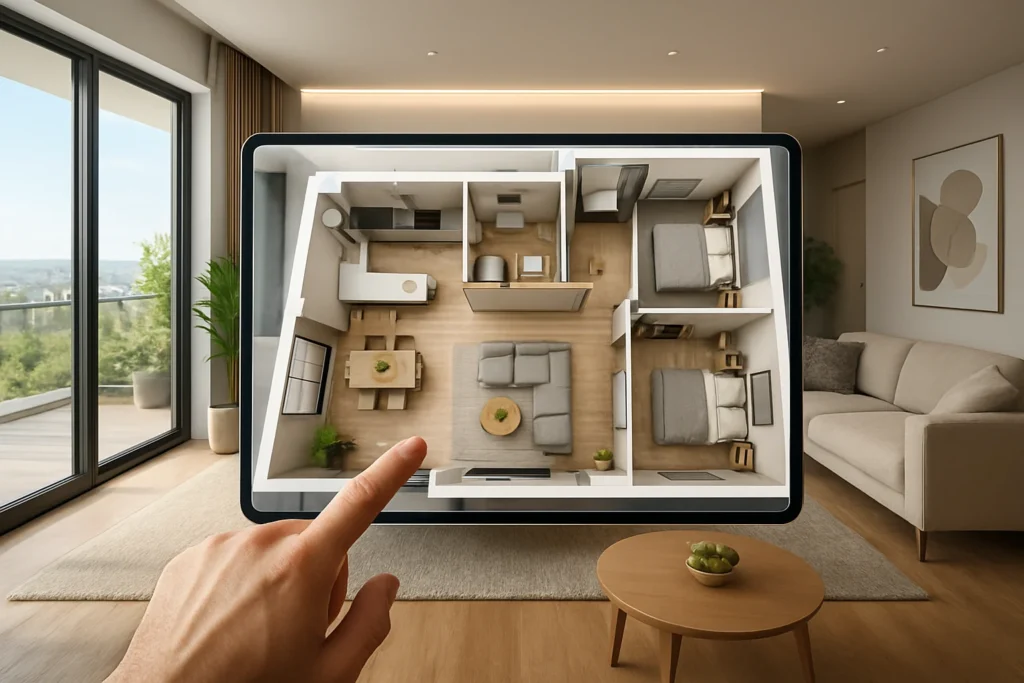
Architectural drawings are essential for planning and construction, but they do not always communicate the full design concept during presentations. A floor plan may show room layouts and dimensions, yet it does not always convey how the interior space will appear once the building is completed.
3D architectural visualization allows architects to transform technical drawings into realistic scenes. Through high-quality renders, designers can present textures, lighting conditions, furniture arrangements, and surrounding landscapes. These elements help create a visual story that represents how the project will look in the real world.
When stakeholders see these visuals, they can better understand the architect’s vision. This approach makes design presentations more engaging and helps reviewers evaluate the project more effectively.
Clear Visuals Improve Client Understanding
Clients are often one of the most important decision-makers in any construction project. However, many clients do not have a technical background in architecture or engineering. When they see only floor plans or elevation drawings, they may find it difficult to imagine the finished building.
3D architectural visualization helps bridge this gap by presenting the project through realistic images. Clients can see exterior facades, interior layouts, lighting effects, and materials exactly as they might appear after construction.
This visual clarity helps them understand the design concept without needing to interpret complex drawings. Learn more about architectural presentation standards from the
ArchDaily architecture platform.
Faster Decisions Through Shared Visual Understanding
Project approval meetings often take longer when stakeholders interpret drawings differently. Some participants may visualize the design in one way, while others imagine something completely different. These differences can lead to extended discussions and misunderstandings.
3D architectural visualization solves this problem by providing a shared visual reference. Everyone involved in the project can view the same representation of the building. This common understanding helps keep discussions focused on evaluating the design rather than explaining it.
When all stakeholders see the same visual representation, meetings become more productive. Decisions can be made more quickly because everyone understands the design in the same way.
Improving Collaboration Among Project Teams
Architecture projects involve collaboration between multiple professionals, including architects, interior designers, engineers, and contractors. Each team member works with different technical information, which can sometimes create communication challenges.
3D architectural visualization provides a visual platform that helps teams coordinate their ideas more effectively. Designers can review interior layouts, engineers can evaluate structural elements, and contractors can better understand construction requirements.
By sharing a visual model of the project, teams can discuss potential design adjustments more clearly. This collaborative approach reduces misunderstandings and helps ensure that everyone is working toward the same design goal.
Encouraging Early Feedback in the Design Process
One of the most important advantages of visualization is the ability to receive feedback early in the design phase. When stakeholders review realistic images of a project, they can identify potential improvements before construction begins.
3D architectural visualization allows developers to present detailed renders that highlight spatial layouts, materials, lighting conditions, and environmental context.
Stakeholders can evaluate these elements and suggest changes if necessary. Industry insights about visualization in architecture can also be explored through
RIBA Journal.
Reducing Revisions During Approvals
Revisions are common during the approval stage, especially when stakeholders struggle to understand technical drawings. If the design is not clear, project teams may need to revise plans several times before everyone agrees on the concept.
3D architectural visualization helps reduce the need for repeated revisions by presenting the project clearly from the beginning. When stakeholders review realistic images, they can evaluate the design more accurately and provide informed feedback.
Because the design is easier to understand, stakeholders are more likely to approve the proposal without requesting multiple changes. This streamlined process saves both time and resources for the project team.
Presenting Projects Clearly to Authorities and Investors
Government authorities and investors often review multiple development proposals within a short period of time. For this reason, clear communication is essential when presenting a project for approval.
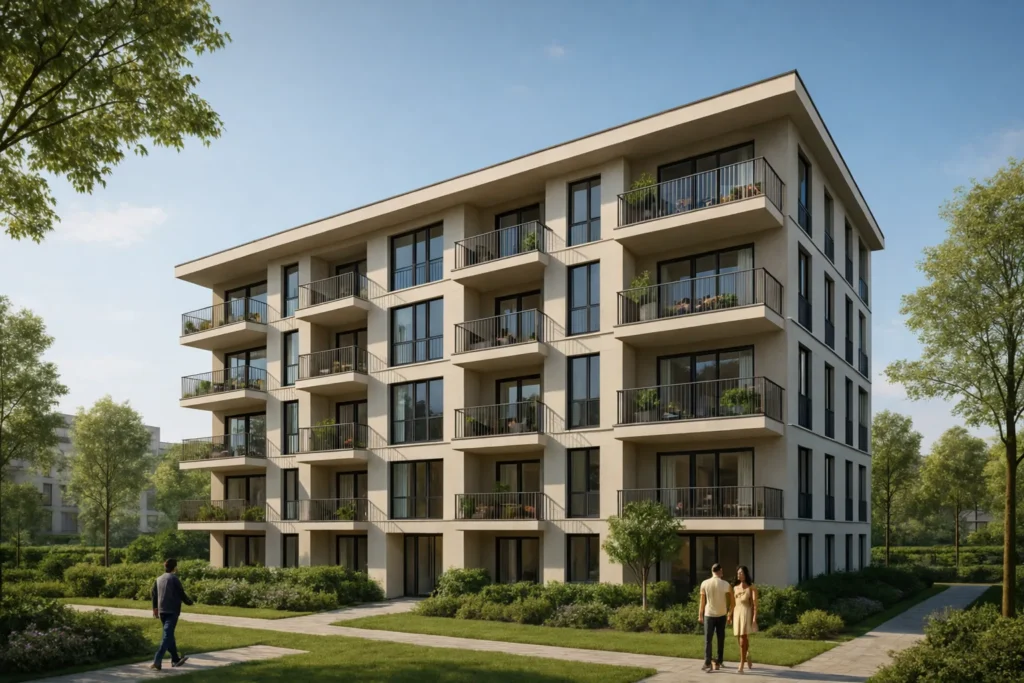
3D architectural visualization allows developers to present realistic exterior views, site layouts, and interior scenes that clearly illustrate the project’s design. These visuals show how the building will fit within its environment and how it aligns with planning guidelines.
For investors, visual presentations provide a better understanding of the project’s potential. Seeing realistic representations of the development helps them evaluate the design and its market appeal more effectively.
Building Trust With Communities and Stakeholders
Large construction projects sometimes require presentations to local communities or neighborhood groups. Residents may want to know how the new development will affect the surrounding environment.
3D architectural visualization helps address these concerns by showing how the building will appear within its location. Visuals can include nearby streets, landscaping, and surrounding structures to provide context.
When people see realistic images of the project, they are more likely to understand the design and its impact. This transparency helps build trust between developers and community stakeholders.
Supporting Marketing and Pre-Sales
In many real estate developments, marketing activities begin before construction is completed. Developers often need strong visual materials to present the project to buyers, investors, and business partners.
3D architectural visualization provides high-quality images that can be used in brochures, websites, and advertising campaigns. These visuals help potential buyers imagine what it would be like to live or work in the building.
By presenting the project through realistic images, developers can generate interest even before construction begins.
Choosing the Right Visualization Partner
The effectiveness of visual presentations depends largely on the experience of the professionals creating them. Skilled visualization artists understand architecture, lighting, materials, and camera composition.
When selecting a visualization provider, developers should review previous projects and evaluate the quality of the renders. A good provider will also understand architectural design principles and be able to translate technical drawings into compelling visuals.
Working with experienced professionals ensures that the final images accurately represent the design and support successful project presentations.
The Future of Visualization in Construction
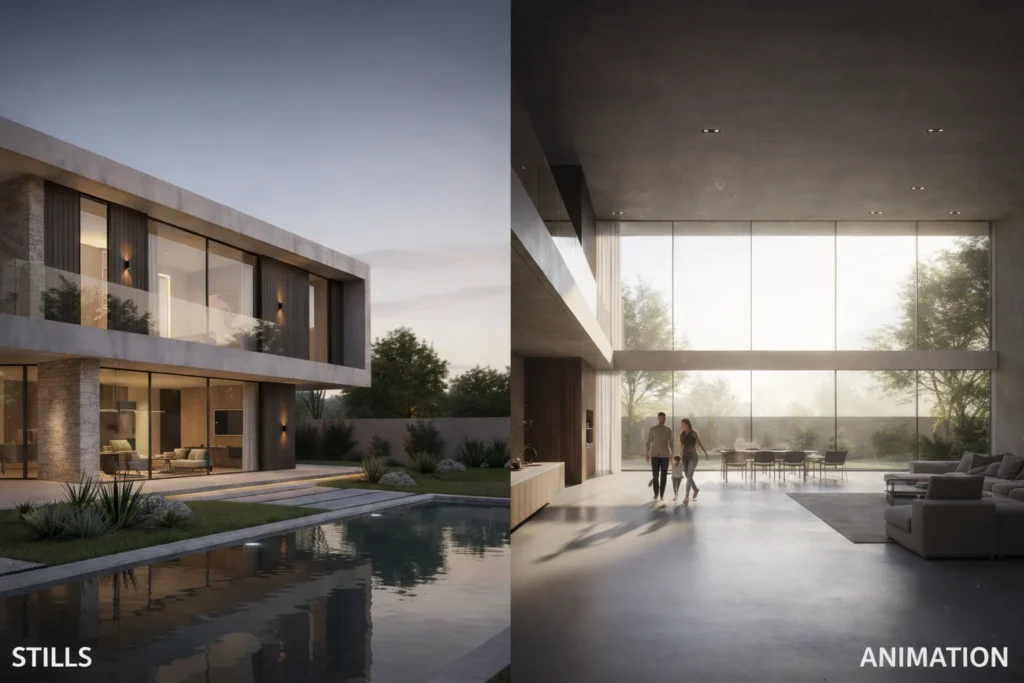
Technology continues to transform how architecture projects are presented and approved. Beyond still images, many developers are now using animations, virtual walkthroughs, and interactive presentations.
These tools allow stakeholders to explore a building in a more immersive way. Instead of viewing a single image, they can experience the entire space virtually.
As these technologies continue to evolve, visualization will likely play an even greater role in project approvals. Architects and developers who adopt these tools will be better equipped to communicate their ideas clearly.
Conclusion
Clear communication is one of the most important factors in achieving successful project approvals. When stakeholders fully understand a design, they can evaluate proposals more efficiently and make confident decisions.
3D architectural visualization helps bridge the gap between technical drawings and real-world understanding. By presenting projects through realistic visuals, architects and developers can explain their ideas more clearly and avoid misunderstandings during the approval process.
As architecture and construction projects become more complex, the need for effective communication will continue to grow. Visualization tools provide a powerful way to present ideas, gain stakeholder confidence, and move projects forward with greater efficiency.