
Why Builders Trust 3D Architectural Visualization Service
Introduction
3D Architectural Visualization Service plays an important role in how modern builders plan, present, and deliver construction projects. In today’s construction and real estate industry, clients want to see a clear picture of what their building will look like before work even begins. Traditional drawings and floor plans often make it difficult for clients, investors, and property buyers to fully understand the final design. This is why builders now depend on a 3D Architectural Visualization Service to present projects through realistic images and detailed visual models. These visual representations help people understand the design, materials, lighting, and space layout in a much clearer way.
Builders handle complex projects that involve architects, engineers, designers, investors, and property buyers. When everyone involved has a different interpretation of a design drawing, confusion can slow down the project. Using a 3D Architectural Visualization Service allows builders to present their ideas in a way that everyone can understand easily. Instead of explaining designs with technical drawings, they can show photorealistic visuals that clearly communicate the project vision. This improves communication and helps projects move forward smoothly.
What Is 3D Architectural Visualization?
3D architectural visualization is the process of creating realistic digital images or scenes that represent buildings before they are constructed. It uses architectural 3D modeling, rendering techniques, and lighting simulation to show how a project will look in real life. Through this process, builders can explore different design options and present their ideas with greater clarity. Many builders rely on a 3D Architectural Visualization Service to create high-quality images that make their projects easier to understand for clients and investors.
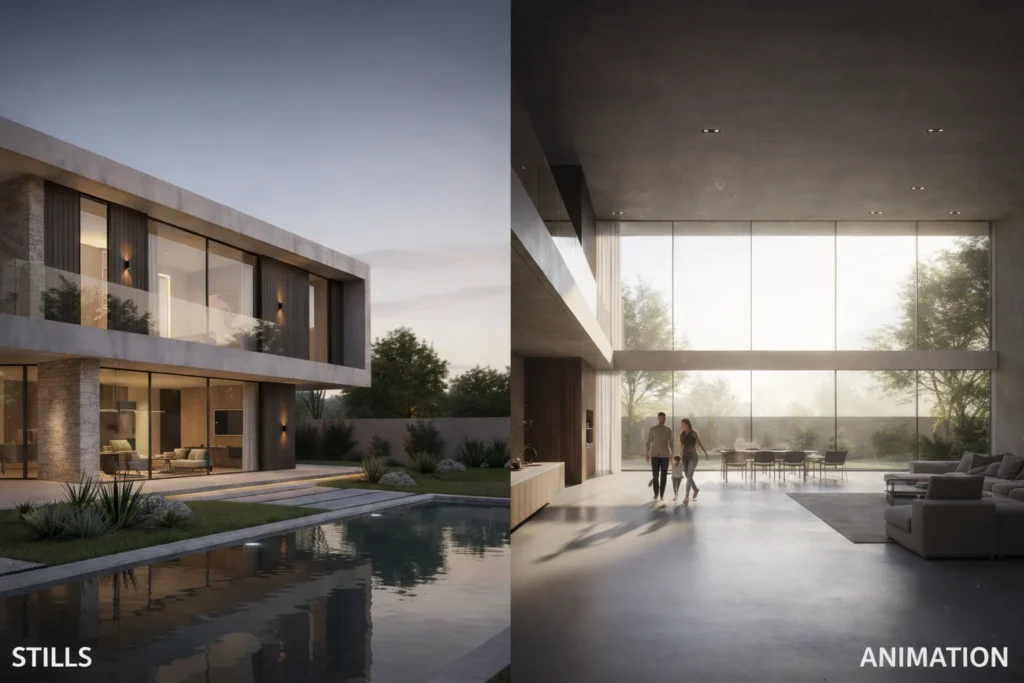
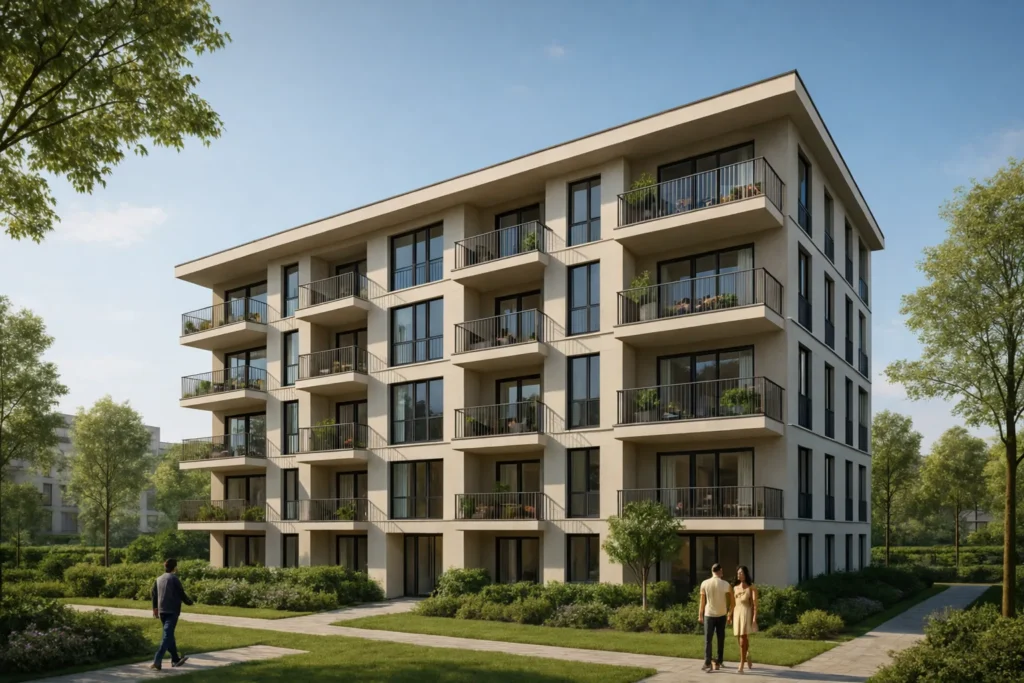
Unlike traditional drawings, these visuals show depth, materials, shadows, and environment details. Clients can see the building exterior, interior spaces, landscaping, and even lighting conditions. Because of this, builders can communicate the design intent more clearly. A professional 3D Architectural Visualization Service can transform architectural plans into images that look almost like real photographs, making presentations much more engaging.
Why Traditional Blueprints Are Not Enough Today
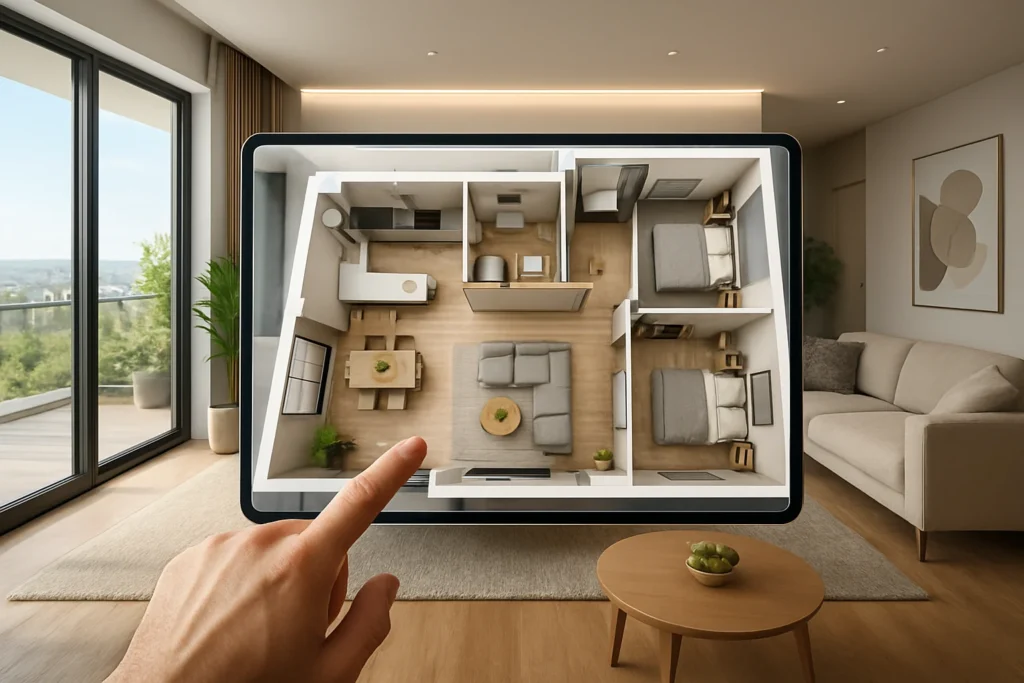
For many years, architects and builders relied on 2D drawings and blueprints to explain building designs. While these drawings are important for construction, they are often difficult for non-technical clients to understand. Many people cannot easily imagine how a building will look just by studying floor plans or elevation drawings.
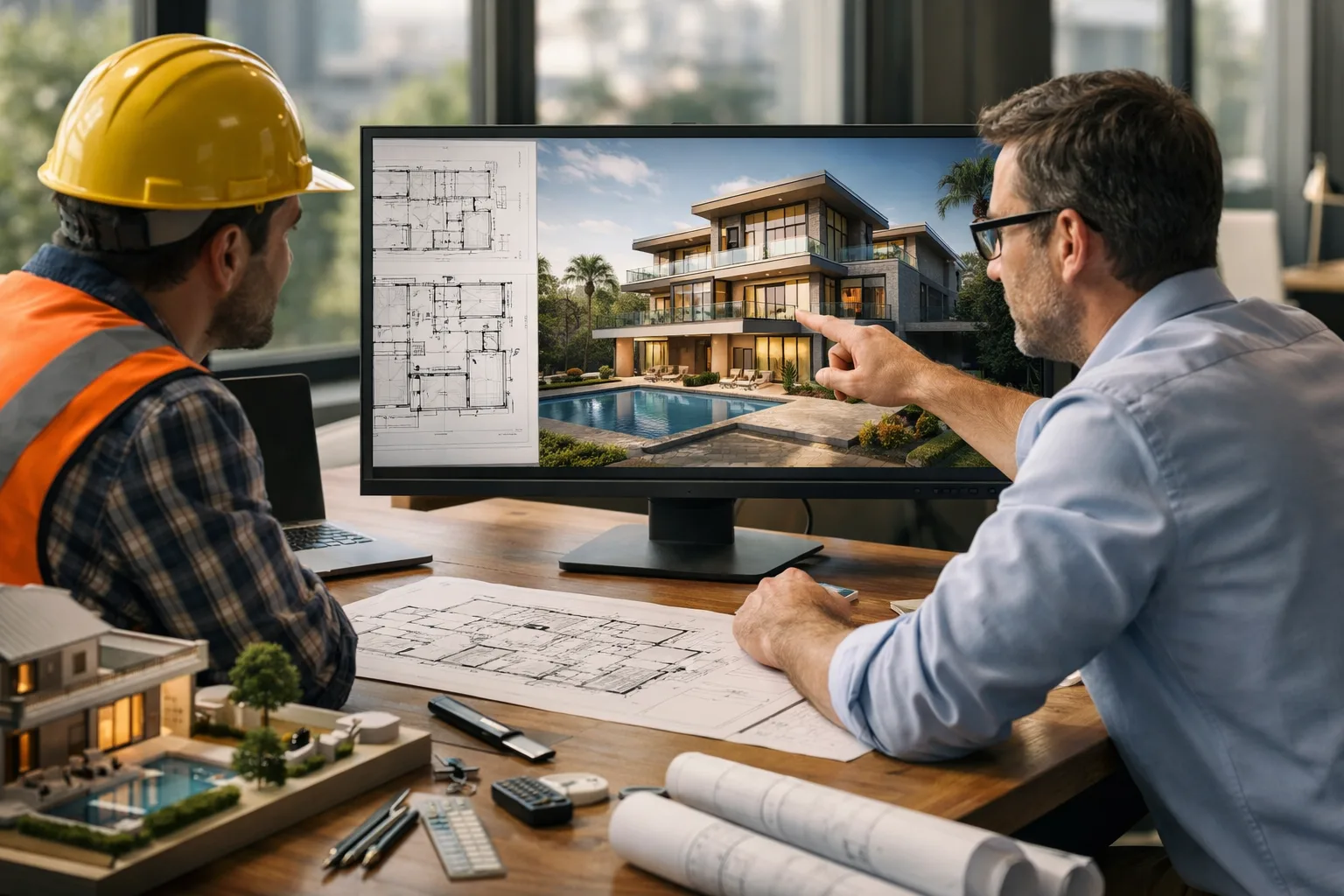
This is where a 3D Architectural Visualization Service becomes valuable. Instead of relying only on lines and measurements, builders can present a realistic image that shows the entire space. Clients can instantly understand the layout, design style, and atmosphere of the project. When clients clearly understand what they are getting, they feel more confident about moving forward with the project.
Builders also find it easier to explain design concepts when they have visual support. A 3D Architectural Visualization Service helps turn complex architectural plans into visuals that communicate the idea quickly and effectively.
Clear Project Understanding for Clients and Investors
One of the biggest reasons builders trust visualization services is that they help people understand projects quickly. When builders present a design using realistic images, clients can immediately see how the building will look after construction.
A 3D Architectural Visualization Service helps create images that show materials, textures, lighting, and surrounding elements. Investors can see how a property fits within its environment, and clients can imagine living or working in the space. This level of clarity builds confidence and makes decision-making easier.
When presentations include realistic visuals, meetings become more productive. Instead of spending time explaining technical details, builders can focus on discussing design improvements and project planning. Because of this, many builders rely on a 3D Architectural Visualization Service when presenting projects to stakeholders.
Faster Approvals from Clients and Stakeholders
Construction projects often require approval from multiple parties. Clients, investors, and planning teams all need to understand the design before giving their approval. If the design is not clear, approval can take longer and may require several revisions.
A 3D Architectural Visualization Service helps reduce this delay by presenting the design in a way that is easy to understand. When clients can clearly see the project, they can give feedback faster. Builders can then make necessary adjustments without confusion.
This faster communication helps projects move forward more efficiently. Builders appreciate how a 3D Architectural Visualization Service allows them to present their work in a professional and convincing way during approval meetings.
Spot Design Problems Before Construction Begins
Another important advantage of visualization is the ability to identify design problems early. During construction, changes can be expensive and time-consuming. When a project is visualized in detail before construction starts, many potential issues can be noticed and fixed in advance.
A 3D Architectural Visualization Service helps builders analyze the design from different angles and perspectives. They can evaluate lighting conditions, space usage, and architectural proportions. If something does not look right, it can be corrected before construction begins.
This early review process helps builders avoid mistakes and reduce unnecessary costs. By using a 3D Architectural Visualization Service, builders can ensure that the project design works well both visually and functionally.
Easy Design Changes Without Extra Construction Cost
Clients often request design changes during the planning stage. They may want to adjust materials, colors, furniture layouts, or exterior finishes. Making these changes during construction can increase costs and delay the project timeline.
With the help of a 3D Architectural Visualization Service, builders can make these adjustments digitally before construction starts. Designers can quickly modify the 3D model and create updated renderings that reflect the new design choices.
This flexibility makes the design process more collaborative. Clients can explore different design options and choose what they like best. Builders benefit from this approach because decisions are finalized earlier, reducing the chance of unexpected changes during construction.
Powerful Visuals for Real Estate Marketing
Builders and developers often begin marketing properties before construction is complete. In these situations, realistic visuals are essential for attracting potential buyers. Marketing materials such as brochures, websites, and advertisements rely heavily on visual presentation.
A 3D Architectural Visualization Service helps create images that showcase the future property in a realistic and appealing way. Buyers can see how the building will look, including interior spaces, exterior design, and landscaping. These visuals help people imagine living or working in the space.
Real estate marketing becomes much more effective when high-quality renderings are used. Because of this, many developers use a 3D Architectural Visualization Service to support their sales and marketing efforts.
Better Communication Between Architects and Builders
Construction projects require close collaboration between architects, builders, engineers, and designers. If the project vision is not communicated clearly, misunderstandings can lead to errors during construction.
A 3D Architectural Visualization Service provides a shared visual reference that everyone can understand. When all team members look at the same visual model, they can discuss design details more effectively. This improves coordination and helps maintain design accuracy.
Builders appreciate how visualization tools bring teams together and reduce confusion. With a clear visual representation of the project, everyone involved can work toward the same goal.
Helps Builders Win More Projects
Competition in the construction and real estate industry is strong. Builders often need to present proposals to clients who are comparing multiple design options. A clear and visually impressive presentation can make a significant difference.
A 3D Architectural Visualization Service helps builders present their ideas in a way that stands out. Realistic renderings show clients exactly what the finished project will look like, which creates a strong first impression.
Clients are more likely to choose a builder who can clearly communicate their vision. Because of this, many builders use a 3D Architectural Visualization Service when preparing project proposals and presentations.
Builds Trust with Clients and Property Buyers
Trust is an important factor in construction projects. Clients want to feel confident that the final result will match what they expect. When a project is presented only through technical drawings, clients may worry about unexpected outcomes.
A 3D Architectural Visualization Service reduces this uncertainty by showing realistic previews of the project. Clients can see the design details before construction begins, which makes them feel more secure about their investment.
When expectations are clear from the beginning, the relationship between builders and clients becomes stronger. Builders who use visualization services often find that clients are more satisfied with the final results.
Choosing the Right Visualization Studio
Builders who want high-quality visuals need to work with experienced professionals. Not every studio offers the same level of detail and realism. Choosing the right partner is important for achieving the best results.
A reliable 3D Architectural Visualization Service should have a strong portfolio that demonstrates realistic lighting, materials, and architectural details. Builders should review past projects to ensure the studio understands architectural design and construction concepts.
Communication and delivery time are also important factors. Builders often work on tight project schedules, so the visualization team must be able to provide images within the required timeframe.
The Growing Role of Visualization in Construction
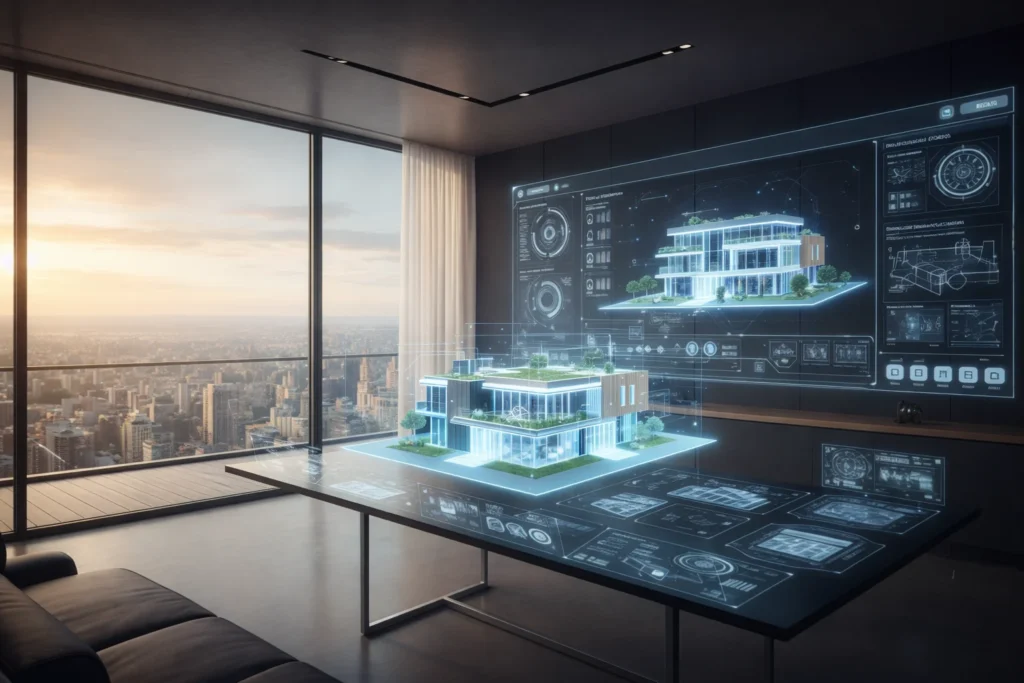
Technology continues to change how buildings are designed and presented. Visualization tools are becoming more advanced, allowing architects and builders to create even more detailed and interactive presentations.
Many builders now use walkthrough animations, virtual tours, and interactive 3D models to present projects. These tools help clients explore a building before construction even begins.
A 3D Architectural Visualization Service plays an important role in this transformation. As technology continues to improve, visualization will become an even more essential part of the construction and real estate industry.Architectural Rendering.
Conclusion
Builders trust visualization because it helps them communicate ideas clearly, avoid design mistakes, and present projects in a professional way. Realistic images allow clients, investors, and team members to understand a project long before construction starts.
A 3D Architectural Visualization Service supports builders throughout the entire project process, from design presentation to real estate marketing. By using detailed visual models and photorealistic renderings, builders can share their vision with confidence.
As the construction industry continues to grow and evolve, visualization will remain an important tool for builders who want to present projects effectively and build strong relationships with clients.