
The Role of 3D Designers in Modern Architecture From Concept to Final Render
Introduction: How 3D Designers Shape Modern Architecture
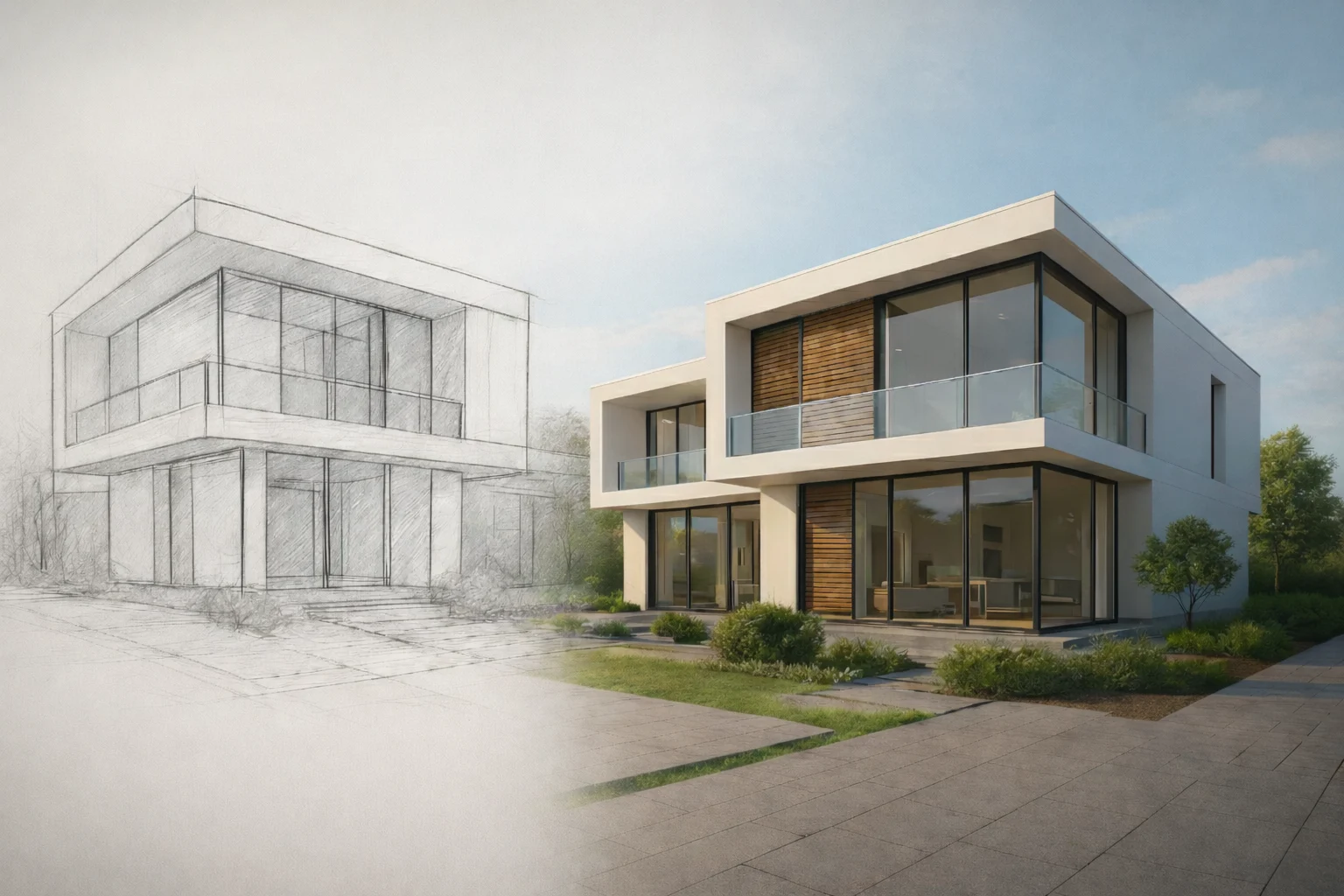
3D Designers Shape Modern Architecture by bridging the gap between conceptual ideas and the finished design. They transform early sketches and CAD files into realistic 3d architecture design and photorealistic 3d rendering that clients can immediately relate to. This process ensures accuracy, clarity, and emotional engagement, allowing architects, builders, and clients to visualize the final project before construction begins.
High-quality visuals not only improve communication but also help decision-making, reduce errors, and enhance marketing efforts. For modern residential or commercial projects, a structured approach by 3D designers guarantees consistency and professional results.
From Concept to Reality: The Role of 3D Designers
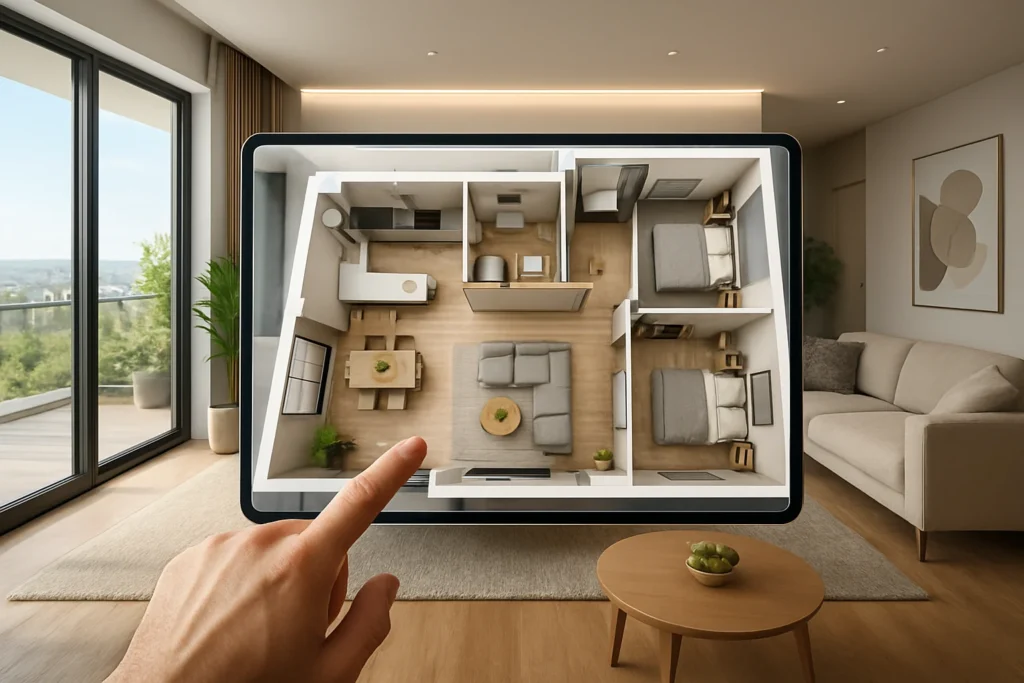
3D designers are involved from the very start of a project. They collaborate with architects to interpret sketches, CAD files, and references, translating abstract ideas into realistic 3d architecture design. Their expertise ensures the design communicates mood, scale, and materiality clearly.
Through photorealistic 3d rendering, clients can experience spaces as if they already exist. Early collaboration allows architects to refine layouts and material choices based on visuals, preventing costly revisions later. A 3D designer’s understanding of lighting, texture, and composition ensures that every visual decision supports the overall concept.
Realistic 3D Architecture Design in Practice
Realistic 3d architecture design emphasizes creating visuals that feel tangible. Designers carefully select materials, textures, and colors that react naturally to light, giving interiors and exteriors a lifelike presence.
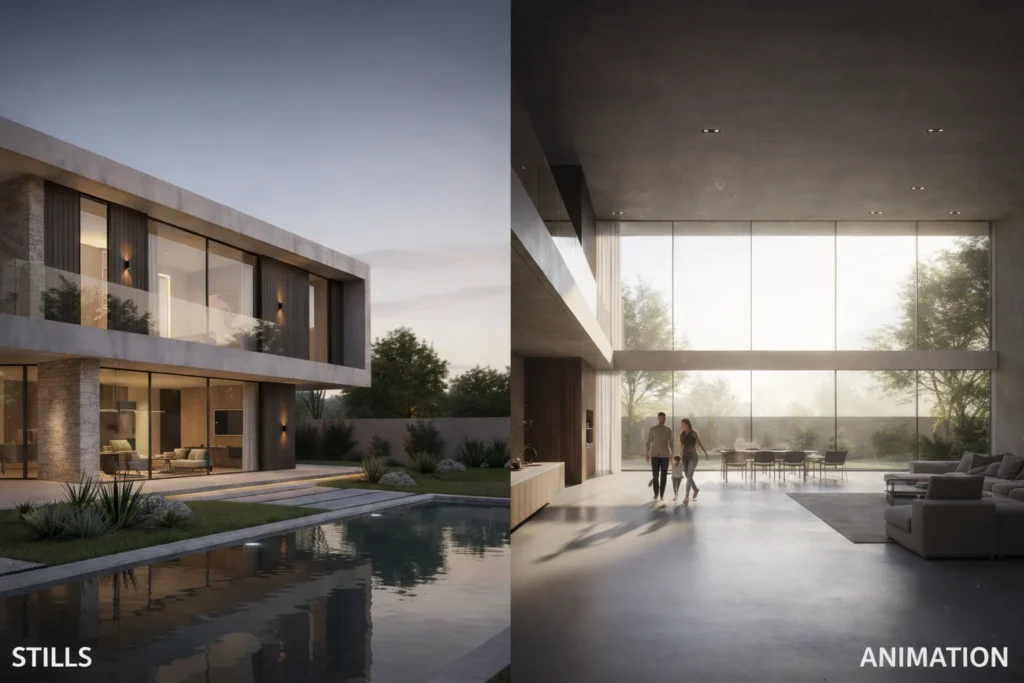
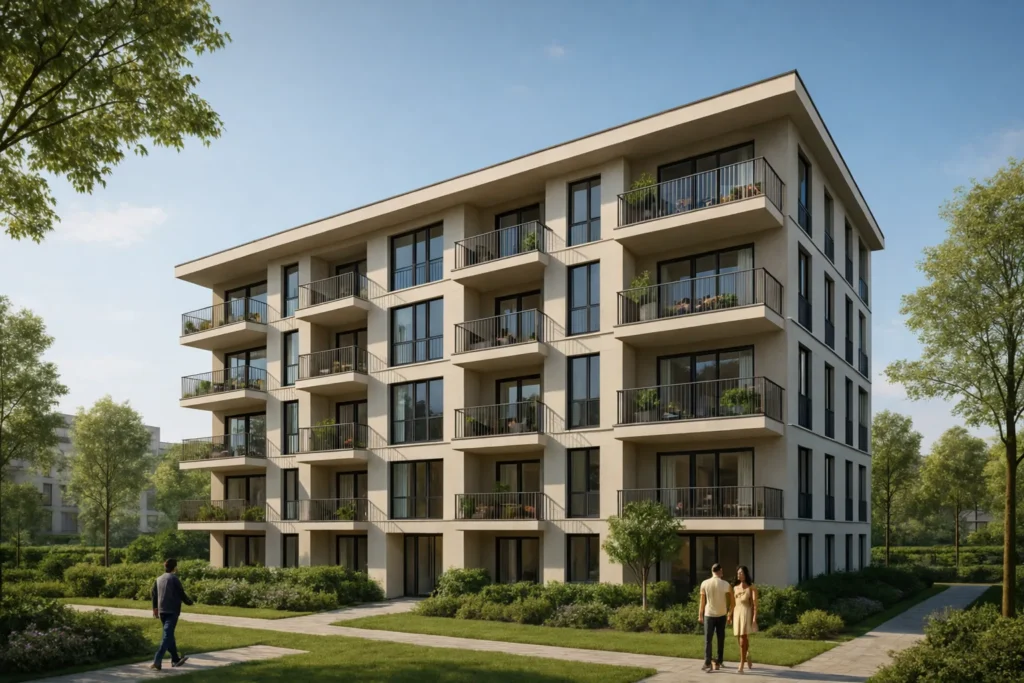
For example, interior renders showcase polished wood floors, marble countertops, and fabric textures, while exterior renders capture sunlight, reflections, and shadow interplay. When handled correctly, these designs allow clients to evaluate spatial relationships, furniture placement, and lighting effects before construction begins.
Instead of listing every detail, designers weave these elements seamlessly into the scene, ensuring the render feels immersive and realistic without overwhelming the viewer.
Photorealistic 3D Rendering Techniques
Achieving photorealistic 3d rendering requires both technical precision and artistic vision. Lighting is crucial, as it establishes depth, mood, and realism. Interior lighting uses soft, diffuse sources for comfort, while exterior renders rely on natural sunlight, shadows, and reflections to anchor buildings in their environment.
Materials and textures must behave naturally, reflecting light accurately and maintaining proper scale. Camera setup and perspective are also vital; eye-level views provide realism, wide angles capture volumes, and close-ups highlight material details.
By combining these elements, 3D designers Shape Modern Architecture in a way that engages clients and communicates design intent effectively.
DoFollow resource:
Chaos Group V-Ray photorealistic rendering
Key Benefits of Using 3D Designers in Modern Architecture
3D designers provide significant advantages: they enhance client understanding, support marketing with immersive visuals, reduce errors, and streamline approvals. Their realistic 3d architecture design and photorealistic 3d rendering allow stakeholders to see materials, layouts, and lighting interactions before construction begins.
This combination of clarity and engagement improves project efficiency and ensures that each design decision is informed and precise.
Common Challenges and How Designers Overcome Them
Even experienced designers face challenges when creating realistic visuals. Maintaining consistency in realistic 3d architecture design, aligning renders with client expectations, and handling complex models can be difficult.
To overcome these challenges, professionals use structured workflows and iterative feedback loops. Early testing of materials, lighting, and camera perspectives ensures the final renders meet high standards and client expectations.
Integrating Visualization into the Architecture Workflow
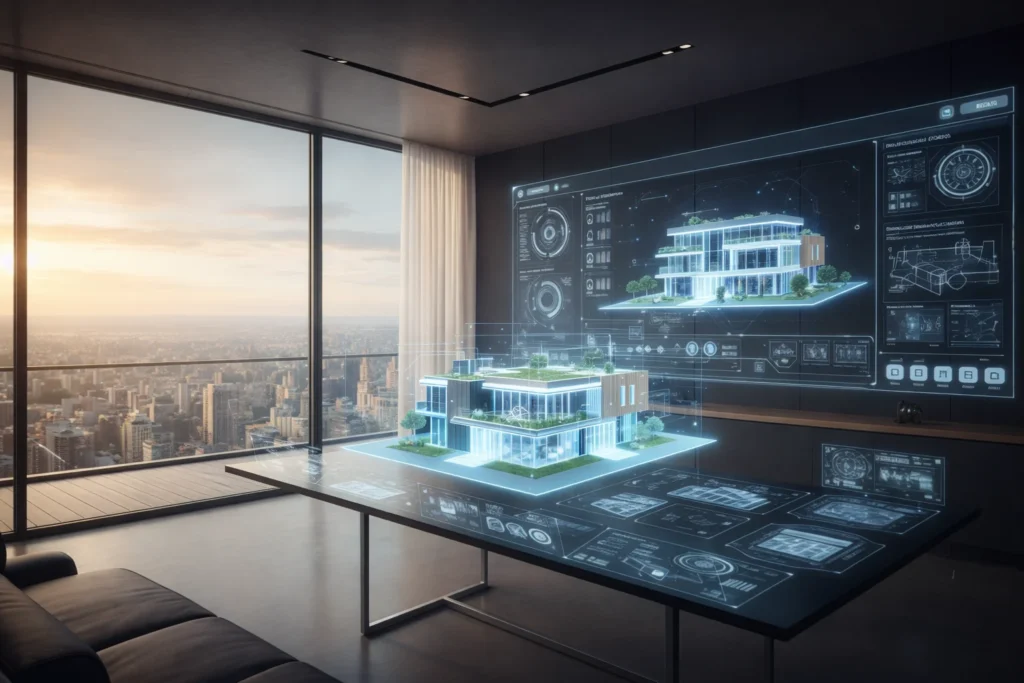
Integrating 3D visualization early in the workflow allows for continuous collaboration between architects, 3D designers, and clients. This ensures that design adjustments are tested virtually before implementation, saving time and reducing costly errors.
Visualization becomes a decision-making tool, enabling informed choices about materials, layouts, and aesthetics while maintaining the project’s overall design integrity.
Conclusion
3D Designers Shape Modern Architecture by combining creativity, technical skill, and visualization expertise. Using realistic 3d architecture design and photorealistic 3d rendering, they make concepts tangible, support client understanding, and enhance project efficiency.
From early sketches to final renders, 3D designers play a crucial role in delivering visuals that are accurate, emotionally engaging, and professionally polished. Their work ensures that modern architectural projects are not just seen but experienced, creating lasting impressions and smoother project execution.