
How 360° Renders & Virtual Tours Boost Property Pre-Sales
Introduction
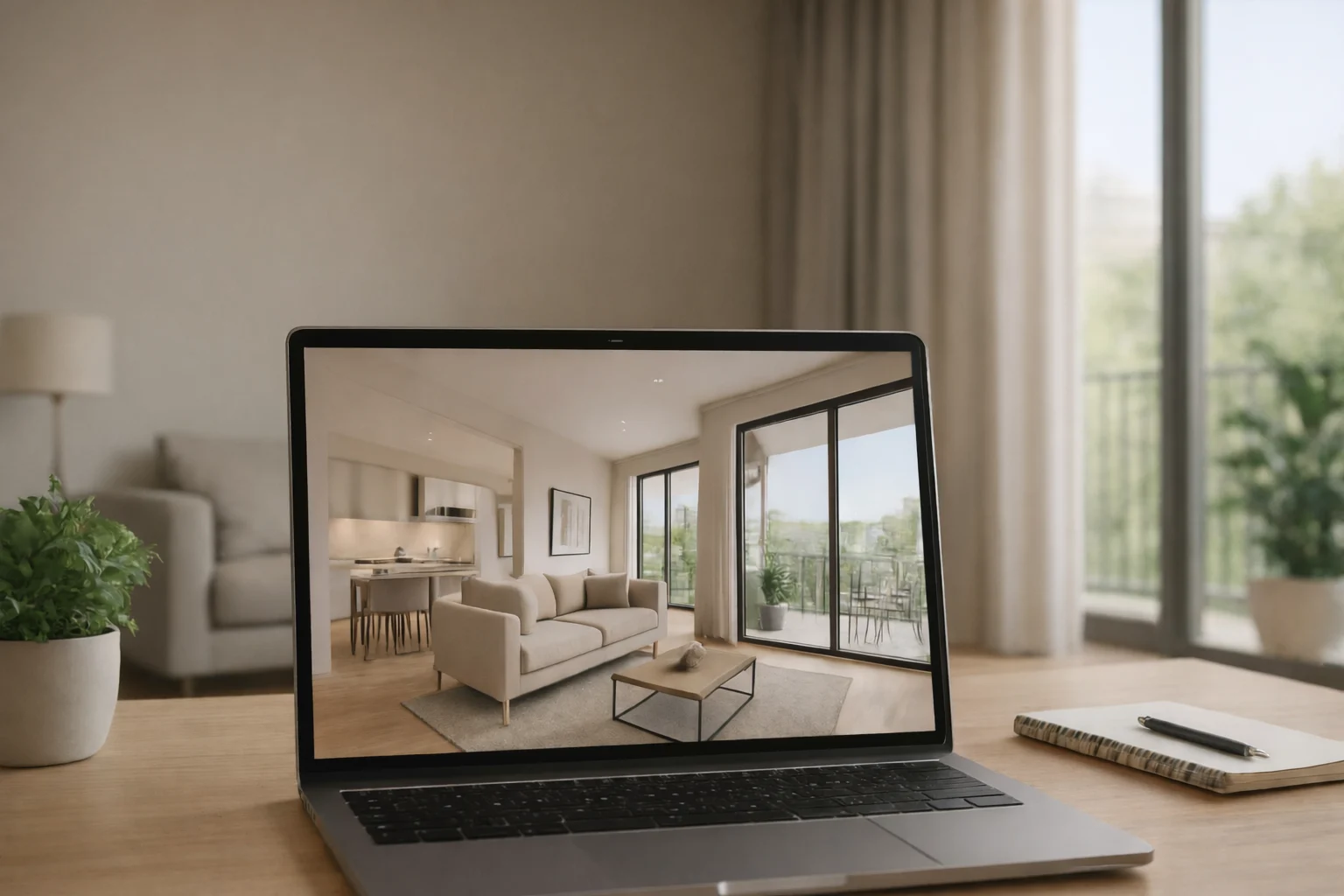
3d home visualization services have become a defining factor in how modern real estate projects achieve faster and more successful pre-sales. In an industry where buyers often commit before construction is completed, clarity and trust play a critical role. Traditional brochures, 2D drawings, and verbal explanations are no longer enough to meet buyer expectations.
With the advancement of architectural rendering and high-quality 3d architectural rendering, developers can now present properties in an immersive, realistic, and emotionally engaging way. These technologies allow buyers to experience a project digitally, helping them understand not just what the property looks like, but how it feels to live in it.
How Property Pre-Sales Have Evolved in the Digital Era
Property pre-sales once relied heavily on physical site visits, scale models, and printed layouts. While these methods provided basic information, they left too much to imagination. Buyers struggled to visualize space, lighting, and flow, which often resulted in hesitation or delayed decisions.
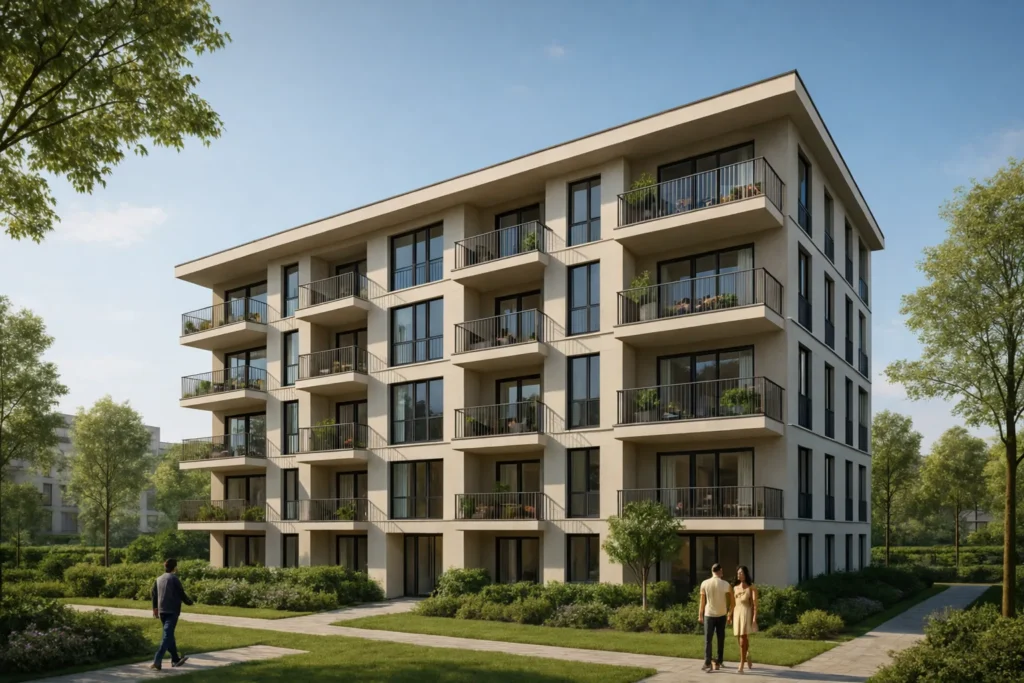
Today, 3d home visualization services have transformed this process. Developers now communicate ideas visually instead of verbally, using realistic architectural rendering to show exact proportions, materials, and spatial relationships. This shift has reduced uncertainty and significantly improved buyer confidence, especially for under-construction and off-plan projects.
Why 3D Home Visualization Services Are Essential Today
Modern buyers conduct most of their research online before speaking to a sales representative. Within seconds, they decide whether a project feels trustworthy and appealing. If the visuals fail to communicate value clearly, interest is lost.
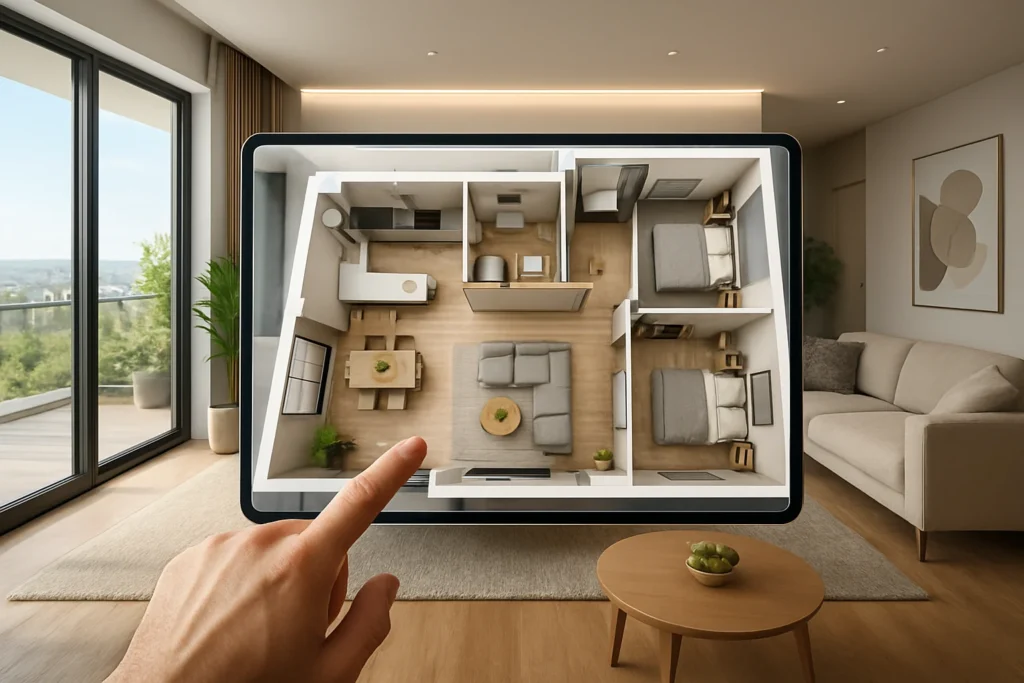
By using 3d home visualization services, developers create instant understanding. Buyers can see how rooms connect, how large the spaces feel, and how natural light moves throughout the home. Supported by accurate 3d architectural rendering, these visuals reduce confusion and keep potential buyers engaged longer across websites, property portals, and digital ads.
Learn more about our 3D Visualization Services
Understanding the Role of 360° Renders and Virtual Tours
360° renders give buyers the ability to explore a space freely by rotating the view in every direction. This creates a strong sense of presence, making the buyer feel as though they are standing inside the property. Virtual tours enhance this experience further by connecting rooms, corridors, balconies, and amenities into a smooth walkthrough.
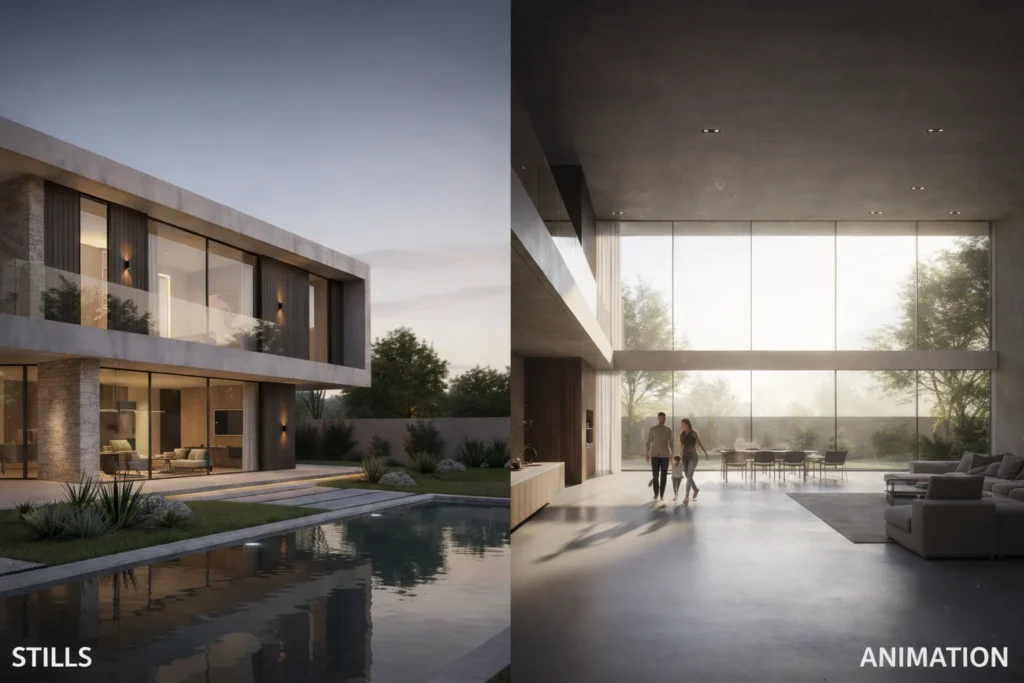
These tools depend heavily on detailed architectural rendering and precise 3d architectural rendering techniques. Every texture, shadow, and lighting condition is carefully designed to match real-world construction possibilities. As a result, buyers gain a realistic preview rather than an exaggerated marketing image.
Building Buyer Trust Through Architectural Rendering
Trust is one of the biggest challenges in property pre-sales. Buyers worry that the final construction may differ from what was promised during the sales stage. This concern is especially strong for large investments and long construction timelines.
Professional architectural rendering addresses this issue by offering visual transparency. When created by experienced designers, these visuals are based on actual drawings, material specifications, and lighting studies. Buyers can clearly see what they are investing in, which reduces skepticism and increases confidence in early bookings.
Industry platforms like ArchDaily highlight how realistic visualization improves buyer trust in off-plan developments.
How Visualization Influences Buyer Psychology
Buying a home is an emotional decision. Beyond layout and pricing, buyers imagine their future lifestyle. 3d home visualization services play a crucial role in shaping this emotional connection.
When buyers see realistic interiors, furnished spaces, and natural lighting, they begin to picture daily life inside the home. This emotional engagement often leads to faster decision-making. Instead of questioning design intent, buyers focus on how soon they can secure the property.
Supporting International and Remote Buyers
Global investment has become common in real estate, especially in luxury residential and commercial projects. However, international and out-of-city buyers cannot always visit the site in person.
With immersive virtual tours powered by 3d architectural rendering, developers can present properties to global audiences without geographical barriers. Buyers can explore every detail from their devices, helping them make informed decisions remotely. This capability has become a major advantage for projects targeting overseas investors.
Reference: Forbes Real Estate
Telling a Complete Property Story Through 3D Rendering Home Experiences
A successful property presentation goes beyond showing individual rooms. Buyers want to understand how the entire space works together. 3d rendering home experiences allow developers to visually narrate this story.
Instead of listing features, developers show how kitchens connect to dining areas, how balconies open to views, and how amenities enhance everyday living. Supported by realistic architectural rendering, this storytelling approach creates a stronger emotional bond and helps buyers remember the project long after viewing it.
Sales and Marketing Advantages for Developers
From a sales perspective, 3d home visualization services simplify communication. Sales teams no longer rely on lengthy explanations or technical drawings. Visuals explain everything clearly and instantly.
Key advantages include:
- Improved engagement across digital platforms
- Higher-quality leads with better understanding
- Reduced need for physical sample units
These advantages allow sales teams to focus on relationship-building rather than repeated explanations.
Cost Efficiency and Faster Pre-Sales Conversions
While visualization requires an initial investment, it often reduces overall marketing and sales costs. One well-produced virtual tour can replace multiple site visits, printed brochures, and physical mock-ups.
Projects that use 3d architectural rendering often experience quicker lead qualification and faster pre-sales momentum. Buyers who understand the project clearly are more likely to commit early, improving cash flow during the construction phase.
The Future of Digital Property Pre-Sales
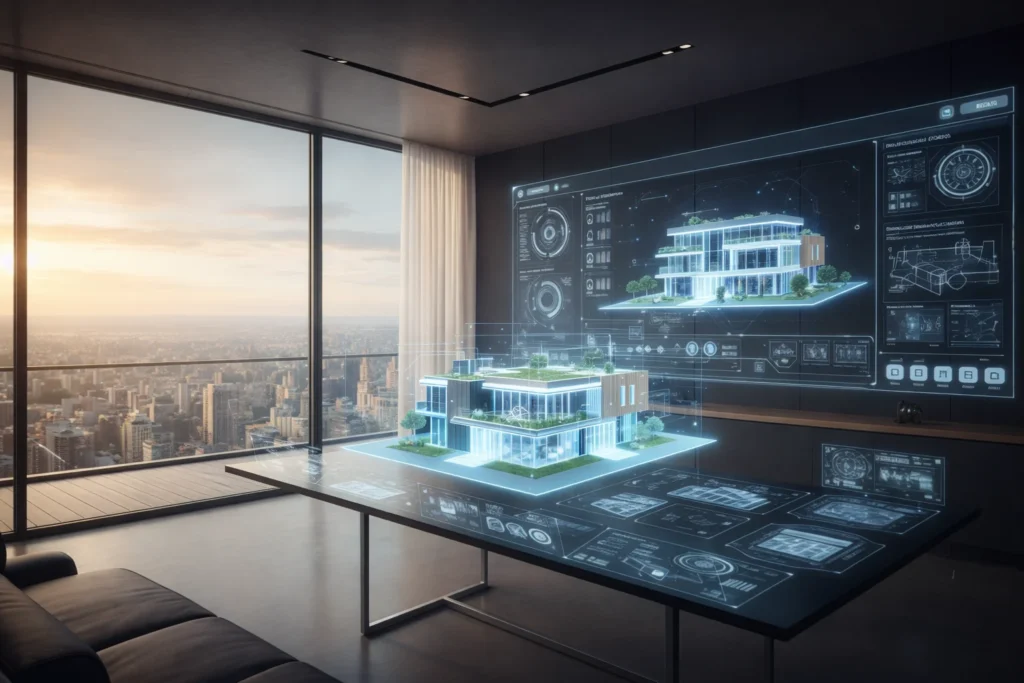
The future of 3d home visualization services is moving toward even greater interactivity. AI-guided walkthroughs, customizable interiors, and VR-based experiences are already emerging in premium projects.
As buyer expectations continue to rise, visual clarity will become the standard rather than a competitive advantage. Developers who invest early in architectural rendering and advanced visualization will position themselves as trustworthy and forward-thinking brands.
Conclusion
3d home visualization services have fundamentally changed how property pre-sales are conducted. By combining immersive 360° renders, virtual tours, and professional architectural rendering, developers offer clarity, transparency, and emotional engagement.
As real estate continues to move toward digital-first decision-making, projects that present themselves visually and honestly will always earn greater trust. Investing in 3d architectural rendering is no longer just a marketing choice—it is a strategic necessity for long-term success.