
Why Builders Prefer 3D Home Visualization Services for Modern Projects
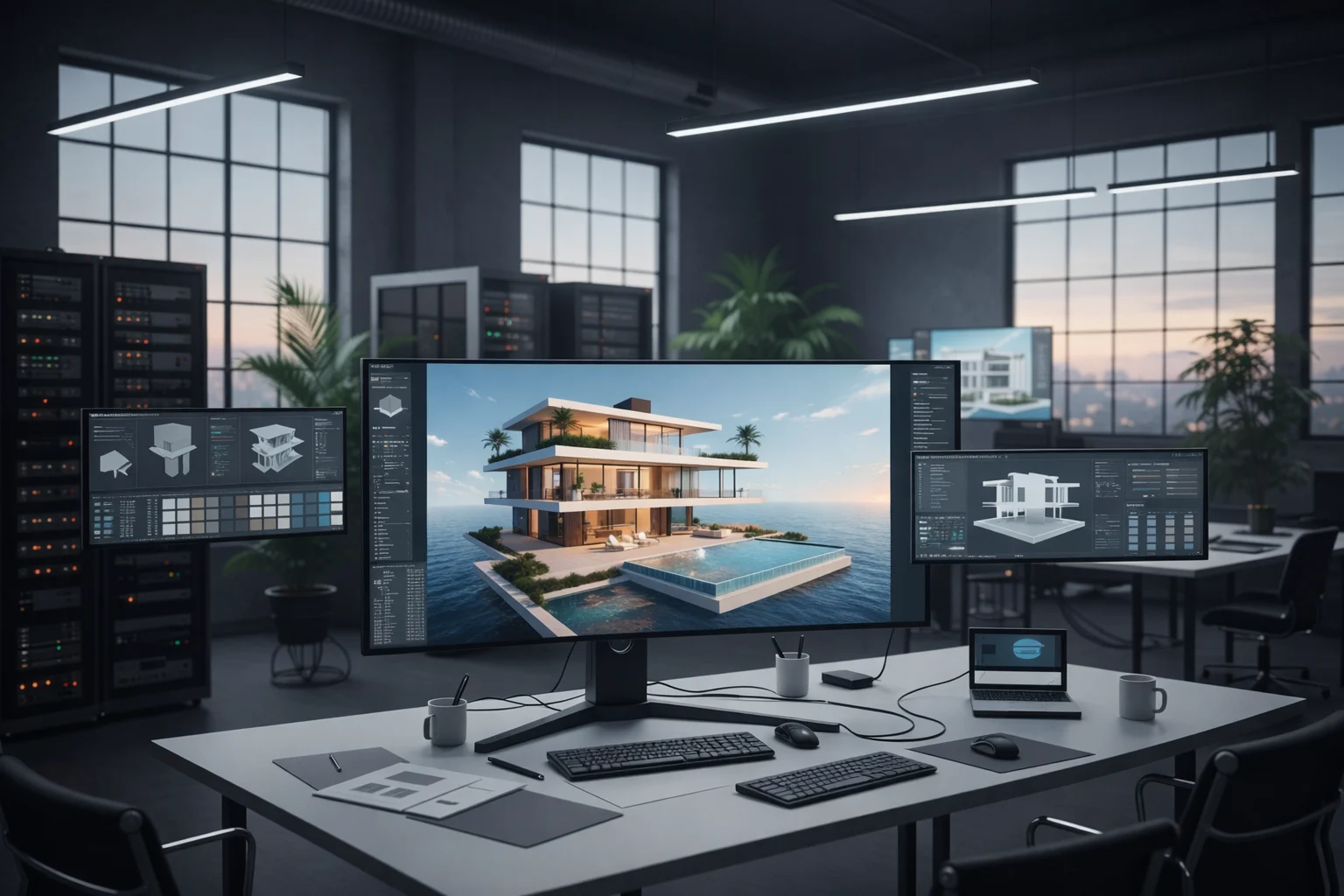
Introduction: Why Builders Prefer 3D Home Visualization Services
3D Home Visualization Services have become an essential part of modern residential construction. Builders today face higher client expectations, tighter timelines, and the need for clear communication at every stage. Traditional 2D drawings often fail to convey space, scale, and material intent, which can lead to confusion and delays.
By working with a professional 3d visualiser, builders can present accurate and visually clear representations of a project before construction begins. This approach improves understanding, reduces risk, and supports confident decision-making across all stakeholders.
Clear Design Communication from Day One
Modern construction projects involve multiple teams, including architects, engineers, contractors, and marketing professionals. When each group interprets drawings differently, misunderstandings are common.
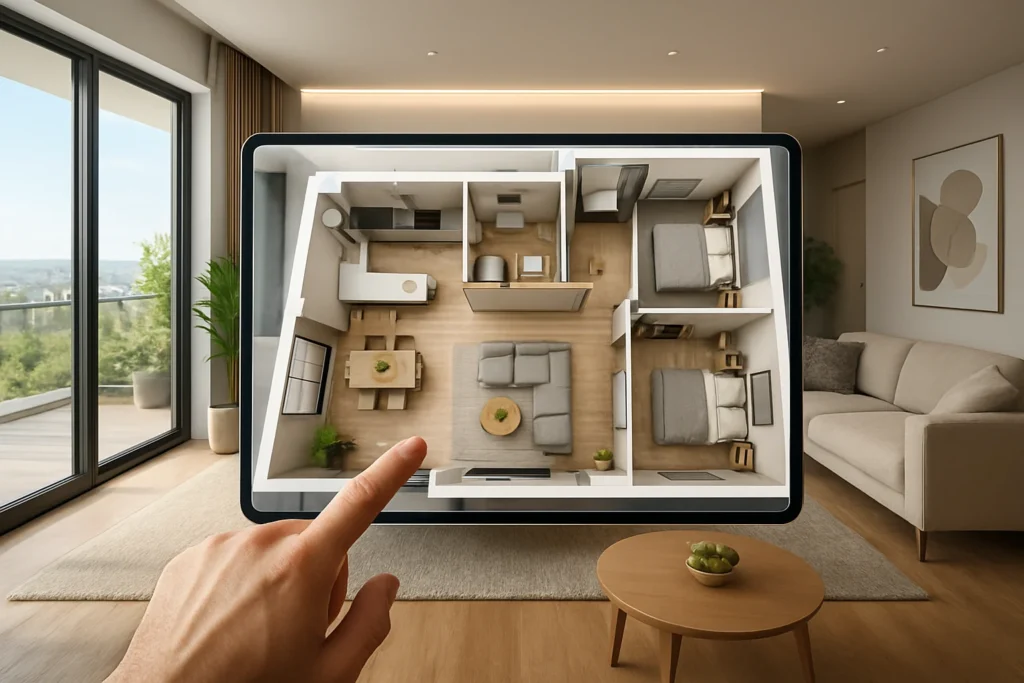
3D Home Visualization Services provide a single visual reference that clearly explains layouts, elevations, materials, and spatial flow. Everyone involved sees the same outcome, which improves coordination and reduces unnecessary revisions. A skilled 3d visualiser ensures that the design intent remains consistent from planning to execution.
How a 3D Visualiser Reduces Costly Errors
Errors during construction often stem from unclear documentation. Incorrect lighting positions, wrong furniture spacing, or misunderstood ceiling designs can lead to rework and material loss.
Photorealistic 3d rendering allows builders to identify and resolve these issues early. Every element, from wall finishes to window sizes, is reviewed visually before execution. Builders often share these visuals with contractors and site teams to avoid guesswork and maintain accuracy on-site.
Emotional Impact Through Photorealistic 3D Rendering
Homebuyers make decisions based on emotion as much as logic. While technical drawings explain structure, visuals create connection.
Photorealistic 3d rendering helps clients imagine how a completed home will feel. Warm lighting, realistic textures, and balanced colors bring spaces to life and encourage faster approvals. Builders frequently use these visuals during pre-launch phases to attract interest and secure early bookings.
Walkthrough Animations That Build Buyer Confidence
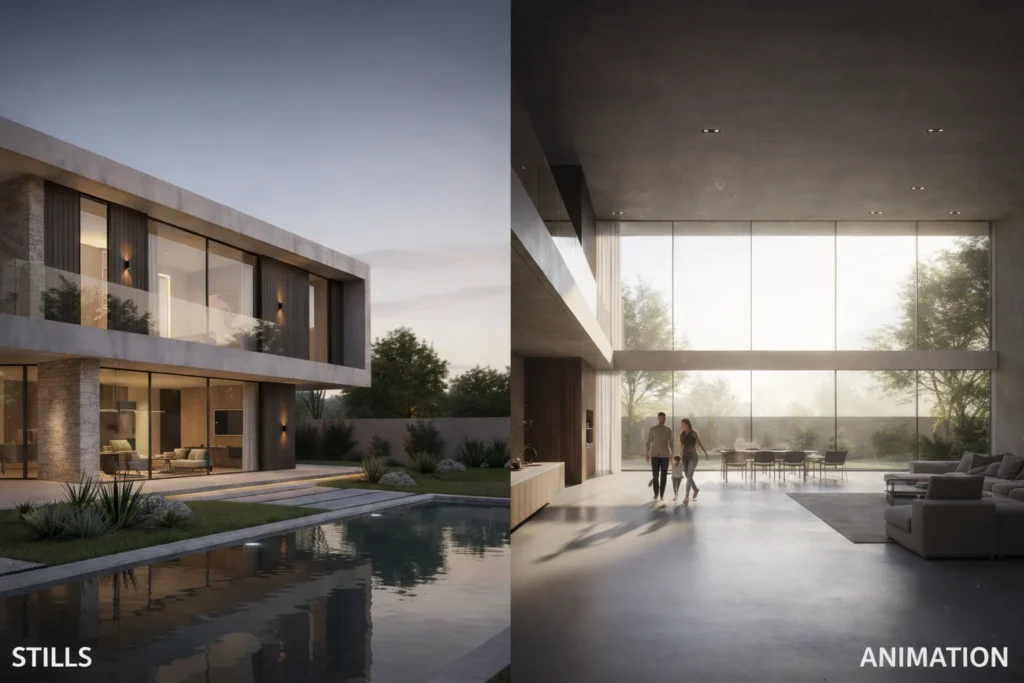
Walkthrough animations provide an immersive way to experience a project before it is built. Instead of viewing static images, clients can move through rooms and understand how spaces connect.
3D Home Visualization Services often include walkthrough animations for sales presentations, exhibitions, and websites. These animations help buyers understand scale and layout, increasing trust in the project and confidence in the builder’s vision.
Faster Design Decisions with Flexible Visualization
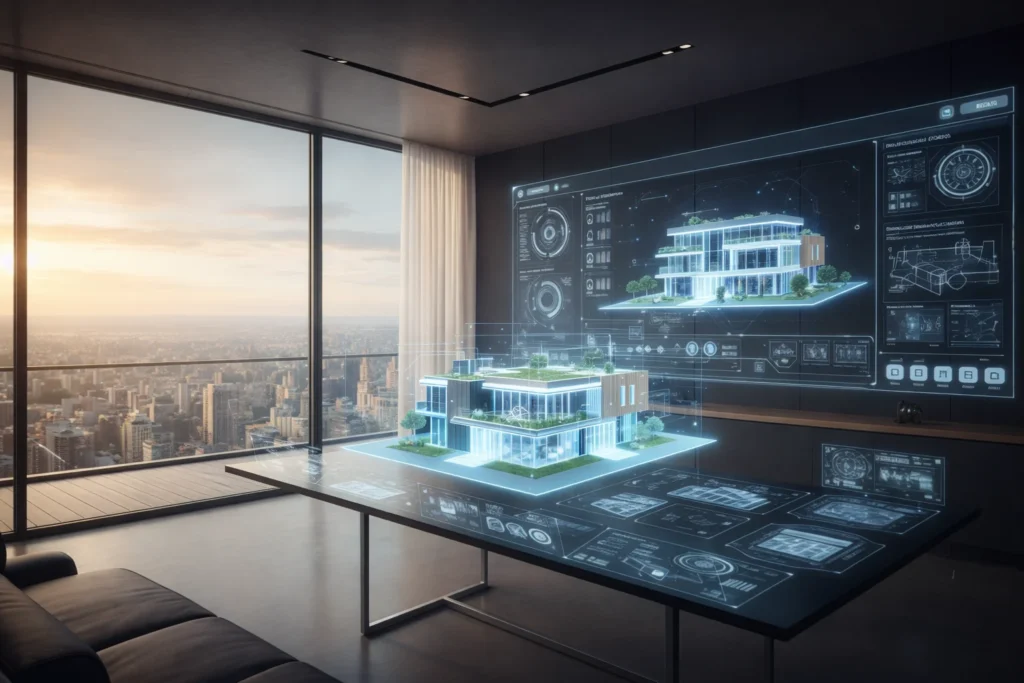
One of the strongest advantages of visualization is flexibility. Builders can test different layouts, materials, lighting styles, and furniture options without physical cost.
A 3d visualiser can quickly update visuals based on feedback, helping clients compare design options clearly. This process speeds up approvals and reduces indecision, especially when offering premium upgrades or alternative finishes.
Stronger Marketing Before Construction Begins
Marketing today starts long before construction is complete. Builders use 3D Home Visualization Services to promote projects during the planning stage itself.
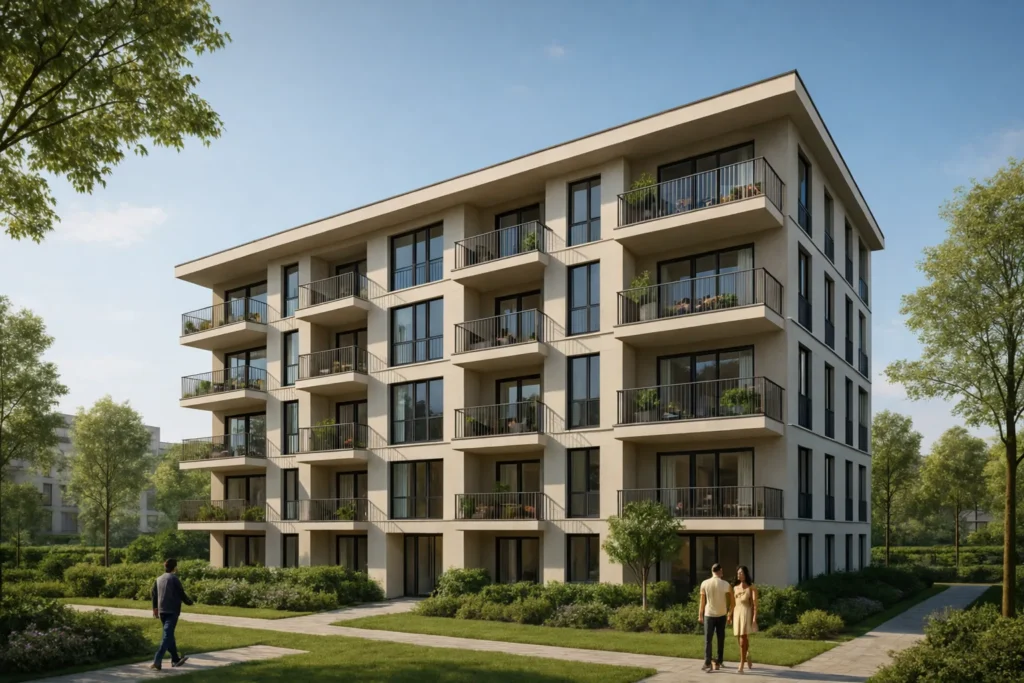
High-quality photorealistic 3d rendering is used across brochures, hoardings, websites, and social media. These visuals create strong first impressions and communicate the project’s theme clearly. Compared to sketches, realistic visuals build trust and attract more serious buyers.
For more insights into how visualization supports real estate marketing, you can refer to industry resources from ArchDaily and Autodesk.
Lighting, Materials, and Realism That Sell Projects
Lighting and material selection play a major role in how buyers perceive a space. Poor lighting can make even well-designed interiors appear dull.
Experienced 3d visualiser teams understand how light interacts with materials and textures. Attention to reflections, shadows, fabric softness, and surface finishes makes visuals feel believable. This level of realism strengthens architectural communication and buyer confidence.
Consistent Communication Across All Stakeholders
Consistency is critical in large residential projects. Architects, interior designers, contractors, and marketing teams must work from the same visual reference.
By using a combination of still images and walkthrough animations, builders maintain consistent communication throughout the project lifecycle. These visuals are also effective when presenting ideas to investors or approval authorities, as they remove the need for technical explanations.
You may also explore our internal guide on architectural rendering workflows to understand how visualization fits into the full project process.
Conclusion
Builders prefer 3D Home Visualization Services because they improve clarity, reduce errors, and strengthen client relationships. A professional 3d visualiser transforms ideas into visuals that are easy to understand, while photorealistic 3d rendering supports better planning, marketing, and execution.
In today’s competitive construction landscape, visualization is no longer optional. It has become a core part of delivering successful residential projects with confidence and precision.