
How 3D Visualization Improves Client Satisfaction
Introduction
3d visualization has become a game-changer in architecture, interior design, and real estate. It allows clients to see a realistic representation of a project before construction begins. Unlike flat drawings or technical blueprints, 3D visualization transforms ideas into immersive visuals that clients can easily understand and interact with. These visuals help clients make confident decisions, reduce misunderstandings, and feel more engaged throughout the design process. By providing clear images of every aspect of a project, 3D visualization ensures that clients feel valued, informed, and satisfied with the final outcome.
If you are looking for professional solutions, explore
3D visualization services
to understand how high-quality renders can improve your project outcomes.
Making Design Concepts Easy to Understand
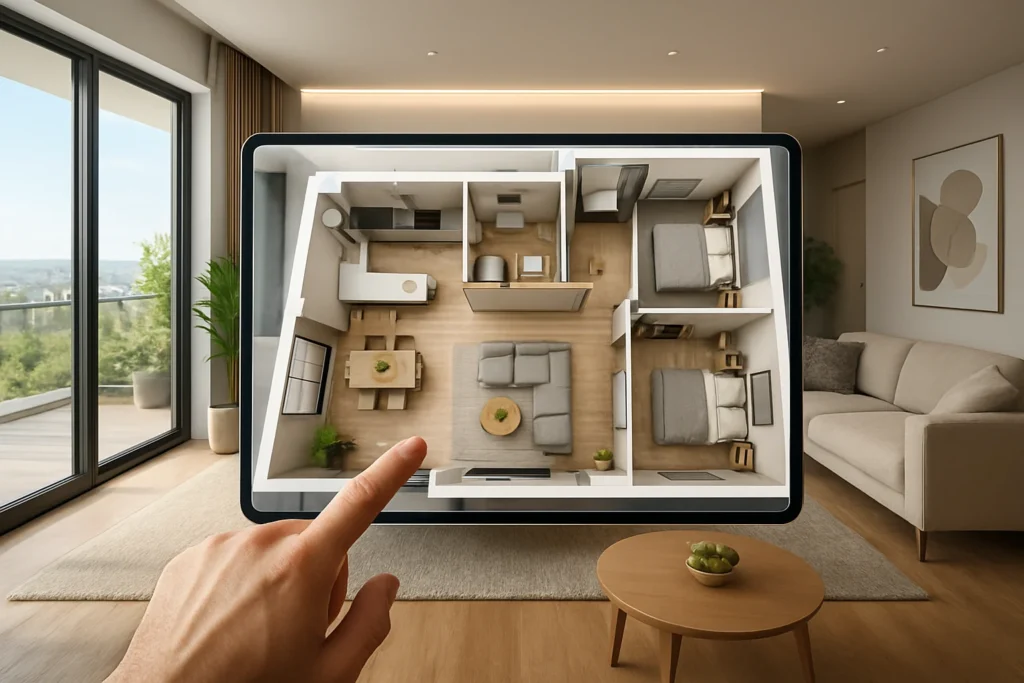
One of the most important ways 3D visualization improves client satisfaction is by making complex design concepts easy to understand. Many clients struggle with interpreting floorplans, elevations, or technical drawings, which can lead to confusion or uncertainty. With 3D visualization, every element of the project is clearly represented, from room layouts to furniture placement, lighting effects, and material textures. Clients can visualize how different elements work together in the space, helping them grasp the design intent without requiring specialized knowledge. This clarity allows clients to make informed decisions confidently and eliminates guesswork.
Reducing Misunderstandings and Errors
Another benefit is that 3D visualization reduces misunderstandings and errors that often arise from misinterpreted drawings. When clients see a realistic image of the project, they understand what to expect and can provide accurate feedback. This prevents costly changes during construction or after approvals, saving both time and money. By aligning expectations early, designers can ensure that the project proceeds smoothly while clients remain satisfied with every stage of the process. Accurate visuals also give clients peace of mind, knowing that the final outcome will match what they saw in the renders.
Helping Clients Make Faster Decisions
3D visualization also helps clients make decisions faster. When clients can see multiple options for furniture, materials, or layouts, they can compare and choose what works best without delay. Interactive walkthroughs allow clients to explore spaces from different angles, helping them evaluate proportions, flow, and functionality. This speed in decision-making benefits both clients and designers by keeping projects on schedule and reducing the number of revisions needed.
Enhancing Collaboration and Feedback
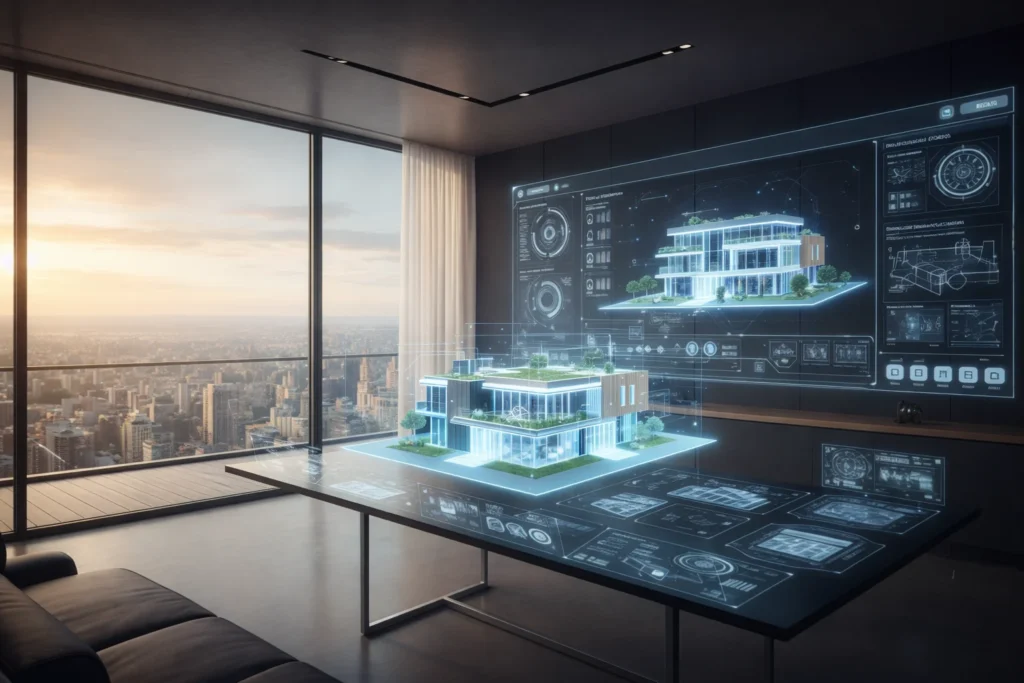
The collaborative aspect of 3D visualization is another reason it enhances client satisfaction. Designers and clients can view visuals together and discuss changes with clarity. Clients can point out specific elements they like or want to adjust, and designers can respond immediately. This shared understanding makes feedback more effective and ensures that the final design reflects the client’s preferences accurately.
Building Trust Through Clear Visuals
Trust is a crucial factor in client satisfaction, and 3D visualization plays a key role in building it. High-quality renders demonstrate professionalism, attention to detail, and technical skill. Clients feel confident when they see accurate previews of their project.
Communicating Ideas to Stakeholders
Additionally, 3D visualization helps clients communicate their ideas and decisions to other stakeholders effectively. You can also explore industry trends on
ArchDaily,
a leading platform for architecture insights.
Setting Realistic Expectations
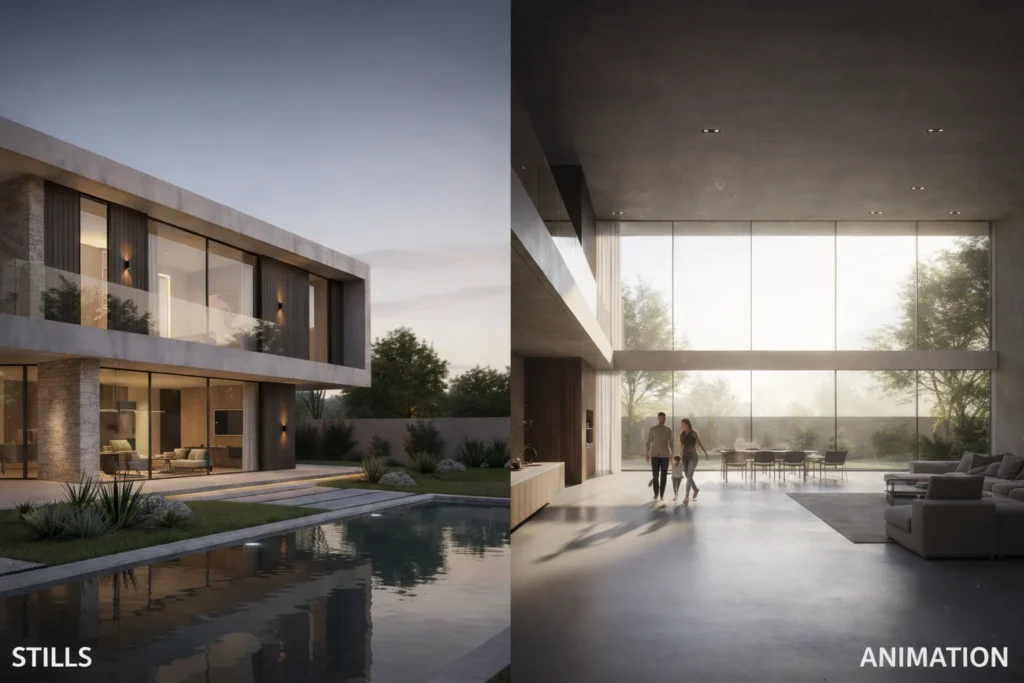
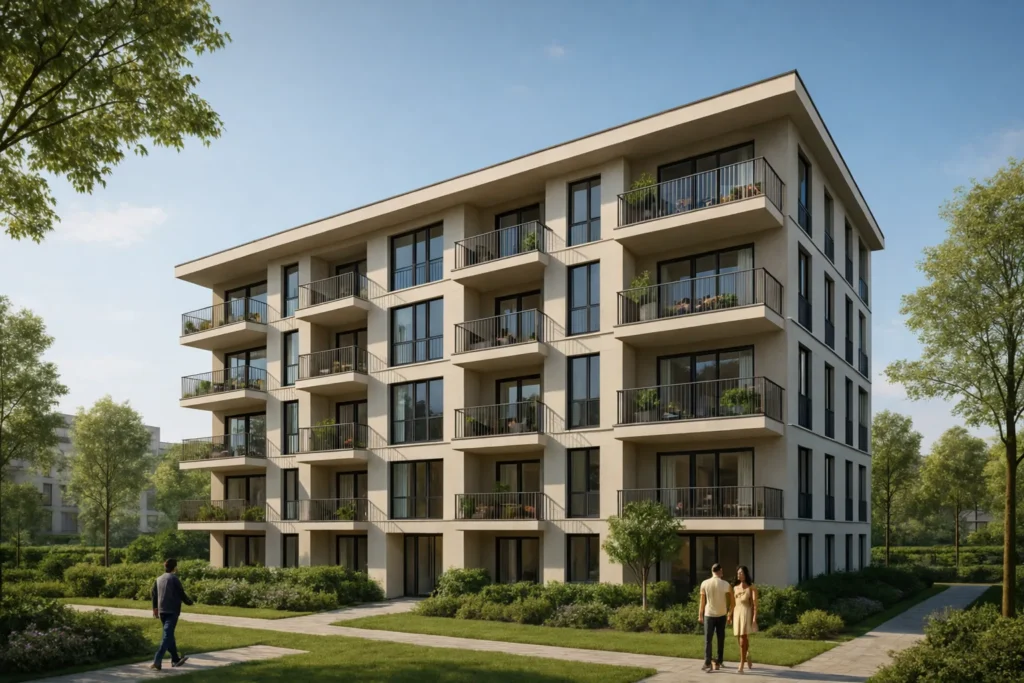
A key advantage of 3D visualization is setting realistic expectations. Clients often worry about whether the completed project will match their vision. By providing photorealistic images or animations, designers can show clients exactly how spaces, materials, and lighting will appear.
Improving Presentations and Marketing
3D visualization also enhances presentations and marketing materials. Realistic images can be used to showcase projects professionally for approvals and promotions.
Fostering Long-Term Client Relationships
High-quality visualization builds trust and long-term relationships, increasing repeat clients and referrals.
Creating Immersive Experiences
Interactive walkthroughs provide a deeper understanding of space, helping clients feel connected and confident in their decisions.
Identifying Potential Issues Early
3D visualization allows early detection of design issues, reducing costly changes during construction.
The Importance of Photorealistic Rendering
High-quality rendering shows accurate lighting, textures, and materials, ensuring clients fully understand the final outcome.
Supporting Planning and Decision-Making
3D visualization helps clients plan layouts and interiors in advance, improving decision-making.
Accessibility and Convenience
Digital models can be shared easily, allowing clients to review designs anytime and from anywhere.
Building Emotional Connection
Seeing designs come to life creates excitement and emotional engagement, improving satisfaction.
Conclusion: Why 3D Visualization Matters
3D visualization improves client satisfaction by simplifying designs, reducing errors, enhancing collaboration, and building trust. To get the best results, consider working with
professional 3D rendering experts
who can bring your ideas to life with precision and creativity.