
Future of Architecture in Mumbai with 3D Visualization

Introduction
3D visualization has become an essential part of modern interior design, especially when planning living rooms. Before construction or renovation begins, homeowners usually want a clear understanding of how their space will look and feel. Instead of relying only on drawings, floor plans, or imagination, designers now use advanced digital tools to create highly realistic interior images through 3D visualization.
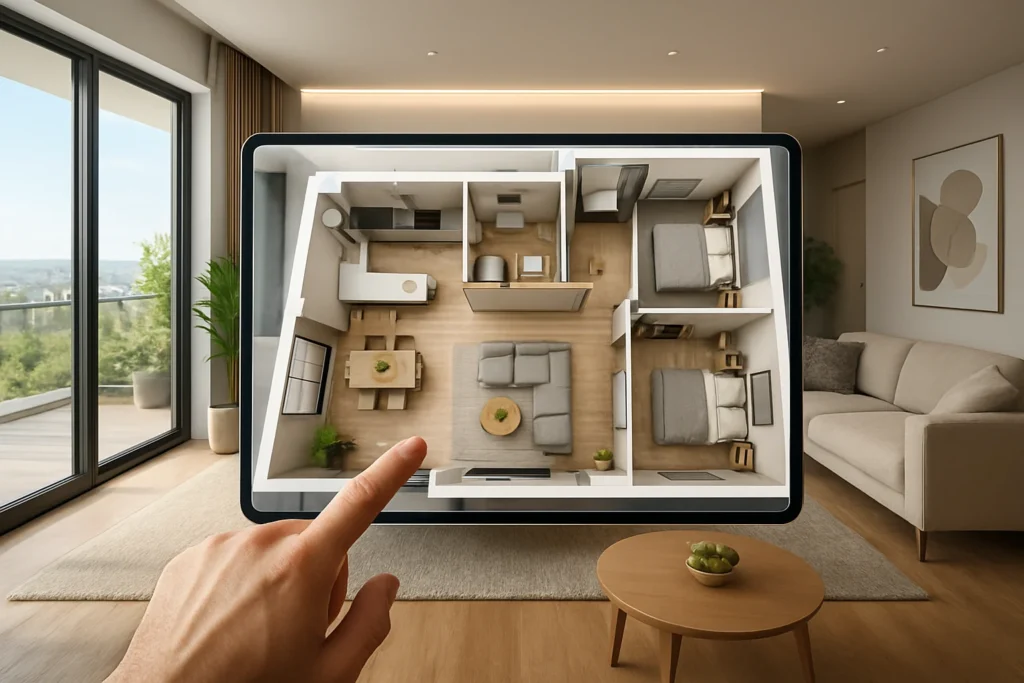
This technology allows designers to convert ideas into visual representations that are easy to understand. Rather than interpreting technical architectural drawings, homeowners can simply look at realistic images that show how furniture, lighting, colours, and materials will appear together inside the room.
A living room is one of the most frequently used spaces in any home. Families relax there, watch television, entertain guests, and spend time together after a busy day. Because this space is used so often, even small design mistakes can negatively affect comfort and functionality. 3D visualization allows designers and homeowners to preview every design element before any physical work begins.
In cities like Mumbai where apartments often have limited space, planning becomes even more important. Smart layouts, furniture placement, and lighting decisions can significantly impact how comfortable the room feels. A professional architectural visualization studio can transform interior design ideas into detailed digital images that help homeowners visualize their future living room.
Instead of guessing whether a sofa will fit or whether a specific wall colour will match the flooring, 3D visualization provides a clear preview of the entire design. This reduces uncertainty and helps homeowners make confident design decisions before spending money on materials or furniture.
Why living rooms are the most important space to plan carefully
The living room is often considered the central space of a home. It is usually the first room visitors see when entering a house, and it often represents the overall style and personality of the homeowners. Because of this, planning the design of a living room requires careful attention to detail.
A well-designed living room should balance comfort, aesthetics, and functionality. The layout must allow easy movement while still creating a welcoming and relaxing environment. Furniture placement, lighting, wall colours, textures, and décor all play an important role in shaping the atmosphere of the space.
The role of layout, furniture placement, and lighting
A good layout ensures that the living room remains practical and comfortable. Furniture should be arranged in a way that encourages conversation and relaxation while still leaving enough space for people to move freely.
Through 3D visualization, interior designers can experiment with different furniture arrangements before selecting the final design. For example, a designer may test several options such as placing a sectional sofa along one wall, positioning two couches facing each other, or adding accent chairs to create a balanced seating arrangement.
Lighting also plays a crucial role in defining the mood of a living room. Natural daylight during the day and warm artificial lighting in the evening create very different atmospheres. With 3D visualization tools, designers can simulate different lighting conditions and show how the room will appear at different times of the day.
Common design mistakes that visual planning can prevent
Many interior design problems occur because homeowners cannot fully visualize the final result before construction or furniture purchases. When decisions are made without proper visual planning, it can lead to costly mistakes.
Some common design mistakes include:
- Choosing furniture that is too large for the available space
- Selecting colour combinations that clash with each other
- Poor lighting placement that creates dark areas
- Blocking natural light sources with furniture
- Leaving insufficient walking space between furniture pieces
By using 3D visualization during the planning phase, designers can identify these issues early and make adjustments digitally before any physical work begins.
What a 3D architectural visualization studio actually does
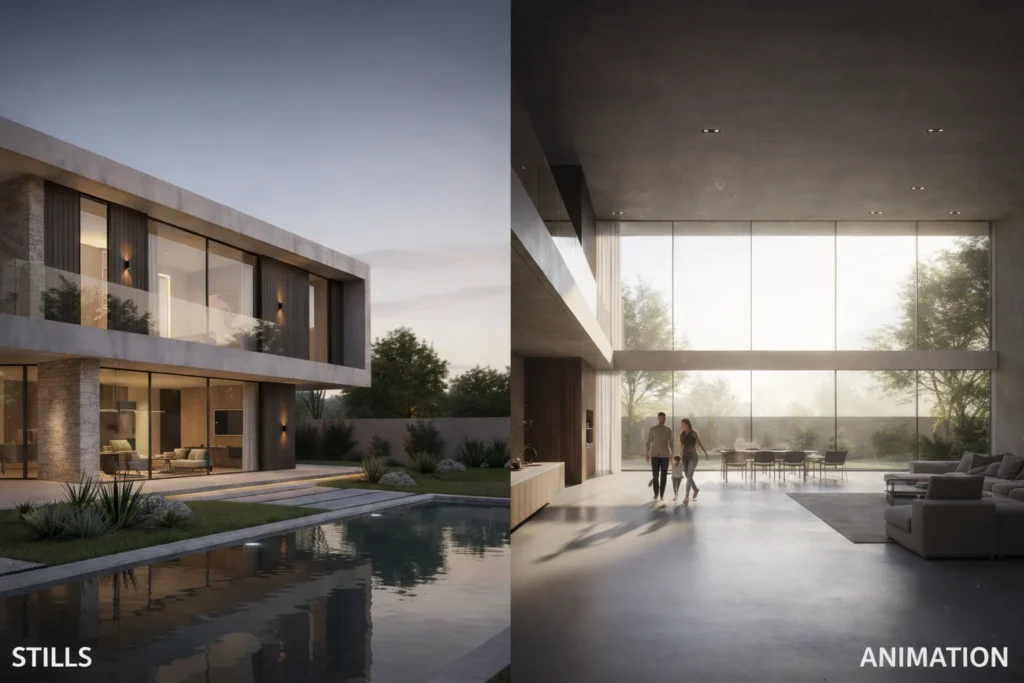
A professional architectural visualization studio specializes in creating realistic digital images and animations of buildings and interior spaces. These visuals help architects, interior designers, property developers, and homeowners understand exactly how a design will look once construction is completed.
Using specialized software and rendering techniques, artists build detailed digital models that include accurate lighting, textures, materials, furniture, and décor elements.
Interior rendering and photorealistic images explained
Interior rendering involves producing highly detailed images that represent the final interior space. These images are often referred to as photorealistic renders because they look almost identical to real photographs.
Through 3D visualization, designers can present multiple versions of a living room design. For example:
- A modern living room with neutral tones and clean lines
- A luxury design featuring marble surfaces and elegant lighting
- A minimalist style with simple furniture and uncluttered layouts
This flexibility allows homeowners to compare different styles and choose the one that best fits their preferences.
Virtual walkthroughs and animated interior previews
Many architectural visualization studios also create animated walkthroughs. These allow clients to move through the digital space virtually, just like walking inside the completed living room.
With 3D visualization, clients can explore the room from different viewpoints, observe furniture placement, and understand the overall spatial flow. This immersive experience provides a much clearer understanding compared to static drawings or simple floor plans.
Real benefits of using 3D visualization for living room projects
Interior designers and homeowners increasingly rely on 3D visualization because it offers many practical advantages during the planning stage of a project.
Seeing the final living room before construction begins
One of the biggest advantages of using 3D visualization is the ability to see the completed design before construction begins. Instead of imagining how the final space might look, clients can review realistic images that show every design element clearly.
This helps homeowners feel confident about their design choices and reduces uncertainty throughout the project.
Trying different furniture layouts and décor ideas
Another major benefit is flexibility. Designers can easily adjust furniture placement, colours, materials, and décor elements inside the digital model.
For example, homeowners might compare:
- A sectional sofa versus two smaller couches
- Wood flooring versus marble flooring
- Neutral wall colours versus bold accent walls
Through 3D visualization, these variations can be explored quickly without purchasing physical materials.
Understanding materials, textures, and colour combinations
Material selection is one of the most challenging parts of interior design. A colour that appears attractive on a small sample may look completely different when applied to a large wall.
Using 3D visualization, designers can realistically represent materials such as wood, glass, fabric, marble, and stone. This allows homeowners to see how textures and colours interact with lighting and surrounding décor.
Clear communication between designers and clients
Miscommunication is one of the most common issues in design projects. Clients may imagine something different from what the designer intended.
3D visualization solves this problem by providing clear visual references that both parties can review together.
How interior designers in Mumbai use rendering studios
Interior designers in Mumbai frequently collaborate with specialized rendering studios to create professional visuals for their projects.
These studios provide high-quality renders that designers can present to homeowners, real estate developers, and project stakeholders.
Collaboration between architects and designers
Large interior projects often involve multiple professionals including architects, interior designers, lighting experts, and contractors. 3D visualization acts as a shared visual reference that helps everyone stay aligned with the design concept.
Faster feedback and decision making
When clients review visual renders, they can provide feedback quickly. Designers can update the digital model and present revised images without starting the design process again.
Why property developers rely on architectural renders
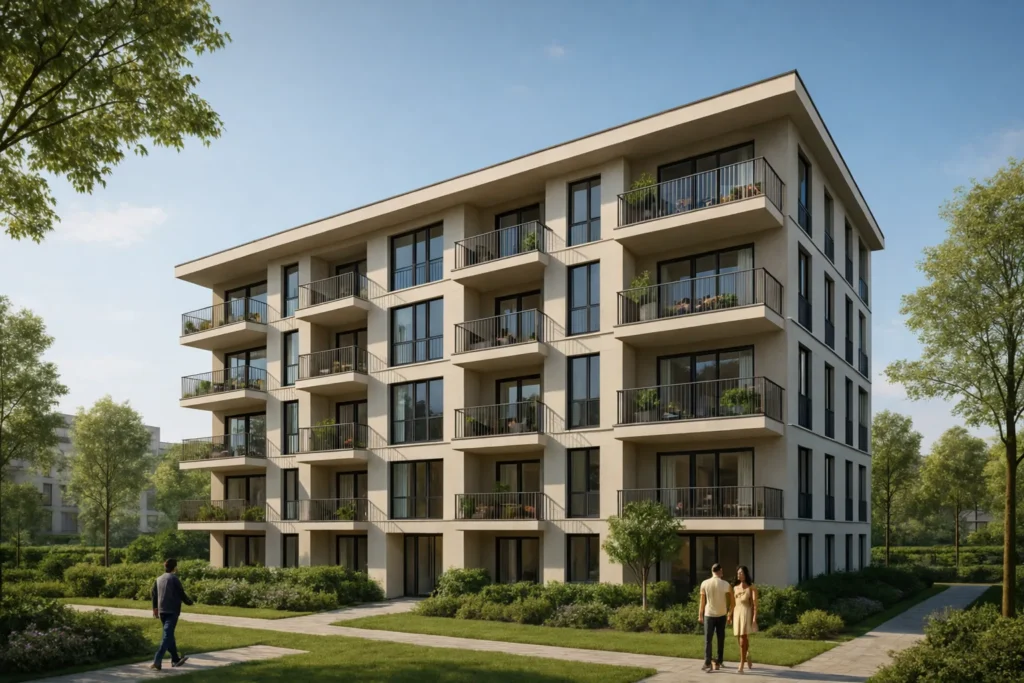
Real estate developers frequently use architectural renders to showcase projects before construction is completed.
Presenting living room concepts to buyers
Buyers find it much easier to understand property designs when they see realistic interior images instead of technical floor plans.
Real estate marketing and project promotion
Developers often use 3D visualization images in brochures, websites, and advertising campaigns. These visuals help potential buyers imagine themselves living in the space.
To explore more architectural visualization projects and trends, visit
ArchDaily.
Future trends in interior visualization
Technology continues to evolve, and the future of interior visualization looks promising.
Virtual reality experiences
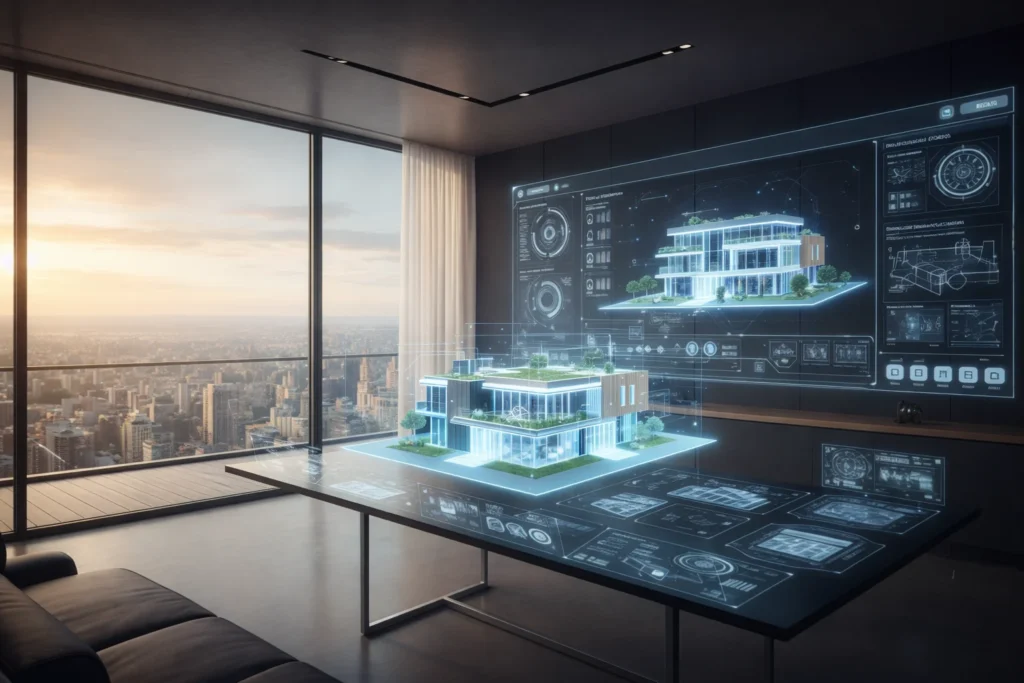
Virtual reality allows homeowners to step inside a fully immersive digital environment. This technology provides a much deeper understanding of space and design.
Real-time design adjustments
Modern tools allow designers to change colours, furniture, and materials instantly while clients watch the changes in real time.
You can also explore visualization technology insights on
CGArchitect.
Conclusion
Designing a living room involves many decisions including layout, furniture placement, lighting design, and material selection. Without proper visualization, it can be difficult for homeowners to imagine how all these elements will come together.
3D visualization helps solve this problem by providing clear and realistic previews of the final interior. It allows homeowners to experiment with ideas, compare styles, and make confident design choices before construction begins.
For homeowners and designers in Mumbai, working with a professional architectural visualization studio can make the interior planning process much smoother and more efficient.