
Challenges Faced by 3D Visualization Service Providers
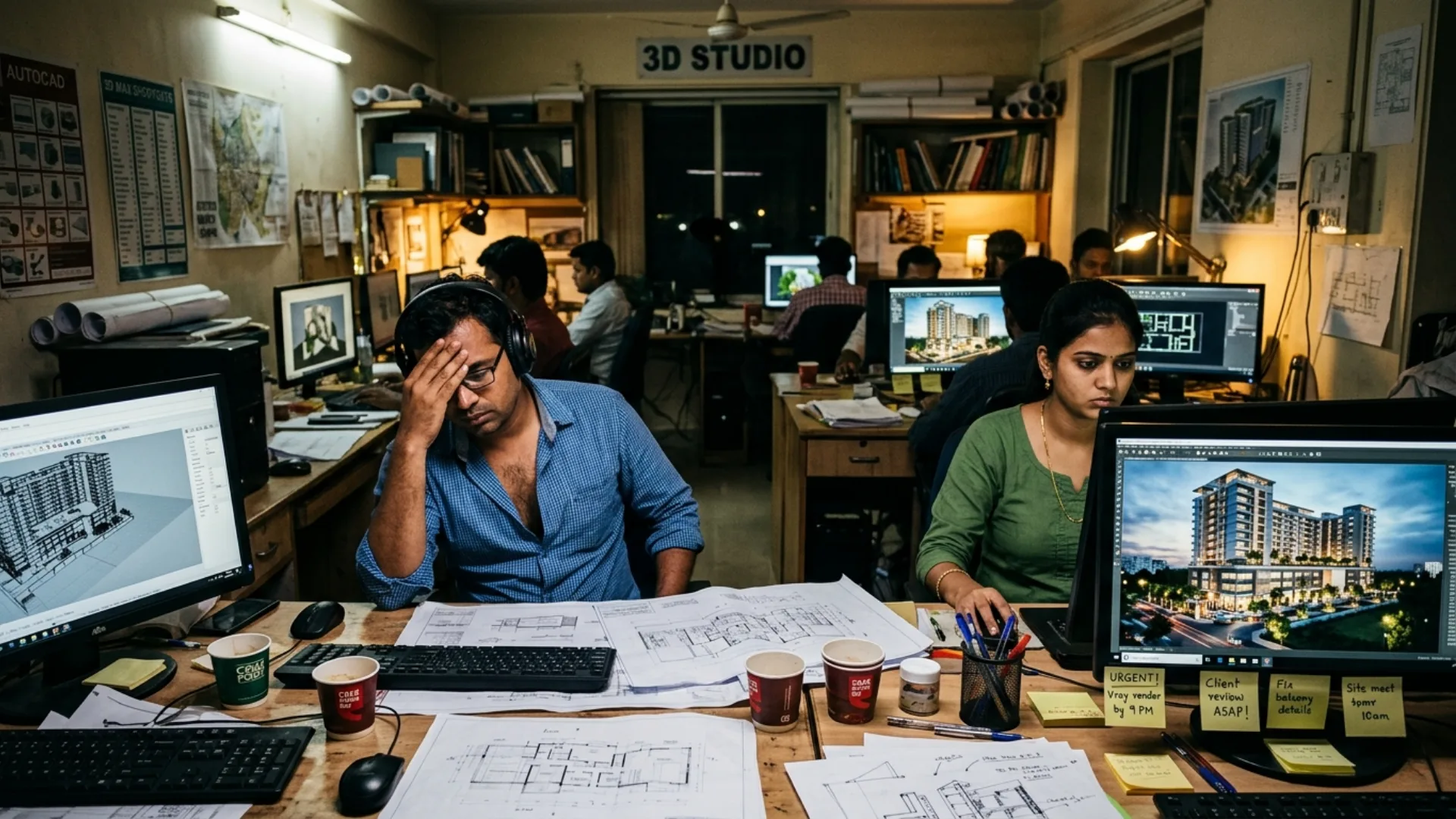
Introduction: Understanding the Challenges in 3D Visualization
3d visualization has become an essential tool in architecture, interior design, real estate, and media production, allowing clients to see lifelike representations of projects before they are built or implemented. However, providing high-quality 3d visualization services is not without its challenges. Service providers face a variety of obstacles ranging from technological constraints to client expectations, and understanding these challenges is key to delivering consistent results. In a competitive industry where detail, accuracy, and timeliness are critical, studios must navigate numerous hurdles to meet both client satisfaction and professional standards.
Keeping Up With Rapid Technology Changes
One of the most pressing challenges for 3d visualization service providers is keeping up with rapid technology changes. Software used for modeling, rendering, and animation evolves constantly, and staying up to date with the latest tools is essential for delivering top-quality work. Frequent updates to rendering engines, modeling software, and plugins require artists to continuously learn new techniques and workflows. Studios that fail to adapt risk producing visuals that appear outdated or less realistic compared to competitors. Moreover, the adoption of new technologies often comes with a learning curve, which can temporarily slow down production timelines and affect project efficiency.
Balancing Quality with Efficiency
Balancing quality with efficiency is another significant challenge. Clients increasingly expect photorealistic visuals delivered within tight timelines, but achieving high levels of realism requires considerable time and attention to detail. Each material, lighting setup, and texture must be carefully crafted to reflect real-world conditions. At the same time, service providers must adhere to deadlines and budget constraints, which can sometimes create pressure to cut corners. Striking a balance between speed and quality is a constant challenge for 3d visualization studios, as clients rarely appreciate the complexity behind creating lifelike images.
Managing Client Expectations
Managing client expectations is closely linked to the challenge of balancing quality and efficiency. Clients often have a vision in mind but may not understand the technical limitations involved in 3d visualization. For instance, they may expect certain effects, textures, or lighting to appear perfect in a short amount of time without realizing the effort required. Miscommunication about the scope of work or misunderstanding what can realistically be achieved may lead to revisions and dissatisfaction. Service providers must communicate clearly from the outset, explaining what can be accomplished and setting realistic expectations for timelines and output quality.
Overcoming Technical Challenges
Technical challenges are inherent to delivering accurate and lifelike visuals. Achieving realistic textures, lighting, and material representation requires advanced knowledge and meticulous attention to detail. Handling large, complex scenes with high polygon counts or multiple textures can strain hardware resources and extend rendering times. In addition, producing visuals that maintain consistency across different platforms or devices can present additional difficulties. 3d visualization companies must invest not only in skilled artists but also in capable hardware and optimized workflows to overcome these technical hurdles effectively.
Collaborating With Design Teams
Collaboration with architects, designers, and engineers presents another layer of complexity. 3d visualization is rarely a standalone service; it requires accurate input from other professionals to ensure that the visualizations reflect the intended design. Incomplete or unclear briefs can slow down production, and changes in design midway through a project can lead to additional work and revisions. Maintaining alignment with evolving design plans while keeping visuals consistent requires effective communication and flexibility. Without strong collaboration, even highly skilled artists may produce renderings that do not accurately represent the intended design.
Managing Hardware and Software Costs
Hardware and software costs are another challenge that service providers face. Creating high-quality 3d visualization requires powerful computers capable of handling large datasets and complex rendering tasks. In addition, many software tools are subscription-based, adding to the operational costs of studios. Cloud rendering services can help with heavy workloads but also incur additional expenses. For smaller studios or freelance providers, these costs can limit the ability to take on multiple projects or compete with larger firms, creating pressure to manage resources carefully without compromising quality.
Addressing Scalability Issues
Scalability issues also affect growing studios. When multiple large projects arrive simultaneously, allocating resources effectively becomes challenging. Hiring and training additional artists takes time, and distributing workloads without affecting quality can be difficult. Studios that cannot scale efficiently risk missing deadlines or delivering substandard work, which can harm their reputation. Developing processes that allow for smooth scaling while maintaining visual quality is essential for sustaining growth and meeting client demands.
Maintaining Consistency Across Projects
Maintaining quality and consistency across projects is an ongoing concern for 3d visualization providers. Different artists may have varying levels of skill and personal styles, making it difficult to ensure that every project meets the same standard. Regular quality checks, feedback loops, and adherence to style guides are critical to producing consistent outputs. Inconsistent visuals can erode client confidence and make a studio appear unprofessional, even if the technical skill behind the work is strong.
Navigating Competition and Pricing Pressures
Competition and pricing pressures also create challenges in the industry. Many 3d visualization providers offer similar services, which can lead to a race to the bottom in pricing. Competing solely on cost often undermines the value of high-quality work and can make it difficult for studios to sustain operations while maintaining standards. Providers must find ways to differentiate themselves through unique styles, specialized expertise, or exceptional service. Clients increasingly look beyond price alone, seeking studios that can deliver accuracy, creativity, and reliability.
Training and Education for Teams
Education and training are integral to addressing these challenges. Technology evolves rapidly, and staying ahead requires continuous learning. Service providers must invest in training programs for their teams to ensure that artists remain skilled and capable of producing realistic visuals. Onboarding new hires effectively, offering mentorship, and keeping everyone up to date with industry best practices can prevent knowledge gaps that might compromise project quality. A culture of ongoing education strengthens both the skill set of the team and the overall reliability of the studio.
Leveraging Opportunities Amid Challenges
Despite these challenges, 3d visualization service providers have opportunities to adapt and thrive. By implementing efficient workflows, investing in the right tools, and fostering strong collaboration with clients and design teams, studios can overcome most obstacles. Clear communication, realistic timelines, and transparent explanations of what is feasible help manage expectations and build long-term client trust. Studios that embrace flexibility, continuously improve their skills, and maintain high standards of quality can navigate industry challenges successfully and establish themselves as reliable partners in design and visualization.
The Importance of Realistic Outputs
Clients today increasingly value the accuracy and realism of 3d visualization outputs. Providing visuals that are immersive and true to life helps them make informed decisions and builds confidence in the design. This is especially important in architecture, interior design, and real estate, where visual perception directly influences investment decisions. By understanding the common challenges in 3d visualization, studios can anticipate potential pitfalls, reduce errors, and consistently deliver high-quality results. This proactive approach not only improves client satisfaction but also enhances the reputation and competitiveness of the studio.
Handling Large-Scale Projects
Managing large-scale projects is another area where 3d visualization providers encounter difficulties. Complex architectural models, detailed interiors, and extensive product designs all demand considerable computing power and careful planning. Rendering high-resolution images or animations can take hours or even days, depending on the scene complexity. Studios must manage workloads efficiently to ensure that projects are delivered on time without sacrificing quality. Prioritizing tasks, optimizing scenes, and leveraging cloud rendering resources are common strategies to address these challenges while maintaining client satisfaction.
Ensuring Accuracy in Client Vision
Another common obstacle is ensuring that the final visuals match client expectations in style and accuracy. Clients may request specific looks or reference styles, and translating these preferences into a realistic 3d visualization requires both artistic skill and technical expertise. Misinterpretation of references or misalignment with client expectations can lead to revisions, additional costs, and delays. Regular feedback and iterative updates help prevent misunderstandings, ensuring that the final visualization reflects both the client’s vision and the studio’s professional standards.
Adapting to VR and AR Trends
The evolving demand for virtual reality and augmented reality experiences adds another layer of complexity. Clients increasingly expect immersive experiences beyond static images, and adapting 3d visualization outputs for interactive platforms requires specialized knowledge. This includes understanding real-time rendering, optimization for different devices, and integration with VR or AR environments. Keeping pace with these emerging trends can be challenging, but studios that adapt can offer innovative solutions that set them apart from competitors.
Balancing Creativity and Client Direction
Finally, maintaining a balance between creative freedom and client direction is a recurring challenge. Artists need space to apply their skills creatively, but client input and project specifications must be respected. Negotiating this balance requires strong communication, clear agreements, and a collaborative mindset. Studios that handle this effectively produce visuals that are both technically accurate and visually compelling, ensuring client satisfaction and fostering ongoing trust.
Conclusion: Overcoming Challenges to Deliver Excellence
In conclusion, 3d visualization service providers face a range of challenges that test their technical skill, creativity, and project management abilities. Rapid technological changes, balancing quality with efficiency, managing client expectations, technical and hardware constraints, scalability issues, and competition all influence the delivery of high-quality visualizations. However, studios that invest in training, maintain clear communication, and adopt effective workflows can navigate these challenges successfully. By understanding the hurdles inherent in the industry and addressing them proactively, 3d visualization providers can continue to deliver realistic, compelling visuals that build client confidence and strengthen their reputation in a competitive market. Recognizing these challenges is not just about solving problems—it’s about growing, adapting, and providing value that keeps clients coming back.
Learn more from
Autodesk and explore insights on
CGarchitect.