
Common Mistakes to Avoid When Hiring a 3D Visualizer

Introduction
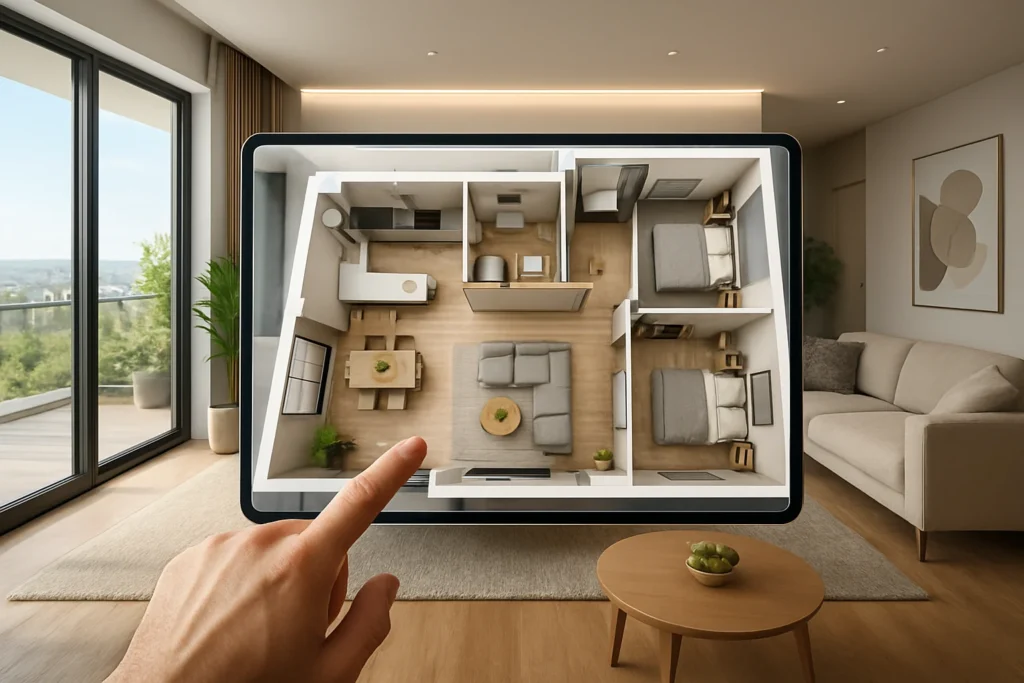
3d visualizer plays a vital role in turning design concepts into lifelike, realistic images. Whether it’s a residential home, office building, or commercial project, hiring the right professional ensures that your ideas are represented accurately and compellingly. A 3D visualizer takes sketches, 2D drawings, and conceptual ideas and transforms them into photorealistic renders, walkthroughs, or animations that help clients, architects, and stakeholders visualize a project fully before construction begins. This process not only aids in understanding but also prevents costly mistakes during construction or renovation. However, many clients make common mistakes when hiring a 3D visualizer, which can impact quality, timelines, and project satisfaction. Knowing these pitfalls and how to avoid them is key to a smooth, successful collaboration.
Defining Project Needs Clearly
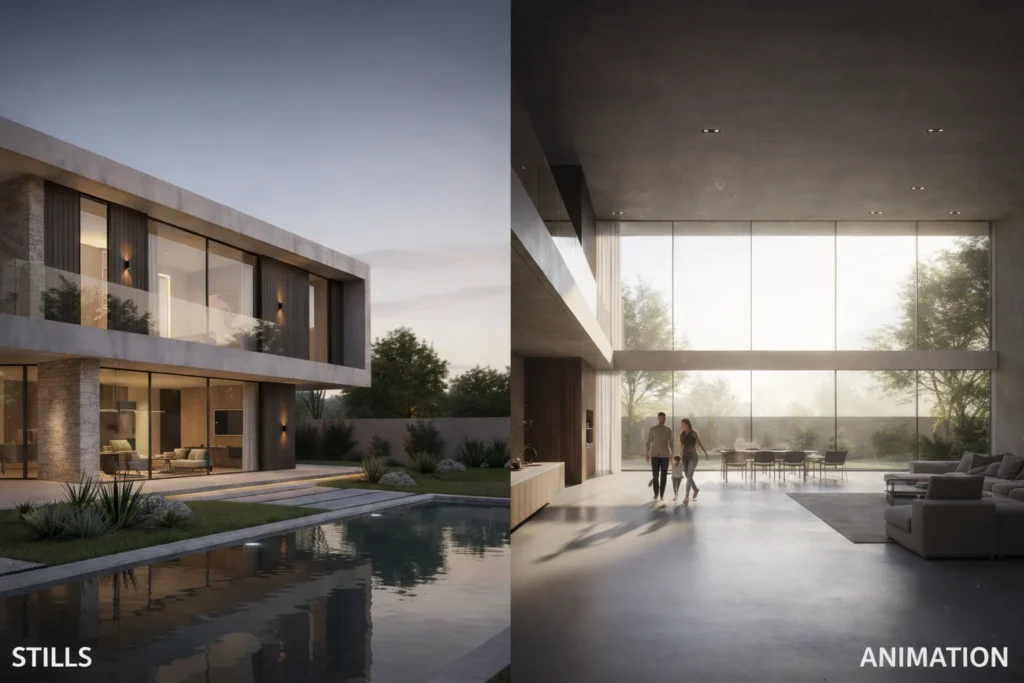
One of the most frequent mistakes is not clearly defining project needs before hiring. It’s not enough to simply ask for renders; you need a detailed project brief that includes scope, style preferences, material choices, color palettes, and the intended use of the final visuals. Without this clarity, even the most skilled 3D visualizer may misinterpret your expectations, leading to unnecessary revisions and delays. For instance, some clients may require interior renders, others need exterior visualizations, while some may want animations or interactive walkthroughs. Clearly outlining these requirements ensures that the visualizer can plan effectively and deliver results that align with your goals.
Avoiding Decisions Based Solely on Price
Another common error is focusing solely on price rather than the value of the service. While budget is an important consideration, selecting the cheapest option can compromise quality. High-quality 3D visualization requires expertise, time, and advanced software tools. Opting for low-cost services often results in less realistic renders, poor lighting, and missing details. A better approach is to balance cost with quality. Reviewing portfolios, asking for references, and understanding the complexity of past projects will help you determine whether a visualizer offers the right combination of skill and value.
Reviewing the Portfolio in Detail
Ignoring the details of a 3D visualizer’s portfolio is also a major mistake. A portfolio isn’t just a showcase of pretty pictures; it reflects the artist’s attention to detail, skill with lighting, mastery of textures, and ability to convey the design story effectively. Clients should review portfolios carefully, checking whether the visualizer has experience with projects similar to theirs. For example, if your project involves a luxury interior or a complex exterior, seeing similar examples ensures that the visualizer can handle the nuances of your design. A detailed portfolio also sets realistic expectations for what the final output will look like.
Importance of Communication
Communication problems often arise when expectations are unclear. Consistent, clear communication with your 3D visualizer is essential. Discussing timelines, progress updates, and feedback processes prevents misunderstandings and ensures that the project moves smoothly. Without clear communication, revisions may take longer than expected, and critical details could be missed. A collaborative relationship allows clients to maintain creative control while benefiting from the visualizer’s expertise in creating realistic and compelling visuals.
Understanding Tools and Techniques
Software and Technology
Many clients fail to inquire about the tools and techniques used by their visualizer. The software and rendering engines used significantly impact the final product’s quality and realism. Common professional tools include 3ds Max, V-Ray, Corona, Blender, and Unreal Engine. Understanding which tools a visualizer uses provides insight into the level of detail, lighting accuracy, and potential for animations or walkthroughs. While software alone does not guarantee excellence, it reflects the professional standards and technical skills of the visualizer. Learn more about rendering tools on Autodesk.
Clarifying the Revision Process
Neglecting to clarify the revision process can lead to frustration and delays. Defining how many rounds of revisions are included, how feedback should be submitted, and the process for implementing changes helps prevent endless cycles of modifications. A professional 3D visualizer will structure revisions efficiently, ensuring that adjustments are incorporated without compromising deadlines or quality.
Setting Timeline and Delivery Expectations
Timeline and delivery expectations are frequently overlooked. Clients often assume that projects will be completed quickly, but creating high-quality renders takes time. Confirming the delivery schedule for initial drafts, revisions, and final images ensures that your project aligns with presentations, marketing campaigns, or construction schedules.
Clarifying File Formats and Deliverables
File formats and final deliverables are another area where mistakes occur. It’s crucial to know what formats you will receive—high-resolution images, video files, or 3D models—and how they can be used in presentations or marketing materials. Proper file management, organization, and compatibility save time and avoid frustration.
Considering Client Reviews
Some clients make the mistake of ignoring client reviews and feedback about a 3D visualizer. Testimonials, ratings, and case studies reveal the reliability, professionalism, and quality of past work. You can also explore industry insights on ArchDaily.
Comparing Multiple Visualizers
Failing to compare multiple 3D visualizers before making a decision is also common. While one visualizer may seem appealing at first glance, reviewing several options allows you to assess differences in portfolio quality, style, communication, timelines, and pricing.
Evaluating Post-Delivery Support
Post-delivery support is often overlooked but can be very valuable. Some visualizers provide minor edits, additional renderings, or assistance with file conversions after the project is complete.
Matching Style to Project
Matching a visualizer’s style to your project is another frequently neglected consideration. Each 3D visualizer has a unique approach to lighting, textures, and visual storytelling.
Addressing Materials and Furnishings
Clients often forget to discuss preferences regarding specific materials or furnishings. Providing clear references and material specifications ensures that renders match your expectations.
Importance of Lighting
Lighting is another critical aspect that clients sometimes overlook. Proper lighting dramatically affects the realism and mood of 3D renders.
Experience with Specific Project Types
Finally, understanding a visualizer’s experience with your type of project is essential. Residential, commercial, and hospitality projects all have unique requirements.
Conclusion: Hiring Confidently
In conclusion, hiring the right 3D visualizer involves careful consideration and planning. Avoiding mistakes such as unclear project briefs, relying solely on price, ignoring portfolio details, overlooking communication, neglecting tools and techniques, skipping revision and timeline discussions, ignoring file formats, neglecting reviews, and failing to compare multiple providers ensures a smooth, professional process. By evaluating style, expertise, communication practices, and post-delivery support, you can secure a visualizer who delivers realistic, high-quality renders that bring your designs to life. These visuals not only enhance presentations but also improve client understanding, facilitate approvals, and reduce costly errors during construction. Professional 3D visualization turns ideas into tangible experiences, making your design process clearer, more confident, and more compelling. Explore more here: 3D Visualization Services.