
How Photoreal 3D Architectural Rendering Speeds Up Architect Approvals
Introduction
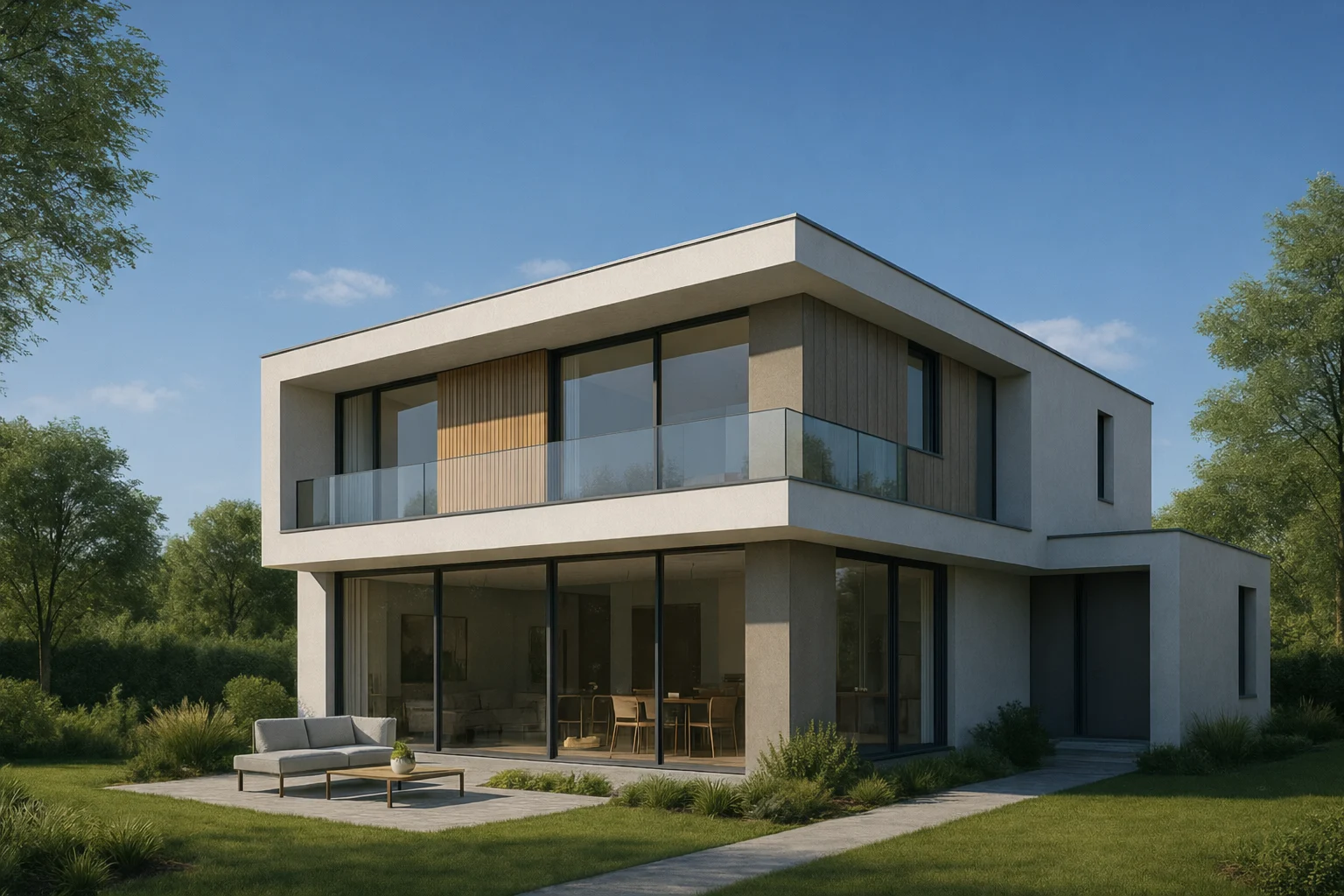
Architectural visualization 3D has transformed how architects present ideas and obtain approvals. At the earliest stages of a project, realistic 3D visuals help all stakeholders clearly understand the design intent. Instead of interpreting technical drawings, clients and authorities can instantly see how the final space will look and function. This clarity significantly reduces delays, confusion, and repeated revisions.
In today’s fast-paced architectural environment, speed and accuracy matter. Architectural visualization 3D bridges the gap between concept and understanding, making the approval process smoother and more predictable.
The Role of Architectural Visualization 3D in Modern Design
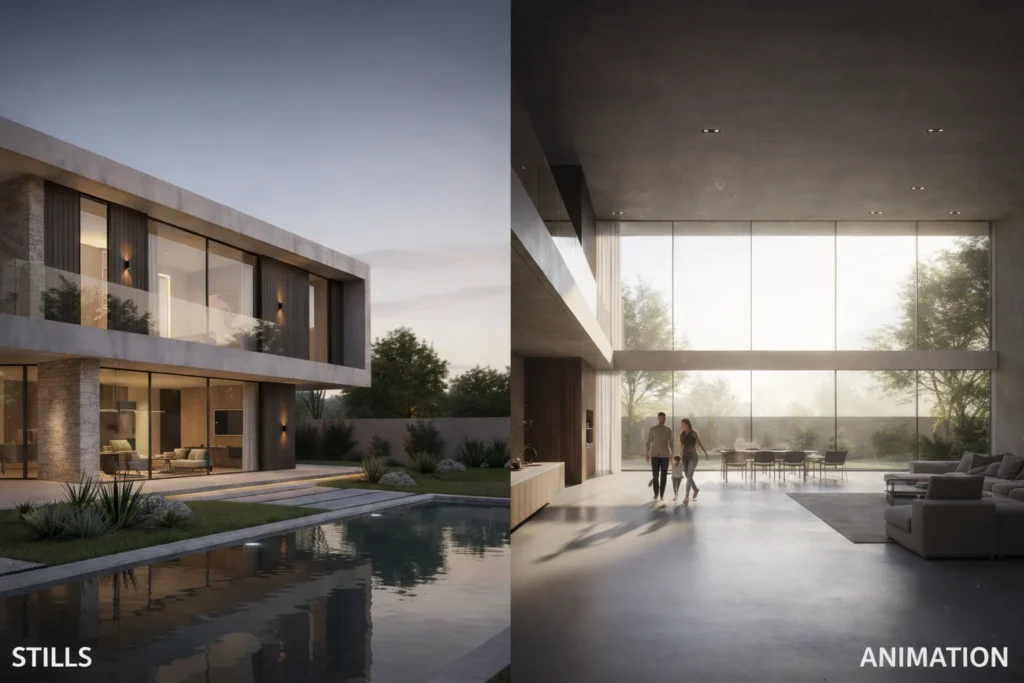
Modern architecture relies heavily on visual communication. Architectural visualization 3D allows architects to convert abstract ideas into lifelike representations that are easy to interpret. These visuals include realistic lighting, materials, textures, and spatial depth, which help viewers understand the design without technical knowledge.
When combined with 3d architectural rendering, the presentation becomes a powerful storytelling tool. Stakeholders no longer need explanations filled with technical terms—the design speaks for itself.
Eliminating Uncertainty Through Realistic Visuals
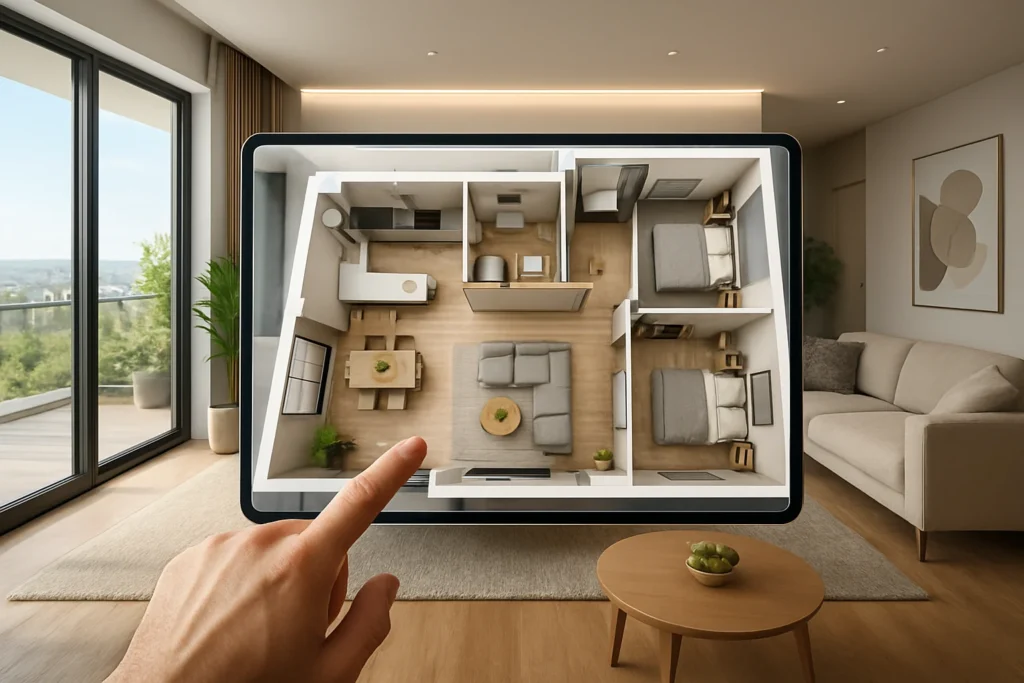
One of the main reasons approvals get delayed is uncertainty. Clients often struggle to imagine how a space will look once completed. Architectural visualization 3D removes this uncertainty by showing accurate representations of interiors and exteriors before construction begins.
Instead of guessing, clients can clearly see wall finishes, furniture layouts, lighting moods, and spatial proportions. This clarity builds trust and confidence, making it easier for clients to approve designs without hesitation. The use of 3d architectural rendering ensures that what is approved visually aligns closely with the final built result.
Faster Client Feedback and Confident Decisions
When clients view realistic visuals created through architectural visualization 3D, they respond faster. Feedback becomes more specific, focused, and actionable. Rather than vague suggestions, clients can clearly point out what they like or want adjusted.
Examples of helpful visual comparisons include:
- Viewing two material options side by side
- Comparing alternate lighting setups
- Reviewing different layout variations
These limited visual comparisons help clients make confident choices quickly without overwhelming them with options.
Simplifying Authority and Government Approvals
Architectural visualization 3D is equally valuable for securing approvals from planning authorities and regulatory bodies. Officials often review multiple projects and may not have time to study complex drawings in depth. Visual presentations make the approval process more efficient.
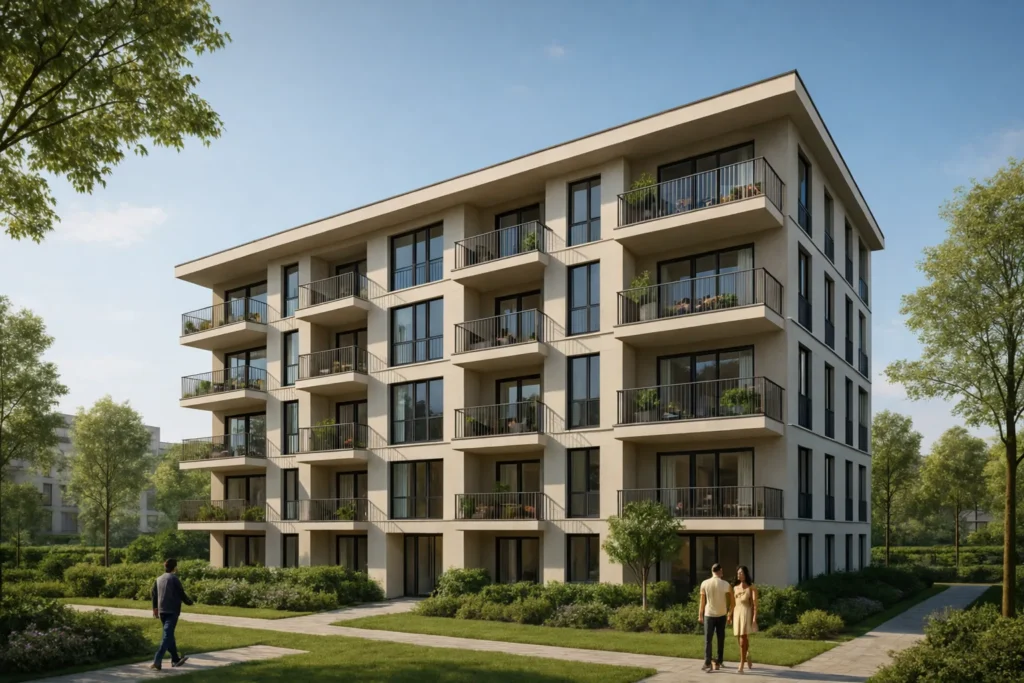
Through 3d architectural rendering, architects can clearly present building elevations, exterior finishes, landscape integration, and surrounding context. This visual clarity helps authorities understand the project instantly, reducing objections and follow-up queries.
According to professional bodies like the American Institute of Architects, clear visual communication improves stakeholder understanding and speeds up approval workflows.
Avoiding Costly Design Conflicts Early
Design conflicts discovered during construction can cause serious delays and budget overruns. Architectural visualization 3D helps identify potential issues early in the design phase. By visualizing scale, proportions, and spatial relationships, architects can address problems before approvals are finalized.
This proactive approach ensures that what gets approved is practical, buildable, and aligned with client expectations. The support of 3d architectural rendering minimizes last-minute changes and keeps projects on track.
Collaboration and Communication Benefits
Architecture projects involve collaboration between architects, engineers, consultants, and developers. Architectural visualization 3D creates a shared visual reference that improves communication across teams.
Instead of lengthy explanations, teams can review the same visuals, discuss changes in real time, and finalize decisions early. This collaborative clarity prevents misunderstandings and accelerates approvals at every stage.
You can also internally link to related services such as:
- Architectural Visualization Services
- 3D Architectural Rendering Solutions
This strengthens both project coordination and SEO performance.
Marketing and Digital Advantages
Beyond approvals, architectural visualization 3D adds value to marketing and digital presentation. Developers often use photorealistic renders for websites, brochures, and pre-launch promotions. These visuals integrate seamlessly with modern WordPress development, allowing firms to present projects professionally online.
When marketing teams and design teams align visually, approvals become smoother because everyone shares the same vision from the beginning.
Emotional Impact on Approval Speed
Approval decisions are influenced by emotion as much as logic. When clients see beautiful, realistic visuals through architectural visualization 3D, they feel connected to the project. This emotional engagement builds excitement and trust, encouraging faster approvals.
A visually appealing design often receives instant appreciation, reducing hesitation and speeding up the final decision.
Conclusion
In conclusion, architectural visualization 3D is more than a design tool—it is a strategic communication solution that accelerates architect approvals. By providing clarity, reducing uncertainty, and improving collaboration, it helps architects, clients, and authorities move forward with confidence.
With the support of 3d architectural rendering, projects achieve smoother workflows, fewer revisions, and faster approvals. In an industry where time and clarity are critical, architectural visualization 3D sets the foundation for successful and timely project completion.