
Realistic 3D Architecture Design How Mood, Lighting & Textures Transform Spaces
Introduction
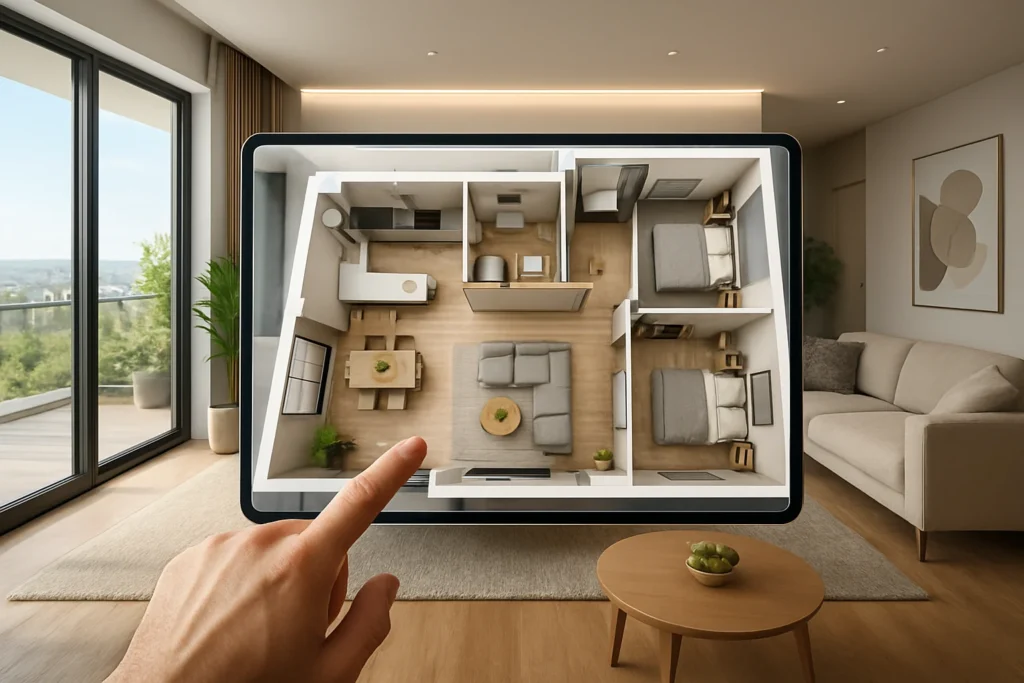
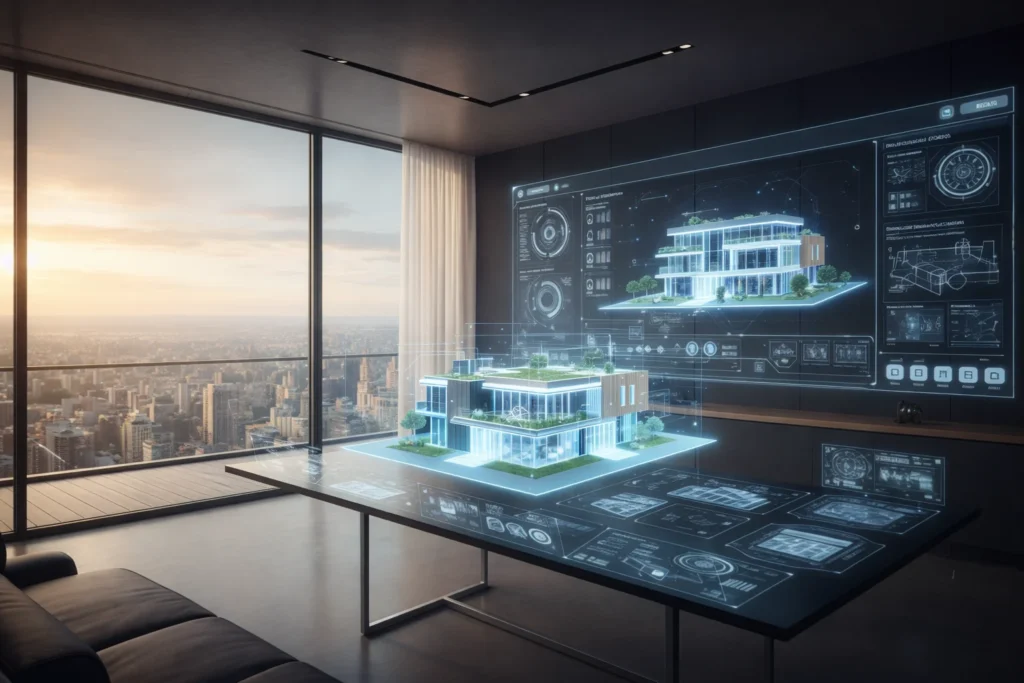
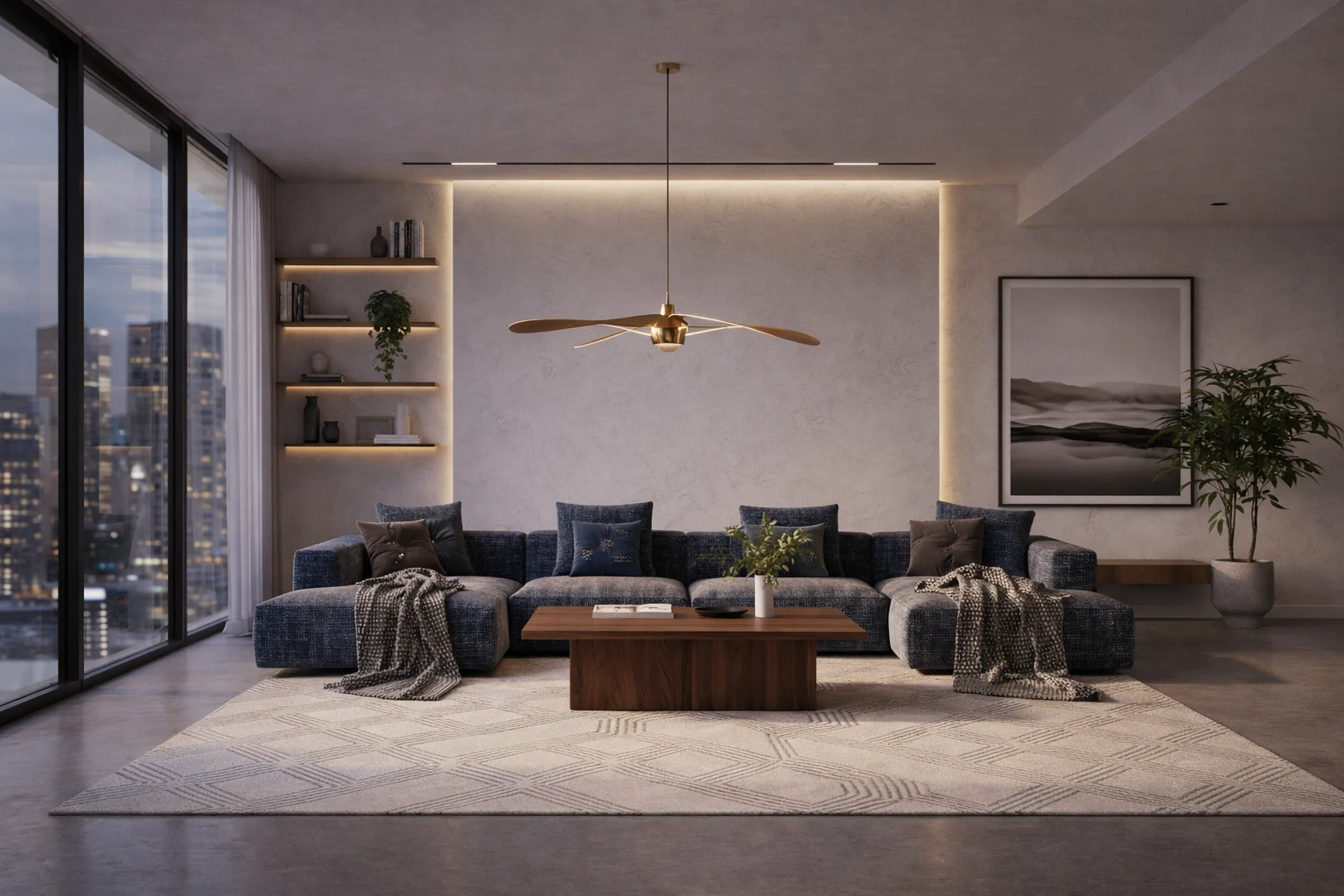
Realistic 3D Architecture Design is the foundation of compelling architectural visualization. The interplay of mood, lighting, and textures determines whether a space feels lifelike or artificial. Professional visualization service teams understand that these elements are not just decorative—they communicate function, emotion, and purpose.
For example, a 3D rendering home project can appear flat if lighting is harsh, textures are incorrect, or the mood is inconsistent. By focusing on Realistic 3D Architecture Design from the start, studios ensure that every render communicates clarity, emotional impact, and realism.
The Role of Mood in 3D Architecture
Mood sets the emotional tone for a project. Whether a space should feel cosy, bold, luxurious, or calm, the mood influences all subsequent decisions in Realistic 3D Architecture Design. It informs lighting direction, texture selection, and color palettes.
While clients often equate mood with color alone, professionals consider contrast, shadow softness, and material tone. These subtle details help viewers connect emotionally with the design. For high-quality 3D renders, mood is what makes a space feel alive, whether it’s an interior scene, a 3D rendering home exterior, or a commercial building.
Lighting: Creating Depth and Realism
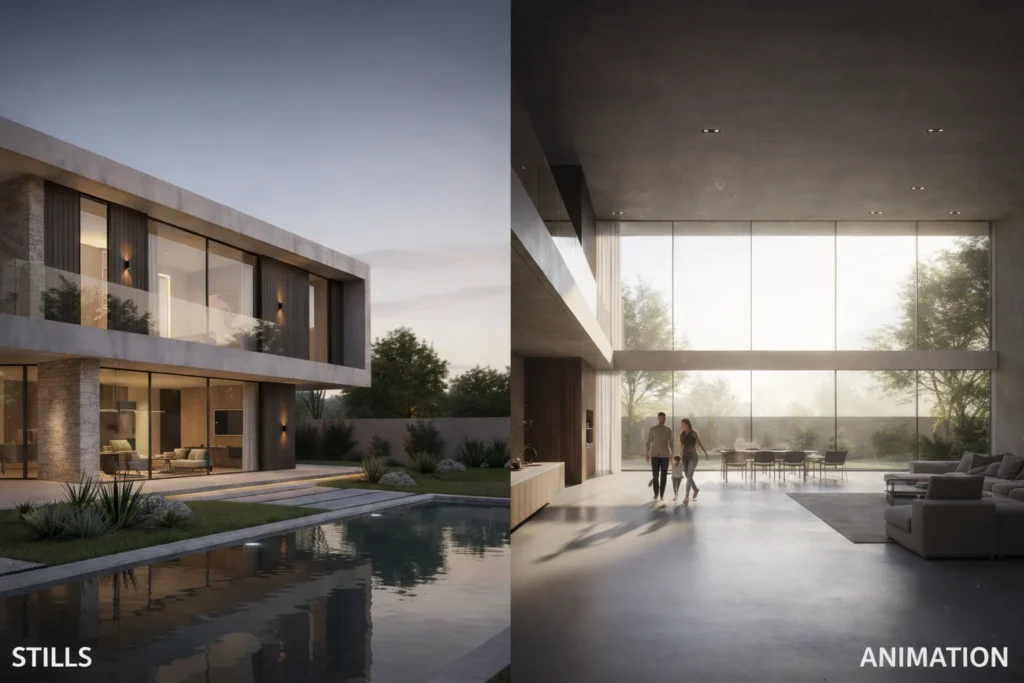
Lighting is the most critical element in Realistic 3D Architecture Design. It gives depth, defines space, and enhances realism. Exterior architectural rendering requires careful planning of natural light across different times of the day, while interiors benefit from soft artificial lighting to create ambiance.
The interplay between light and textures is essential. A glossy marble surface may appear subtle under diffuse lighting but dramatic under directional sunlight. Designers use physically accurate light setups and color temperatures to ensure every material reacts naturally. This is key for producing high quality 3d renders that feel authentic.
Learn more about lighting for 3D visualization
Textures: Bringing Materials to Life
Textures are the final layer that turns a model into a believable scene. Correct texture mapping brings wood, metal, concrete, and fabric to life. In Realistic 3D Architecture Design, textures must respond accurately to lighting and scale.
High-quality textures include subtle details such as:
- Wood grains and knots
- Fabric weaves
- Concrete pores
- Reflections in glass and metal
When textures are carefully integrated, they enhance depth, realism, and material authenticity. Professionals in visualization services rely on these elements to produce high quality 3d renders that clients trust.
Integrating Mood, Lighting, and Textures
The most powerful renders result from the harmony of mood, lighting, and textures. A sunny, cheerful interior combines bright lighting, soft shadows, and warm textures, while a dramatic luxury exterior uses darker tones and deeper contrasts.
For every Realistic 3D Architecture Design project, designers test multiple variations to find the right balance. Even a small adjustment in light intensity or texture tone can transform the emotional impact of a scene. This careful integration ensures that every 3D rendering home project or exterior architectural rendering feels intentional and visually cohesive.
Exterior Architectural Rendering Techniques
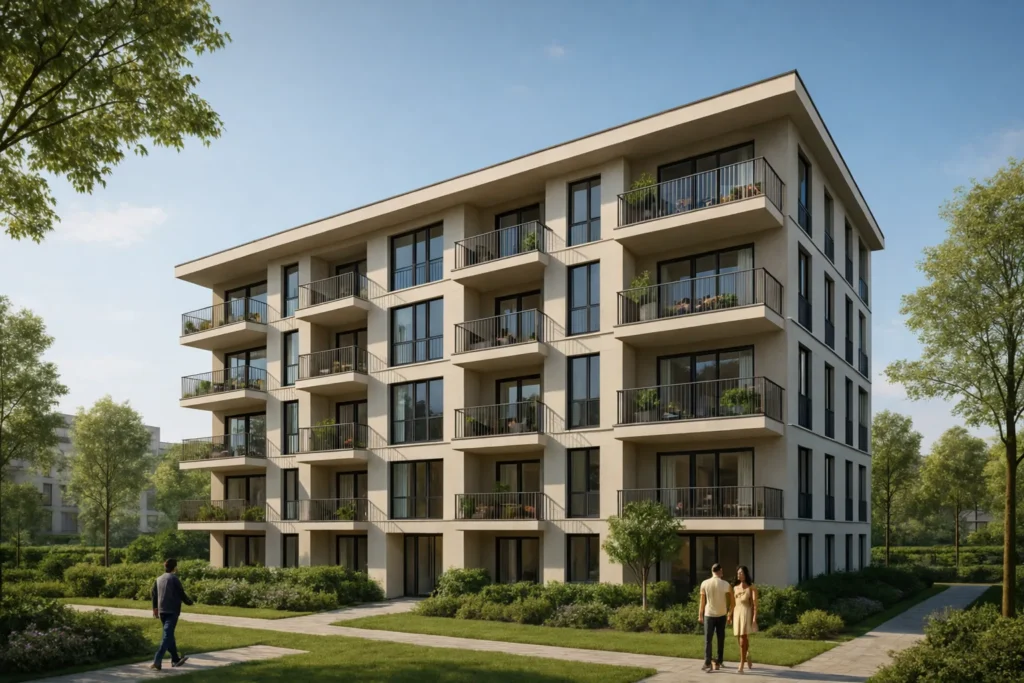
Exterior architectural rendering involves more than just modeling a building. Designers consider environmental context, natural light behavior, and material interactions with the surroundings. Reflections, shadows, and environmental elements help anchor the building in its setting.
Proper use of HDRI lighting and global illumination ensures natural-looking results. Attention to these details is what separates average renders from high quality 3d renders that clients remember.
Explore our exterior architectural rendering services
Achieving High Quality 3D Renders
Creating high quality 3d renders requires a balance of technical precision and artistic sensibility. Accurate lighting setups, high-resolution textures, realistic reflections, and proper scale are essential.
Designers also focus on camera composition, subtle post-processing, and mood consistency to deliver renders that are visually striking and technically accurate. This combination ensures that each project reflects both the designer’s vision and the client’s expectations.
Common Mistakes and How to Avoid Them
Common issues include:
- Overly bright or unrealistic lighting
- Incorrect texture scale
- Inconsistent mood across scenes
- Lack of environmental context in exterior architectural rendering
Addressing these issues early prevents wasted time and ensures every render maintains the standards of high quality 3d renders.
Internal Workflow Tips for Visualization Services
- Define mood and style before modeling begins
- Test lighting setups before final texture application
- Review multiple iterations with clients to confirm emotional tone
- Maintain consistency across all renders to build a recognizable portfolio
This approach allows studios to consistently produce high quality 3d renders that match client expectations.
Conclusion
Realistic 3D Architecture Design combines mood, lighting, and textures to create immersive, believable spaces. Whether working on a 3D rendering home exterior, a luxury commercial building, or an interior space, these elements define the final impact.
By carefully integrating these components, visualization service teams deliver high quality 3d renders and compelling exterior architectural rendering that communicate both function and emotion. The result is a lifelike scene that clients can truly understand and appreciate.