
Living Room Concepts Explained Through 3D Visualization Services
Introduction
The living room is one of the most important spaces in a home. It is where people relax after a long day, spend time with family, and welcome guests. Because this space serves multiple purposes, its design needs careful planning and clear thinking from the very beginning.
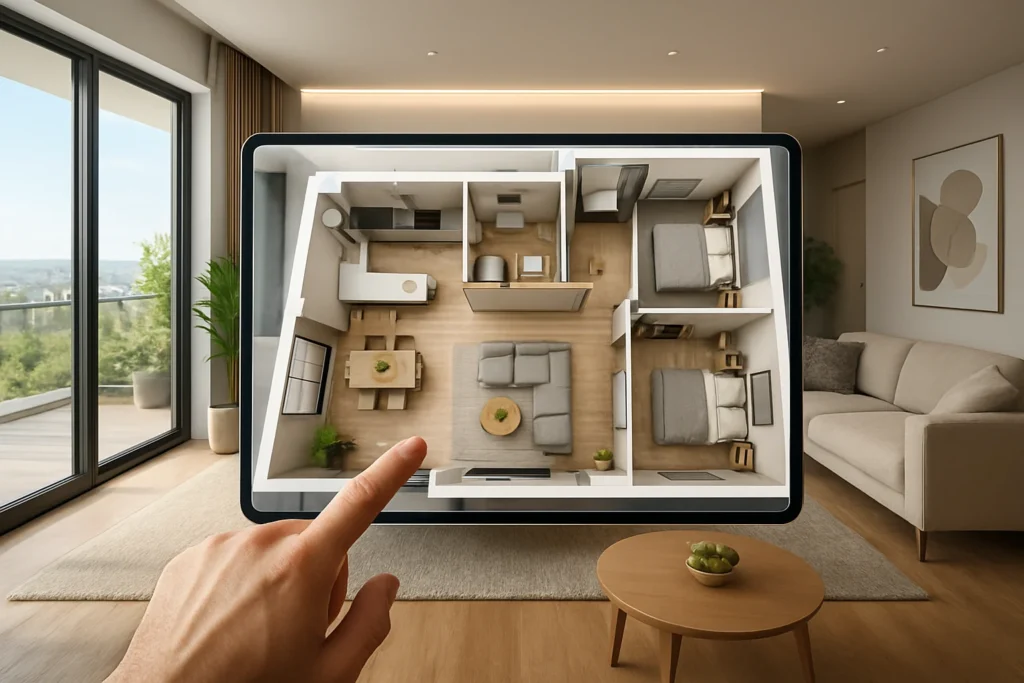
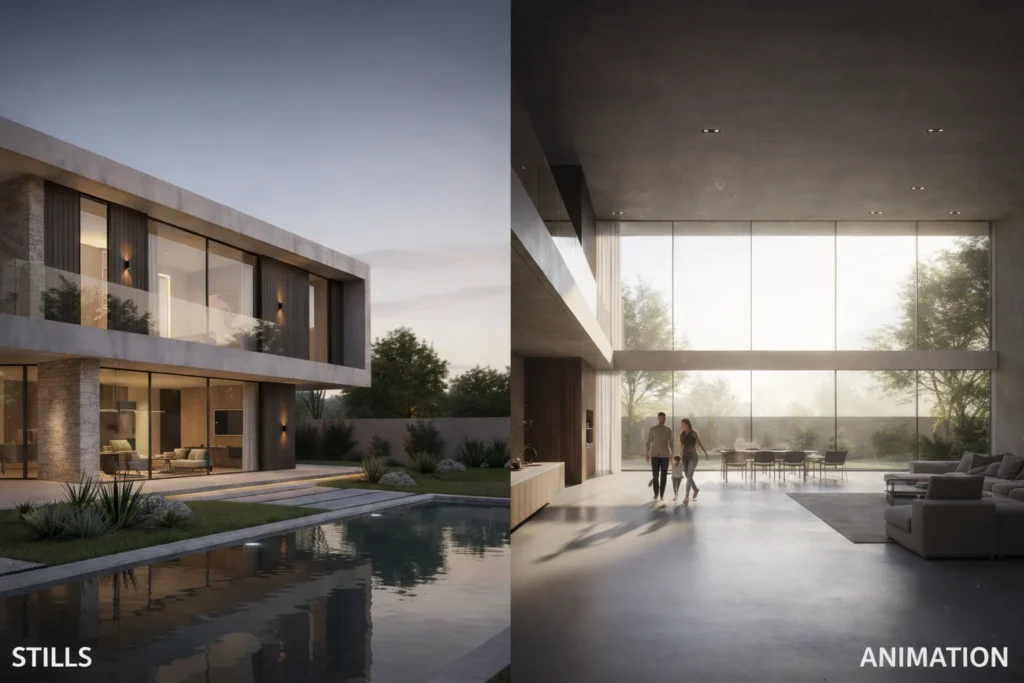
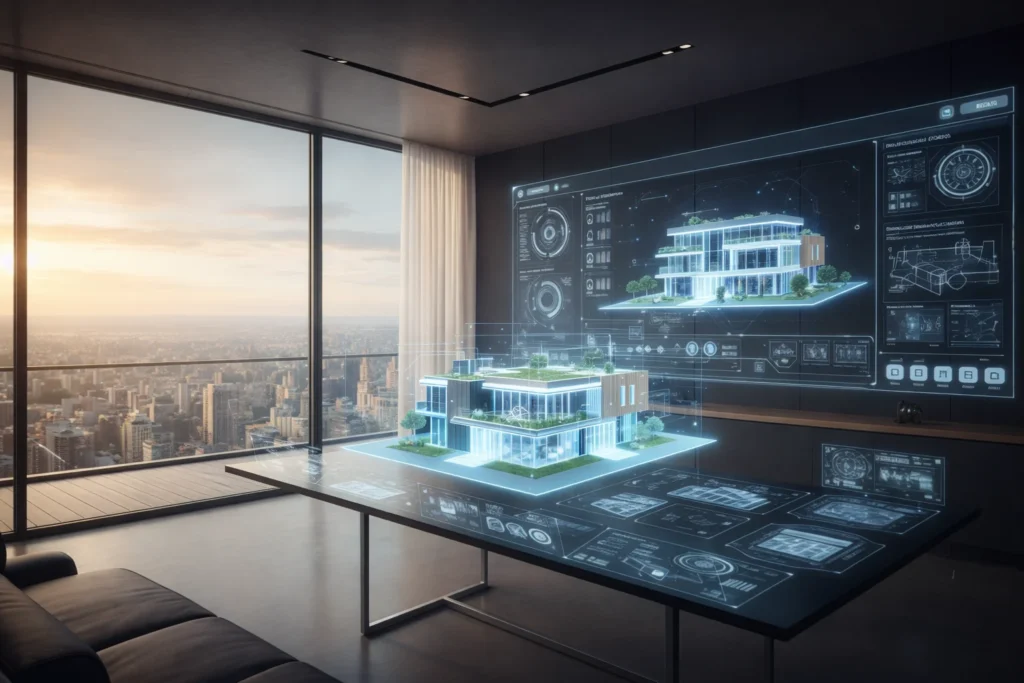
Many homeowners have ideas in mind but struggle to visualize how those ideas will look once everything is placed together. Floor plans and basic sketches often fail to show the true feel of the space. This is where 3D visualization services become valuable. They help turn concepts into realistic visuals, allowing people to understand layout, lighting, furniture, and materials before any work begins.
This blog explains how living room concepts become easier to understand through 3D visualization and why this approach is now widely used in modern interior planning.
Why Visual Planning Matters for Interior Spaces
Planning a living room without proper visuals can lead to confusion. It is not always easy to imagine furniture size, walking space, or how natural light will interact with colors and materials. Small misunderstandings during planning can later turn into costly corrections.
3D visualization provides a clear visual reference that helps homeowners and designers stay on the same page. Instead of guessing, people can see how the space will look and feel. This clarity supports better decisions and reduces uncertainty throughout the design process.
Reference: ArchDaily – 3D Visualization
How 3D Visualization Supports Living Room Design Decisions
3D visualization creates a digital version of the living room based on real measurements and design inputs. These visuals present the space in a realistic way, making it easier to understand proportions and layout.
Some benefits include:
- Clear understanding of room size and furniture placement
- Better coordination of colors, textures, and finishes
- Improved communication between homeowners and designers
Because everything is visible before execution, design discussions become simpler and more productive.
Understanding Layout, Space, and Movement
A well-planned layout is essential for a comfortable living room. Without visualization, furniture can be placed incorrectly, making the room feel crowded or difficult to move through.
With 3D visualization, the layout becomes easy to evaluate. It shows how seating areas are arranged, how people move through the space, and whether the room feels balanced. This allows adjustments to be made early, ensuring comfort and functionality.
Seeing Materials, Colors, and Finishes Together
Choosing materials is often challenging because samples do not always represent the final result. A fabric or wall color may look appealing on its own but appear very different once applied to the entire living room.
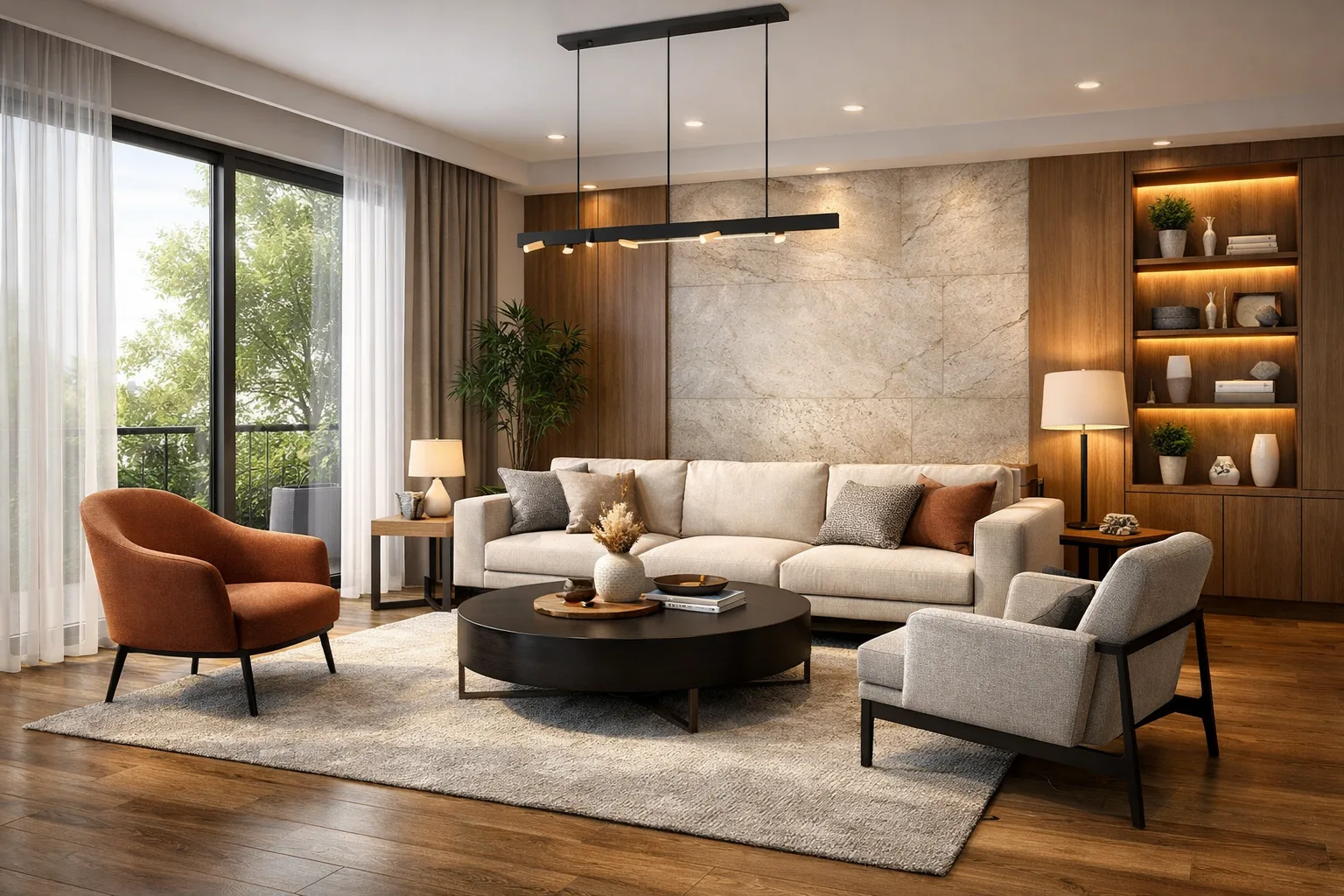
3D visualization helps by showing materials together in one scene. Flooring, wall finishes, furniture fabrics, and decorative elements can be viewed under realistic lighting conditions. This helps homeowners make choices that work well as a complete design.
Lighting and Atmosphere Explained Through Visuals
Lighting plays a major role in shaping the mood of a living room. Natural light, ceiling fixtures, lamps, and accent lights all influence how the space feels throughout the day.
Through 3D visualization services, lighting conditions can be shown clearly. Homeowners can see how daylight enters the room and how artificial lighting affects the atmosphere in the evening. This makes it easier to plan lighting that supports both comfort and functionality.
Reference: Lumens – Lighting Guides
Common Living Room Concepts Shown Through 3D Visualization
Different homes require different living room styles. Visualization helps explain these ideas clearly without relying only on descriptions.
Modern designs often focus on clean lines and simple layouts. 3D visuals help maintain balance so the room feels open rather than empty.
Family-focused spaces prioritize comfort and movement. Visualization ensures seating, storage, and entertainment units fit naturally without overcrowding.
Open layouts connect the living room with dining or kitchen areas. 3D visualization shows how these zones relate to each other while maintaining visual harmony.
The 3D Visualization Process Explained Simply
The visualization process is usually straightforward and collaborative. It begins with sharing ideas, preferences, and basic measurements. Designers then create a digital model of the living room and apply materials, lighting, and furniture based on the chosen concept.
Once the visuals are ready, feedback is collected and refinements are made. This step-by-step process ensures that the final design reflects the original vision accurately.
Common Problems Solved Through Visualization
Without visualization, homeowners often face issues such as furniture that does not fit, lighting that feels uncomfortable, or colors that look different after installation. These problems usually appear late in the project.
3D visualization helps identify such concerns early, allowing changes to be made before execution. This saves time, effort, and unnecessary expenses.
Better Collaboration Between Designers and Clients
Clear communication is essential for successful interior projects. 3D visuals create a shared understanding between designers and clients. Instead of interpreting drawings differently, everyone discusses the same visual reference.
This leads to smoother approvals, fewer revisions, and a more comfortable design experience overall.
Choosing the Right 3D Visualization Service
When selecting a visualization service, it is important to look for realism, flexibility, and clear communication. A good service should be able to adapt designs based on feedback and provide visuals that feel close to real-life conditions.
The goal is not just to create images, but to help homeowners feel confident about their living room design choices.
Conclusion
Designing a living room becomes far easier when ideas can be seen clearly. 3D visualization services help transform concepts into realistic visuals, making planning more comfortable and decisions more informed.
By offering clarity in layout, lighting, and materials, visualization supports better outcomes and reduces uncertainty. For anyone planning a living room, seeing the design before it is built makes the entire process more reassuring and effective.