
Realistic Living Room Designs with 3D Architectural Visualization Services
Introduction
A living room is more than just a place to sit. It is the heart of a home—where families relax, guests arrive, and everyday moments happen. That’s why designing a living room needs careful planning. In the past, people relied on imagination or flat drawings, which often led to confusion or mistakes. But now, with 3D architectural visualization services, you can see realistic living room designs before any construction or renovation begins.
This technology helps you understand the final outcome clearly, avoid costly mistakes, and feel confident about your decisions. When a design looks realistic, it becomes easier to visualize the actual space and choose the right style, furniture, and lighting.
What Makes a Living Room Feel Real?
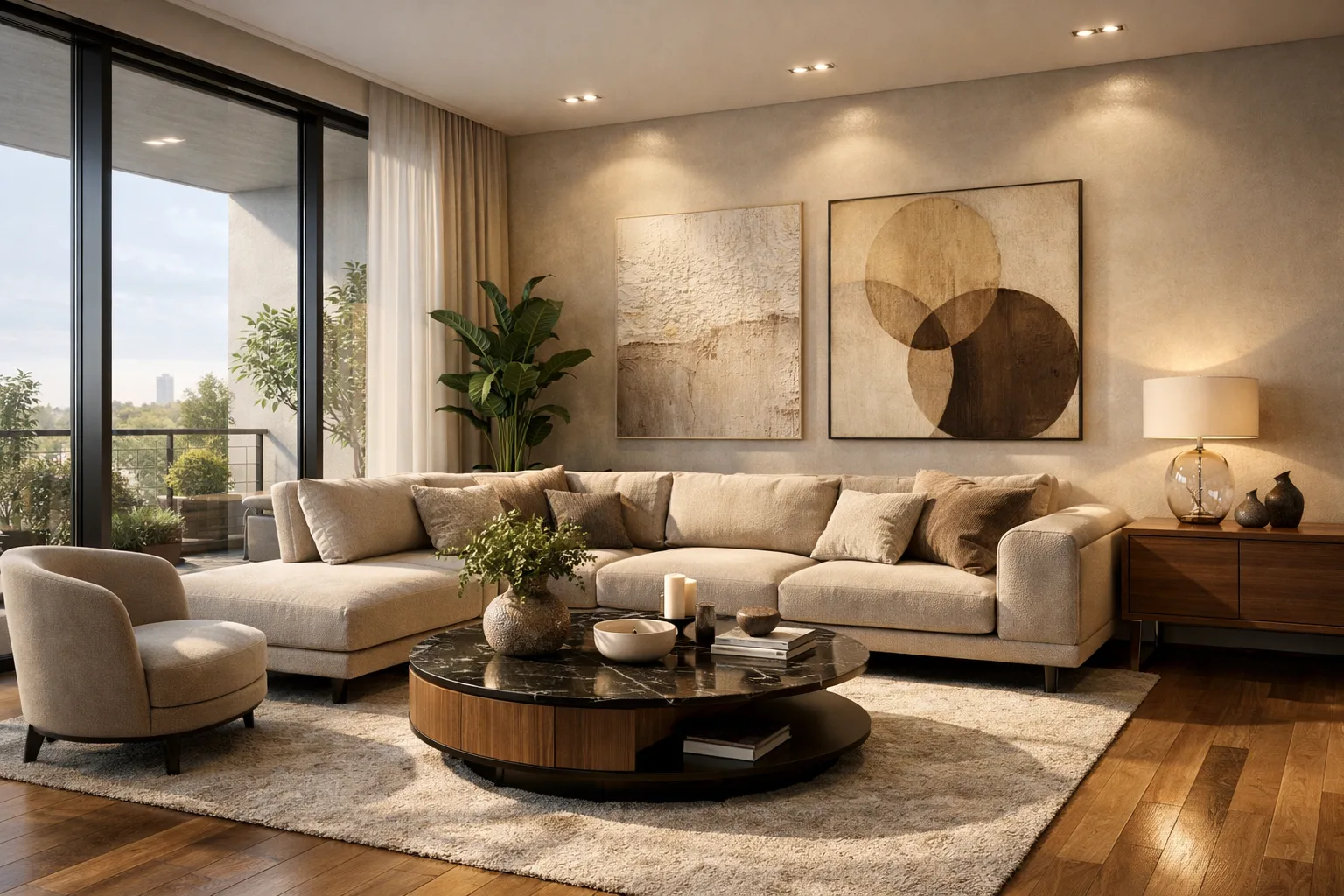
A living room feels real when it looks like something you can step into. This happens when the design includes details such as lighting, texture, and proper space planning. Natural light, shadows, furniture placement, and materials like wood or fabric all play a role in creating a realistic look.
When these details are added into a 3D model, the result becomes photorealistic. That’s why photorealistic visuals are so important. They show not only the layout but also how the room will feel in real life. With these visuals, you can easily compare different styles and make decisions with confidence.
How 3D Visualization Helps You Plan Better
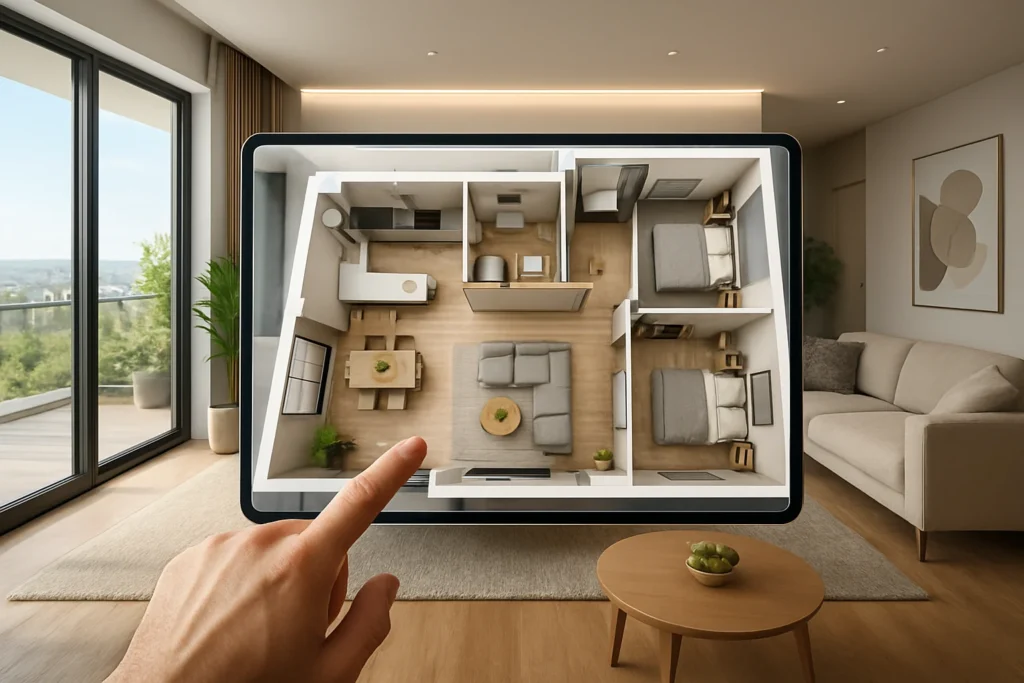
Planning a living room can be difficult because flat drawings don’t always show the true feel of the space. Colors can look different in real life, and furniture may not fit as expected. A room might seem bigger or smaller than it actually is.
This is where 3D living room interiors become useful. With a realistic rendering, you can see the room from every angle, check the furniture placement, and compare different color schemes. It removes the guesswork and helps you make better choices. You can also share the visuals with family members, designers, or contractors so everyone is on the same page.
The Visualization Process
Simple Steps
The process of creating a 3D living room design is usually simple and straightforward. First, you share your ideas and inspiration with the designer. This includes your preferred style, colors, and furniture. Then, the designer creates a 3D model based on your room’s measurements and layout.
Next comes the most exciting part—adding textures, lighting, and furniture. This is when the room starts to feel real. The final step is reviewing the design and making changes if needed. This helps ensure the final result matches your expectations and avoids surprises later.
Popular Living Room Styles You Can Try
There are many living room styles you can choose from, depending on your taste and lifestyle. A cozy and traditional style feels warm and welcoming with soft sofas and wooden furniture. A modern and minimal style offers a clean look with simple furniture and neutral colors.
Contemporary living rooms feel bright and open, often using large windows and clean lines. For those who like creativity, a bold and artistic style can include unique decor and colorful accents.
3D visualization helps you test these styles before making any final decisions. It makes it easier to choose a style that suits your home and personality.
How Visuals Help You Make Better Decisions
A major benefit of realistic renderings is that they help you avoid costly mistakes. For example, choosing the wrong furniture size or picking colors that don’t match can lead to expensive changes later. With a 3D rendering, you can see how everything fits together and make changes early.
This is especially helpful when choosing lighting. Lighting affects the mood of a room more than we realize. With 3D visuals, you can see how the room will look during the day and at night. You can also check how natural light enters the room and how shadows fall across furniture and walls.
Working with Visualization Services
Working with a visualization team is easy when you know what to share. You don’t need to be a design expert—just share your ideas clearly. If you have inspiration photos, mood boards, or a list of your favorite colors, it will help the designer create a design that matches your vision.
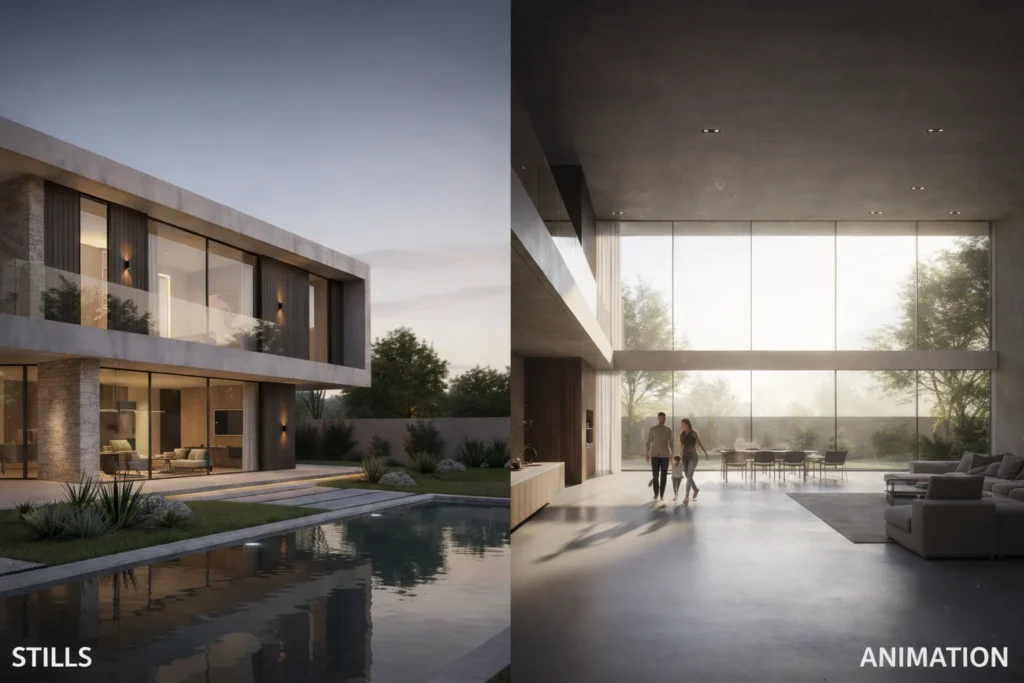
It’s also helpful to know what you want in the final output. Some people prefer high-resolution images, while others want a 360-degree view or a short walkthrough video. Asking about the number of revisions included is also important. This ensures you can make changes until the design feels right.
Common Mistakes to Avoid
One common mistake is ignoring lighting effects. Lighting can change the mood of the room completely. Another mistake is choosing furniture before checking the layout. Furniture may look good in a store but may not fit well in your space.
Lastly, skipping walkthrough views can cause surprises later because you may not fully understand the space. A realistic 3D render helps you avoid these mistakes by showing a true representation of the room. You can review the design from different angles and make changes before the actual work begins.
Conclusion
Designing a living room is a big decision. It’s a space where you will spend many moments of your life. That’s why it’s important to plan carefully. With 3D architectural visualization services, you can see your living room design before it becomes real. This helps you make better decisions, avoid mistakes, and feel confident about your choices.
If you want a living room that looks and feels just right, using realistic visuals is a smart step. It helps bring your dream space to life in a clear and simple way.