
Importance of Photorealistic 3D Visualization in Architecture

Introduction
3D architectural visualization has become one of the most powerful tools in modern architecture, changing the way ideas are presented, understood, and approved. In today’s design-driven world, architects, developers, and clients all want to clearly see what a project will look like before construction begins. Traditional drawings and blueprints still have their place, but they often fail to communicate the true feel of a space. Photorealistic visuals solve this gap by turning concepts into lifelike images that are easy to understand and emotionally engaging.
Seeing Design Beyond Drawings
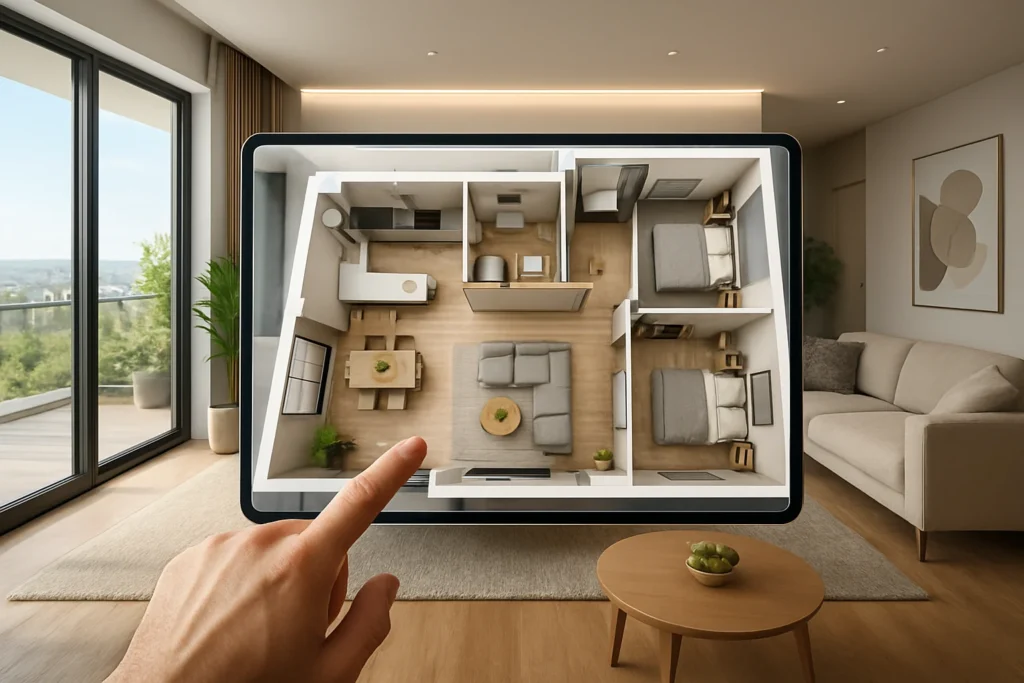
For decades, architectural plans relied on technical sketches, elevations, and sections. While professionals can read these with ease, most clients struggle to imagine how those lines translate into real spaces. This is where 3D architectural visualization makes a clear difference. By presenting designs as realistic images, it allows anyone—regardless of technical background—to understand scale, layout, materials, and lighting at a glance.
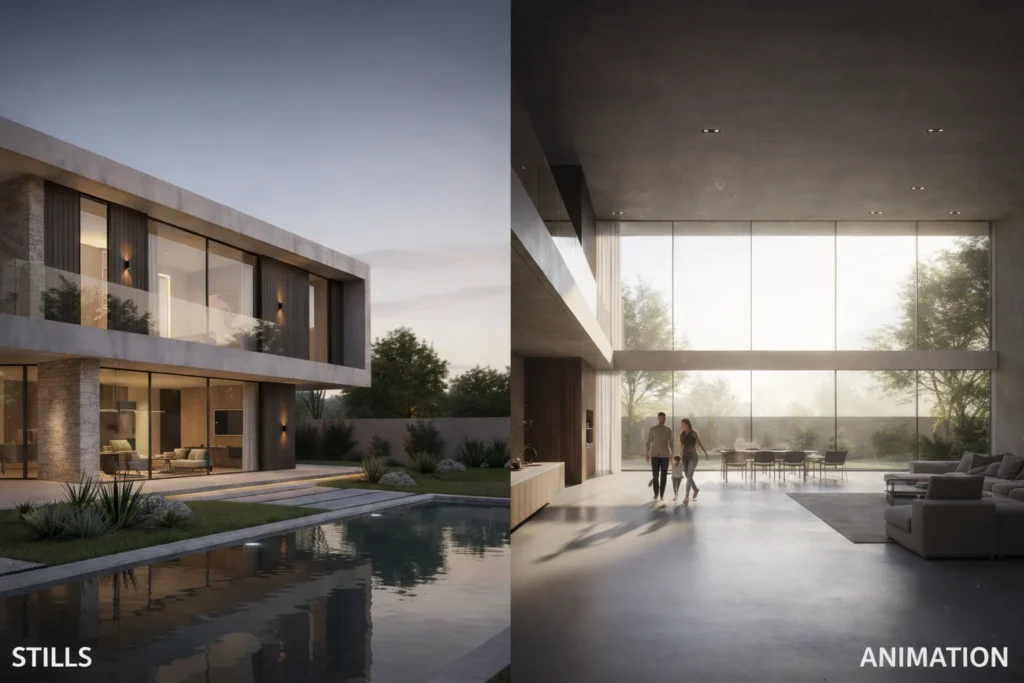
Photorealistic renders show how sunlight enters a room, how textures feel, and how furniture fits within a space. This visual clarity removes confusion early in the design process and helps everyone speak the same visual language.
Helping Clients Feel Confident About Decisions
One of the biggest challenges in architecture is client confidence. Many clients hesitate to approve designs because they are unsure how the final result will look. With 3D architectural visualization, clients are no longer asked to imagine; they are shown.
When clients see near-real images of their future home, office, or commercial space, they feel more involved in the process. They can give meaningful feedback, suggest changes, and approve designs with greater certainty.
Realistic Visuals Create Emotional Connection
Architecture is not just about structure—it is about experience. Photorealistic visuals help viewers connect emotionally with a design. A well-lit living room, a welcoming entrance, or a calm bedroom scene can create excitement and trust.
Using 3D architectural visualization, designers can present spaces in a way that feels warm and relatable rather than technical and abstract.
Finding Design Issues Before Construction Starts
Design mistakes discovered during construction can be expensive and time-consuming. Flat drawings sometimes hide proportion problems, awkward layouts, or lighting issues. Photorealistic 3D views reveal these concerns much earlier.
By reviewing spaces from multiple angles, architects can correct circulation, scale, and material issues before they reach the site.
Supporting Better Team Collaboration
Architectural projects involve architects, interior designers, engineers, contractors, and clients. Visual models act as a shared reference point that everyone can understand.
Meetings become more productive when teams discuss visuals instead of abstract drawings.
Improving Approval and Review Processes
Photorealistic visuals help clients, investors, and authorities understand proposals without technical knowledge. This transparency builds trust and often speeds up approvals.
A Strong Tool for Marketing and Presentations
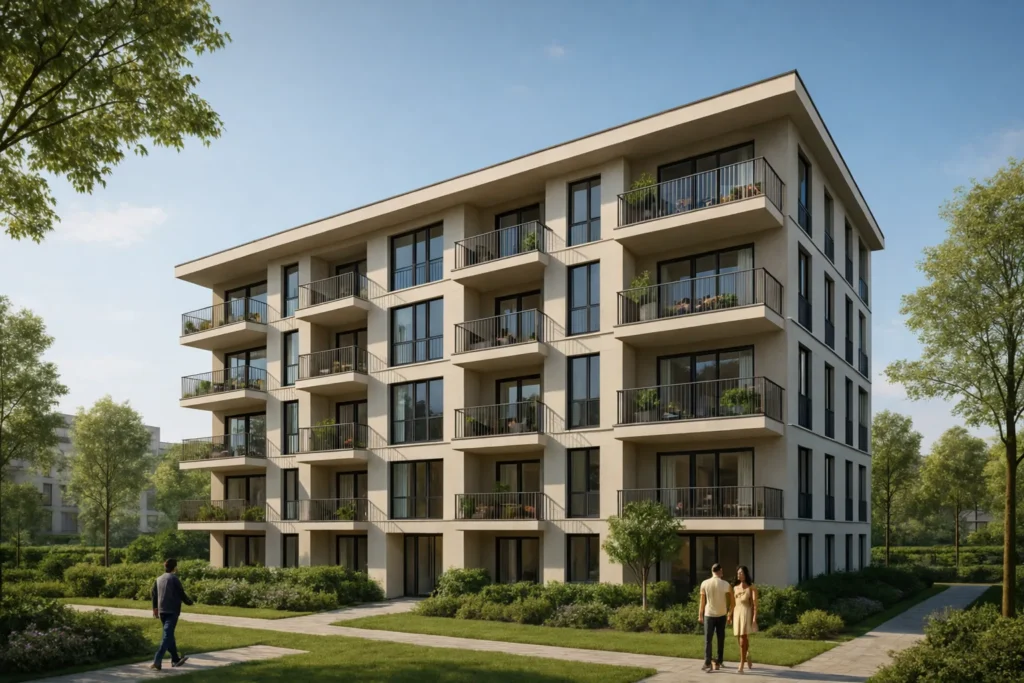
In competitive markets, strong visuals help projects stand out. High-quality images created through 3D architectural visualization can be used across websites, brochures, presentations, and social media.
Showing Materials, Lighting, and Details Clearly
Photorealistic rendering accurately shows textures, finishes, shadows, and lighting conditions. Designers can test options before finalizing materials.
Useful for Both Small and Large Projects
From single-room interiors to large commercial developments, 3D architectural visualization supports clear communication at every scale.
Supporting Modern Client Expectations
Modern clients expect realistic previews before committing to a project. Offering 3D architectural visualization reflects professionalism and transparency.
Reducing Changes During Construction
Clear visuals reduce misunderstandings and late-stage changes, helping projects stay on budget and on schedule.
Adapting to New Technology Trends
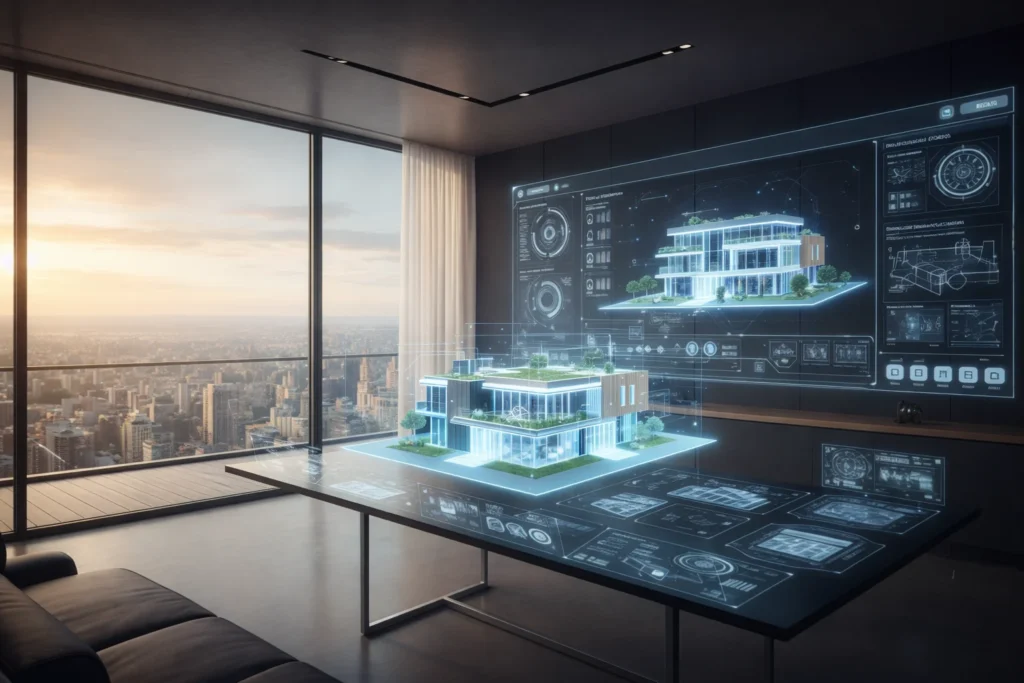
Photorealistic rendering supports virtual tours, walkthroughs, and animations, remaining a core part of modern architectural workflows.
Practical Tips for Using Photorealistic Visualization
Introduce visuals early, keep them realistic, and align them with real construction methods to avoid unrealistic expectations.
Why Architects and Developers Rely on It
Architects use visuals to communicate intent clearly, while developers rely on them to attract buyers and investors.
The Long-Term Value of Realistic Visuals
High-quality renders can be reused for marketing, future renovations, and portfolios, offering long-term value beyond construction.
Conclusion
Photorealistic 3D visualization has reshaped how architecture is designed, discussed, and delivered. It bridges the gap between imagination and reality, helping clients feel confident, teams collaborate better, and projects move forward with clarity.
For deeper insight into architectural rendering workflows, visit Autodesk’s architectural visualization resources.