
How 3D Visualization Helps Sell Properties Faster

Introduction
3D visualization is transforming the way real estate properties are presented and sold in today’s competitive market. Buyers no longer rely only on floor plans, sketches, or a few photographs when exploring a property. Instead, they want to clearly understand how a space will look, feel, and function before making a decision. This is especially important for projects that are still under construction or in the planning stage. With realistic digital visuals, developers and real estate agents can present properties in a way that is easy for buyers to understand.
In modern property marketing, clear visual communication plays a major role in influencing buying decisions. When buyers can easily imagine themselves living or working in a space, they are more likely to move forward with the purchase process. By using 3D visualization, real estate professionals can show detailed architectural designs, interior layouts, and surrounding environments long before construction is completed. This approach helps build trust with potential buyers and often leads to faster property sales.
The Changing Way Properties Are Marketed
The real estate industry has experienced a major shift in how properties are marketed to buyers. In the past, marketing materials mainly included brochures, photographs, and technical drawings. While these resources were useful, they often did not provide enough information for buyers to fully understand the property. Many people struggled to imagine how the final structure would look once construction was completed.
Today, digital presentation tools have improved the way properties are introduced to potential buyers. High-quality architectural visualization and photorealistic rendering allow developers to show properties in a much more engaging and detailed way. Through 3D visualization, it becomes possible to present buildings, interiors, and landscapes in a realistic format that is easy to understand. This makes property marketing more effective and helps buyers feel more confident about their investment.
Learn more about modern real estate technology trends at
Forbes Real Estate.
Helping Buyers See the Property Before It Exists
One of the biggest challenges in selling real estate is presenting properties that have not yet been built. Buyers often find it difficult to imagine how a future building will look based only on floor plans or construction drawings. Without clear visuals, it can be challenging for them to picture the layout, design style, or overall atmosphere of the property.
This is where 3D visualization becomes extremely valuable. Through advanced rendering techniques, developers can create realistic images that show how the completed building will appear. These visuals can include exterior architecture, interior design, natural lighting, and surrounding landscapes. When buyers can see the future property clearly, they are more comfortable making purchasing decisions even before the project is finished.
Creating a Strong First Impression Online
The internet has become the starting point for most property searches. Buyers browse real estate websites, mobile apps, and social media platforms to explore available listings. Because so many options are available online, the first impression of a property plays a major role in attracting attention.
Listings that include visually appealing content tend to perform much better than those with basic photos or limited images. High-quality property marketing visuals make a listing stand out and encourage potential buyers to explore further. With 3D visualization, developers can create photorealistic images that highlight the most attractive aspects of a property. These visuals show architectural details, interior design features, and outdoor spaces in a way that captures interest quickly.
Making Property Listings More Engaging
Engagement is another key factor in successful property marketing. When buyers spend more time exploring a listing, they are more likely to develop interest in the property. Interactive content such as virtual tours and walkthrough experiences can significantly improve this engagement.
Interactive Virtual Experiences
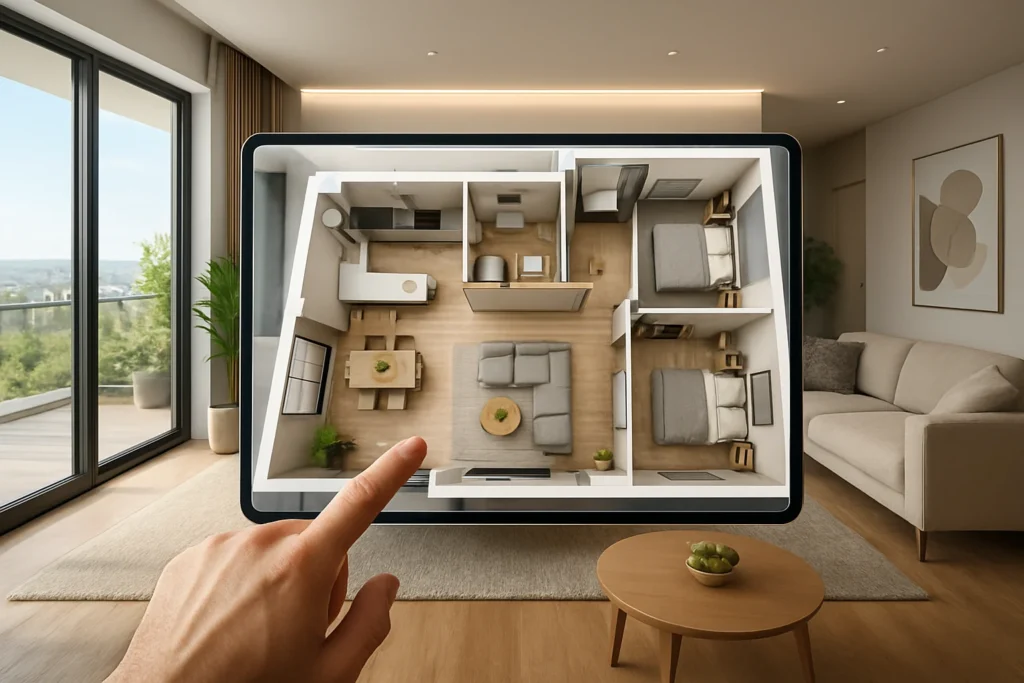
Through 3D visualization, buyers can explore a property digitally from their computer or mobile device. They can move through rooms, observe layouts, and examine design details from different perspectives. This interactive experience provides a much deeper understanding of the property compared to static images alone. As a result, buyers feel more connected to the space and are more likely to take the next step in the buying process.
Helping Buyers Make Decisions Faster
Buying property is an important decision, and buyers usually want to gather as much information as possible before committing. If a listing does not provide clear visuals or explanations, buyers may delay their decision or move on to other options.
Clear visual presentation can significantly reduce this uncertainty. When buyers can easily understand the layout, design, and atmosphere of a property, they feel more confident about moving forward. 3D visualization provides a realistic representation of spaces, allowing buyers to see how rooms connect, how natural light enters the building, and how the overall design works together.
Because of this clarity, buyers often need fewer explanations or site visits before making their decision. This can shorten the property buying process and help sellers close deals more quickly.
Showing the Full Potential of a Property
Empty properties or unfinished spaces can sometimes be difficult for buyers to interpret. Without furniture, décor, or lighting elements, rooms may appear smaller or less inviting than they actually are. Buyers may struggle to imagine how the space could look once it is fully designed and furnished.
This challenge can be solved with the help of 3D visualization. Through virtual staging and interior rendering, designers can present a property with realistic furniture, lighting, textures, and decorative elements. These visuals show how the space could be used in everyday life. When buyers see a room fully styled, they can better imagine themselves living or working there, which increases emotional connection with the property.
Reaching More Buyers Through Digital Platforms
Modern real estate marketing relies heavily on digital platforms to reach potential buyers. Properties are promoted through websites, social media platforms, online advertisements, and property listing portals. Visual content plays a major role in attracting attention in these digital environments.
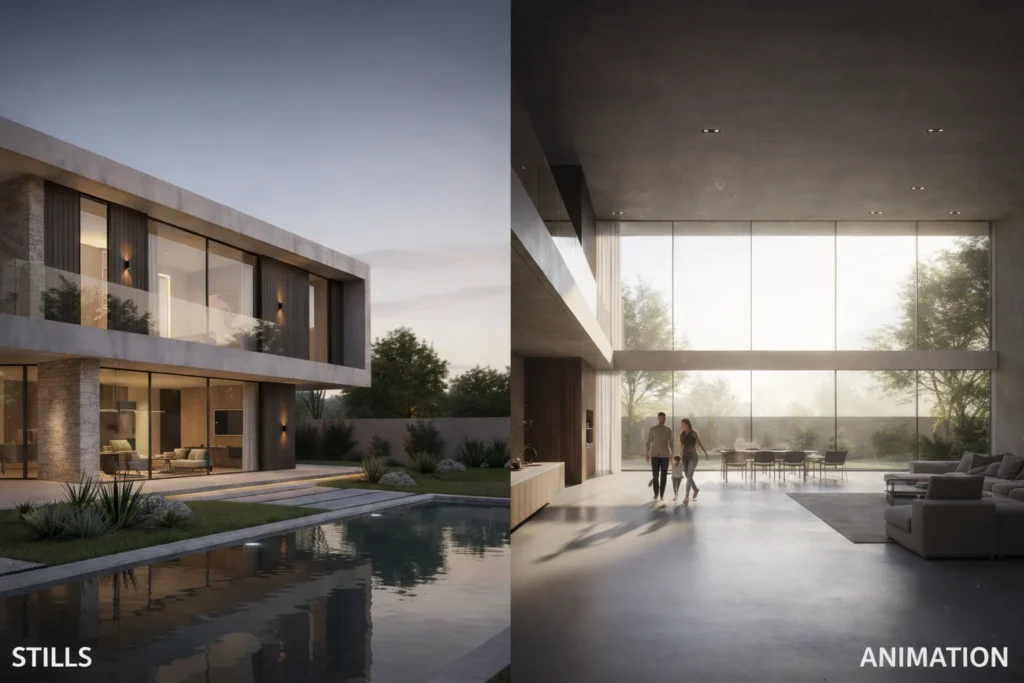
3D visualization allows developers and real estate agents to create content that works effectively across different marketing channels. Realistic images, animations, and walkthrough videos can be shared online to reach a much wider audience. This is especially useful for attracting international buyers or investors who may not be able to visit the property in person.
Explore how digital visualization is used in architecture at
ArchDaily.
By presenting properties through engaging digital visuals, sellers can expand their reach and connect with more potential buyers.
Helping Developers Sell Projects Earlier
Property developers often begin marketing their projects before construction is completed. Selling units early helps developers secure funding and measure market interest in the project. However, convincing buyers to invest in an unfinished property can be challenging.
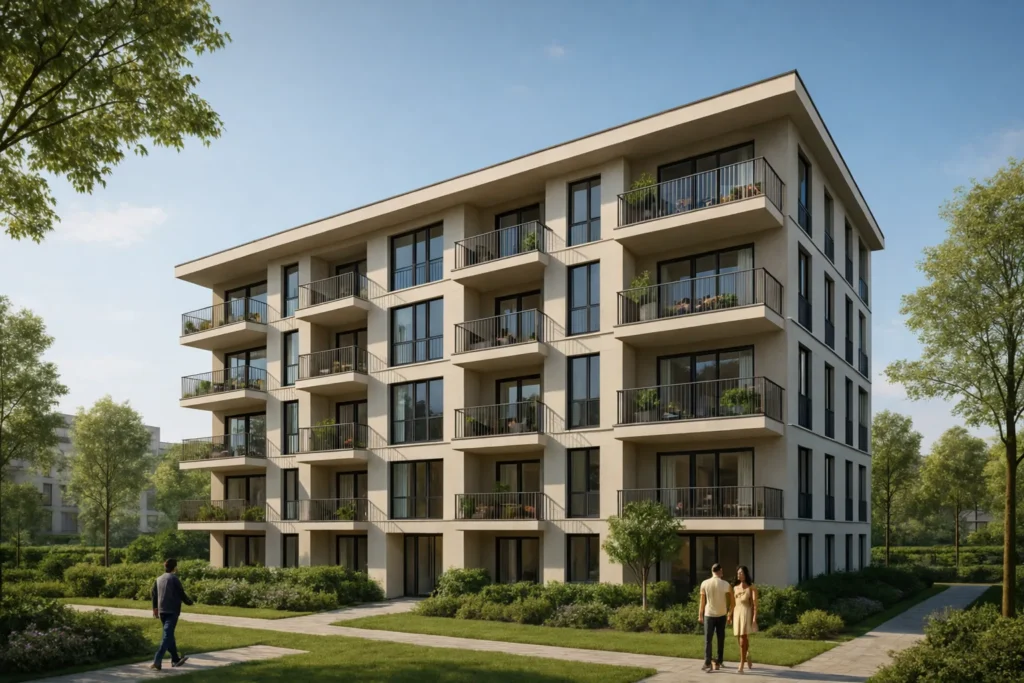
3D visualization helps bridge this gap by showing what the final project will look like. Detailed architectural rendering can present building exteriors, residential units, common areas, and surrounding environments in a realistic format. These visuals help buyers understand the full vision of the development.
As a result, developers can begin generating interest and securing bookings much earlier in the project timeline.
Why Real Estate Professionals Use Visual Technology
Many professionals in the real estate and construction industries rely on visual technology to present their projects more effectively. Architects use it to communicate design ideas clearly. Developers use it to promote new residential and commercial projects. Real estate agents use it to create more engaging listings that attract buyers.
3D visualization helps all of these professionals communicate complex design concepts in a way that is simple and easy to understand. Instead of relying on technical drawings or written descriptions, they can present realistic visuals that instantly show how a property will appear.
This visual approach improves communication and helps build trust between sellers and buyers.
Tips for Using Visual Content in Property Marketing
Focus on High Quality Visuals
Real estate professionals who want to improve their marketing efforts should focus on creating high-quality visual content. Clear and realistic images make a strong impression and help properties stand out in competitive markets.
Use Multiple Visual Formats
Using a combination of exterior renders, interior images, and virtual walkthroughs can create a more complete presentation of the property. It is also important to maintain realistic lighting, materials, and proportions so that buyers receive an accurate representation of the space.
When used thoughtfully, 3D visualization can become one of the most valuable tools in modern property marketing.
Conclusion
The real estate market continues to evolve as technology changes the way properties are presented and marketed. Buyers now expect detailed visual information before making decisions, especially when exploring properties online. Clear and engaging presentations help them understand the design, layout, and atmosphere of a property more easily.
3D visualization provides a powerful way to communicate these details through realistic images, interactive experiences, and immersive property tours. By helping buyers imagine the final result of a project, it reduces uncertainty and builds confidence during the purchasing process.
As digital marketing becomes more important in the real estate industry, visual presentation will continue to play a major role in attracting buyers and supporting faster property sales.