
Benefits of Outsourcing to a 3D Architectural Visualization Studio

Introduction
3D architectural visualization has become an essential part of how modern architecture and real estate projects are presented today. Instead of relying only on drawings or technical plans, clients now expect to see clear, realistic images before making decisions. Whether it is a homebuyer, investor, or developer, everyone wants to understand how a space will actually look and feel before committing. This shift has made visual presentation a core part of project communication, not just an optional add-on.
As expectations have grown, so has the effort required to meet them. Creating high-quality visuals takes time, skill, and access to the right tools. For many firms, managing all of this in-house is becoming difficult. This is why outsourcing has gained popularity in recent years. By working with professionals who specialize in 3D architectural visualization, businesses can deliver strong results without overloading their internal teams.
Outsourcing is not only about reducing workload. It also helps improve quality, speed, and flexibility. In a competitive market where presentation plays a major role, having the right visual support can directly impact how a project is received. This blog explores the real benefits of outsourcing and why it is becoming a preferred approach for many professionals.
What a Visualization Studio Actually Does
A 3D visualization studio focuses on converting ideas, sketches, and technical drawings into realistic digital visuals. These visuals help people understand a project clearly, even if they have no background in architecture or design.
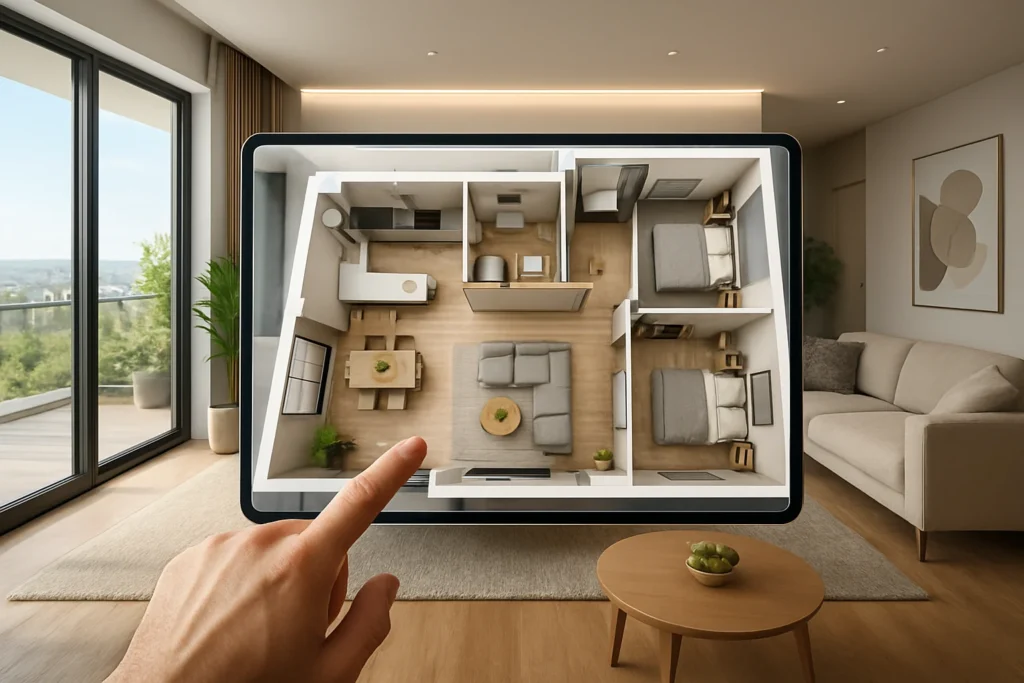
Instead of looking at complex floor plans, clients can see fully rendered images that show materials, lighting, furniture, and overall ambiance. This makes it much easier to imagine the final result.
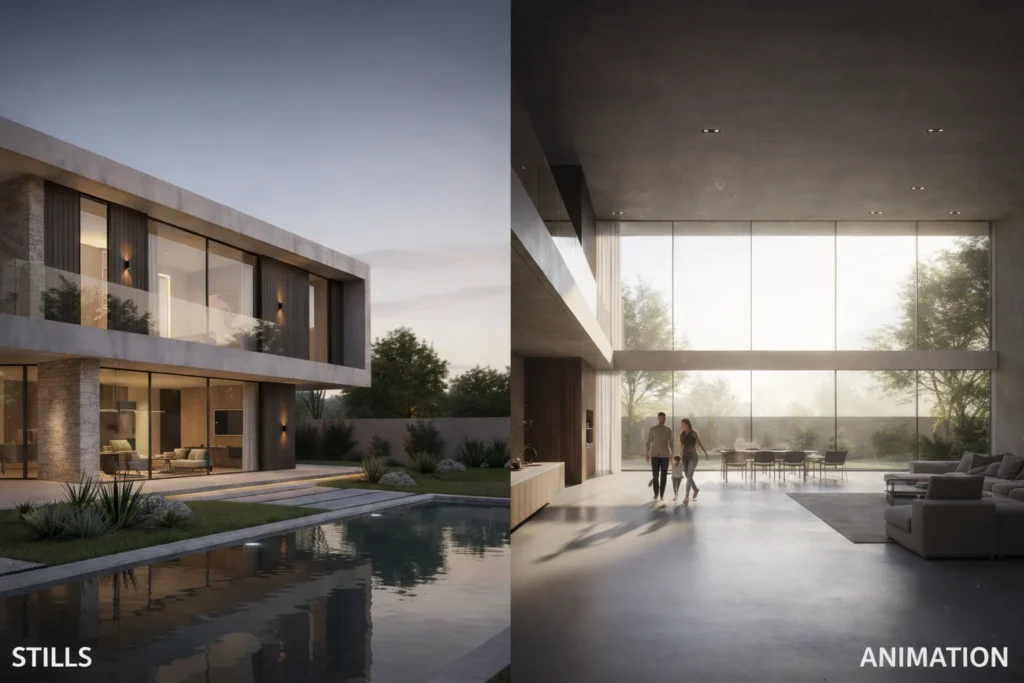
Most studios offer a combination of services, including interior and exterior rendering, 3D modeling, walkthrough animations, and virtual tours. These services are used across different industries, especially in architecture, interior design, and real estate. With 3D architectural visualization, communication becomes simpler and more effective, which helps reduce confusion and improve decision-making.
Why Outsourcing Is Becoming a Preferred Choice
The growing demand for high-quality visuals has made it challenging for companies to keep everything in-house. Hiring a skilled team, investing in software, and maintaining systems requires a significant budget. On top of that, projects often come with tight deadlines, making it even harder to manage everything internally.
Outsourcing provides a practical solution to these challenges. Instead of building a full team, companies can collaborate with experts who already have the necessary experience and tools. This allows businesses to focus on their main work while still delivering high-quality visuals.
Another reason outsourcing is becoming more common is the need for consistency. Clients expect the same level of quality across all presentations. Professional studios that specialize in 3D architectural visualization are better equipped to maintain this consistency across different projects.
The Real Benefits of Outsourcing
Cost Efficiency
One of the most noticeable advantages of outsourcing is cost efficiency. Building an in-house team involves fixed expenses such as salaries, software licenses, hardware upgrades, and training. These costs continue even when there is no active project. Outsourcing, on the other hand, allows businesses to pay only for the work they need. This makes it easier to manage budgets and avoid unnecessary spending.
Speed
Speed is another major benefit. Visualization studios are structured to handle multiple projects at once. They have dedicated teams that follow organized workflows, which helps them deliver work faster. When deadlines are tight, this can make a significant difference. Faster delivery also means quicker approvals and smoother project progress.
Quality
Quality plays a crucial role in how a project is perceived. Poor visuals can create confusion and reduce interest, while high-quality images can capture attention immediately. Professional studios focus entirely on visualization, which means they have a deeper understanding of lighting, textures, and composition. This results in more realistic and appealing outputs. With 3D architectural visualization, better quality often leads to better client responses.
Productivity
Outsourcing also helps improve productivity within the core team. Architects and designers can focus on planning and creative work instead of spending hours on rendering. This balance allows each part of the project to receive proper attention, leading to better overall results.
Flexibility
Flexibility is another important advantage. Not all projects are the same. Some require only a few images, while others need detailed animations and multiple revisions. Outsourcing makes it easy to adjust based on project requirements. Businesses can scale up or down without worrying about hiring or training additional staff.
Outsourcing vs In-House: A Practical View
Choosing between outsourcing and an in-house team depends on the nature of the work. In-house teams offer direct control and faster internal communication, which can be useful for small or ongoing tasks. However, they come with higher costs and limited scalability.
Outsourcing offers more flexibility and access to experienced professionals. It is especially useful for large projects or when high-quality visuals are required within a short time. For many companies, outsourcing 3D architectural visualization provides a better balance between cost and performance.
In reality, many businesses use a combination of both approaches. They keep basic tasks in-house and outsource complex or large-scale work. This hybrid model helps maintain control while still benefiting from external expertise.
When Outsourcing Makes the Most Sense
Outsourcing becomes particularly useful in situations where internal resources are limited or deadlines are tight. For example, when a company is handling multiple projects at the same time, it may not have enough capacity to manage visualization work efficiently.
It is also helpful when a project requires a higher level of detail or realism. Professional studios have the experience needed to deliver high-end visuals that meet client expectations. In such cases, outsourcing 3D architectural visualization ensures that quality is not compromised.
Real estate marketing is another area where outsourcing proves valuable. Developers often need visuals before construction is completed. These visuals play a key role in attracting buyers and investors. By outsourcing, they can ensure that the images are professional and delivered on time.
Addressing Common Concerns
Despite its advantages, some businesses hesitate to outsource because of concerns related to quality, communication, and reliability. These concerns are understandable, but they can usually be managed with the right approach.
Quality control is often the first concern. A good studio will provide sample work and allow revisions to ensure that the final output meets expectations. Clear guidelines and reference materials also help maintain consistency.
Communication is another important factor. Working with a team in a different location may seem challenging, but most studios today follow structured communication processes. Regular updates and feedback loops help keep the project on track.
Time zone differences are less of an issue than they used to be. Many studios adjust their schedules to match client requirements, ensuring smooth collaboration.
Data security is also taken seriously by professional studios. They follow proper practices to protect project files and maintain confidentiality. Once a reliable partner is found, outsourcing 3D architectural visualization becomes a smooth and dependable process.
Choosing the Right Studio
Selecting the right visualization partner can make a big difference in the final result. It is important to take some time to evaluate options before making a decision.
Start by reviewing the studio’s portfolio. This gives a clear idea of their style, quality, and experience. Consistency in their work is a good sign of reliability.
It is also useful to discuss project timelines and delivery expectations in advance. This helps avoid delays and misunderstandings later. Pricing should be transparent, with clear details about revisions and additional changes.
Communication should not be overlooked. A studio that listens carefully and responds clearly will make the entire process much easier. When all these factors come together, 3D architectural visualization becomes a smooth and efficient part of the project.
Impact on Real Estate Marketing
In real estate, visuals often determine how a project is perceived. Buyers usually explore properties online before making any decisions. This makes high-quality images and animations extremely important.
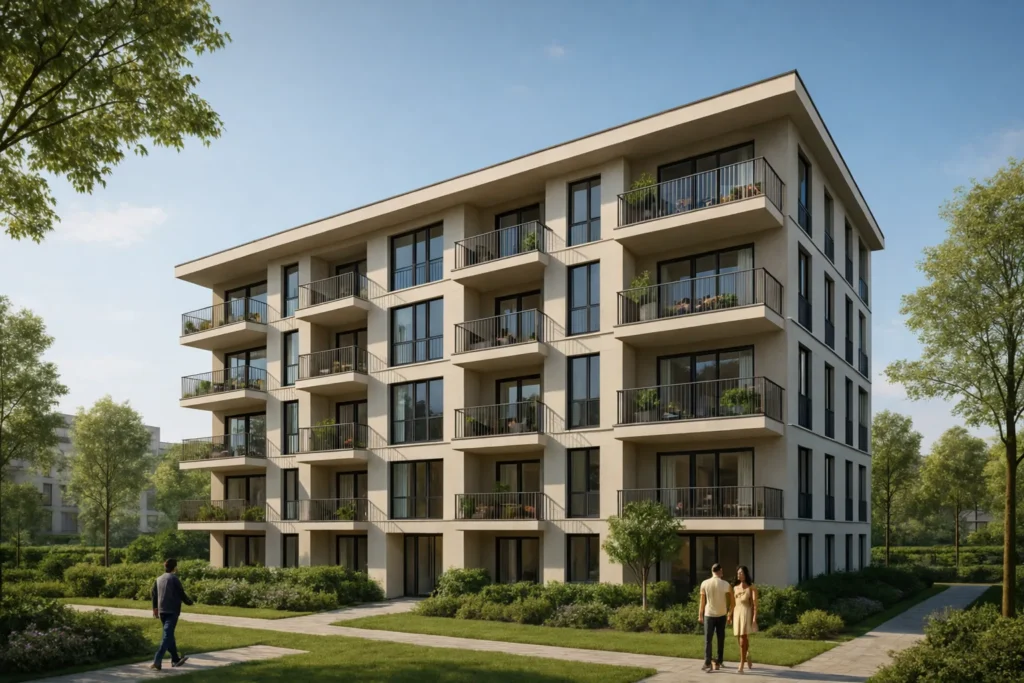
With the help of 3D architectural visualization, developers can present properties even before they are built. This allows them to generate interest early and attract potential buyers. Clear and realistic visuals also help build trust, as clients can see exactly what they are investing in.
Well-presented visuals can improve listings, support marketing campaigns, and increase engagement. They make it easier for buyers to connect with a property and imagine themselves in that space.
The Future of Visualization in Architecture
The role of visualization is expected to grow even further in the coming years. New technologies are making visuals more interactive and immersive. Virtual tours and real-time rendering are becoming more common, allowing clients to explore designs in a more engaging way.
As expectations continue to rise, the demand for 3D architectural visualization will also increase. Companies that adapt to these changes will have a clear advantage in both design and marketing.
Outsourcing will continue to play an important role in this process. It allows businesses to keep up with new trends without investing heavily in tools and training. By working with experienced professionals, they can deliver modern and effective visual presentations.
Conclusion
Outsourcing has become a practical and reliable approach for handling visualization work. It helps reduce costs, improve quality, and save time, all while giving businesses the flexibility to manage different types of projects.
3D architectural visualization is now a key part of how ideas are presented and understood. It makes communication easier, improves client confidence, and supports better decision-making. By outsourcing this work, companies can focus on their core strengths while still delivering high-quality visuals.
In a market where presentation plays a major role, having the right visual support can make a significant difference. Outsourcing provides a way to achieve this balance without adding unnecessary pressure on internal teams. As the industry continues to evolve, it will remain an important strategy for businesses looking to stay competitive and efficient.
For more insights, you can explore:
3D Visualization Overview and
Architecture Trends and Projects.