
How 3D Rendering Services Increase ROI for Developers
Introduction
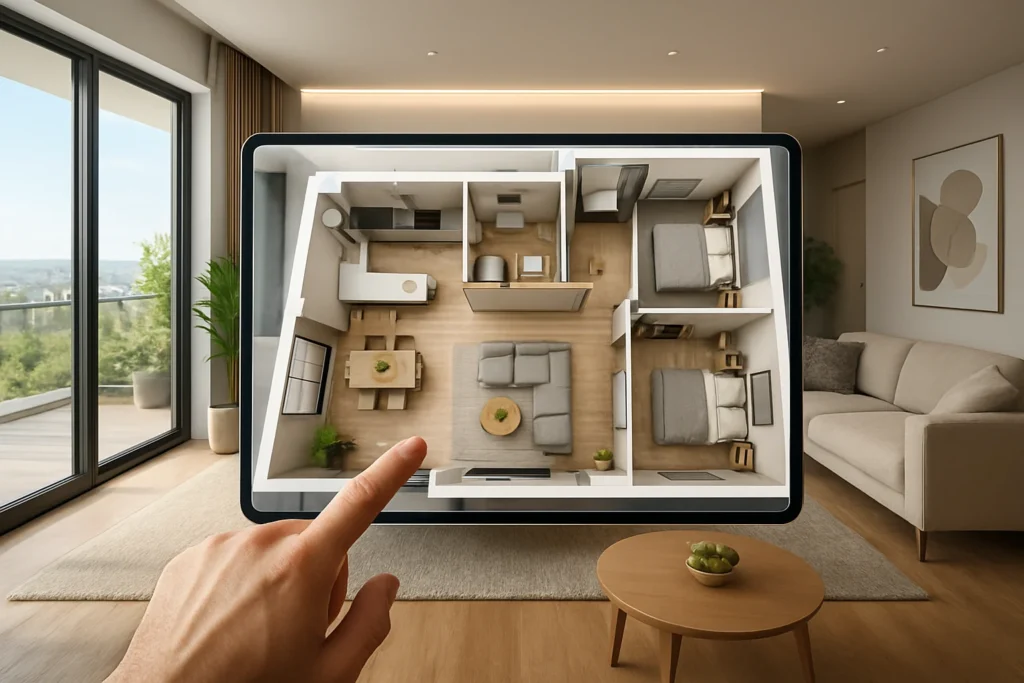
Imagine trying to sell a property that hasn’t been built yet. You show floor plans, technical drawings, and maybe a few references—but for most buyers, that’s still not enough. They struggle to picture the final outcome, which leads to hesitation and delays.
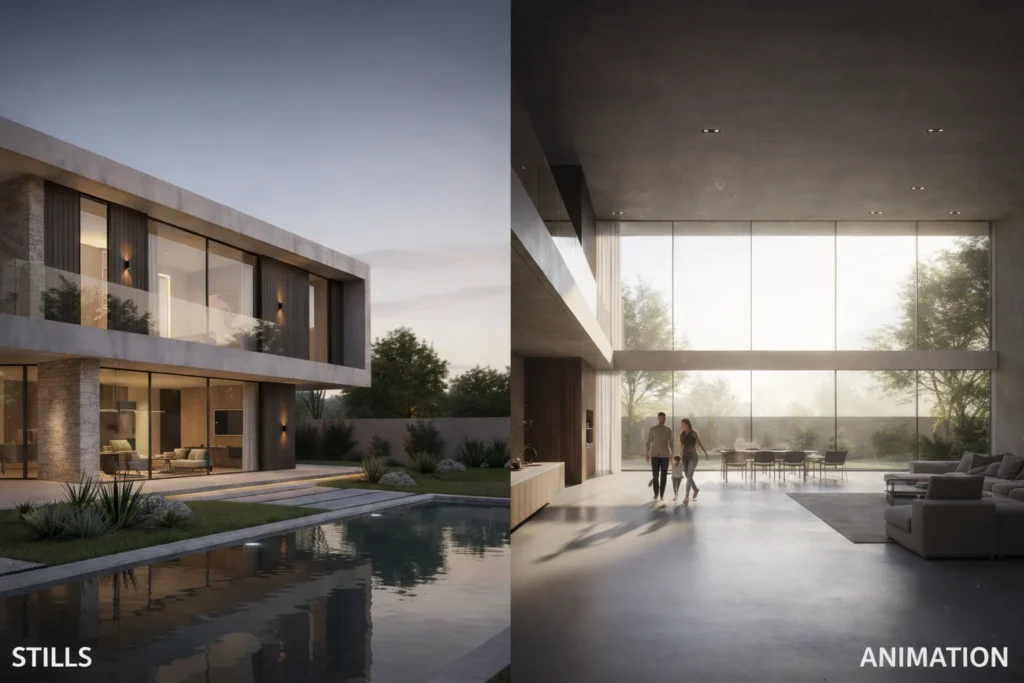
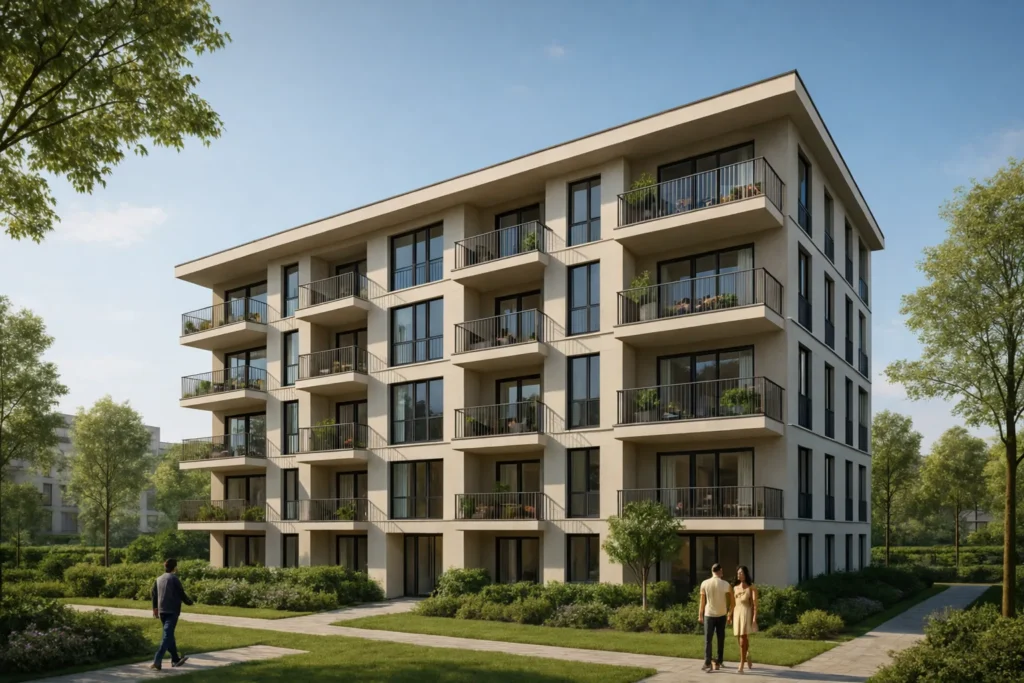
This is exactly where modern visual solutions have changed the way real estate works. Instead of asking buyers to imagine, developers can now present a clear and realistic view of the finished project. From interiors to full exteriors, everything becomes easier to understand.
Today’s buyers don’t just want information—they want to feel confident in their decision. When they can actually see what they’re investing in, that confidence grows. And for developers, that directly translates into better returns, faster sales, and fewer obstacles.
What Developers Really Mean by ROI Today
3D Rendering Services have quietly changed how developers look at return on investment in real estate. It’s no longer just about the final profit at the end of a project. Today, ROI is also about how efficiently a project moves from launch to completion, where time, cost control, and sales speed all play a major role.
For most developers, ROI now includes how early they can start selling, how quickly buyers make decisions, and how much they spend on marketing or revisions. A project that sells faster with fewer delays often delivers just as much value as one with higher margins on paper.
This broader understanding of ROI is what makes visual presentation such a powerful tool—it supports multiple parts of the process at once.
How Visual Content Changes Buyer Behavior
Buying a home is not purely logical. It’s emotional. Buyers want to imagine their future in that space, and that’s difficult when all they see are flat drawings.
When realistic visuals are introduced, the experience changes completely. Buyers can connect with the property. They understand the layout better, get a sense of scale, and start picturing their life there.
This shift reduces confusion and builds trust. Instead of asking multiple questions or delaying decisions, buyers feel more confident moving forward. Over time, this leads to quicker conversions and a smoother sales process.
Pre-Sales: Selling Before Construction Begins
One of the most practical advantages for developers is the ability to start selling early. Waiting for construction progress used to slow down revenue, but now projects can attract buyers right from the launch phase.
When a project is presented clearly, buyers don’t feel like they’re taking a risk on something unknown. They can see the finished result and make decisions based on that clarity.
This early interest often leads to steady bookings, which helps maintain cash flow and reduces financial pressure during construction. It also creates momentum around the project, making it more appealing to future buyers.
Faster Sales Cycle and Quicker Decisions
In a traditional setup, property sales can take time. Buyers visit sites, review plans, compare options, and often delay their decisions because they’re unsure.
When strong visuals are part of the presentation, much of this uncertainty disappears. Buyers don’t need as many visits or repeated explanations—they already understand what’s being offered.
As a result, the overall sales cycle becomes shorter. Deals close faster, and developers can move forward without long waiting periods. This speed plays a key role in improving overall returns.
Better Pricing Through Stronger Presentation
The way a property is presented has a direct impact on how it is valued. When buyers see a well-presented project, it naturally feels more premium, even if the actual construction cost hasn’t changed.
Good visuals highlight the lifestyle, not just the structure. They show how the space will look, feel, and function. This creates a stronger impression and often allows developers to position their project at a better price point.
Over time, even a small improvement in pricing across multiple units can make a noticeable difference in total returns.
Where Cost Savings Quietly Happen
While increased sales are easy to notice, cost savings often go unnoticed—but they are just as important.
Instead of building expensive sample flats or relying heavily on physical setups, developers can present everything digitally. This reduces upfront expenses and allows more flexibility during the planning stage.
It also helps avoid costly mistakes. Design issues can be identified early and corrected before construction begins, which prevents rework and delays later on.
Some of the most common areas where savings happen include:
- Reduced need for physical mockups
- Fewer design revisions during construction
- Lower marketing production costs
These savings may seem small individually, but together they contribute significantly to overall profitability.
Clear Communication with Investors and Teams
Real estate projects involve many people—investors, architects, contractors, and marketing teams. When everyone is working with different interpretations of drawings, confusion can easily arise.
Visual representation removes that gap. It allows everyone involved to see the same vision, making discussions clearer and decisions faster.
This clarity improves coordination and builds trust. Investors feel more confident, approvals happen more smoothly, and the entire project moves forward with fewer misunderstandings.
Marketing That Connects with Today’s Buyers
Modern marketing is highly visual. Whether someone is browsing social media or visiting a project website, their attention is drawn to images and videos first.
Strong visuals make marketing more effective because they instantly communicate the value of a project. Instead of long explanations, buyers can quickly understand what’s being offered.
Another advantage is how versatile these assets are. A single set of visuals can be used across ads, brochures, websites, and presentations, making marketing efforts more consistent and efficient.
To understand more about real estate trends and marketing, you can explore
real estate market insights and
return on investment basics.
Reducing Errors Before Construction Starts
Mistakes during construction can lead to delays and increased costs. Even small issues, if discovered late, can become expensive to fix.
With detailed visualization, developers can review every aspect of the design before work begins. Layouts, materials, and lighting can all be tested in advance.
This approach reduces uncertainty on-site and helps teams execute the plan more accurately. In the long run, it keeps projects on schedule and within budget.
A More Immersive Experience for Buyers
Buyers today expect more than static images. They want to explore spaces in a way that feels real, even if the project is still under development.
Virtual walkthroughs make this possible. They allow buyers to move through a property, understand the flow of spaces, and experience the design in a more engaging way.
This is especially helpful for buyers who cannot visit the site in person. It keeps them involved and interested, regardless of their location.
Why Outsourcing Works Better for Many Developers
Creating an in-house team for visual work can be expensive and time-consuming. It involves hiring, training, and maintaining resources even when there is no active project.
Outsourcing offers a more flexible approach. Developers can access skilled professionals when needed, without the long-term commitment of a full-time team.
It also helps maintain quality and speed, which are both important in competitive markets. By relying on external expertise, developers can focus more on their core responsibilities.
A Simple Example of Real Impact
Consider a residential project that initially struggled to attract buyers. The developer relied mainly on basic plans and limited marketing material, which didn’t create much interest.
After introducing detailed visuals and walkthroughs, the response changed. Buyers understood the project better, inquiries increased, and bookings started to come in faster.
Over time, this led to stronger sales, reduced marketing effort, and better pricing. The project gained momentum simply because it was presented more clearly.
Common Mistakes to Avoid
While visual tools can make a big difference, the results depend on how they are used. Some developers make the mistake of choosing low-quality visuals or treating them as a secondary element.
Another common issue is limited use. If visuals are only used in one part of marketing instead of across all channels, their impact is reduced.
Focusing only on cost instead of quality can also affect results. In most cases, better presentation leads to better outcomes, making it worth the investment.
What Developers Should Measure
To understand the real impact, it’s important to look at a few key indicators. These include how quickly units are sold, how many inquiries turn into actual bookings, and how much cost is saved during the project.
Tracking these factors helps developers see the full picture. It shows not just the visible benefits, but also the improvements happening behind the scenes.
Conclusion
Visual presentation has become an essential part of modern real estate. It is no longer just about showing designs—it plays a direct role in how projects are marketed, understood, and sold.
Developers who use it effectively often see smoother processes and stronger results. They communicate better, attract more buyers, and complete projects with fewer challenges.
In a market where clarity and confidence matter, being able to show the final vision clearly can make all the difference.