
Role of 3D Visualizer in Commercial Architecture Projects
Introduction
A 3d visualizer plays a key role in shaping how commercial architecture projects are understood, presented, and approved. In today’s fast-moving real estate and construction space, drawings and technical plans alone are not enough. Clients, investors, and stakeholders want to see how a project will actually look before it is built. This is where visual representation becomes essential.
Commercial architecture projects often involve large investments, multiple decision-makers, and tight timelines. Clear communication is critical at every stage, and this is where a 3d visualizer helps bridge the gap between technical design and real-world understanding. By turning ideas into realistic visuals, they make it easier for everyone involved to stay aligned.
From office buildings to shopping malls and mixed-use developments, visual content is now a core part of project planning and marketing. As expectations grow, the demand for high-quality architectural visualization continues to rise, making this role more important than ever.
What Does a 3D Visualizer Do in Commercial Projects?
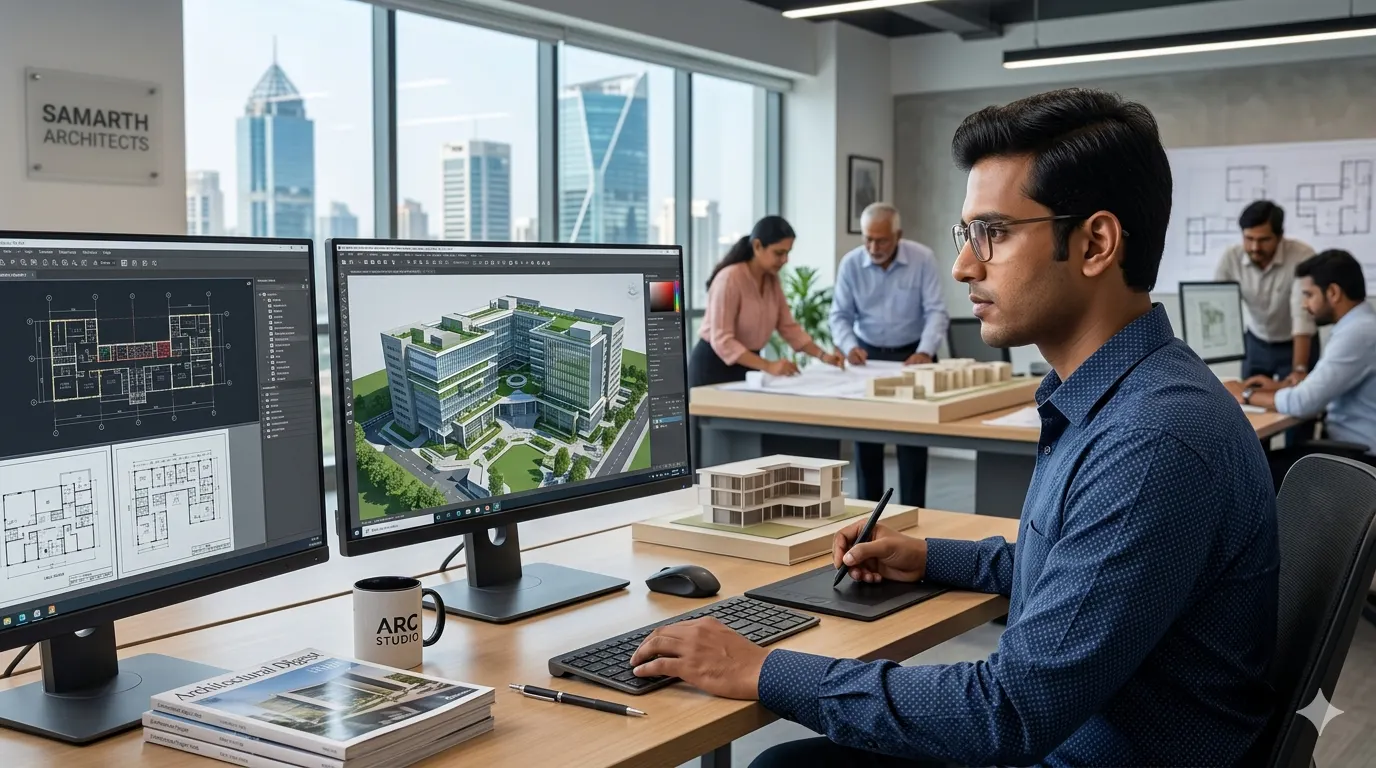
3d visualizer is responsible for converting architectural concepts into detailed visual outputs that are easy to understand. They take inputs like CAD drawings, sketches, and design references and transform them into realistic images or animations.
In commercial projects, this work goes beyond basic modeling. It includes creating full environments that reflect real-world lighting, materials, and scale. Whether it is an office interior or a large retail complex, the goal is to present the space as accurately as possible.
They also work closely with architects, interior designers, and developers to ensure that the final visuals match the design intent. Since many clients may not have a technical background, these visuals help them make informed decisions without confusion.
Why Commercial Architecture Needs Clear Visualization
Commercial architecture projects are complex by nature. They involve higher budgets, larger spaces, and more stakeholders compared to residential projects. Because of this, even small misunderstandings can lead to costly changes later.
Clear visualization helps avoid such issues. When a design is presented through realistic images, it becomes easier for clients and investors to understand the layout, materials, and overall feel of the space. A 3d visualizer helps bring this clarity early in the process.
Another important aspect is approvals. Whether it is internal approval from stakeholders or external approvals from authorities, well-prepared visuals can make the process smoother. They provide a clear picture of what is being proposed, reducing back-and-forth discussions.
Key Responsibilities in a Commercial Architecture Workflow
Understanding Project Requirements
The first step involves carefully studying the project details. A 3d visualizer reviews architectural drawings, floor plans, and reference materials to understand the design vision. This stage is important because accuracy here affects the entire workflow.
3D Modeling and Scene Creation
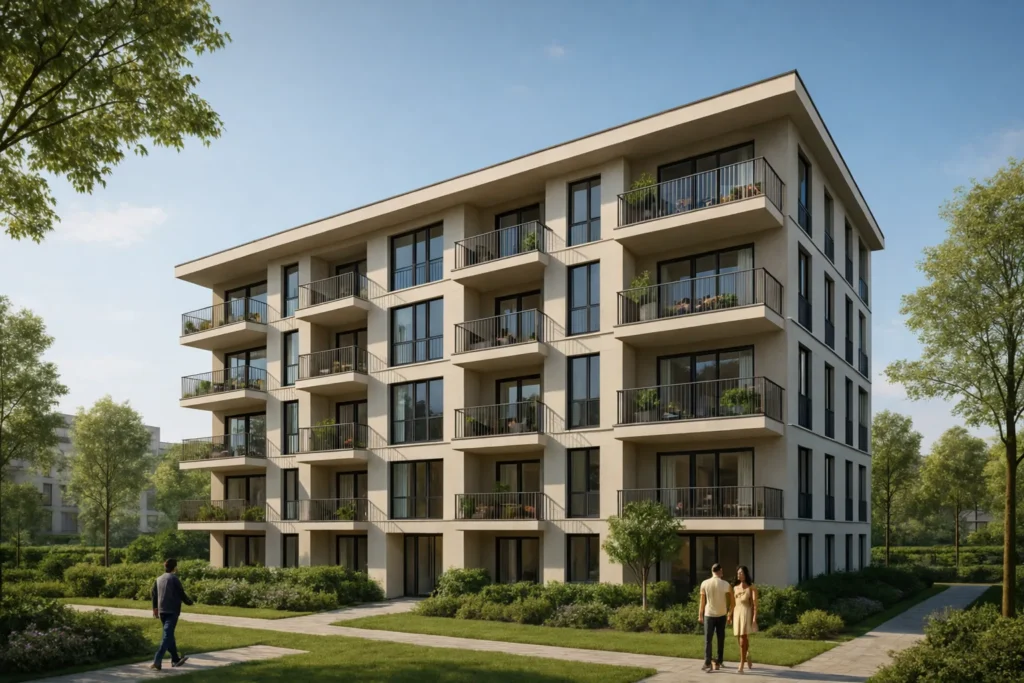
Once the requirements are clear, the next step is building the 3D model. This includes creating structures, interiors, and surrounding elements. In commercial architecture, this often means working on large-scale models like office towers, retail spaces, or business parks.
Lighting, Materials, and Realism
Adding realistic lighting and materials is what brings a scene to life. From glass reflections in corporate buildings to textures in interior spaces, every detail matters. A skilled 3d visualizer ensures that the visuals feel natural and close to real life.
Rendering and Final Output
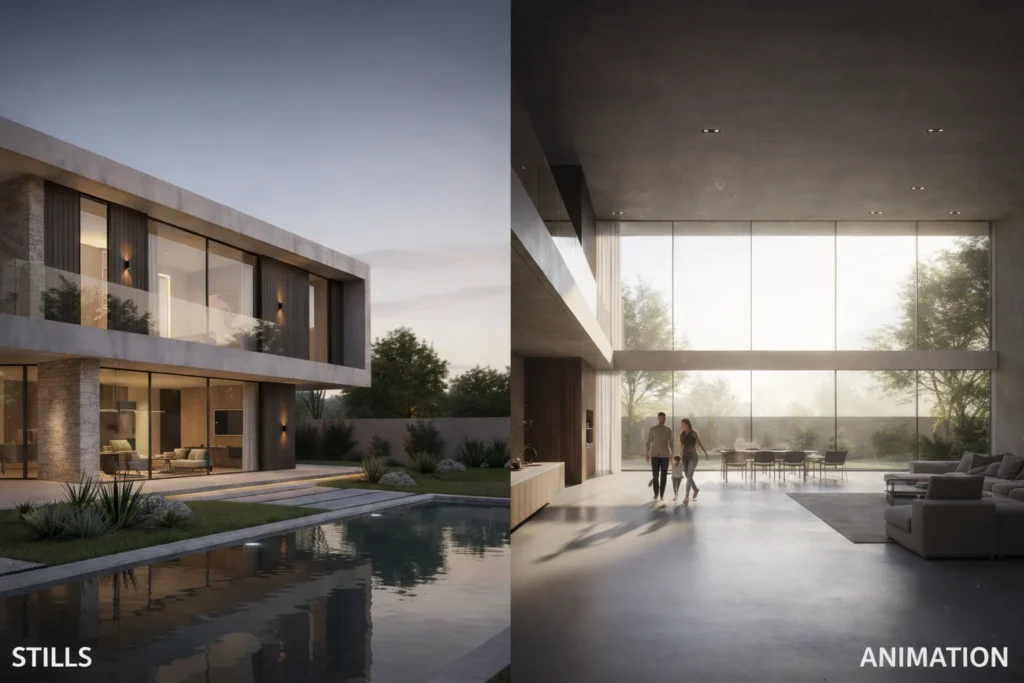
Rendering is the process of generating the final images or animations. These outputs are used for presentations, marketing, and client approvals. High-quality rendering can make a strong impression and help a project stand out.
Revisions and Client Feedback
Commercial projects often go through multiple revisions. Based on feedback from clients or design teams, updates are made to the visuals. This iterative process ensures that the final output matches expectations.
How 3D Visualizers Support Different Project Stages
Concept Stage
In the early phase, visuals help communicate ideas. Basic models and mood-based renders give a rough idea of the design direction. A 3d visualizer helps shape these ideas into something visible.
Design Development
As the design progresses, visuals become more detailed. Materials, lighting, and layout are refined to reflect the final concept. This stage requires close coordination with the design team.
Pre-Marketing Stage
Before construction begins, visuals are often used for marketing. Brochures, websites, and advertisements rely on high-quality renders to attract buyers and investors.
Pre-Construction Stage
Detailed visuals can also help identify design issues before construction starts. This reduces the risk of errors and saves time and cost during execution.
Impact on Commercial Project Success
The contribution of a 3d visualizer goes beyond just creating images. Their work directly affects how a project moves forward.
Clear visuals help speed up decision-making. When stakeholders can see exactly what they are approving, the process becomes faster and more confident. This is especially important in commercial projects where delays can be expensive.
They also improve communication between teams. Architects, engineers, and developers can refer to the same visuals, reducing misunderstandings. In addition, high-quality renders play a big role in marketing, helping projects attract attention even before completion.
Tools and Software Commonly Used
To create detailed visuals, a 3d visualizer uses a range of tools. Modeling software like AutoCAD, SketchUp, and 3ds Max helps build the structure of the project. Rendering tools like V-Ray and Lumion are used to generate realistic images.
Learn more about these tools here:
3ds Max Official Page
V-Ray Rendering Software
Post-production tools such as Photoshop are used to enhance the final output. These tools help adjust colors, lighting, and overall presentation to make the visuals more appealing.
The choice of software may vary depending on the project requirements, but having a strong understanding of these tools is essential for delivering quality work.
Skills That Make a Great Visualizer
A successful 3d visualizer combines technical knowledge with creative thinking. Attention to detail is one of the most important skills, as even small elements can affect the final output.
Understanding architectural concepts is also necessary. This helps in creating accurate models and aligning with the design intent. Creativity plays a role in presenting the project in a visually appealing way.
Communication skills are equally important. Since they work with different teams, being able to understand and respond to feedback is essential for smooth collaboration.
Difference Between Residential and Commercial Visualization
Commercial visualization is quite different from residential projects. The scale is much larger, and the level of detail required is higher. Projects often include multiple sections like offices, retail spaces, and public areas.
There are also more stakeholders involved, which means more revisions and coordination. A 3d visualizer working on commercial projects needs to handle these complexities while maintaining quality and consistency.
Another key difference is the focus on branding. Commercial spaces often need to reflect a company’s identity, which adds another layer of detail to the visualization process.
Common Challenges in Commercial Projects
Working on commercial architecture projects comes with its own set of challenges. Tight deadlines are one of the biggest issues, especially when multiple revisions are required in a short time.
Large-scale models can also be difficult to manage. They require more computing power and careful optimization to ensure smooth rendering. A 3d visualizer must balance quality with performance to meet project timelines.
Frequent design changes can also be challenging. As projects evolve, updates need to be made quickly without affecting overall quality. This requires flexibility and strong workflow management.
Future Trends in Commercial Visualization
The field of architectural visualization is constantly evolving. New technologies are changing how projects are presented and experienced.
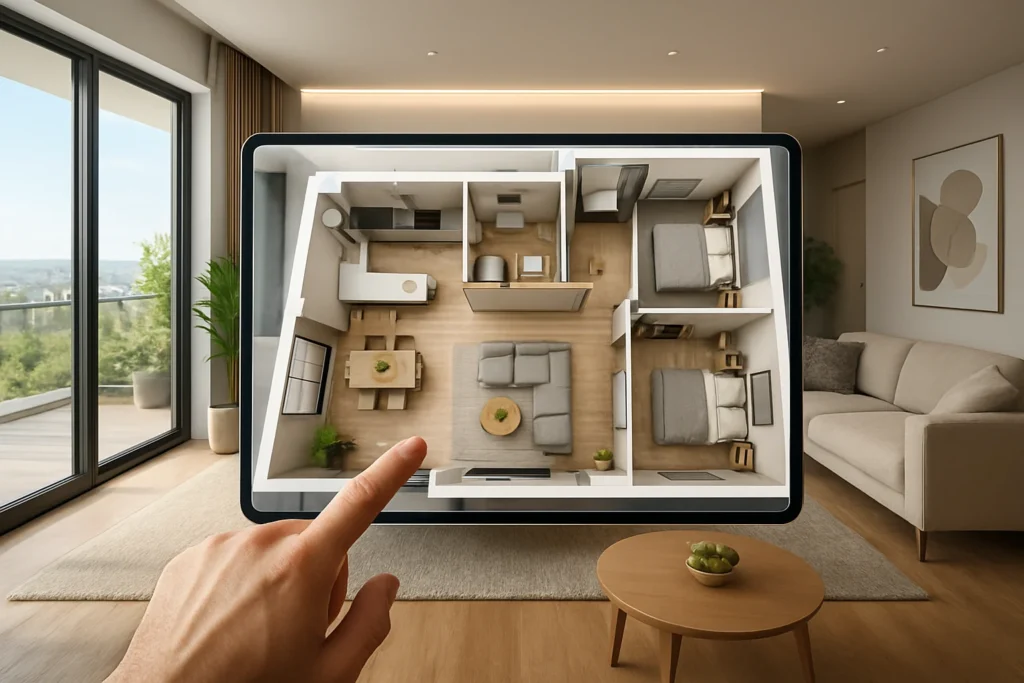
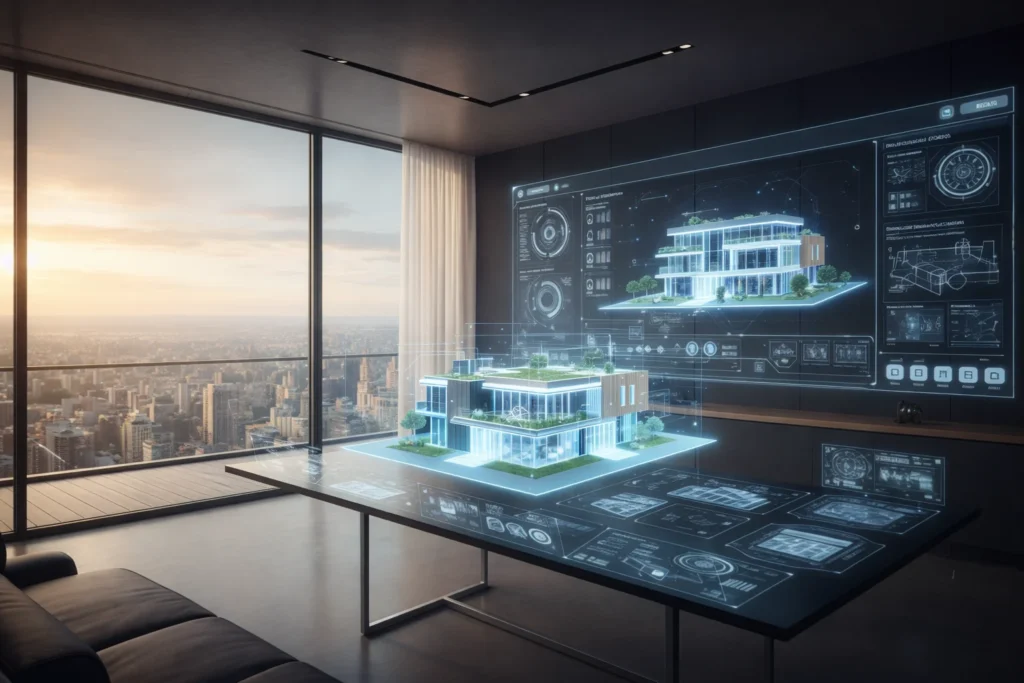
Real-time rendering is becoming more popular, allowing clients to explore designs interactively. Virtual reality is also gaining attention, offering immersive walkthroughs that give a better sense of space.
As these technologies grow, the role of a 3d visualizer will continue to expand. They will not only create static images but also interactive experiences that help clients engage with designs in new ways.
Conclusion
A 3d visualizer plays an important role in commercial architecture projects by turning ideas into clear and realistic visuals. Their work helps improve communication, support decision-making, and present projects in a more effective way.
From early concepts to final presentations, they contribute at every stage of the process. As commercial projects become more complex, the need for strong visual representation will only continue to grow.
In a field where clarity and presentation matter as much as design, the role of a 3d visualizer remains essential for bringing commercial architecture projects to life.