
3D architectural visualization plays a powerful role in commercial architecture
Introduction
3D architectural visualization plays a powerful role in how commercial architecture projects are planned, presented, and executed today. In a fast-moving real estate and construction market, clarity is everything. Clients, investors, and stakeholders no longer rely only on drawings or verbal explanations. They want to see exactly what they are investing in before the first brick is laid. This shift has made visual representation an essential part of the design process rather than just a supporting element.
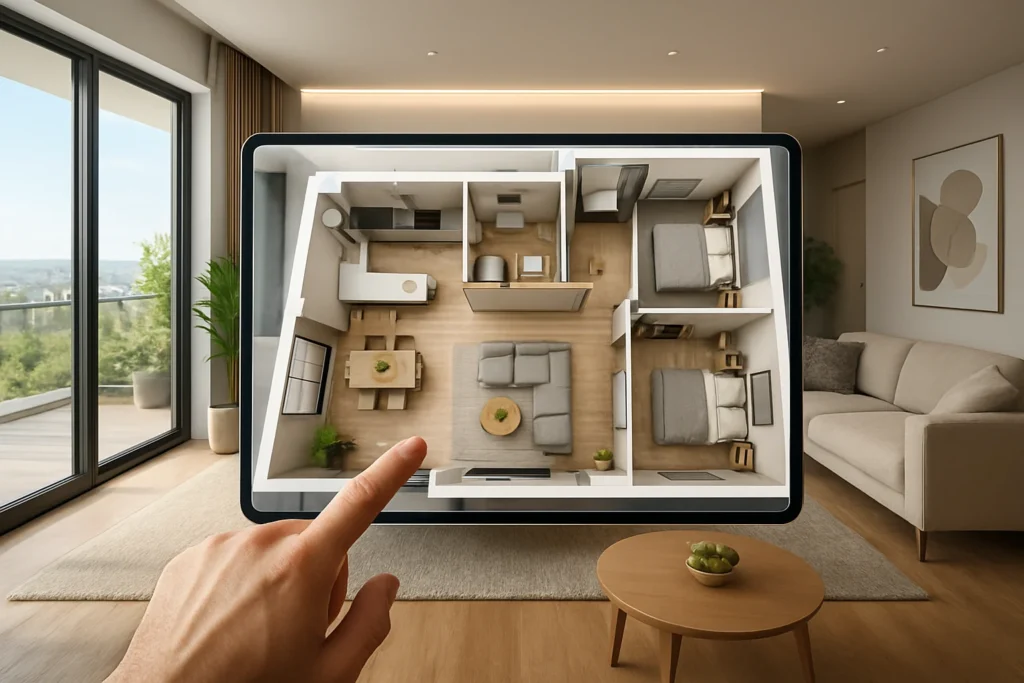
Commercial architecture projects are often large, complex, and involve multiple decision-makers. From office buildings and retail outlets to hotels and mixed-use developments, every project requires clear communication at every stage. This is where visual tools step in and change how ideas are shared and understood. Instead of imagining spaces from technical drawings, people can now experience them visually. This makes discussions more practical, decisions more confident, and outcomes more aligned with expectations.
The real work of a 3D visualizer in projects
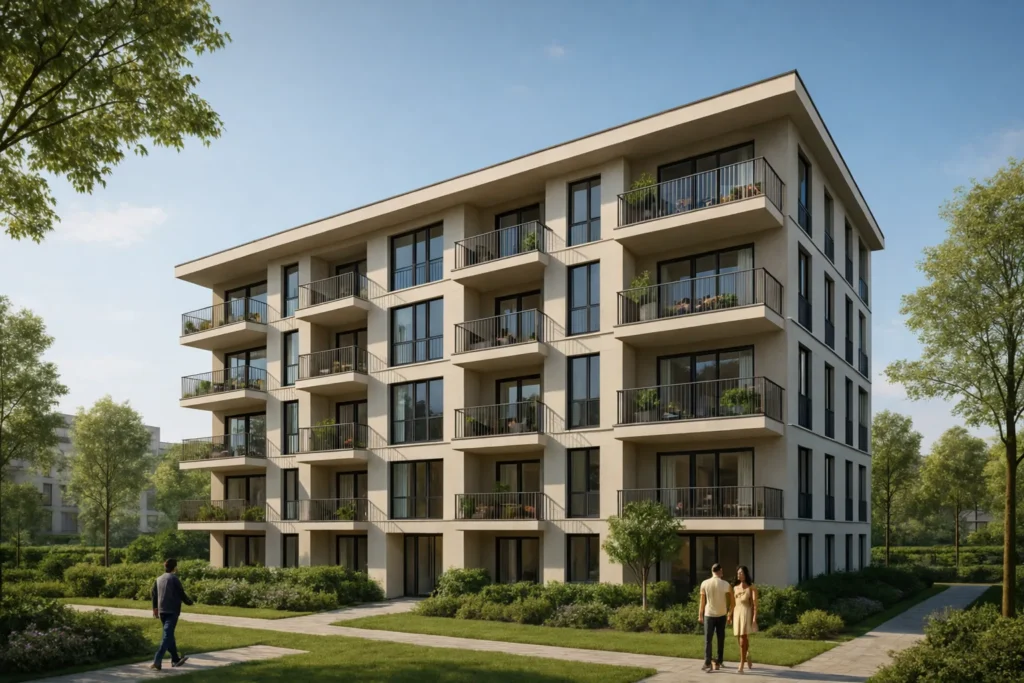
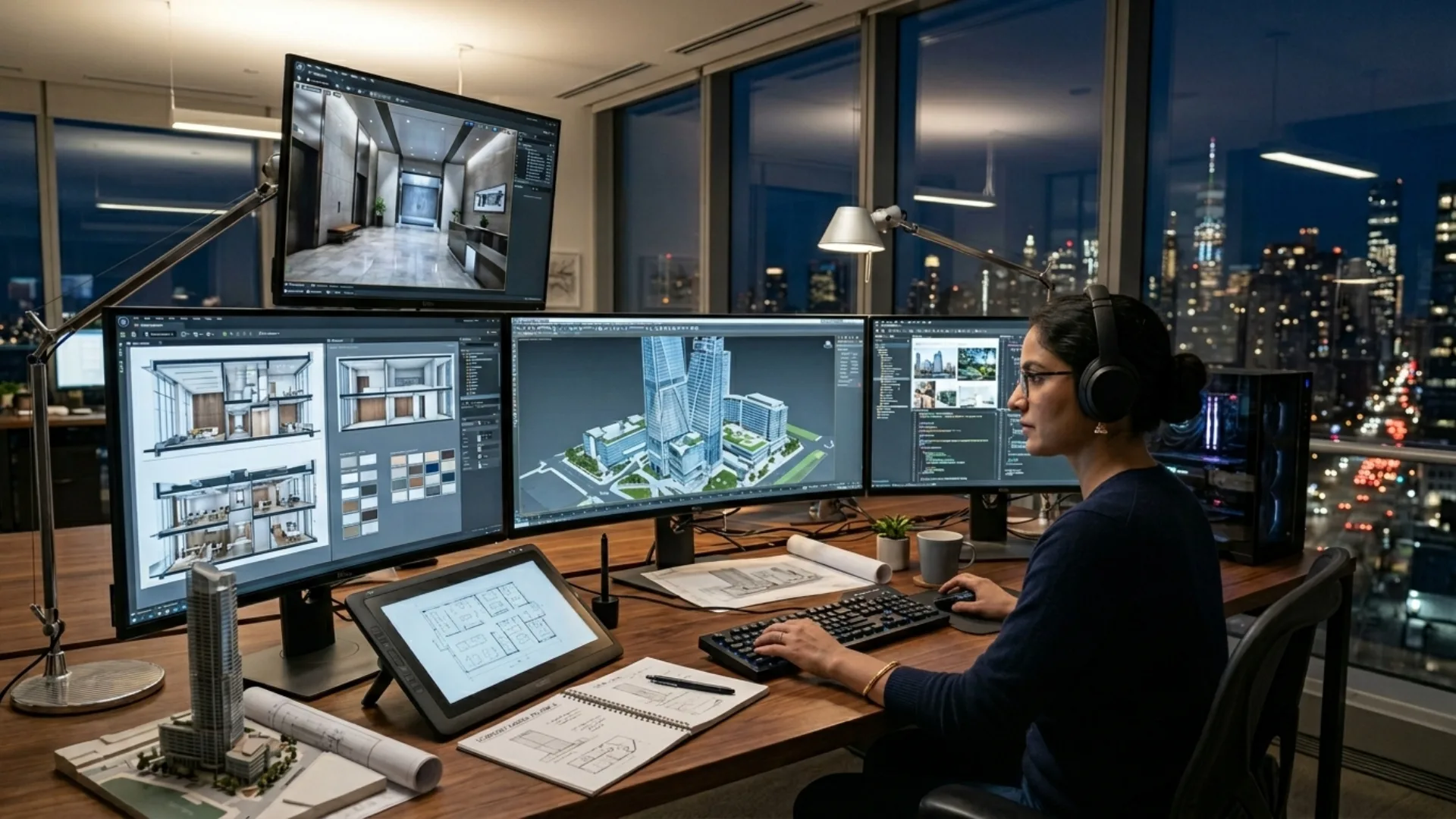
At the center of this process is the 3D visualizer. Their role is to take concepts, drawings, and design intent and turn them into realistic digital representations. These visuals are not just about making things look attractive; they are about accuracy, clarity, and storytelling. A well-created visual can explain more in seconds than pages of technical drawings ever could. This is why 3D architectural visualization has become such a valuable part of commercial architecture today.
A 3D visualizer works closely with architects, interior designers, and developers to understand the project from both a technical and creative perspective. They study floor plans, elevations, materials, and lighting requirements, then use advanced software to build a digital version of the space. This process involves creating models, applying textures, setting up lighting, and rendering images that closely match real-life conditions. The goal is to create visuals that feel real and believable while staying true to the design.
Role of visualization from concept to completion
The involvement of a visualizer begins early in the project. During the concept stage, when ideas are still forming, visuals help translate rough thoughts into something visible. This makes it easier for clients to understand the direction of the project and provide feedback. Instead of relying on imagination, they can see a basic version of what the final outcome might look like. This early clarity reduces confusion and sets a strong foundation for the next stages.
As the project moves into design development, the role of the visualizer becomes even more important. Details such as materials, colors, lighting, and furniture layouts are refined during this stage. Visuals allow designers to test different options and compare them before making final decisions. This reduces the risk of errors and ensures that the design works both visually and functionally. At this stage, 3D architectural visualization helps bridge the gap between concept and reality.
Making ideas easy to understand for clients
Communication is one of the biggest challenges in commercial architecture, especially when multiple teams are involved. Architects, engineers, contractors, and clients often have different ways of understanding design. Without a clear reference, this can lead to misunderstandings and delays. Visuals solve this problem by providing a common language that everyone can understand. When all stakeholders are looking at the same image, it becomes easier to discuss changes, identify issues, and move forward with confidence.
Another important role of visualization is helping clients connect emotionally with the project. Commercial spaces are not just functional; they are also designed to create experiences. Whether it is a modern office, a luxury hotel, or a retail store, the way a space looks and feels plays a big role in its success. Through realistic visuals, clients can imagine how people will interact with the space, how light will enter the building, and how the overall environment will feel. This emotional connection often influences decision-making in a positive way.
How visualization supports better design decisions
In addition to communication, visualization plays a major role in improving design decisions. Designers can explore multiple options without physically building anything. They can experiment with materials, finishes, lighting conditions, and layouts to find what works best. This flexibility allows them to refine their ideas and create more effective designs.
With 3D architectural visualization, potential design issues can be identified early. Problems related to spacing, proportions, or lighting can be corrected before construction begins. This reduces the chances of costly changes later and helps maintain the overall quality of the project.
Importance of visualization in marketing commercial projects
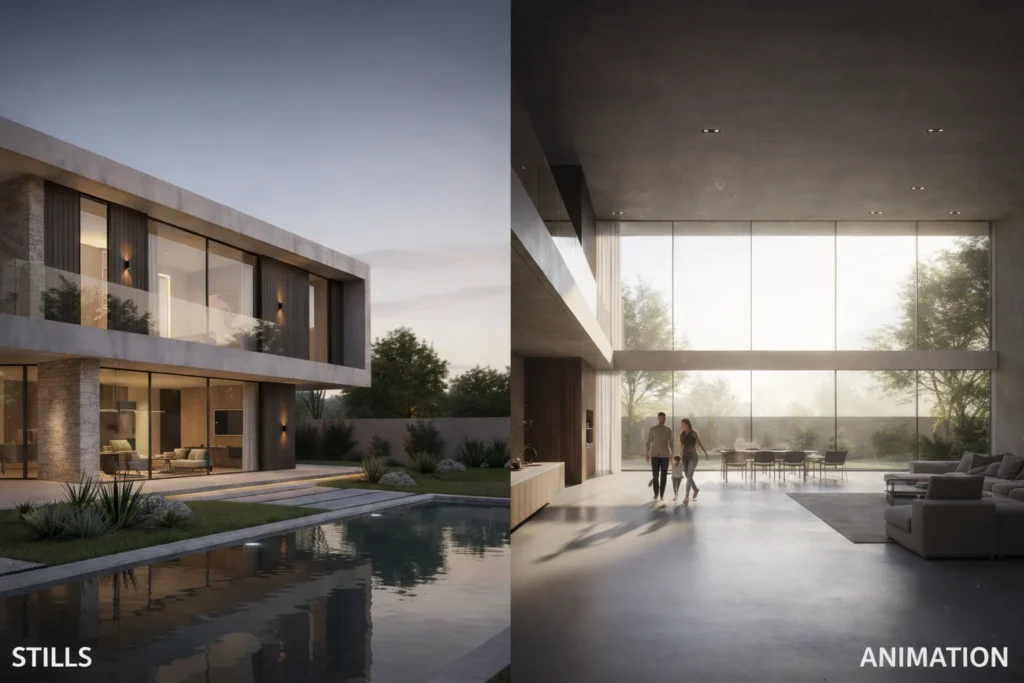
In today’s competitive market, presentation is just as important as design. Developers need to promote their projects even before construction is completed. This is where visual content becomes a powerful marketing tool. High-quality renders and walkthroughs help showcase the project in a realistic and appealing way.
These visuals are used across different platforms such as websites, social media, and brochures. They help attract investors, buyers, and tenants by giving them a clear understanding of the project. 3D architectural visualization plays a key role in creating this visual appeal and building trust with the audience.
Marketing a commercial project without strong visuals can be difficult. People are less likely to invest in something they cannot clearly imagine. Visuals remove this barrier and make it easier for potential clients to make decisions.
Useful External Resources
Architectural Visualization by Autodesk
SketchUp Official Website
Impact on project time and cost
One of the biggest advantages of using visualization is its effect on time and cost. Construction errors can lead to delays and increased expenses. By identifying potential issues during the design stage, visuals help reduce the chances of mistakes.
Designers and clients can review every detail before construction begins, making necessary adjustments early. This leads to smoother execution and better project management. 3D architectural visualization helps avoid rework, which ultimately saves both time and money.
Skills required to become a successful 3D visualizer
A skilled 3D visualizer needs a balance of creativity and technical knowledge. Understanding lighting, textures, and materials is essential to create realistic outputs. At the same time, they should have a good sense of design and space planning.
Attention to detail is one of the most important qualities. Small elements like reflections, shadows, and object placement can make a big difference in how a visual looks. This is why 3D architectural visualization requires both artistic vision and precision.
Tools and technologies used in modern visualization
Modern visualization relies on advanced tools that help create high-quality outputs. Software like SketchUp, 3ds Max, Blender, and Revit are commonly used for modeling and rendering. These tools allow visualizers to build detailed and accurate digital models.
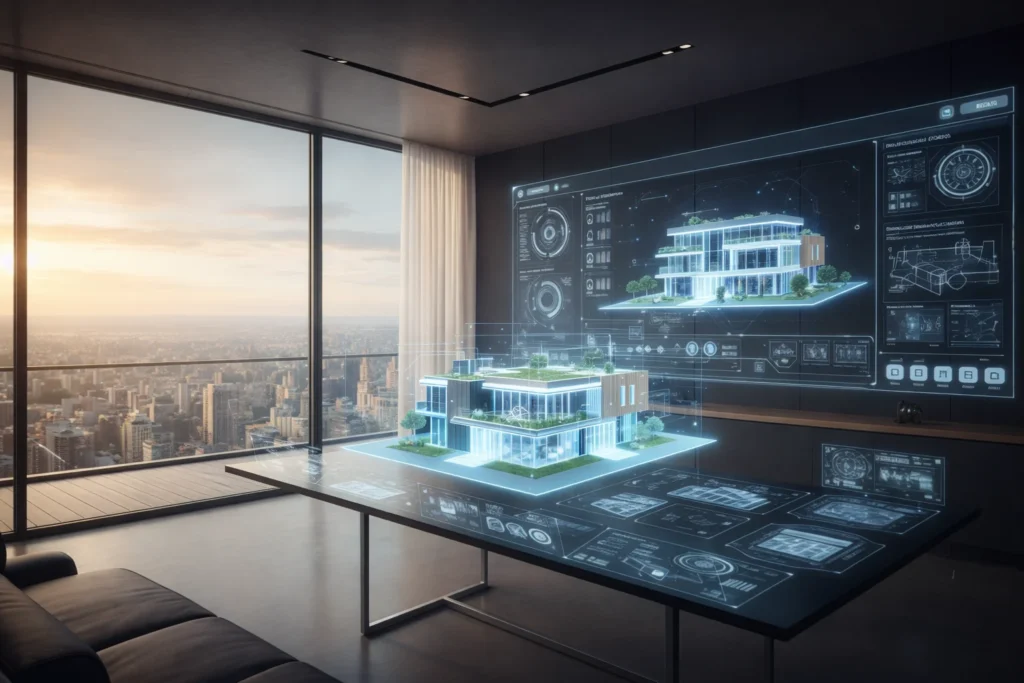
Rendering engines such as V-Ray and Lumion help create realistic lighting and textures. New technologies like real-time rendering and virtual walkthroughs are also becoming popular. These tools allow clients to explore spaces interactively, adding a new level of engagement to the design process.
As technology continues to evolve, 3D architectural visualization is becoming faster, more detailed, and more immersive.
Future of visualization in commercial architecture
The future of commercial architecture is closely connected with visual technology. Clients are expecting more realistic and interactive experiences before making decisions. This is leading to the growth of virtual reality and real-time visualization tools.
Instead of just viewing images, clients will be able to walk through spaces digitally and understand them better. This shift will change how projects are designed, presented, and approved. 3D architectural visualization will continue to play a central role in this transformation.
Common mistakes to avoid in visualization
While visualization offers many benefits, it is important to use it correctly. One common mistake is creating visuals that look too unrealistic. Over-editing or adding elements that cannot be achieved in real life can lead to confusion and disappointment.
Another issue is poor communication between the visualizer and the design team. If the design intent is not clearly understood, the final output may not match expectations. Keeping visuals accurate and aligned with the actual project is essential for success.
Choosing the right visualization partner
Selecting the right visualization partner can have a big impact on the project. It is important to review their previous work and understand their style and quality. Experience in commercial projects is also a key factor.
Clear communication and understanding of project requirements are equally important. A good visualizer will not only create visuals but also contribute to the overall presentation of the project. Investing in the right team ensures that 3D architectural visualization delivers real value.
Conclusion: Why visualization is now a necessity
Commercial architecture today is not just about construction; it is about clear communication and strong presentation. Visual tools have become an essential part of how projects are planned and delivered.
3D architectural visualization helps turn ideas into reality before construction begins. It improves understanding, supports better decisions, and makes projects easier to market. From concept to completion, it adds value at every stage.
As the industry continues to grow, the importance of 3D architectural visualization will only increase, making it a key element in every successful commercial architecture project.