
How a 3D Rendering Company is Evolving with AI Technology
Introduction
3D rendering company services are entering a new era as artificial intelligence becomes a part of everyday design work. What once required hours of manual effort, deep technical knowledge, and long waiting times is now becoming faster and easier to manage. This shift is not only about saving time, but also about changing how ideas are created, presented, and understood. Today, clients expect more than just images. They want to see designs come to life before anything is built, and they want that experience to feel real. This is where AI is playing an important role and changing how a 3D rendering company operates in the modern design space.
How the traditional rendering process used to work
Before AI became common, the process of creating 3D visuals followed a fixed and time-consuming path. Designers had to build models from scratch, carefully apply textures, set up lighting, and then render the final output. Every step required patience and skill, and even small changes could mean going back and reworking large parts of the project. A 3D rendering company depended heavily on experienced professionals who could handle these tasks efficiently. While the results were often impressive, the time and effort involved made the process slow and sometimes stressful for both designers and clients.
The shift toward AI-supported workflows
With the introduction of artificial intelligence, the workflow has started to change in a noticeable way. Designers no longer have to begin every project from zero. AI tools can assist in generating scenes, suggesting materials, and improving lighting conditions based on learned data. This does not take away the creative role of the designer, but it does reduce repetitive work. A 3D rendering company can now focus more on the concept and design direction while letting AI handle some of the technical steps that used to take hours. Learn more about AI in design on Autodesk AI solutions.
Faster rendering and quicker turnaround times
One of the biggest benefits of AI is the speed it brings to rendering. Earlier, high-quality renders could take several hours or even days depending on the complexity of the design. Now, AI-powered tools can produce similar results in a much shorter time. This means faster project delivery and quicker responses to client feedback. A 3D rendering company can manage tight deadlines more easily and handle multiple projects at the same time without compromising quality.
Improved visual quality and realistic output
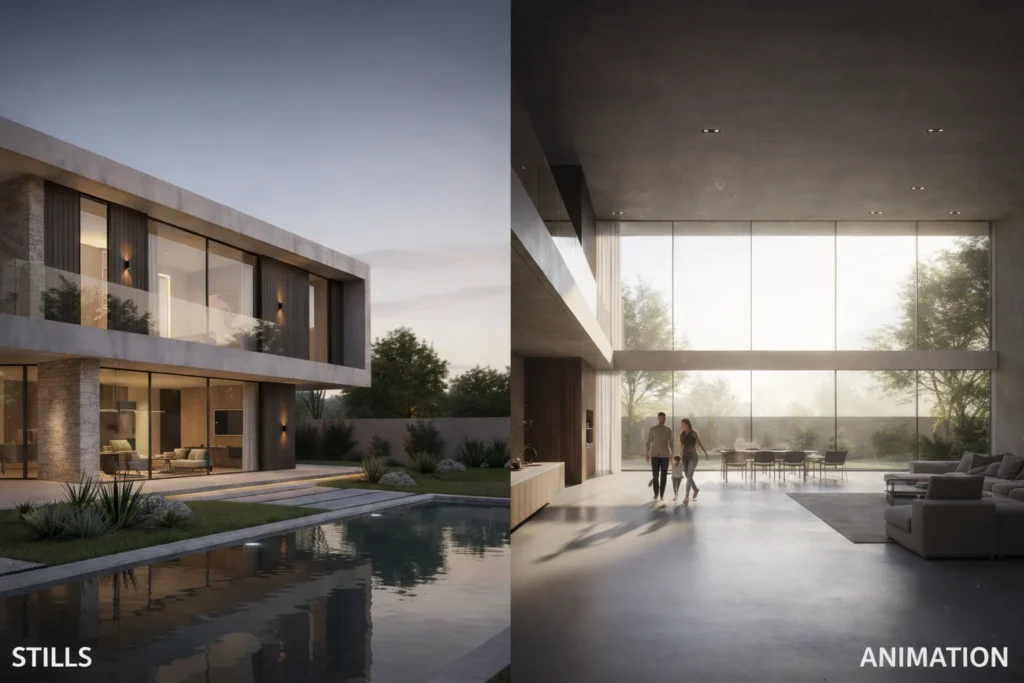
AI is also helping improve the overall quality of visuals. It understands how light behaves, how textures should appear, and how reflections work in real-world environments. This leads to images that feel more natural and lifelike. Clients can get a clearer idea of how the final space will look, which helps them make better decisions. A 3D rendering company can use these tools to create visuals that build confidence and reduce uncertainty during the design process. Explore rendering advancements at Unreal Engine architecture tools.
AI helping in concept creation and idea development
In the early stages of design, AI can be a valuable support system. Designers can generate visuals from simple sketches or references, which speeds up the idea development phase. Instead of spending days creating initial concepts, multiple options can be explored in a short time. This gives clients more choices and allows designers to experiment with different styles and layouts. A 3D rendering company can improve its creative process by using AI to test ideas quickly and refine them based on feedback.
Real-time changes improving client communication
Communication between designers and clients has improved with the use of AI tools. Changes can now be made in real time during discussions or meetings. Clients can suggest adjustments, and designers can show updated visuals almost instantly. This reduces misunderstandings and helps in faster approvals. A 3D rendering company benefits from this approach by making the design process more interactive and transparent, which leads to better client satisfaction.
Saving time and reducing project costs
AI also helps in reducing the overall time required for a project, which can have a positive effect on costs. Since many repetitive tasks are automated, designers can complete their work more efficiently. This allows a 3D rendering company to take on more projects without increasing its workload significantly. Clients also benefit because they receive high-quality visuals within a shorter time frame, making the entire process more cost-effective.
Personalization becoming easier with AI tools
Modern clients prefer designs that match their personal taste, and AI makes customization much easier. Designers can quickly change colors, materials, and layouts based on client preferences. This level of flexibility creates a more engaging experience, as clients can see their ideas come to life instantly. A 3D rendering company can use AI to offer more personalized services and build stronger connections with clients by understanding their needs better.
AI in walkthroughs and virtual experiences
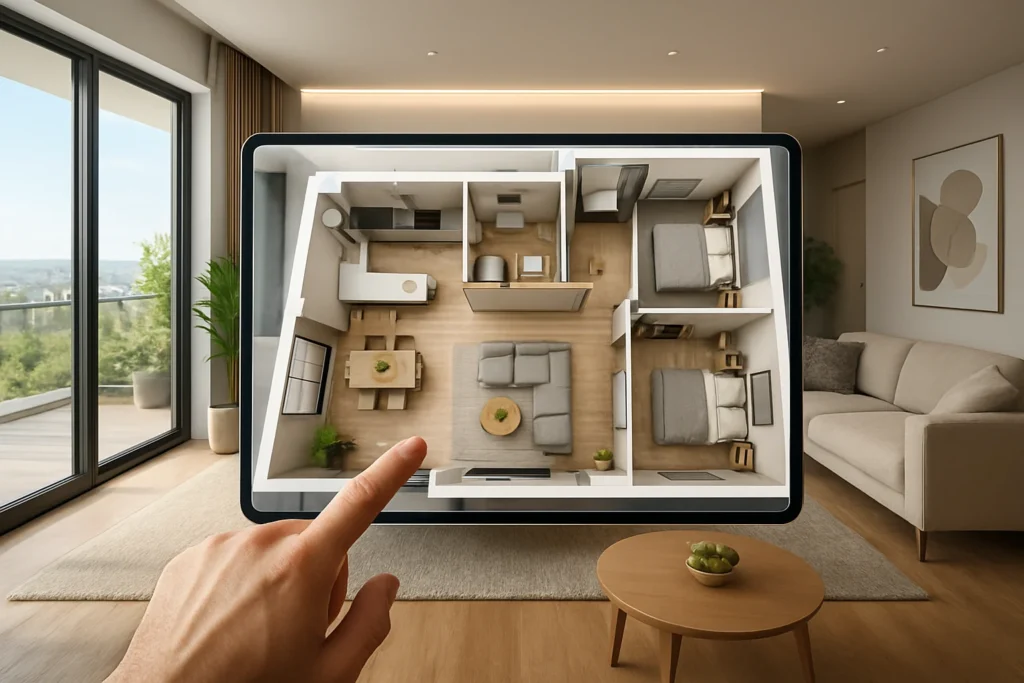
The use of AI is also expanding into walkthroughs and immersive experiences. Clients can now explore spaces through virtual environments instead of just looking at images. They can move around, view details, and understand the layout in a more realistic way. This is especially helpful in real estate projects where buyers want to experience the property before making a decision. A 3D rendering company can combine AI with virtual tools to create presentations that feel more real and engaging.
Cloud-based collaboration and remote working
The way teams work together has also changed with the help of cloud-based tools. Designers, clients, and project teams can collaborate from different locations without any difficulty. Files can be shared easily, and updates can be made in real time. AI tools often work well with these platforms, making the workflow smoother and more connected. A 3D rendering company can manage projects more effectively by using cloud-based systems, especially when working with clients from different cities or countries.
Challenges that come with AI in visualization
Even though AI offers many benefits, there are some challenges to consider. One of the main concerns is accuracy. AI-generated visuals may not always be perfect and may require manual adjustments. Designers still need to review the output carefully to ensure it meets the required standards. A 3D rendering company must use AI as a support tool while maintaining quality through human oversight.
Balancing automation with creative control
Another challenge is maintaining control over the design. Traditional methods allow designers to control every detail, while AI automates certain parts of the process. This can sometimes limit fine adjustments. For projects that require high precision, designers need to balance automation with manual work. A 3D rendering company must understand when to rely on AI and when to apply traditional techniques to achieve the best results.
The role of designers in an AI-driven world
There is often a question about whether AI will replace designers. In reality, AI works as a support system rather than a replacement. Creativity, imagination, and understanding client needs are still human strengths. AI helps with execution but cannot fully replace the thinking process behind design. A 3D rendering company that combines human creativity with AI tools will be able to deliver better and more meaningful results.
How modern companies are adapting to AI
Many companies are already adjusting their workflows to include AI tools. They are using a mix of traditional methods and modern technology to stay flexible. This allows them to deliver high-quality visuals while keeping up with industry trends. A 3D rendering company that continues to learn and adapt will be better prepared for future changes and will be able to meet growing client expectations.
The future of AI in 3D visualization services
Looking ahead, AI is expected to play an even bigger role in visualization services. Tools will become more advanced, offering faster performance and better quality. Real-time rendering, interactive features, and smarter automation will become more common. A 3D rendering company will need to stay updated with these changes to remain competitive and deliver the level of service that clients expect.
The growing connection between AI and immersive technologies
In the future, AI will likely work more closely with technologies like virtual reality and augmented reality. This will create even more engaging experiences for clients. Designers will be able to present ideas in new ways that feel more interactive and realistic. A 3D rendering company that explores these possibilities will have more opportunities to expand its services and stand out in the market.
Conclusion: Why AI is changing the future of rendering
Artificial intelligence is changing how 3D visualization services are created and delivered. It is making processes faster, improving visual quality, and creating better ways to communicate design ideas. While there are challenges, the advantages are clear. A 3D rendering company that understands how to use AI effectively can improve its workflow and deliver better results.
As technology continues to grow, adapting to these changes is important. Clients are expecting more detailed, faster, and more interactive experiences. A 3D rendering company that combines creative thinking with modern tools will be able to meet these expectations and create designs that truly stand out.