
How Architectural Rendering Services Transform Design Projects
Introduction
architectural rendering services have become an essential part of modern architecture and design, transforming the way architects, designers, and clients communicate ideas long before construction begins. In the past, conveying design concepts relied on hand sketches, physical models, and two-dimensional drawings. While these methods had their charm, they often left much to interpretation and made it difficult for clients to truly understand spatial arrangements and material choices. Today, thanks to advanced technology, architectural rendering services provide a clear and realistic vision of future spaces, bridging the gap between imagination and reality. They allow designers to present concepts in ways that are visually compelling, immersive, and easy to understand, offering clients confidence and clarity in their decisions.
From Pencil Drafts to Digital Visualization
The evolution of visualization in architecture has been remarkable. Early architectural practices depended heavily on hand-drawn plans and scaled models. These methods were time-consuming and often required significant effort to communicate even the simplest ideas. With the introduction of computer-aided design, or CAD, architects began to create more precise and detailed digital plans. While CAD improved accuracy and efficiency, it still lacked the ability to convey the feeling and ambiance of a space.
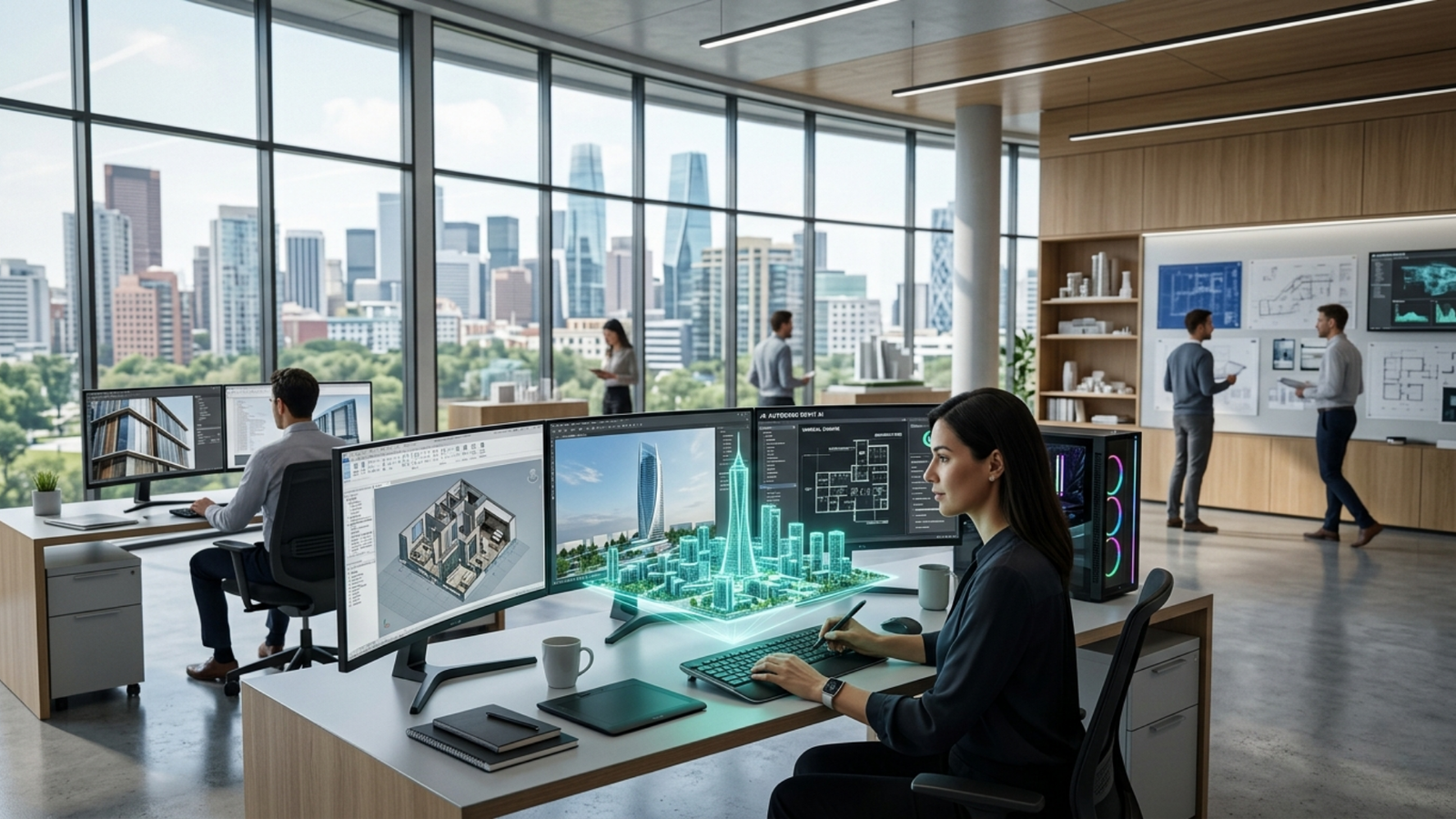
As technology advanced, designers sought tools that could provide more lifelike and engaging representations of their projects. This need led to the rise of three-dimensional modeling software, which forms the foundation of modern architectural rendering services. Programs like
SketchUp, 3ds Max, and Revit have empowered designers to construct detailed 3D models that accurately represent the dimensions, proportions, and materials of a project.
These digital models enable architects and clients to explore designs from multiple angles and gain a deeper understanding of spatial relationships, something that traditional drawings could never fully achieve.
Rendering Engines That Bring Designs to Life
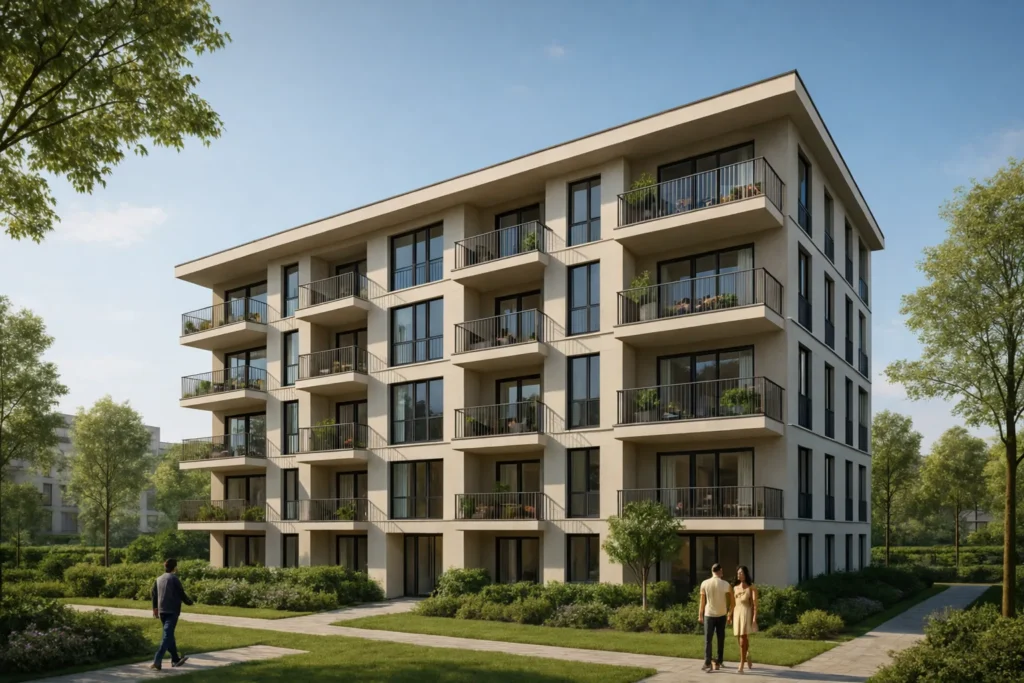
The next leap in design visualization came with the development of advanced rendering engines. These engines take 3D models and transform them into photorealistic images by simulating real-world lighting, shadows, textures, and reflections. Through techniques such as ray tracing and global illumination, modern rendering engines can create visuals that appear almost indistinguishable from real photographs.
This photorealism allows clients to visualize how natural light will interact with surfaces, how colors will look at different times of day, and how materials like wood, stone, or metal will behave in the final construction. By providing such realistic previews, architectural rendering services reduce uncertainty, enhance client trust, and facilitate better decision-making during the design phase.
Immersive Experiences with Virtual and Augmented Reality
In recent years, immersive technologies like virtual reality (VR) and augmented reality (AR) have further revolutionized architectural visualization. Virtual reality allows clients to step inside a fully digital model of a building, experiencing spaces as if they already exist.
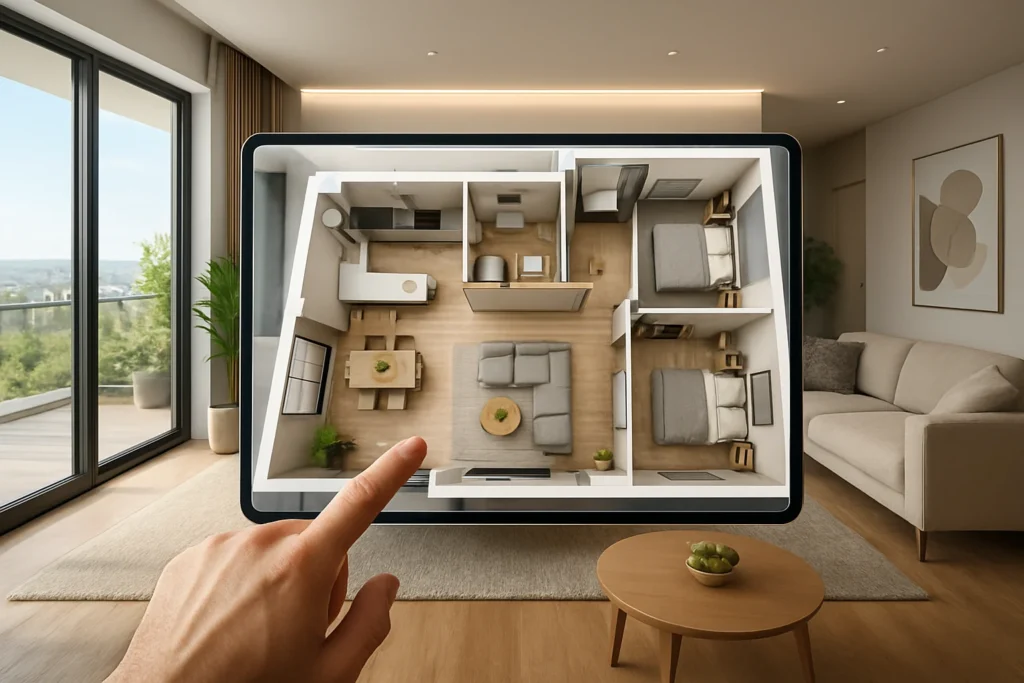
Augmented reality, on the other hand, overlays digital elements onto real-world environments, enabling clients to visualize proposed changes in their existing spaces. By pointing a smartphone or tablet at a room or plot, clients can see how a design fits within the actual environment.
Artificial Intelligence in Architectural Visualization
Artificial intelligence is another technology shaping the future of design visualization. AI tools assist in automating repetitive tasks, optimizing rendering settings, and generating realistic materials and lighting.
For example, AI algorithms can suggest the most appropriate textures for surfaces, enhance image quality, and even predict how lighting will behave in complex environments. Learn more about AI advancements from
Autodesk AI in Architecture.
While AI supports efficiency, it is important to note that it does not replace human expertise; instead, it enhances the capabilities of designers.
Real-Time Rendering for Instant Feedback
Real-time rendering is another advancement that has reshaped the industry. Unlike traditional workflows where clients wait hours or days for updated visuals, real-time rendering allows changes to be seen immediately.
Cloud Technology and Collaborative Design
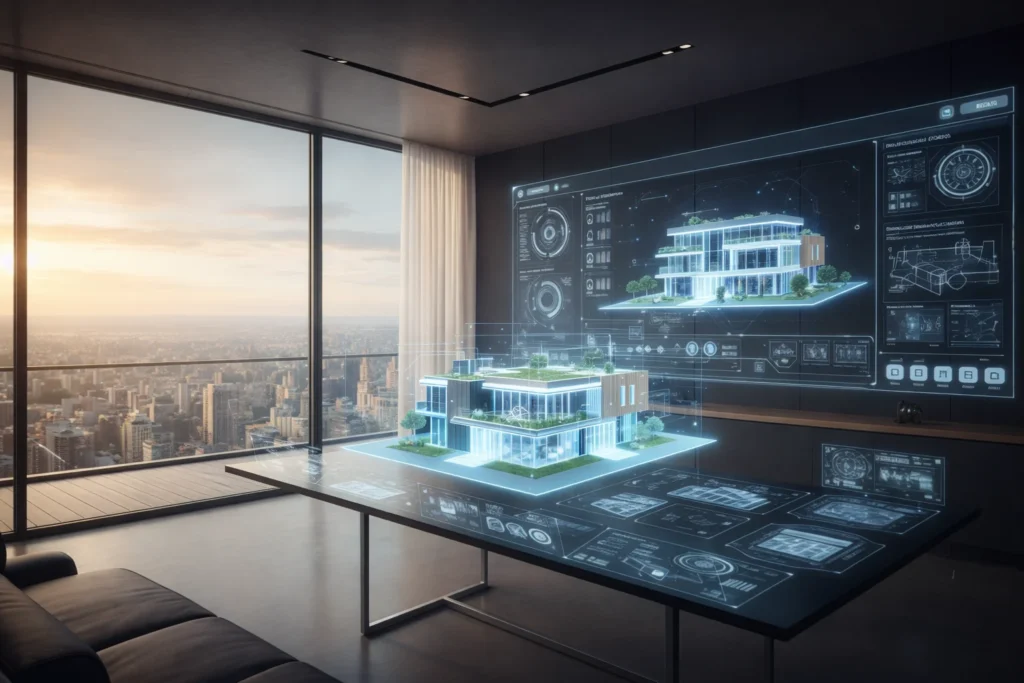
Cloud technology has further enhanced architectural rendering services by improving collaboration across teams and locations. Cloud platforms allow designers, clients, engineers, and stakeholders to access project files from anywhere.
Beyond Still Images: Animations and Walkthroughs
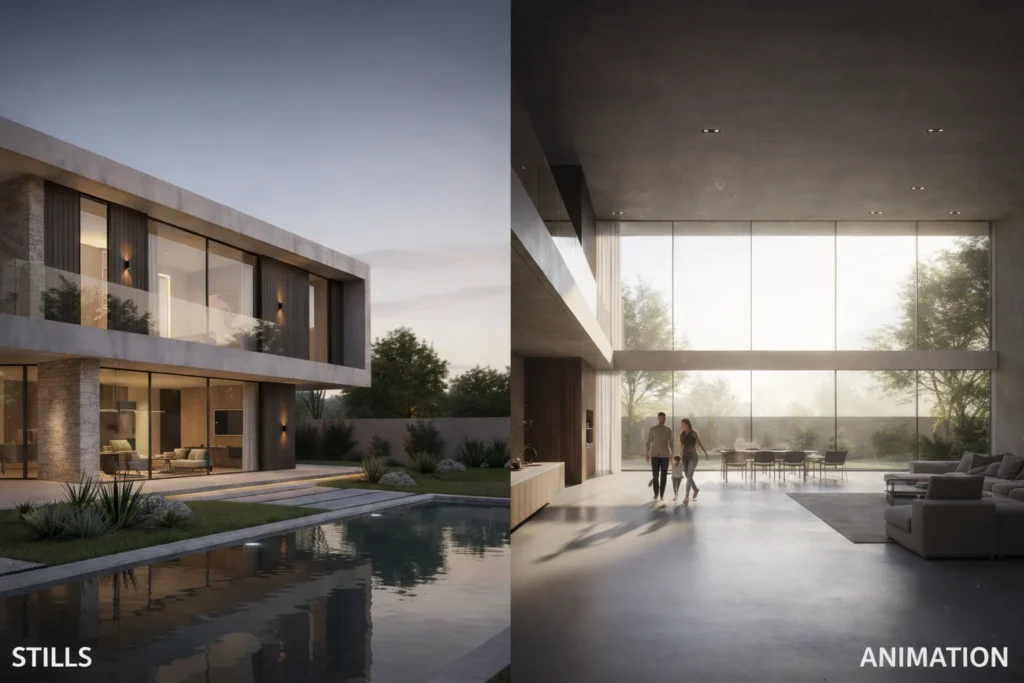
Beyond static images, architectural rendering services now offer animations, walkthroughs, and interactive models. Animated walkthroughs provide a guided tour of a space.
Practical Benefits for Clients and Designers
The benefits of advanced visualization extend beyond aesthetics. High-quality architectural rendering services improve communication between designers and clients.
Addressing Challenges in Visualization
Despite the advantages, there are challenges associated with adopting these technologies. Learning new software, hardware requirements, and time investment can pose barriers.
Emerging Trends and the Future of Design Visualization
Looking ahead, the future of architectural visualization appears even more promising. Emerging technologies are making high-quality rendering more accessible and user-friendly.
Conclusion: The Value of Advanced Architectural Rendering
Architectural rendering services are no longer optional; they are a critical component of the modern design process. By combining 3D modeling, photorealistic rendering, immersive technologies, AI, and cloud collaboration, designers can provide visuals that are not only accurate but also compelling and engaging.