
The Evolution of Interior Design Through Architectural Rendering Services
Introduction
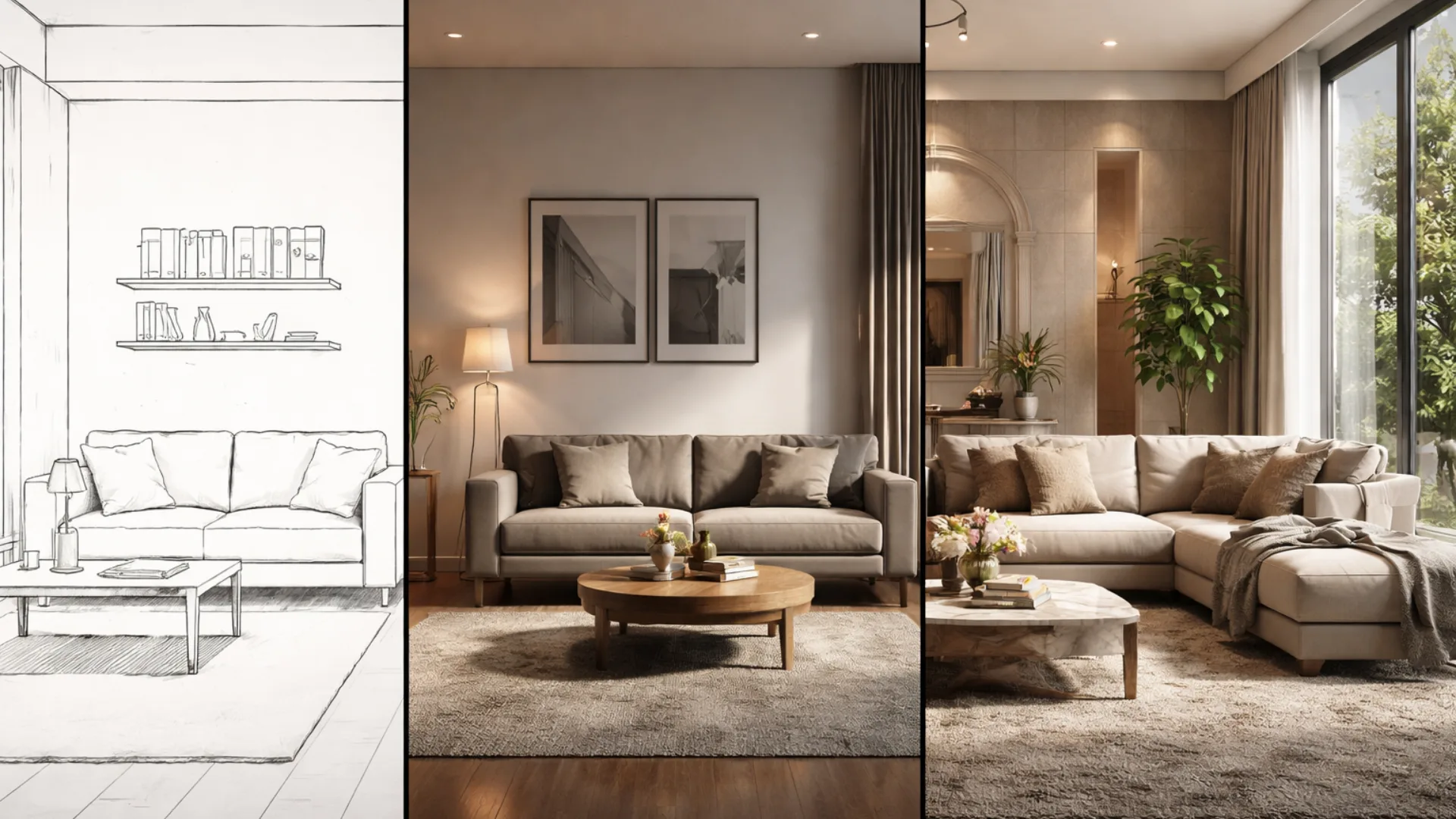
architectural rendering services have completely transformed the way interior designers, clients, and builders perceive and plan spaces. Before the digital era, interior design relied heavily on sketches, flat plans, and small physical models that only suggested what a room might look like. While these traditional methods provided a basic sense of layout, they depended on the client’s imagination, which often led to misunderstandings, costly revisions, and unexpected results. The need for more realistic previews sparked the adoption of digital tools and 3D visualization techniques. Today, architectural rendering services allow designers to produce highly detailed and lifelike representations of interiors, giving clients the ability to experience their future spaces before construction begins. This evolution has enhanced communication, improved design accuracy, and provided a new level of confidence for clients.
Early Visualization: From Sketches to Models
In the early days, interior designers relied on hand-drawn sketches and physical models to convey ideas. These methods could illustrate general layouts and aesthetics but struggled to communicate the subtle details of materials, lighting, and spatial experience. Clients had to mentally visualize the final space, which sometimes caused confusion and misaligned expectations. The introduction of computer-aided design (CAD) provided a more precise way to represent interiors. While early CAD systems were primarily two-dimensional, they laid the foundation for three-dimensional modeling, which would later revolutionize interior visualization.
Transition to 3D Modeling
The move from 2D drafting to 3D modeling marked a major turning point in interior design. Designers could now construct virtual representations of rooms, furniture, and decorative elements, allowing clients to explore interiors from multiple angles. Early 3D models lacked realism and often appeared toy-like, but they provided a clearer understanding of spatial relationships and proportions. As rendering technology advanced, these models began to simulate light, textures, and materials with increasing accuracy. Architectural rendering services became essential, enabling designers to present visuals that closely mirrored the actual built space.
The Rise of Realistic Renders
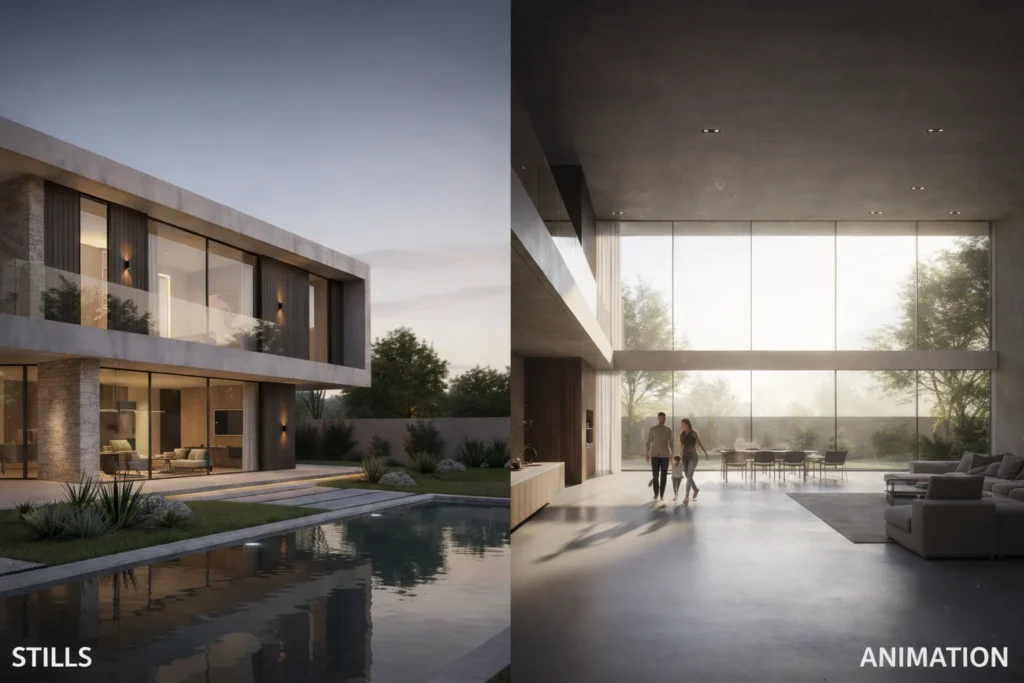
Photorealistic rendering changed the game for interior design. Designers could demonstrate how natural and artificial lighting affected surfaces, how textures and colors interacted, and how spaces would truly feel. Clients could make informed decisions, reducing uncertainty and improving satisfaction. Architectural rendering services provided the bridge between concept and reality, allowing clients to experience interiors as though they already existed. This capability also allowed designers to test different layouts, materials, and finishes digitally, saving time and resources while ensuring higher-quality outcomes.
Modern Tools in 3D Visualization
Advanced tools have been crucial in shaping modern interior visualization. Software such as Autodesk 3ds Max, SketchUp, Blender, and Rhino allows designers to build detailed models, while rendering engines like V-Ray, Corona, and Lumion add realism through lighting, shadows, and textures. These tools enable designers to explore multiple options, adjust materials, and refine lighting effects, all virtually. Architectural rendering services provide a visual language that communicates design ideas more effectively than words or sketches, allowing clients to understand proportions, materials, and layouts without needing to imagine the final space.
Immersive Technologies: VR and Interactive Walkthroughs
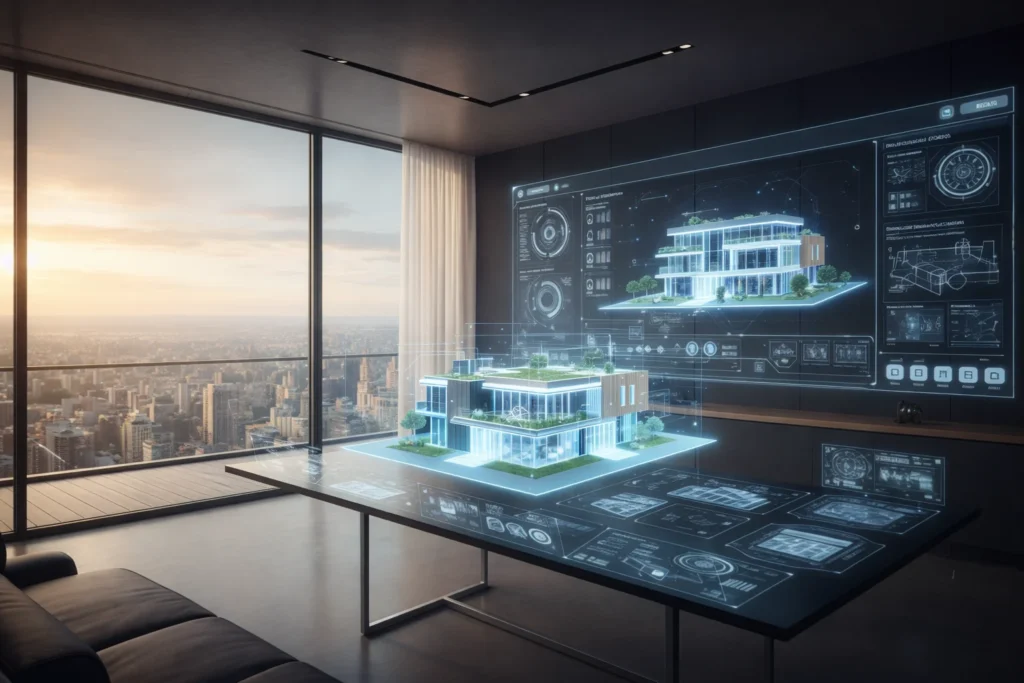
The introduction of immersive technologies, including virtual reality (VR) and interactive walkthroughs, has further enhanced interior visualization. Clients can now navigate spaces virtually, experiencing rooms at full scale and observing lighting effects throughout the day. This allows for a realistic understanding of spatial flow and ambiance. Designers can receive real-time feedback, make adjustments instantly, and ensure that the final design aligns with the client’s vision. Architectural rendering services that integrate VR and interactive tools create a more engaging and informative experience, making client decisions easier and more confident. Learn more about VR applications at IBM VR Guide.
Practical Benefits for Interior Projects
Visualization offers numerous benefits beyond aesthetics. Clients gain clarity and confidence by seeing realistic previews, enabling them to assess layouts, color schemes, and furniture arrangements accurately. Designers benefit from improved communication and fewer revisions, while builders gain access to precise visual references, reducing errors during construction. Architectural rendering services have become an indispensable part of modern interior design, enhancing efficiency, accuracy, and overall client satisfaction. By providing detailed, lifelike previews, these services make the design process smoother and more reliable.
Visualization as a Marketing Tool
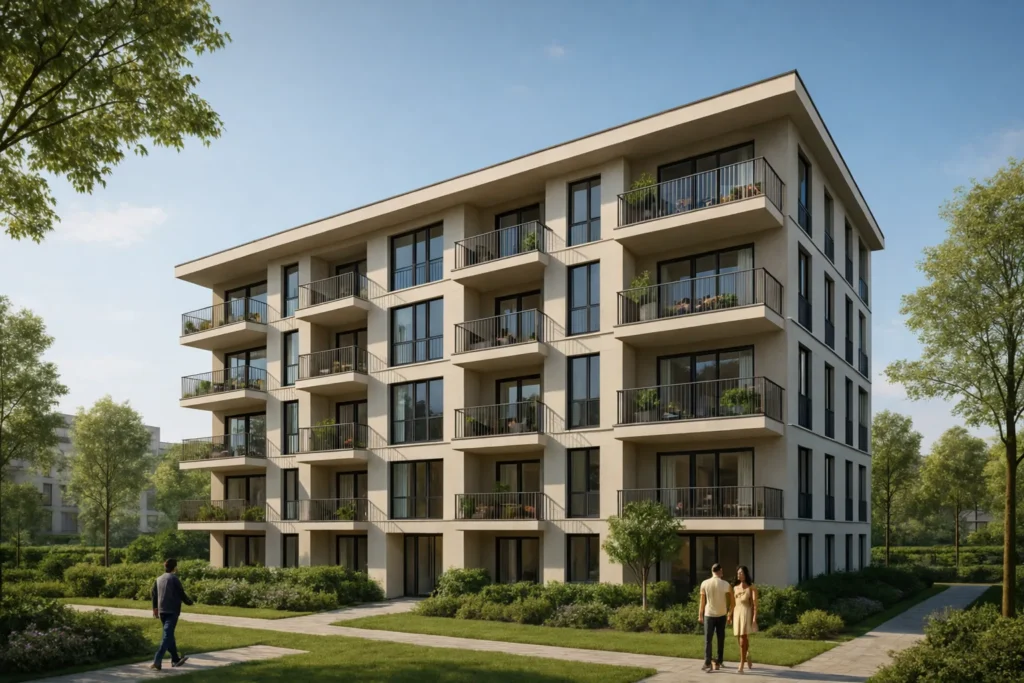
High-quality visualization also serves as a powerful marketing tool for designers and real estate professionals. Photorealistic interior images can enhance presentations, portfolios, and promotional materials, attracting potential clients and investors. In real estate, stunning interior renders increase engagement, generate leads, and accelerate property sales. Architectural rendering services allow designers to showcase spaces effectively, highlighting textures, lighting, and furniture placement in ways that capture attention and convey professionalism. By combining aesthetic appeal with accuracy, visualization strengthens branding and helps designers stand out in a competitive market.
Why Visualization Is Essential Today
Today, interior visualization is expected rather than optional. Clients seek transparency and want to see exactly what they are investing in before construction begins. Architectural rendering services provide accurate previews of colors, textures, lighting, and spatial relationships, reducing surprises and enhancing satisfaction. Real-time updates and interactive previews allow designers and clients to collaborate efficiently, speeding up decision-making and ensuring smoother project execution. The ability to explore spaces virtually has transformed client interactions, fostering collaboration and mutual understanding.
The Future of Interior Visualization
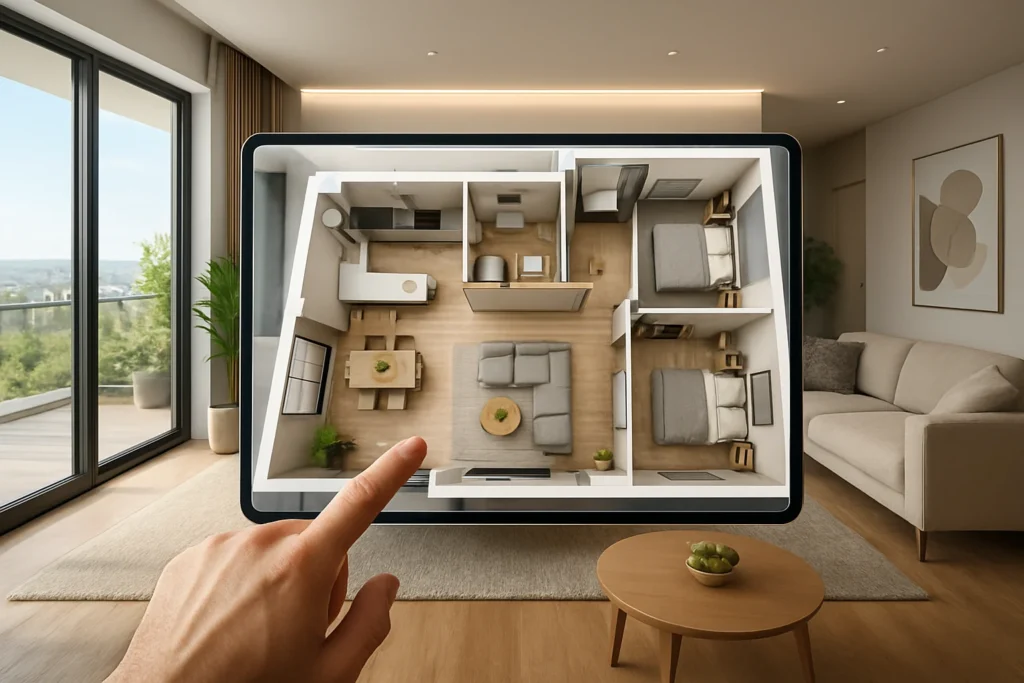
The future of interior visualization promises even more innovation. Artificial intelligence is beginning to assist in generating design alternatives and automating certain aspects of rendering. Real-time engines offer instant visual feedback, and augmented reality (AR) allows clients to overlay digital furniture and finishes onto existing spaces using mobile devices. These advancements will further enhance architectural rendering services, making design more interactive, client-focused, and accessible. As technology improves, clients will increasingly expect to engage with their spaces virtually before any construction begins, ensuring that designs meet expectations and needs.
From Sketches to Immersive Experiences
The evolution of 3D interior visualization demonstrates remarkable progress from hand-drawn plans to immersive digital experiences. Architectural rendering services have been central to this journey, enabling designers to communicate ideas clearly and clients to interact with their spaces confidently. Photorealistic renderings and interactive models allow clients to experience interiors before construction, reducing errors, improving satisfaction, and enhancing collaboration. Visualization has become a standard part of the design process, transforming how designers create, present, and execute projects.
Conclusion: The Lasting Impact of Visualizations
As interior design continues to evolve, architectural rendering services remain a cornerstone of the industry. They allow clients to explore, visualize, and interact with spaces in ways that were impossible with traditional sketches. From early hand-drawn plans to immersive VR walkthroughs, visualization has bridged the gap between imagination and reality. Each technological advancement, from photorealistic rendering to AI-assisted design tools, has strengthened the connection between designers and clients, ensuring clarity, accuracy, and satisfaction. The journey of 3D interior visualization highlights the essential role of architectural rendering services in modern design practices and points toward an even more interactive and innovative future.