
How Real-Time Rendering Is Changing 3D Visualization
Introduction
6 viz 3d architectural visualization studio in the world are increasingly adopting real-time rendering as a transformative tool in architectural design and visualization. Unlike traditional 3D rendering methods, which often require hours or even days to produce high-quality images, real-time rendering allows designers and clients to see fully interactive visuals instantly. This technology has changed the way projects are conceptualized, communicated, and executed, giving architects and visualization studios a more dynamic and engaging approach to presenting designs. With real-time rendering, spaces are no longer static; they become interactive environments where lighting, materials, and layouts can be explored and adjusted on the fly, creating a more immersive experience for clients and teams alike. The adoption of this technology by top-tier studios, especially 6 viz 3d architectural visualization studio in competitive markets, demonstrates its growing importance and practical value.
Understanding Real-Time Rendering
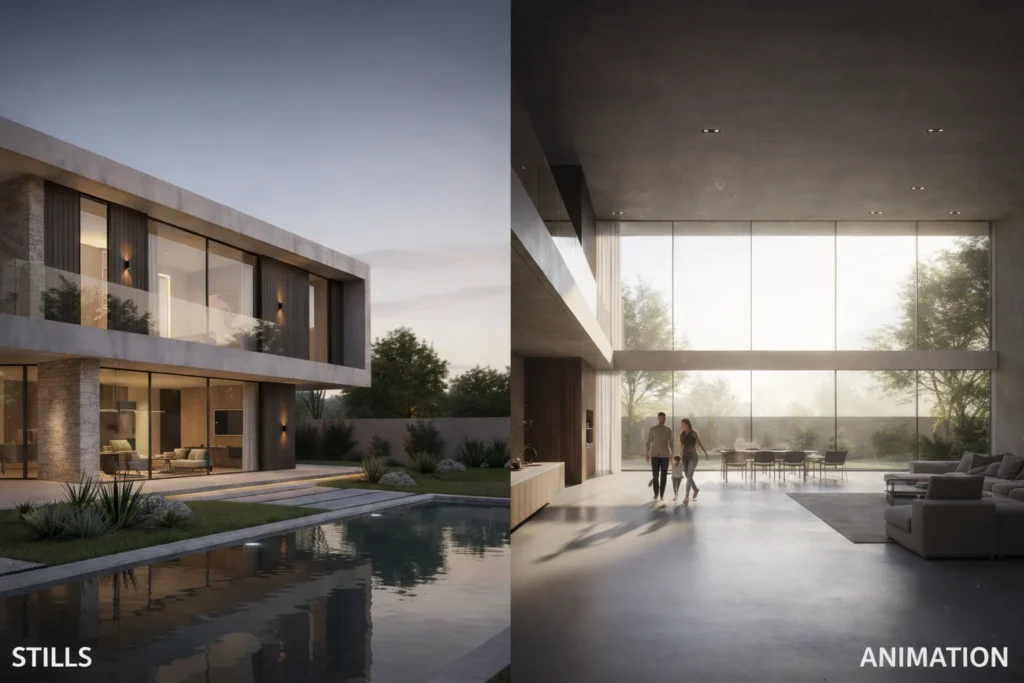
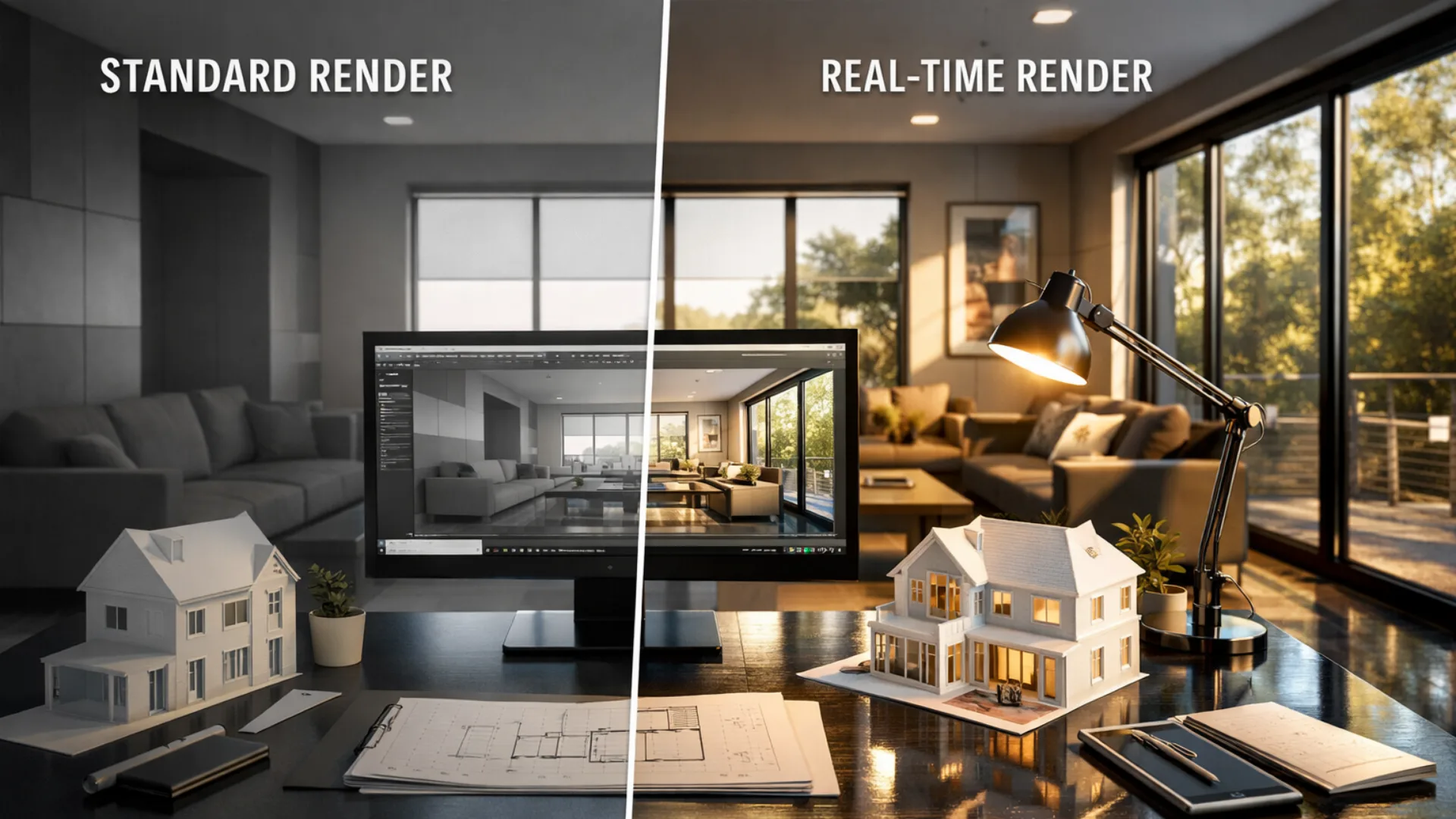
Real-time rendering represents a major shift from traditional rendering workflows. In the past, architectural visualization relied heavily on static images and pre-rendered animations to showcase designs. Designers would meticulously model spaces, apply textures and materials, and then initiate long rendering processes that could take hours or days to complete. While these methods produced high-quality visuals, they lacked interactivity and often limited the designer’s ability to make rapid changes or explore multiple options during client presentations.
Real-time rendering, on the other hand, generates visuals instantly, using advanced graphics processors and specialized software that calculate lighting, reflections, and material properties in real-time. This allows designers to move freely within a scene, adjust details, and immediately see the effects of their changes, transforming the workflow from linear and time-consuming to fluid and responsive. For a 6 viz 3d architectural visualization studio in today’s fast-paced environment, this capability significantly enhances the creative process and enables more effective communication with clients.
Immediate Feedback and Design Flexibility
One of the most notable impacts of real-time rendering is the immediate feedback it provides. Designers no longer need to wait for renderings to finish before evaluating their work or presenting options to clients. Instead, they can explore different design choices interactively, test variations in lighting, swap materials, and adjust layouts while observing the results in real time. This immediacy not only accelerates decision-making but also encourages experimentation and creativity.
When clients are able to interact with the design directly, they gain a better understanding of spatial relationships, scale, and ambiance, reducing misunderstandings and the need for multiple revisions. For a 6 viz 3d architectural visualization studio in the modern industry, offering interactive real-time experiences has become a key differentiator, helping studios stand out by delivering engaging and intuitive presentations that resonate with clients.
Workflow Transformation for Visualization Studios
Real-time rendering also impacts how architectural visualization studios structure their workflows and collaborate internally. Designers can iterate faster, exploring multiple design solutions without the delay of traditional renderings. This capability allows teams to make more informed decisions early in the design process and ensures that client feedback can be incorporated immediately.
For instance, when a client requests a change in wall colors or lighting conditions during a virtual walkthrough, the design team can implement it on the spot and demonstrate the outcome instantly. This seamless integration of design, feedback, and visualization is particularly beneficial for a 6 viz 3d architectural visualization studio in cities where high-end residential and commercial projects demand rapid turnaround times and clear client communication. The ability to respond quickly to client input enhances overall satisfaction and strengthens the studio’s reputation as a responsive and innovative service provider.
Tools and Technologies Driving Real-Time Rendering
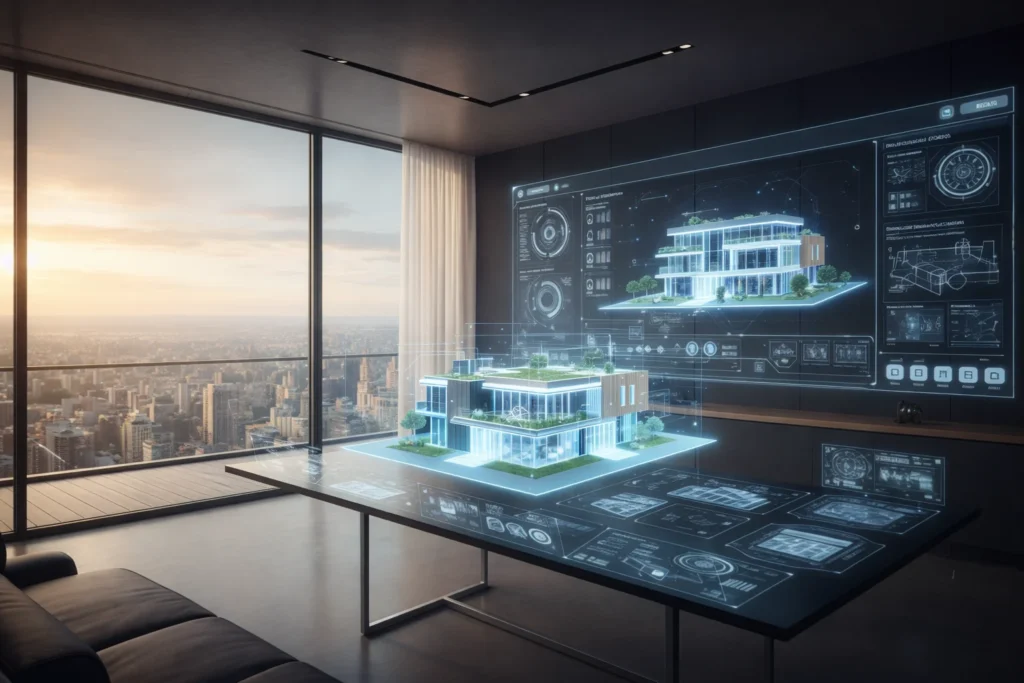
The tools and technologies that make real-time rendering possible have also advanced significantly in recent years. Platforms such as Unreal Engine, Unity, Enscape, and Twinmotion offer powerful rendering engines capable of producing photorealistic visuals at interactive speeds. These tools allow designers to import models from CAD and BIM software, apply materials and lighting, and instantly visualize the space in a way that closely resembles real-world conditions.
For a 6 viz 3d architectural visualization studio in today’s competitive landscape, selecting the right tool depends on the project requirements and desired level of realism. High-fidelity engines may be preferred for luxury projects that require stunning visual quality, while more lightweight solutions may be ideal for projects where speed and iterative flexibility are more critical. Regardless of the choice, these tools have revolutionized the visualization process, making it easier for studios to present compelling, interactive experiences that engage clients effectively.
Interactive Walkthroughs and Virtual Experiences
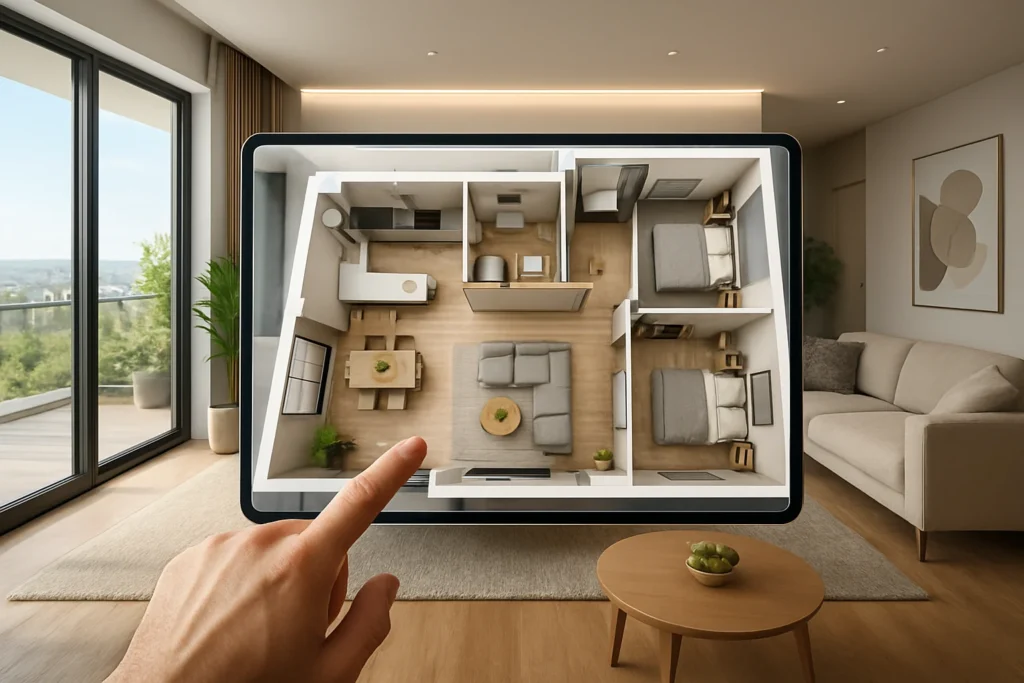
Interactive walkthroughs are another area where real-time rendering has made a profound difference. Unlike traditional static images or pre-rendered videos, interactive walkthroughs allow clients to explore a virtual space at their own pace, changing perspectives, adjusting lighting, and examining finishes in real time. This level of engagement fosters a deeper connection between clients and the design, helping them visualize the final outcome more accurately and confidently.
It also reduces the reliance on verbal explanations or 2D plans, which can often be confusing for non-professional clients. Many 6 viz 3d architectural visualization studio in leading markets now offer interactive virtual experiences as part of their core services, recognizing that these experiences not only enhance client understanding but also elevate the perceived value of their work.
Enhancing Client Communication and Understanding
The impact of real-time rendering extends beyond visualization into the way clients understand and interact with designs. Communication is often one of the biggest challenges in architecture, as clients may struggle to interpret technical drawings or static renderings. Real-time environments simplify this by offering intuitive, interactive experiences. Clients can immediately grasp spatial relationships, lighting, and material qualities, making design discussions more productive.
Supporting Creativity and Collaboration
Real-time rendering also influences the creative process. Designers are empowered to experiment with different design ideas, adjust layouts, or test new materials without waiting for a static rendering to finish. This encourages innovation, enables more informed design decisions, and supports collaboration across teams.
Accessibility and Client Engagement
Another key advantage of real-time rendering is its accessibility for clients. Individuals who may not be familiar with architectural drawings or technical diagrams can understand designs intuitively by exploring the space interactively. This empowers clients to participate actively in the design process, leading to greater confidence in decisions and a sense of ownership over the project.
Limitations and Challenges
Despite its advantages, real-time rendering does come with challenges. High-quality real-time visualization requires powerful hardware and graphics capabilities, which may not be available to all studios. Designers also need to learn new software platforms and develop expertise in real-time lighting, textures, and scene optimization. Additionally, balancing visual fidelity with performance can be complex, especially for highly detailed scenes.
The Future of Real-Time Rendering
The future of real-time rendering promises even more advanced capabilities. As tools become more user-friendly and hardware continues to improve, studios will be able to produce increasingly immersive and realistic experiences with less effort. Cloud-based solutions enable collaborative real-time environments where clients and design teams can interact simultaneously, regardless of location.
Integration with virtual and augmented reality will allow clients to experience spaces at life-size scale, providing unparalleled insight into designs. For a 6 viz 3d architectural visualization studio in today’s evolving market, these trends indicate that real-time rendering will become an essential, standard part of modern design visualization and client engagement.
Conclusion: Why Studios Are Adopting Real-Time Rendering
Real-time rendering is revolutionizing the way 3D visualization is performed. It empowers designers to work more creatively, presents clients with immersive and interactive experiences, and allows for faster decision-making throughout the design process. By replacing static images with dynamic, interactive models, real-time rendering ensures that clients fully understand the project and are able to provide meaningful input early in the process.
For a 6 viz 3d architectural visualization studio in competitive environments, adopting real-time rendering is no longer optional; it is a strategic advantage that enhances client satisfaction, improves project quality, and positions studios as innovative leaders in architectural visualization. As technology continues to advance, real-time rendering will define the standard for how spaces are experienced, communicated, and appreciated long before construction begins.