
How 3D Architectural Visualization Supports Sustainable Design
Introduction: How 3D Architectural Visualization Supports Sustainable Design
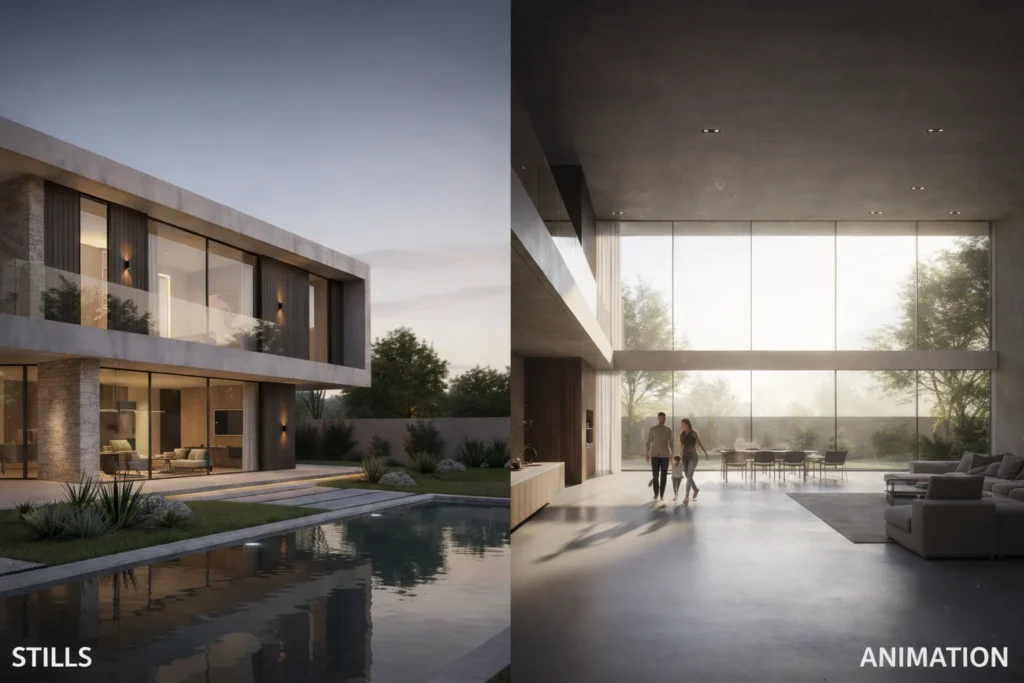
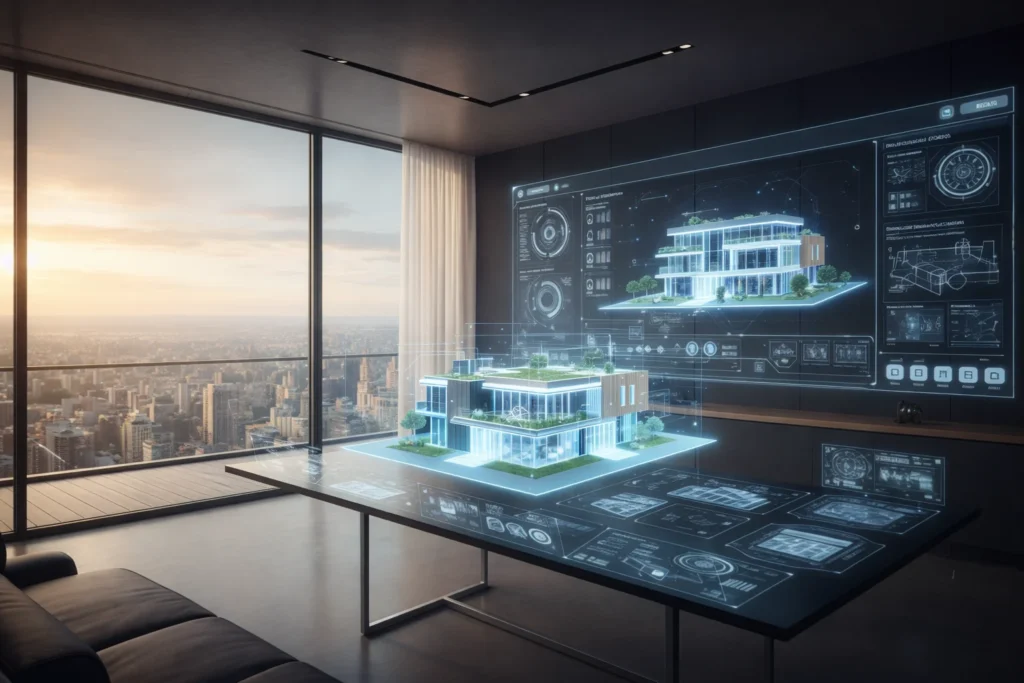
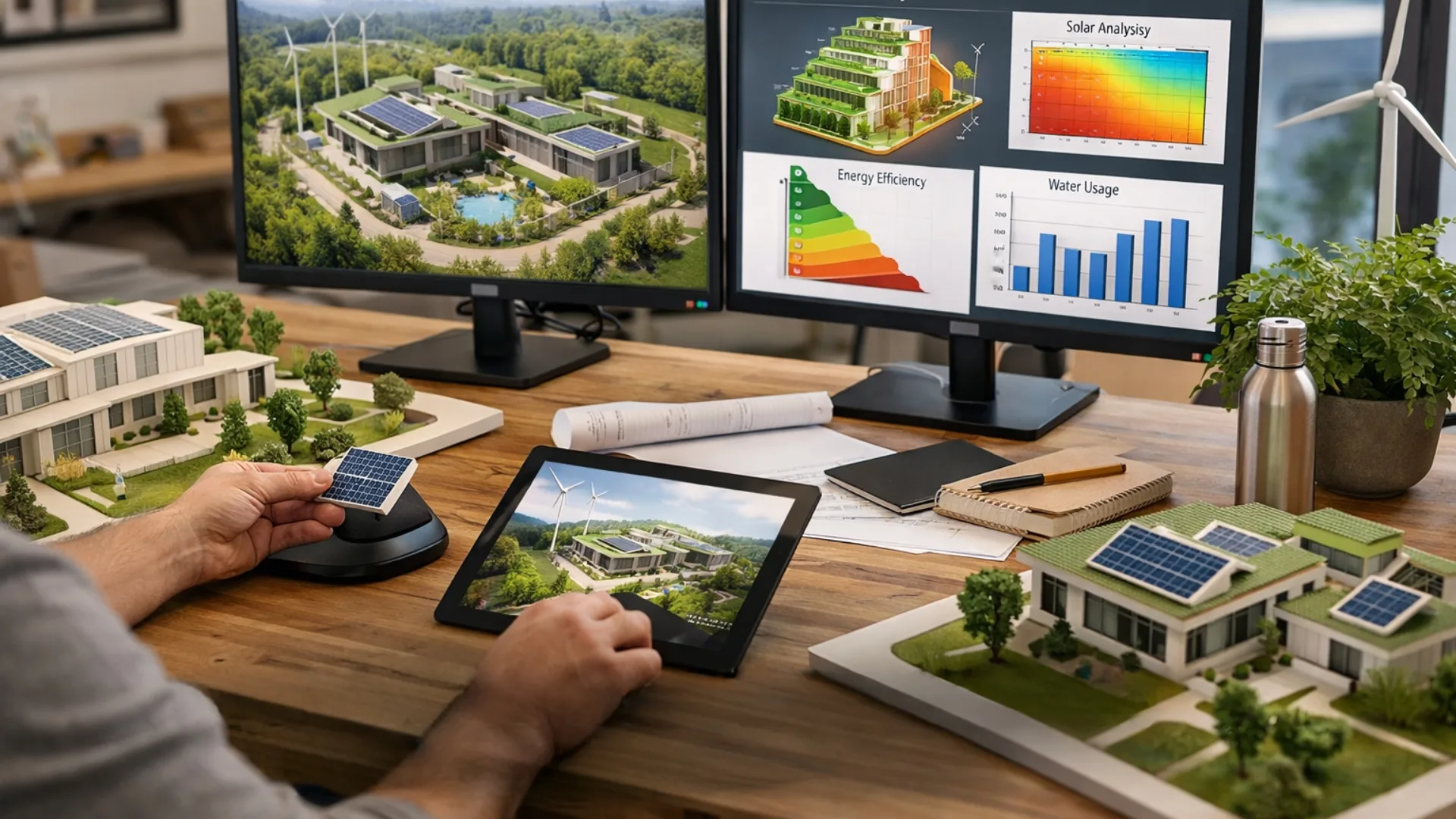
3D architectural visualization has become an essential tool in modern architecture, helping architects, designers, and clients explore projects in realistic detail before they are built. This tool plays an especially important role in sustainable design, where understanding environmental impact, energy efficiency, and material choices is critical. By creating lifelike models and renderings, 3D architectural visualization allows designers to plan smarter, communicate ideas clearly, and make better decisions that align with sustainability goals. It transforms abstract green concepts into visual solutions that are easy to understand, helping everyone involved see the potential of sustainable strategies in a project.
The Growing Importance of Sustainable Design
The need for sustainable design has grown as environmental concerns and regulations increase worldwide. Architects are challenged to create spaces that reduce energy consumption, use eco-friendly materials, and promote occupant comfort while staying visually appealing. Traditional 2D drawings or sketches often fail to convey these complex interactions effectively. With 3D architectural visualization, designers can simulate lighting, ventilation, material finishes, and environmental behavior, making sustainability tangible. Clients and stakeholders can see exactly how the design will perform in real conditions, which encourages informed decisions and stronger confidence in green strategies.
Visualizing Complex Sustainable Concepts
One of the primary benefits of 3D architectural visualization in sustainable design is its ability to convey complex concepts visually. Designers can show how natural light moves through a building, where solar exposure is maximized, or how shading devices influence energy use. Airflow and ventilation patterns can be simulated, helping architects refine passive cooling techniques and reduce reliance on mechanical systems. By modeling these elements digitally, teams can evaluate multiple scenarios, test alternatives, and understand the real-world implications of their choices. This level of insight is particularly useful in projects that prioritize environmental efficiency and energy performance.
Reducing Risks with Early Visualization
Beyond conceptual understanding, 3D architectural visualization reduces risk by identifying potential problems early. Designers can spot areas of overexposure to sunlight, assess shading devices, or explore different roof configurations in a virtual environment. This proactive approach avoids costly mistakes during construction and ensures that sustainable design strategies are implemented effectively. When material choices are simulated, clients can see how eco-friendly options like recycled wood, energy-efficient glazing, or low-impact finishes look in context, helping them make decisions that align with both aesthetic and environmental priorities.
Building Client Confidence
Clients benefit from this visualization by gaining clarity and confidence in their projects. When sustainability elements are shown in detail, clients understand the value of green features such as energy-efficient lighting, insulation, rainwater harvesting, or solar panels. They can see exactly how these elements fit into the overall design and contribute to environmental goals. This transparency reduces miscommunication and ensures that clients feel involved in the process. Decisions about materials, energy systems, and layouts are made collaboratively, which fosters trust and results in a smoother design process.
Communicating Sustainability to Stakeholders
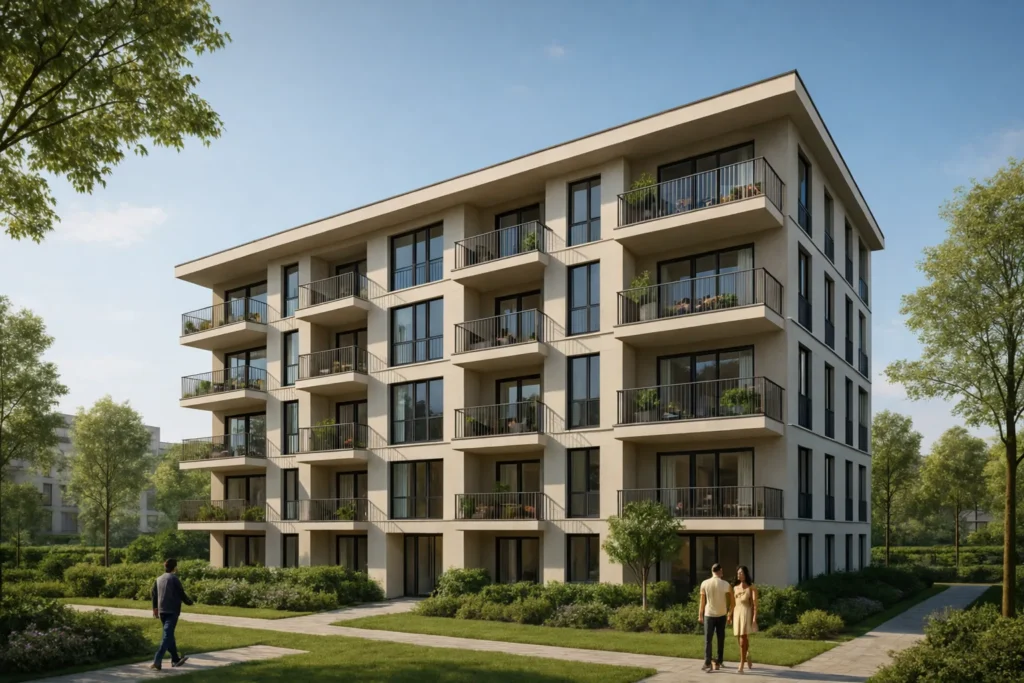
Visualization also supports communication with stakeholders beyond the immediate design team. Investors, government authorities, and community members can easily understand the environmental benefits of a project through realistic renderings. Visual simulations allow non-technical audiences to grasp energy performance, sustainable material choices, and long-term impact without relying on technical reports.
For more insights into sustainable building practices, you can explore
ArchDaily.
Demonstrating Real-World Impact
Another key advantage is the ability to show the real-world impact of sustainable design features. Simulations of solar exposure, daylighting, and thermal performance allow architects to see how their choices affect comfort, energy use, and overall sustainability. Shading, orientation, and ventilation can be optimized digitally, resulting in designs that reduce energy consumption and enhance occupant experience.
Collaboration Across Disciplines
Collaboration across disciplines is strengthened through visualization. Architects, engineers, and contractors can work together with a shared understanding of sustainability goals. Misunderstandings are minimized because all parties can see the design intent clearly.
Material Selection and Eco-Friendly Choices
3D architectural visualization also enhances decision-making regarding material selection. Sustainable materials often require careful consideration, as their performance, appearance, and cost vary significantly. Visualization enables designers and clients to compare options realistically.
Optimizing Energy Efficiency
The role of visualization extends to energy-efficient design choices as well. Designers can model the effects of insulation, glazing, passive cooling, and heating systems to evaluate energy performance.
You can also refer to global sustainability standards on
U.S. Green Building Council.
Long-Term Planning and Documentation
Visualization also supports long-term planning and project documentation. Digital models serve as a reference for construction teams, ensuring that sustainable features are implemented correctly.
Immersive Experiences for Better Understanding
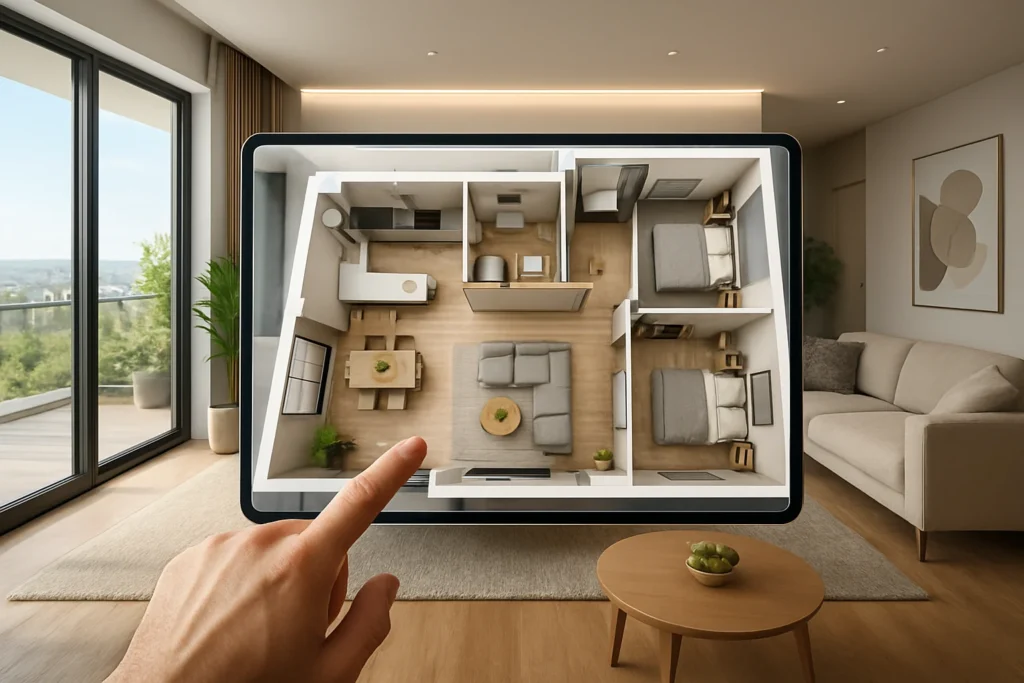
The immersive capabilities of 3D architectural visualization, including virtual reality and augmented reality, further enhance sustainable design.
Cost Efficiency Through Visualization
Visualization also supports cost efficiency. By simulating options digitally, architects can avoid unnecessary material waste and refine layouts before construction begins.
Learning from Previous Projects
Sustainable projects benefit from case-based learning as well. Visualization helps architects analyze what worked and improve future designs.
Bridging Ideas and Implementation
3D architectural visualization bridges the gap between abstract sustainability goals and practical implementation.
Future Trends in Sustainable Visualization
Artificial intelligence and cloud collaboration are enhancing visualization, enabling more precise simulations and faster iterations.
Conclusion: Achieving Responsible Design with Visualization
In conclusion, 3D architectural visualization is an indispensable tool for supporting sustainable design. It transforms complex environmental concepts into visual experiences, improves communication, and enables informed decision-making. This approach ensures that modern architecture not only looks impressive but also performs responsibly.