
Benefits of Using 3D Architectural Visualization to Transform Interior Design Presentations
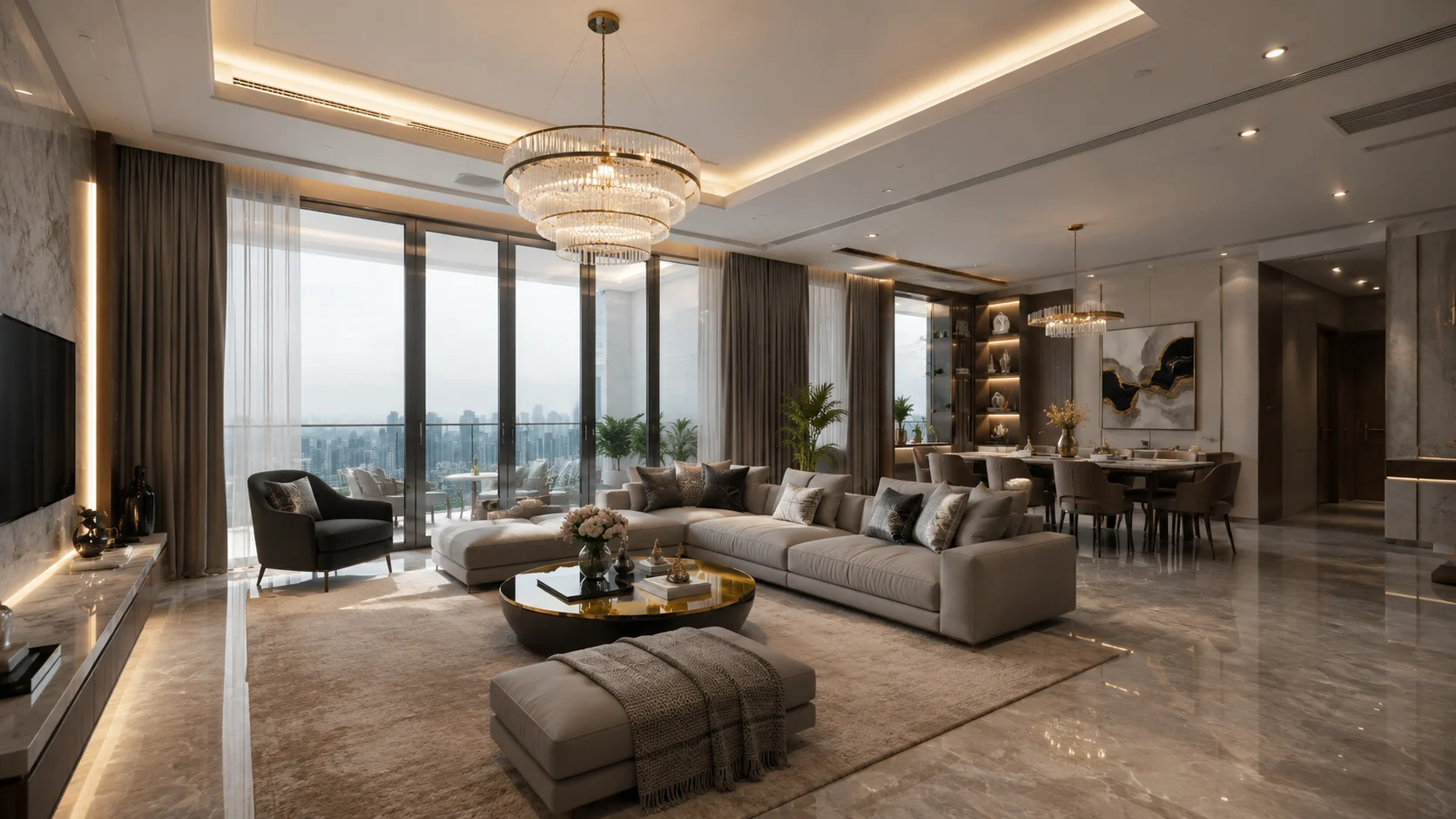
Benefits of Using 3D Architectural Visualization to Transform Interior Design Presentations
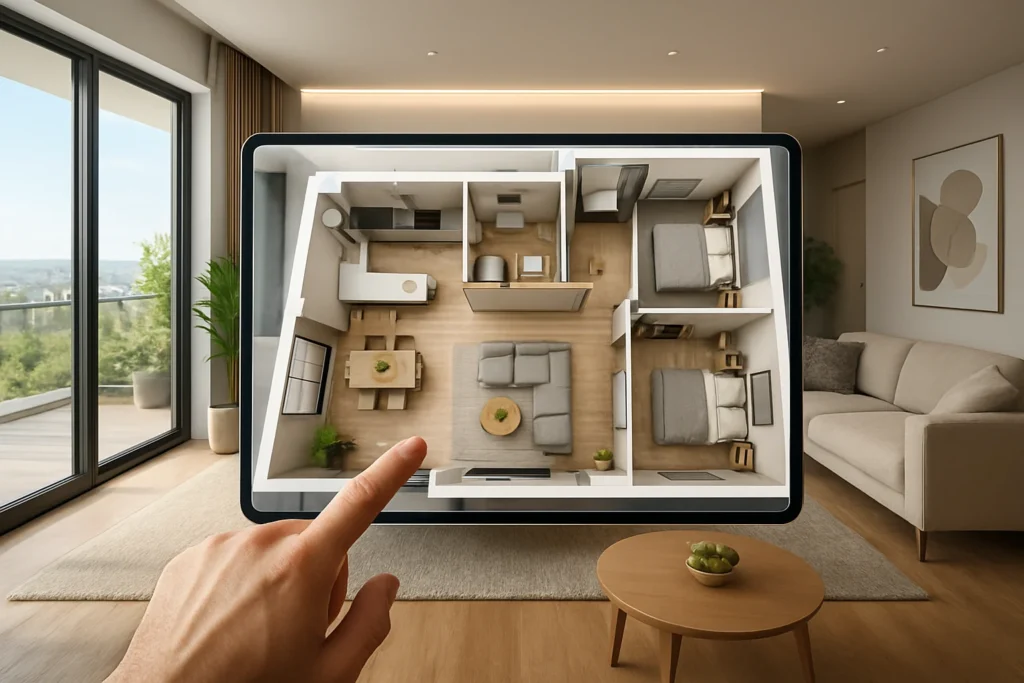
3D architectural visualization has completely changed the way interior designers present their ideas to clients. Instead of asking clients to imagine a finished space from technical drawings or simple sketches, designers can now show realistic images that closely represent the final result. This makes it much easier for clients to understand the design, give feedback, and feel confident about their decisions before any work begins.
Interior design is not just about selecting furniture, colours, or materials. It is about helping clients picture how all these elements come together to create a beautiful and functional space. Traditional presentations often leave room for confusion because many people struggle to interpret floor plans and elevation drawings. This is where high-quality interior rendering becomes a valuable part of the design process.
Whether you are designing a modern apartment, a luxury villa, an office, or a retail showroom, realistic visual presentations help communicate ideas clearly. They reduce misunderstandings, improve client satisfaction, and make every presentation more engaging. In this article, you’ll discover how realistic renderings improve communication, speed up approvals, reduce revisions, and help interior designers present their work with greater confidence.
Why Interior Design Presentations Matter More Than Ever
Every successful interior design project begins with clear communication. Before construction starts, clients need to understand exactly what their future space will look like. If they cannot visualize the design, they may hesitate to approve it or request multiple changes throughout the project.
A presentation is more than a collection of drawings. It tells the story of the design. It explains how each room will feel, how natural light will enter the space, how furniture will fit together, and how colours and materials will create a balanced interior.
Today’s clients expect much more than printed layouts or mood boards. They have seen realistic home tours online, interactive property showcases, and beautifully rendered interiors across social media. As a result, they expect the same level of detail when reviewing their own projects.
Professional architectural visualization services help designers meet these expectations by presenting every detail in a way that is easy to understand. Instead of guessing how a room may look, clients can see a realistic version before construction even begins.
This not only creates trust but also helps clients become active participants in the design process. When they clearly understand the proposal, discussions become more productive, and decisions become easier to make.
What Makes Modern Design Presentations More Effective
Modern interior design presentations focus on helping clients experience the design rather than simply looking at drawings. High-quality visuals allow people to explore every room from different viewpoints and understand the relationship between furniture, lighting, décor, and architectural elements.
One of the biggest improvements is the ability to present photorealistic rendering that closely matches the final finished project. Every material, fabric texture, flooring pattern, and lighting effect can be shown with impressive accuracy.
Interior designers also benefit because these presentations create confidence during meetings. Instead of spending valuable time explaining technical drawings, they can walk clients through realistic interior scenes that answer many questions naturally.
Another reason these presentations are so effective is their flexibility. Designers can quickly compare different material finishes, wall colours, furniture layouts, or lighting styles without making expensive changes on-site. Clients appreciate having options because they feel involved in the decision-making process.
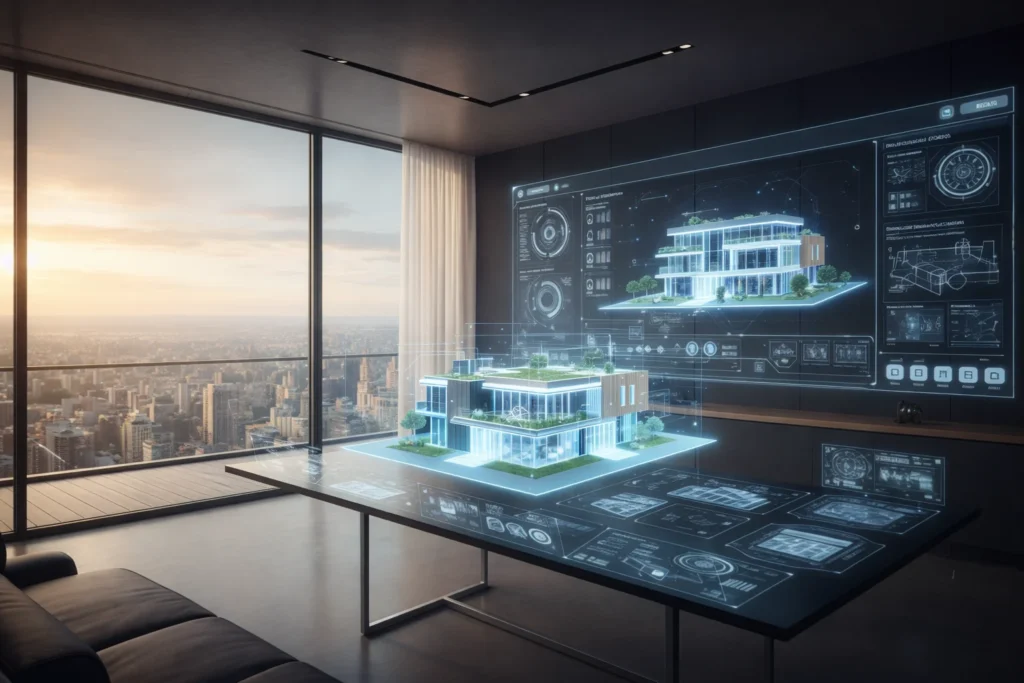
Professional interior visualization also helps builders, architects, and property developers present projects to investors and buyers. Clear visuals communicate ideas much faster than technical documents, making presentations more memorable and persuasive.
How Realistic Visuals Change the Way Clients See a Project
One of the biggest challenges in interior design is helping clients imagine something that does not yet exist. Even experienced homeowners can find it difficult to understand how a collection of drawings will become a comfortable living space.
This is where 3D architectural visualization makes a noticeable difference. Instead of relying on imagination, clients can see every room almost exactly as it will appear after completion.
Realistic interior rendering allows clients to evaluate furniture placement, lighting arrangements, wall finishes, flooring materials, decorative accessories, and overall room proportions. Seeing these details together gives them confidence that the design matches their expectations.
Another advantage is the emotional connection created by realistic imagery. When clients see sunlight entering a living room, soft lighting in a bedroom, or carefully selected décor throughout the home, they begin to imagine themselves living in that environment. This emotional response often leads to faster approvals because the design feels real rather than conceptual.
Photorealistic interior rendering also helps identify small concerns before construction begins. A client may notice that a dining table feels too large, a wall colour appears darker than expected, or decorative lighting could be improved. Making these adjustments during the planning stage is much easier and far less expensive than changing completed work.
Clear visualization also improves communication between designers, contractors, and clients. Everyone works from the same visual reference, reducing confusion and ensuring that the finished interior closely matches the approved presentation.
Top Benefits for Interior Designers
Interior designers invest significant time in understanding a client’s lifestyle, preferences, and functional needs before preparing a concept. Presenting those ideas clearly is just as important as creating them. When clients can easily understand the vision, projects move forward with fewer delays and greater confidence.
One of the biggest advantages of 3D architectural visualization is that it turns creative ideas into realistic images that anyone can understand. Instead of relying on technical explanations, designers can present spaces in a way that feels familiar and easy to interpret. Clients no longer need to imagine how different elements will come together because they can see the final concept before construction begins.
Another major benefit is quicker decision-making. Clients who view detailed renderings often feel more certain about their choices, reducing the time spent discussing basic design concepts. Meetings become more productive because conversations focus on refining details rather than explaining layouts.
Design revisions are another area where realistic renderings make a noticeable difference. Changes requested after construction begins can lead to additional costs, project delays, and unnecessary stress. By reviewing a realistic presentation early, clients can request adjustments while the project is still in the planning stage.
Professional presentations also help interior designers build credibility. When a designer presents high-quality interior design rendering with accurate lighting, realistic materials, and carefully arranged furniture, it reflects attention to detail and professionalism. This often leaves a lasting impression on both new and returning clients.
For design firms working on multiple projects, consistent presentation quality also strengthens their brand image. Whether presenting a compact apartment or a luxury residence, every proposal maintains the same professional standard.
In today’s competitive market, clients often compare several designers before making a decision. A realistic presentation can become the factor that helps one designer stand out from the rest. When clients clearly understand the design and feel confident about the outcome, they are more likely to move forward with the project.
Why Clients Prefer Seeing Realistic Interior Views
From a client’s perspective, investing in an interior design project is a significant financial decision. They want reassurance that every detail has been carefully planned before work begins. Technical drawings alone rarely provide that confidence.
This is where 3D architectural visualization helps bridge the communication gap between designers and clients. Instead of looking at symbols, dimensions, and construction notes, clients can experience a realistic representation of their future home or commercial space.
One of the most appreciated benefits is clarity. Clients can immediately understand room proportions, furniture placement, circulation space, and colour combinations. Questions that would normally require lengthy explanations are answered visually.
Realistic renderings also help clients compare different design options. They may want to see two flooring choices, multiple kitchen finishes, or alternative lighting concepts before making a final decision. Viewing these options side by side makes the selection process much easier.
Confidence is another important factor. Many homeowners worry about making expensive mistakes. Seeing a realistic render allows them to confirm that every room matches their expectations before construction starts. This reduces anxiety and creates trust between the client and the design team.
Interior visualization is equally useful for commercial projects. Business owners can evaluate office layouts, customer flow, furniture arrangements, and branding elements before investing in construction. Hotel owners, restaurant operators, and retail businesses can also preview how customers will experience the finished environment.
Clients also appreciate being involved throughout the design journey. Instead of simply approving drawings, they become active participants by reviewing visuals, suggesting refinements, and discussing ideas with greater confidence. This collaborative approach often results in stronger client relationships and higher overall satisfaction.
Where These Visuals Make the Biggest Difference
Realistic architectural rendering has become valuable across almost every type of interior design project. Regardless of the project’s size, detailed visual presentations help everyone involved understand the final vision more clearly.
Residential interiors are among the most common applications. Homeowners often want to see exactly how their living room, kitchen, bedroom, or bathroom will look before work begins. Realistic renderings allow them to evaluate furniture layouts, lighting effects, wall finishes, flooring, and decorative accessories with confidence.
Luxury apartments and premium residences particularly benefit from detailed presentations because these projects involve high-value materials and carefully planned interiors. Every marble surface, wooden finish, fabric texture, and lighting fixture can be reviewed before installation, helping clients feel secure in their investment.
Villa projects also benefit from detailed visualization. Large homes usually include multiple rooms with different themes and design styles. A complete visual presentation helps maintain consistency throughout the property while allowing clients to review every space individually.
Commercial office interiors are another area where realistic presentations provide clear advantages. Business owners can evaluate workstation layouts, meeting rooms, reception areas, breakout spaces, and employee circulation before construction begins. This helps create workspaces that are both functional and visually appealing.
Retail stores rely heavily on customer experience, making visual planning even more important. Designers can present product displays, shelving arrangements, lighting concepts, cashier counters, and branding elements in a realistic format that supports better decision-making.
Hotels, cafés, and restaurants also depend on atmosphere to attract customers. Through 3D architectural visualization, owners can review seating layouts, decorative lighting, finishes, and overall ambience before investing in the final build. This allows them to create inviting spaces that align with their brand identity.
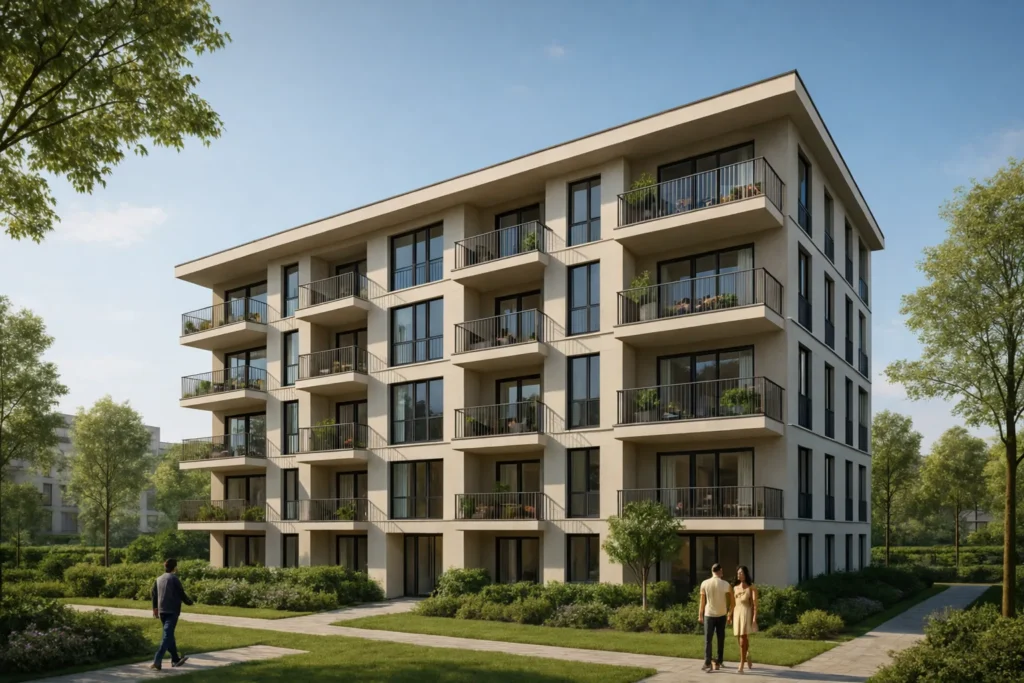
Real estate developers also use photorealistic rendering to market properties before construction is complete. High-quality visuals help buyers understand the design, increasing interest in upcoming projects and supporting pre-launch sales efforts.
No matter the project type, realistic presentations help reduce uncertainty, improve communication, and ensure that everyone shares the same vision from the very beginning.
Comparing Traditional Presentations with Modern Visual Presentations
Interior design presentations have changed significantly over the years. While floor plans, elevations, and material boards are still important, they often do not provide enough information for clients who have no technical background. Modern visualization techniques fill that gap by presenting ideas in a way that is easy to understand.
The table below highlights the difference between traditional presentations and realistic visual presentations.
Feature | Traditional Presentation | Modern Visual Presentation |
Design Understanding | Requires imagination and interpretation | Shows the design in a realistic format |
Client Confidence | May leave room for uncertainty | Builds confidence before construction starts |
Decision Making | Often takes multiple meetings | Faster and more informed decisions |
Design Revisions | Higher chance of late-stage changes | Most changes happen during planning |
Material Selection | Samples viewed separately | Materials shown together in the complete space |
Furniture Planning | Difficult to visualize scale | Accurate placement and proportions |
Lighting Preview | Explained through drawings | Realistic day and night lighting views |
Overall Experience | Technical and less engaging | Visual, interactive, and easy to understand |
When clients can clearly see the finished design, conversations become more productive. Rather than asking what a room might look like, they can focus on refining details that truly matter. This creates a smoother workflow for everyone involved in the project.
Another benefit is improved collaboration. Architects, interior designers, contractors, and clients all work from the same visual reference, reducing the chances of misunderstandings during construction.
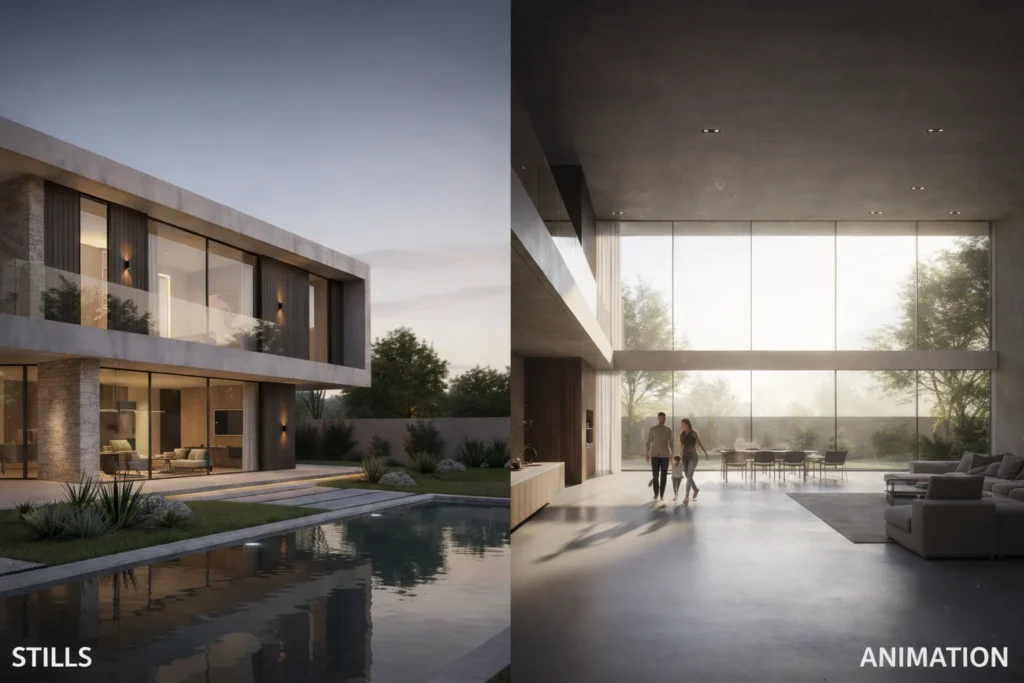
Many design firms also include virtual walkthroughs along with still images, allowing clients to explore rooms from different angles. This provides a better sense of scale and movement throughout the space than static drawings alone.
Features That Help Bring Every Interior Concept to Life
The quality of an interior presentation depends on the level of detail included in the visualization. Small details often have the biggest impact because they help clients imagine the finished environment more accurately.
One of the most important features is realistic lighting. Natural sunlight changes throughout the day, and artificial lighting creates different moods during the evening. Showing both conditions allows clients to understand how each room will feel at different times.
Material visualization is equally important. Every surface, whether it is marble, wood, glass, fabric, or metal, should closely resemble the real product. Accurate textures help clients compare finishes before making a final selection.
Furniture placement also plays a major role in successful presentations. Proper spacing between furniture pieces helps clients understand circulation within the room while ensuring that the space remains comfortable and functional.
Decorative elements such as artwork, plants, rugs, curtains, and accessories complete the presentation. These details add personality and make the space feel lived in rather than empty.
Multiple camera angles give clients a complete understanding of each room. Instead of relying on a single viewpoint, designers can present wide-angle perspectives, eye-level views, and close-up details of important design features.
Another useful addition is the option to present both daytime and nighttime scenes. Clients can evaluate how sunlight enters a living room during the day and how feature lighting transforms the same space after sunset.
Today, many rendering studios also offer virtual walkthroughs and architectural animation. These experiences allow clients to move through interiors naturally, making it even easier to understand the overall design before construction begins.
When all these elements come together, presentations become more engaging, informative, and memorable. Clients are able to make decisions based on a complete picture instead of trying to imagine the final outcome.
Mistakes Designers Can Avoid Before Construction Starts
Every interior project involves hundreds of decisions. Even a small mistake can increase costs, delay timelines, or affect the finished appearance of the space. Reviewing realistic visuals before construction begins helps identify many of these issues early.
One common problem is selecting the wrong materials. A flooring sample may look attractive on its own but may not work well with wall colours, furniture, or lighting once installed. Seeing everything together allows designers and clients to evaluate the complete look before placing orders.
Furniture sizing is another area where planning is essential. A sofa that appears suitable on paper may leave limited walking space when positioned inside the room. Realistic presentations reveal these issues immediately, allowing adjustments before purchasing furniture.
Lighting placement can also be refined during the visualization stage. Decorative fixtures, recessed lighting, wall lights, and pendant lamps should complement both the architecture and furniture arrangement. Reviewing these details early helps create balanced lighting throughout the space.
Colour combinations are easier to evaluate when viewed in realistic conditions. Paint colours often appear different depending on sunlight, artificial lighting, and surrounding materials. Visual presentations help clients choose shades with greater confidence.
Storage planning also benefits from detailed visualization. Wardrobes, kitchen cabinets, display units, and shelving can be reviewed to ensure they provide both functionality and visual balance.
Another common issue involves room proportions. Ceiling designs, wall panels, and decorative elements may appear oversized or undersized if not carefully planned. Reviewing realistic renderings allows designers to fine-tune these proportions before construction starts.
One of the greatest strengths of 3D architectural visualization is that it helps identify these concerns during the planning phase rather than after installation. Correcting a digital model is far quicker and less expensive than modifying completed construction.
As a result, projects progress with fewer unexpected changes, better coordination between teams, and greater confidence from everyone involved.
Choosing the Right Visualization Partner
The quality of your presentation depends not only on the design itself but also on the team responsible for creating the visuals. A skilled rendering partner can present your ideas with accuracy, realism, and attention to detail, helping clients understand the project without confusion.
Before selecting a visualization company, review its portfolio carefully. Look for projects similar to yours and pay attention to the quality of lighting, textures, furniture placement, and overall realism. Consistent work across different project types is usually a good sign of experience.
Communication is another important factor. A professional team should understand your design intent, respond to feedback promptly, and provide updates throughout the rendering process. Clear communication helps avoid delays and ensures the final images match your expectations.
Delivery timelines should also be discussed before work begins. Interior design projects often follow strict schedules, so receiving renderings on time is essential for client meetings and project approvals.
It is equally important to understand the revision process. Even the best-planned projects may require small changes after the initial presentation. Working with a studio that offers a transparent revision policy makes it easier to refine the visuals without disrupting the project timeline.
If your projects include premium residences, commercial spaces, or hospitality interiors, choose a team with experience in those sectors. Different project types require different approaches, and industry-specific knowledge often results in better-quality presentations.
Finally, consider the overall value rather than focusing only on cost. High-quality renderings are an investment that can improve client confidence, support faster approvals, and contribute to a smoother design process from start to finish.
Frequently Asked Questions
What is 3D architectural visualization?
3D architectural visualization is the process of creating realistic digital images or animations that show how an interior or exterior space will look before construction begins. It helps clients understand the design through lifelike visuals instead of relying only on technical drawings.
Why is it useful for interior design presentations?
It allows clients to see layouts, furniture, colours, materials, and lighting in a realistic way. This improves communication, reduces misunderstandings, and makes design presentations easier to understand.
How realistic are modern interior renderings?
With advanced rendering software, today’s interior visuals can closely resemble real photographs. Accurate lighting, detailed textures, and carefully selected materials help create highly realistic results.
Does it help reduce project revisions?
Yes. When clients review realistic presentations before construction starts, they can request changes early in the planning stage. This reduces the chances of expensive modifications during execution.
How long does it take to create interior renderings?
The timeline depends on the size and complexity of the project. A single room may take a few days, while larger residential or commercial projects can require additional time for modelling, rendering, and revisions.
Is it suitable for small residential projects?
Absolutely. Whether it is a studio apartment, a family home, or a luxury villa, realistic visual presentations help homeowners understand the design before investing in construction.
What files are usually delivered?
Most rendering studios provide high-resolution images suitable for presentations, client approvals, marketing materials, websites, and social media. Some projects may also include virtual walkthroughs or animated videos.
Conclusion
3D architectural visualization has become an essential part of modern interior design presentations because it helps designers communicate ideas with clarity and confidence. Instead of asking clients to imagine the finished space from drawings alone, realistic visuals present every detail in a way that is easy to understand.
From residential homes and luxury apartments to offices, retail stores, hotels, and restaurants, realistic renderings improve communication, support better decision-making, and reduce unnecessary revisions before construction begins. They also create a stronger connection between designers and clients by making every presentation more engaging and easier to evaluate.
For interior designers, architects, builders, and real estate professionals, investing in professional visualization services is about more than creating attractive images. It is about presenting ideas clearly, building trust, and helping clients make informed decisions with confidence.
If you want your next interior design presentation to leave a lasting impression, professional 3D architectural visualization can help you showcase every detail with realism, accuracy, and creativity—turning concepts into visuals that clients can truly believe in.