
How Architectural Rendering Services Support Smart City Planning
Introduction
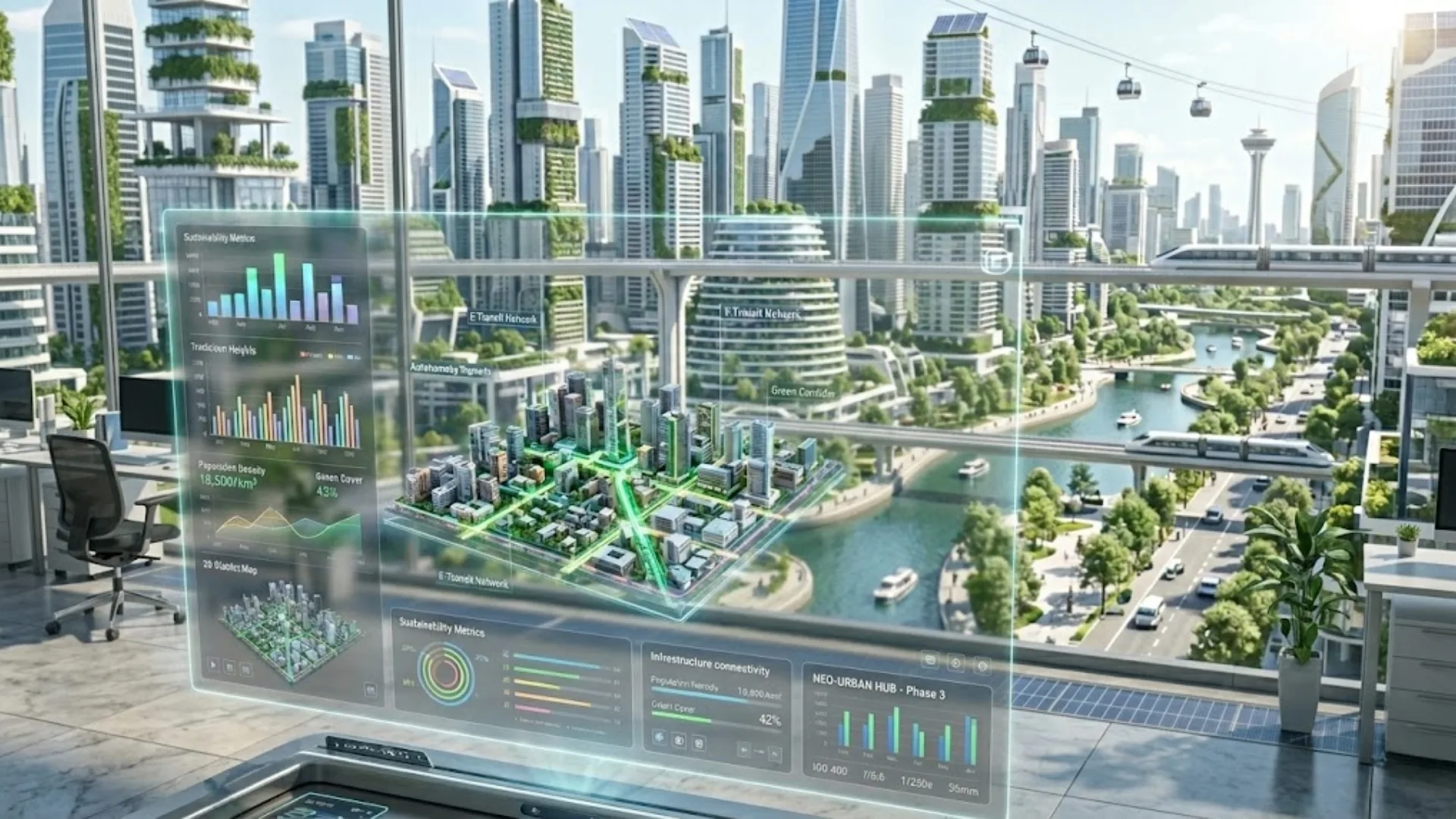
architectural rendering services play a crucial role in shaping how smart cities are planned, understood, and developed in today’s fast-changing world. As urban areas continue to expand and populations increase, the complexity of city planning has grown significantly. Governments, planners, architects, and developers are no longer just creating buildings; they are designing entire ecosystems where infrastructure, transportation, sustainability, and human experience must all work together. In such a detailed and layered process, clear visualization becomes essential, and that is exactly where architectural rendering services make a strong impact.
Why smart city planning needs visual clarity
Smart city planning is very different from traditional construction projects. Instead of focusing on a single structure, planners deal with entire urban systems that include roads, public transport, residential zones, commercial areas, utilities, and green spaces. Each element must connect seamlessly with the others. Without a clear visual representation, understanding how all these components fit together can be difficult. architectural rendering services help convert complex plans into realistic visuals that allow everyone involved to see the bigger picture with clarity.
Turning early ideas into clear visuals
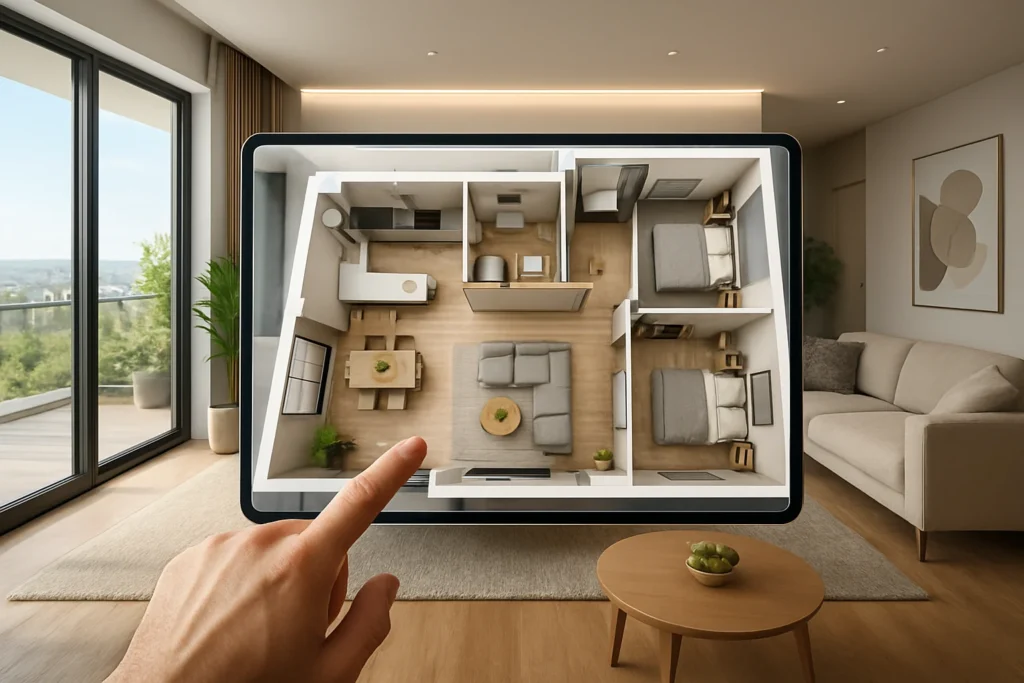
In the early stages of planning, ideas are often rough and conceptual. They may exist in the form of sketches, maps, or technical drawings that are easy for professionals to read but not for everyone else. This gap in understanding can slow down decision-making and lead to confusion. architectural rendering services bridge this gap by turning abstract ideas into detailed visual representations. These visuals help stakeholders quickly grasp the concept and provide meaningful feedback, which makes the planning process more efficient and collaborative.
Seeing the full city layout before construction
One of the most valuable aspects of using architectural rendering services is the ability to visualize an entire city layout before construction begins. Planners can create aerial views that show how different zones are arranged and how they connect with each other. This helps in understanding traffic flow, accessibility, and the overall organization of space. It also allows planners to identify any gaps or inefficiencies in the layout early on, which reduces the chances of costly changes later in the project.
Supporting better decision-making in planning
Another important benefit is the support it provides in decision-making. Smart city projects often involve multiple design options, and choosing the right one can be challenging without proper visualization. architectural rendering services allow planners to test different ideas, compare layouts, and evaluate how each option will look and function in real life. This makes it easier to select the most practical and effective solution, saving both time and resources.
Making communication easier between teams
Communication is one of the biggest challenges in large-scale urban development projects. Different teams, including architects, engineers, government officials, and investors, all need to work together. Each group may have its own way of interpreting plans and designs. Without a common reference point, misunderstandings can occur. architectural rendering services provide a shared visual language that helps everyone stay aligned. When all stakeholders can see the same realistic representation of the project, discussions become clearer and more productive.
Helping the public understand smart city projects
Public engagement is another area where visualization plays a key role. Smart city projects often affect large communities, and gaining public support is important for their success. However, technical drawings and written plans are not always easy for the general public to understand. architectural rendering services help present these projects in a way that is visually clear and relatable. People can see how their surroundings will change, where public spaces will be located, and how infrastructure improvements will impact their daily lives. This transparency helps build trust and encourages community involvement.
Supporting sustainable and eco-friendly planning
Sustainability is a major focus in modern city planning, and visualization helps planners make better environmental decisions. Cities are being designed with energy efficiency, green spaces, and resource management in mind. architectural rendering services allow planners to visualize these elements and understand how they interact with the environment. For example, they can study how sunlight will affect buildings, how green areas will be distributed, and how natural resources can be used more effectively. For more insights on sustainable cities, you can refer to
UN Sustainable Cities Initiative.
Reducing errors and saving project cost
Another key advantage of architectural rendering services is their ability to identify potential issues before construction begins. In large-scale projects, even small design flaws can lead to major problems during execution. By visualizing the entire plan in detail, planners can spot inconsistencies, design conflicts, or impractical layouts early in the process. Fixing these issues at the planning stage is much easier and more cost-effective than making changes during construction.
Improving approvals and investor presentations
In addition to planning and design, visualization also plays a major role in securing approvals and funding. Smart city projects often require approval from government authorities and support from investors. Presenting these projects with clear and realistic visuals makes it easier to communicate the vision and demonstrate feasibility. architectural rendering services help create presentations that are not only informative but also visually engaging, increasing the chances of gaining approval and attracting investment.
Role in marketing and project promotion
Marketing is another important aspect where visualization proves valuable. Developers need to promote smart city projects to attract buyers, tenants, and business partners. High-quality visuals help create a strong first impression and make the project more appealing. architectural rendering services provide the images and animations needed for brochures, websites, and promotional campaigns. Learn more about smart city technologies at
Smart Cities World.
Types of visuals used in smart city projects
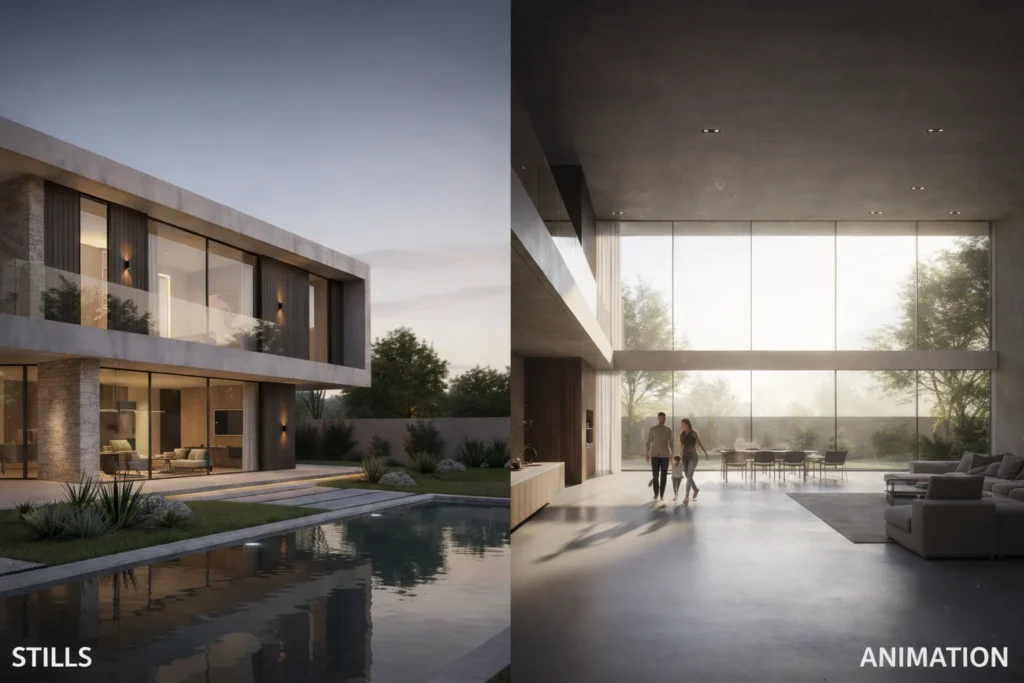
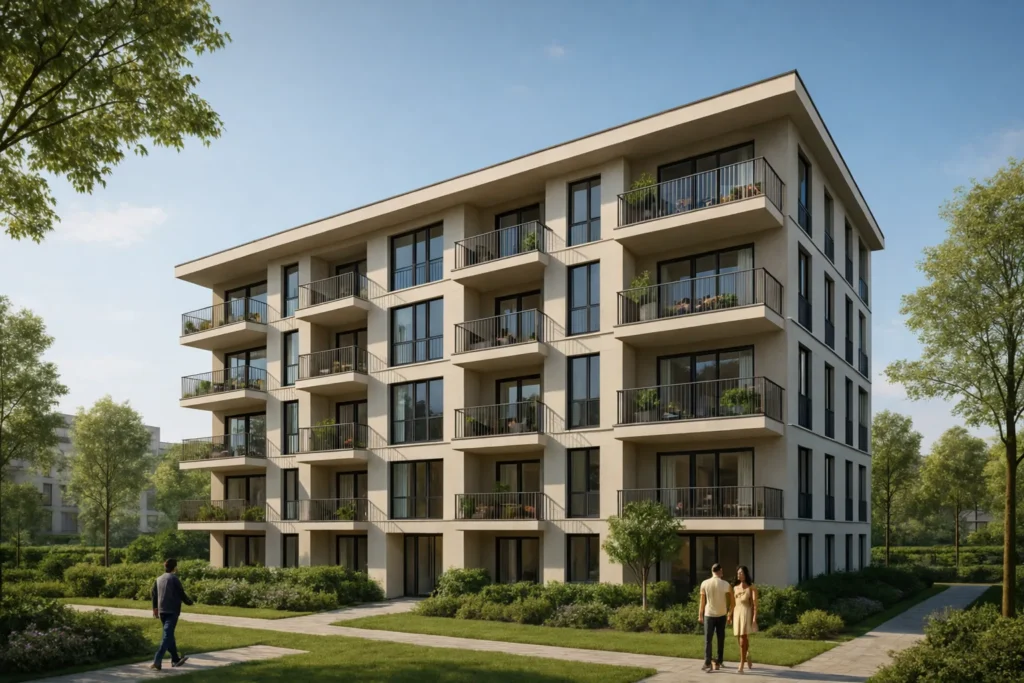
The types of visuals used in smart city planning are diverse and serve different purposes. Aerial views give a complete overview of the city layout, showing how different zones connect. Street-level views provide a more realistic perspective of how the city will look and feel for people living and working there. Walkthrough animations allow viewers to experience the space as if they are moving through it. All these forms of representation are made possible through architectural rendering services, which bring depth and clarity to the planning process.
Technology behind modern rendering solutions
Advancements in technology have significantly improved the quality of visualization. Modern software allows for highly detailed and realistic representations that closely match real-world conditions. Lighting, textures, reflections, and environmental effects can all be controlled to create accurate visuals. architectural rendering services today produce outputs that are almost indistinguishable from actual photographs, which increases trust and confidence among stakeholders.
Real-time and interactive visualization trends
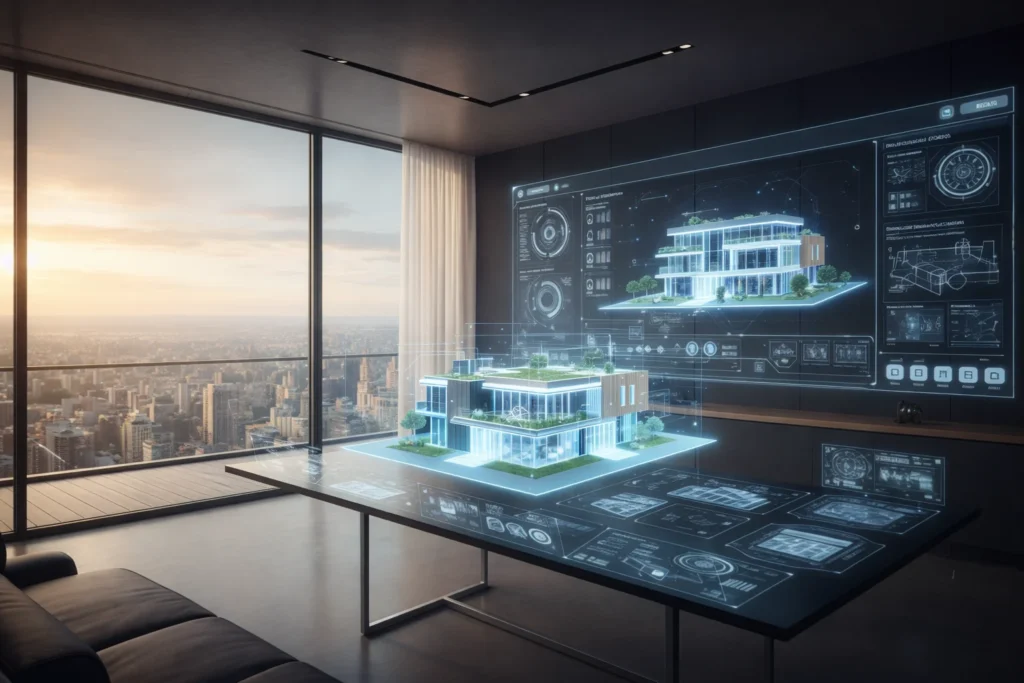
The introduction of real-time visualization and virtual reality has taken this a step further. Instead of viewing static images, users can now explore spaces interactively. This provides a better understanding of scale, movement, and spatial relationships. architectural rendering services are evolving to include these immersive experiences, making it easier for clients and planners to engage with the design in a more meaningful way.
Challenges in large-scale visualization projects
Despite the many benefits, there are also challenges associated with visualization in smart city planning. One of the main challenges is managing the scale and complexity of large urban projects. Creating detailed models for an entire city requires significant time, effort, and technical expertise. architectural rendering services must balance detail with performance to ensure that visuals are both accurate and efficient.
Another challenge is maintaining realism. While it is important to create visually appealing images, they must also reflect the actual design accurately. Overly polished or unrealistic visuals can create false expectations, which may lead to disappointment later. It is important for architectural rendering services to present designs honestly while still making them visually engaging.
Future of rendering in smart city development
Looking towards the future, the role of visualization in smart city development is expected to grow even more. As cities become more advanced and interconnected, the need for clear and detailed planning tools will increase. Technologies such as artificial intelligence and advanced simulation will make it possible to create even more accurate and dynamic models. architectural rendering services will continue to evolve and adapt to these changes, becoming an even more important part of urban planning.
Future smart cities will rely heavily on visualization not just during the planning stage but also for ongoing management and development. Real-time data can be integrated into visual models to monitor traffic, energy use, and environmental conditions. This will allow city planners to make better decisions and improve efficiency over time. architectural rendering services will play a key role in creating these digital environments that support smarter living.
Conclusion: Why visualization is essential for smart cities
In conclusion, smart city planning requires a clear and comprehensive approach to managing complex urban systems. Without proper visualization, it becomes difficult to communicate ideas, make informed decisions, and gain support from stakeholders. architectural rendering services help overcome these challenges by turning technical plans into realistic and easy-to-understand visuals.
They support every stage of the project, from early concept development to final presentations and marketing. Their role goes beyond just creating images. They help improve communication, reduce errors, support sustainability, and make projects more appealing to investors and the public. As urban development continues to grow and evolve, architectural rendering services will remain an essential tool in building smarter, more efficient, and more livable cities.