
Exterior Rendering Best Practices for Dubai Façade Presentations
Introduction
CGI architectural visualization has become an essential element in presenting exterior façades in Dubai, where architecture is defined by innovation, scale, and luxury. In a city that constantly pushes global design boundaries, static drawings and basic elevations no longer communicate design intent effectively. High-quality CGI visuals allow architects and developers to present façades with clarity, realism, and emotional impact before construction even begins.
Dubai clients expect visuals that feel real, accurate, and aspirational. This expectation has made CGI architectural visualization a critical tool for approvals, investor presentations, and real estate marketing.
Why Dubai Façades Require Advanced Visualization
Dubai’s architectural landscape is unique. Glass towers, waterfront villas, mixed-use developments, and iconic skylines all demand a higher level of visual precision. Façades are often complex, combining modern geometry with premium materials and detailed lighting concepts.
Through CGI architectural visualization, stakeholders can clearly understand form, proportion, material behavior, and overall façade personality. This reduces misunderstandings, speeds up design approvals, and improves decision-making for everyone involved.
Lighting Techniques for Dubai’s Climate
Lighting plays a major role in how façades are perceived in Dubai’s bright and intense environment. Harsh sunlight can easily wash out textures and materials if not handled correctly. Professional CGI architectural visualization balances light direction, shadow softness, and exposure to ensure details remain visible and realistic.
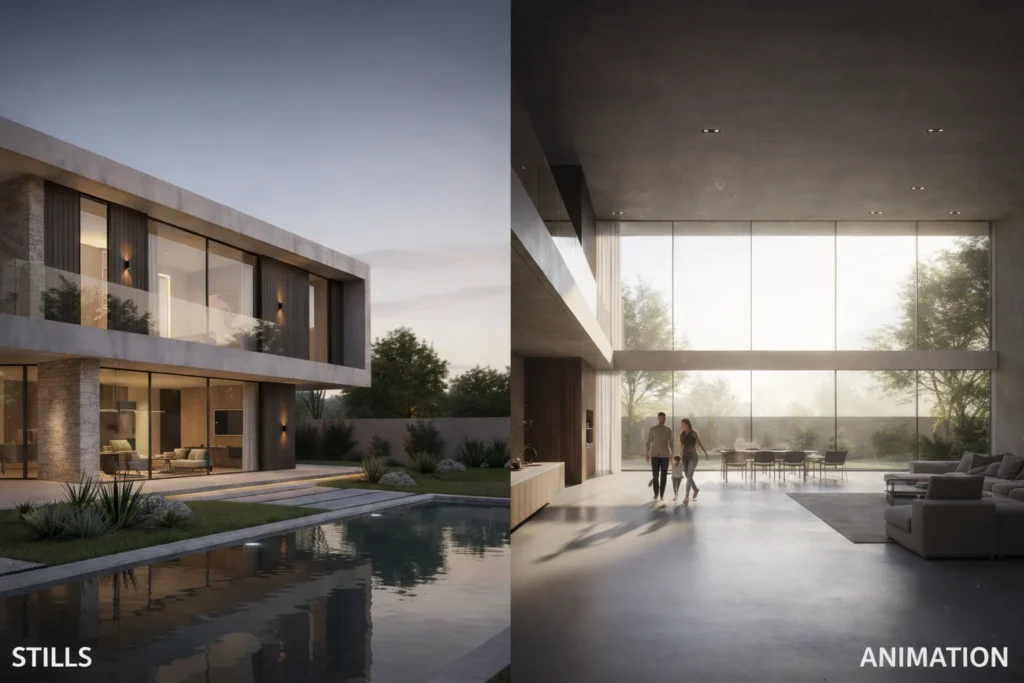
Many projects benefit from showing multiple lighting conditions. Daylight renders highlight clarity and cleanliness, while sunset or evening tones add warmth and depth. When combined with 3d walkthrough animation, lighting transitions become more immersive, allowing viewers to experience the façade at different times of day.
Material Accuracy and Visual Realism
Material realism is one of the strongest indicators of quality in CGI architectural visualization. Dubai façades frequently feature glass, metal cladding, stone, textured concrete, and composite panels. Each of these materials reacts differently to light, reflections, and surrounding elements.
Accurate material representation includes subtle imperfections, realistic reflections, and correct surface roughness. These details prevent visuals from looking artificial and help clients trust what they see. This level of realism is especially important when multiple premium materials are used together on a single façade.
Realistic 3D Architecture Design in Exterior Renders
Behind every strong exterior render is realistic 3d architecture design. Clean modeling, correct proportions, and structural accuracy ensure the façade looks believable from every angle. This is especially important in Dubai, where projects are often viewed from aerial perspectives, long-distance skyline shots, and close-up street views.
Realistic 3d architecture design ensures consistency across still renders, animations, and marketing visuals, creating a cohesive and professional presentation.
How 3D Walkthrough Animation Improves Façade Presentations
While still images communicate design intent, 3d walkthrough animation adds movement, depth, and storytelling. Animations allow viewers to experience the façade as a journey, showing how the building interacts with its surroundings and how design elements unfold naturally.
In Dubai’s large-scale developments, 3d walkthrough animation is particularly effective for demonstrating scale, entry sequences, and urban context. It also helps clients visualize real-world experience rather than just design theory.
Context, Surroundings, and Urban Scale
A façade never exists in isolation, especially in Dubai. Roads, landscaping, neighboring towers, waterfronts, and skyline reflections all influence how a building is perceived. CGI architectural visualization should integrate these elements thoughtfully to create a realistic sense of place.
Contextual details such as vehicles, people, and street furniture help establish scale and proportion. When combined with realistic 3d architecture design, these elements make the façade feel grounded and believable.
Camera Angles and Visual Storytelling
Camera placement plays a subtle but powerful role in façade presentations. Ground-level angles highlight human interaction, while elevated views showcase massing and layout. Strategic camera choices guide the viewer’s attention and shape how the design is understood.
When these angles are connected through 3d walkthrough animation, the presentation becomes more engaging and easier to follow. Instead of overwhelming viewers with information, the design unfolds naturally.
Night-Time Rendering and Luxury Appeal
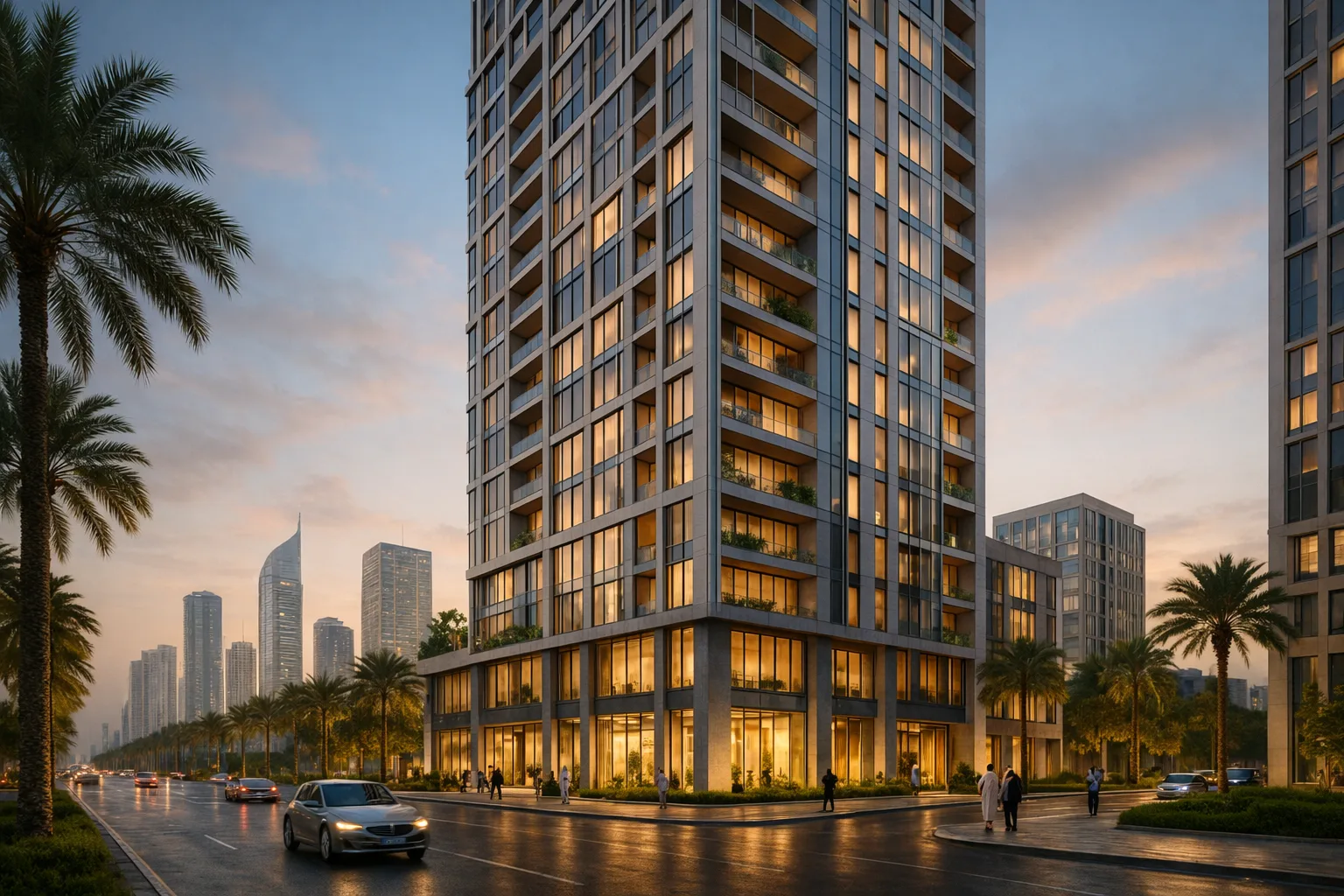
Night-time visuals are especially important in Dubai, where many developments are designed to stand out after sunset. Warm interior lighting, façade illumination, and landscape lighting add sophistication and luxury to exterior presentations.
CGI architectural visualization captures these lighting moods precisely, helping clients understand how the building will appear during evening hours. For hotels, villas, and commercial projects, night renders often become the most emotionally compelling visuals.
Digital Presentation, Marketing, and Sustainability
Modern façade presentations are shared across websites, digital portfolios, and marketing campaigns. High-quality CGI architectural visualization enhances brand credibility when displayed on platforms built using WordPress development.
Sustainability is also becoming a growing focus in Dubai architecture. Green façades, shading systems, and eco-friendly materials can be clearly communicated through realistic 3d architecture design, helping clients understand environmental benefits visually.
Images & Media (Minimal but Effective)
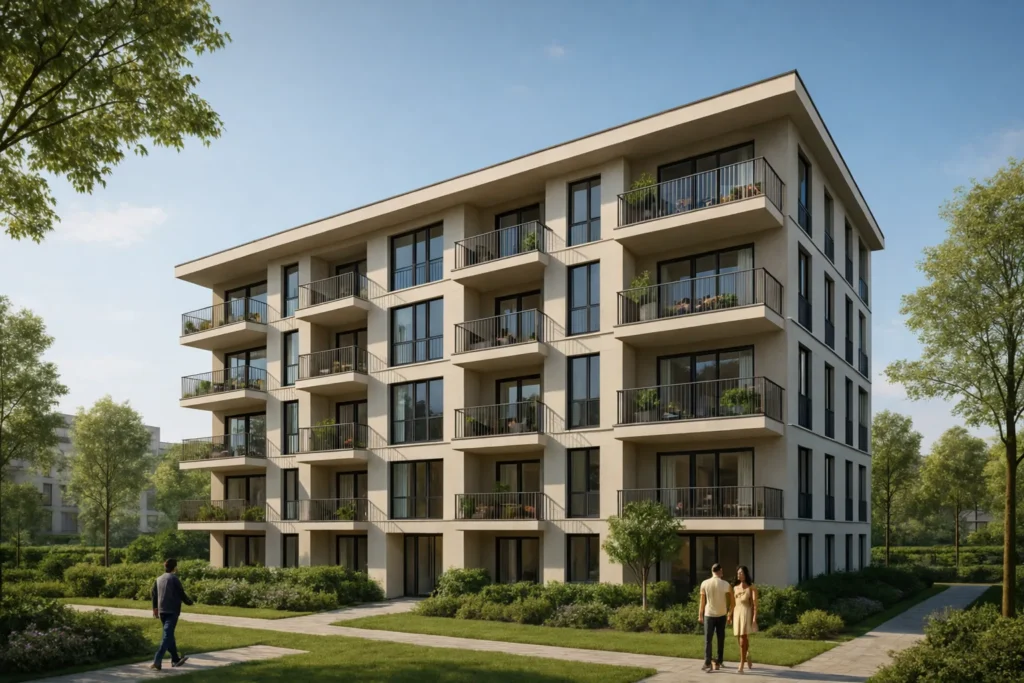
- Daylight façade render (alt: cgi architectural visualization Dubai façade)
- Night-time exterior render (alt: cgi architectural visualization luxury building)
- Short 3d walkthrough animation clip
Conclusion
The success of Dubai façade presentations depends on realism, clarity, and emotional connection. CGI architectural visualization brings these elements together by combining accurate materials, thoughtful lighting, real-world context, and immersive presentation techniques.
When enhanced with realistic 3d architecture design and supported by 3d walkthrough animation, exterior visuals become powerful tools for communication, approval, and marketing. As Dubai continues to redefine modern architecture, high-quality façade visualization will remain essential for turning ambitious ideas into confident realities.