
Luxury Living Room Designs Created Using Architectural Rendering Services
Introduction
Luxury living rooms are more than just beautiful spaces. They reflect comfort, personal taste, and a certain way of living. Whether it’s a city apartment or a spacious villa, the living room often becomes the heart of the home—where conversations happen, guests gather, and daily life unfolds. Because of this, planning the right living room interior design is a serious decision for homeowners and designers alike.
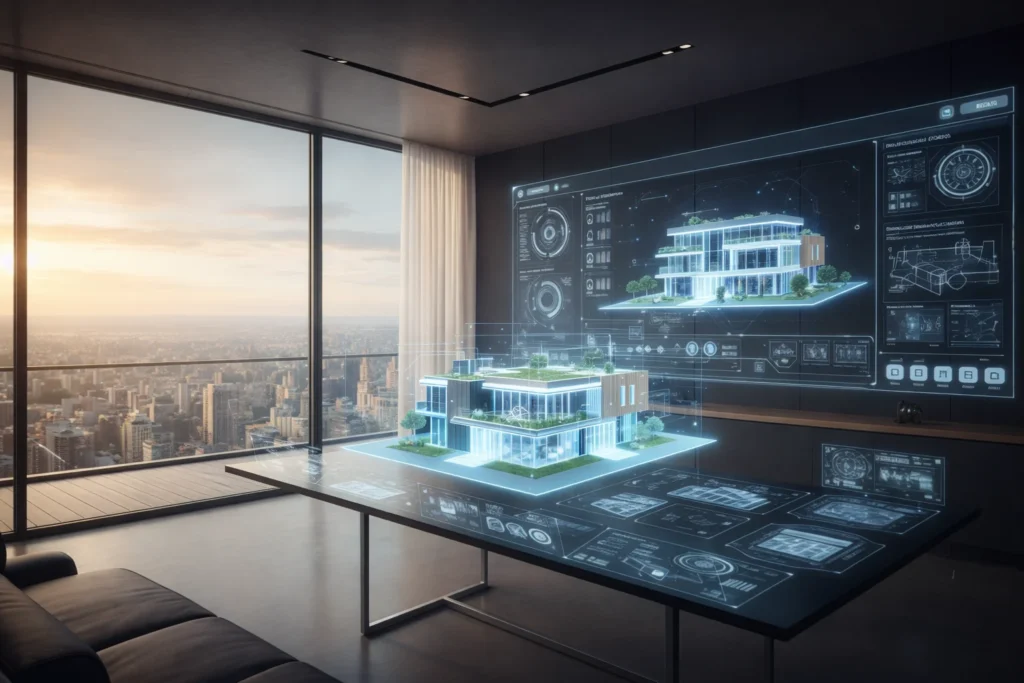
Architectural rendering services have changed how luxury living rooms are planned and designed. Instead of relying only on drawings or imagination, designers can now present highly detailed visuals that show how a space will actually look once completed. From furniture placement to lighting mood and material finishes, these visuals help bring ideas closer to reality long before construction begins.
In this blog, we’ll explore how architectural rendering services play a key role in creating luxury living room designs, what elements define a high-end space, and how homeowners can use these visuals to make confident design choices.
Why Architectural Rendering Matters for High-End Living Rooms
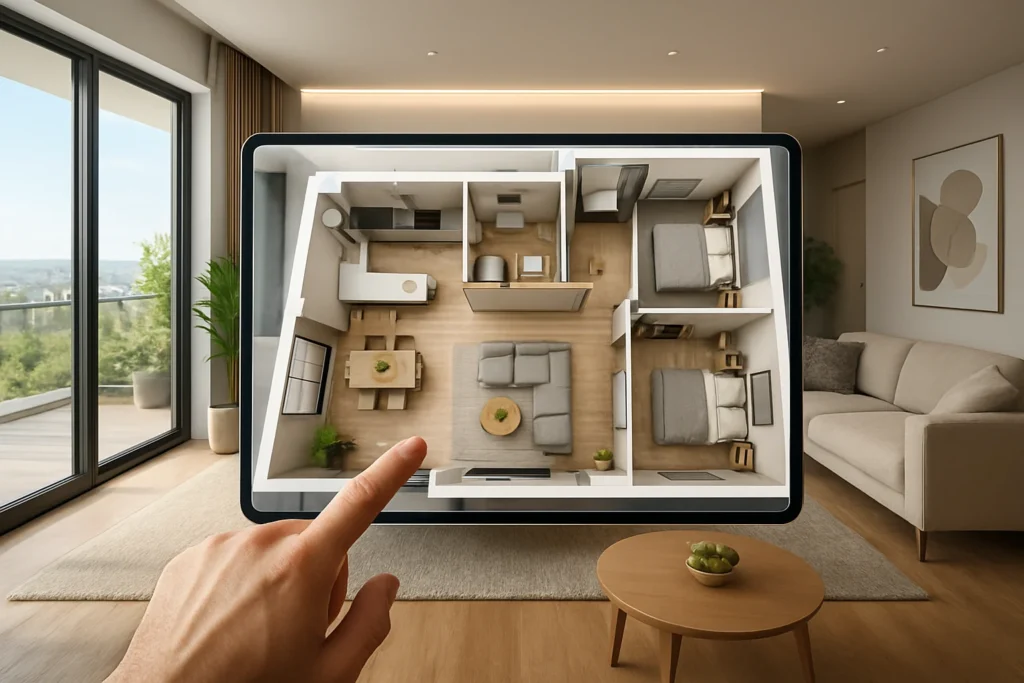
Architectural rendering is the process of creating realistic 3D visuals of interior spaces using specialized software. These visuals go beyond flat floor plans and show depth, texture, light, and atmosphere in a way that feels almost real.
For luxury living rooms, this level of detail is especially important. Premium materials, custom furniture, and carefully planned lighting can look very different on paper than in real life. With 3D interior renders, homeowners and designers can clearly see how everything works together.
Another advantage is clarity. Renderings help eliminate confusion by showing exact proportions, color combinations, and spatial flow. This makes discussions between designers, clients, and contractors smoother and more productive.
Key Elements of Luxury Room Concepts (From Render to Reality)
Luxury living room designs rely on several core elements, all of which are clearly visible through architectural visualization.
Lighting and Mood
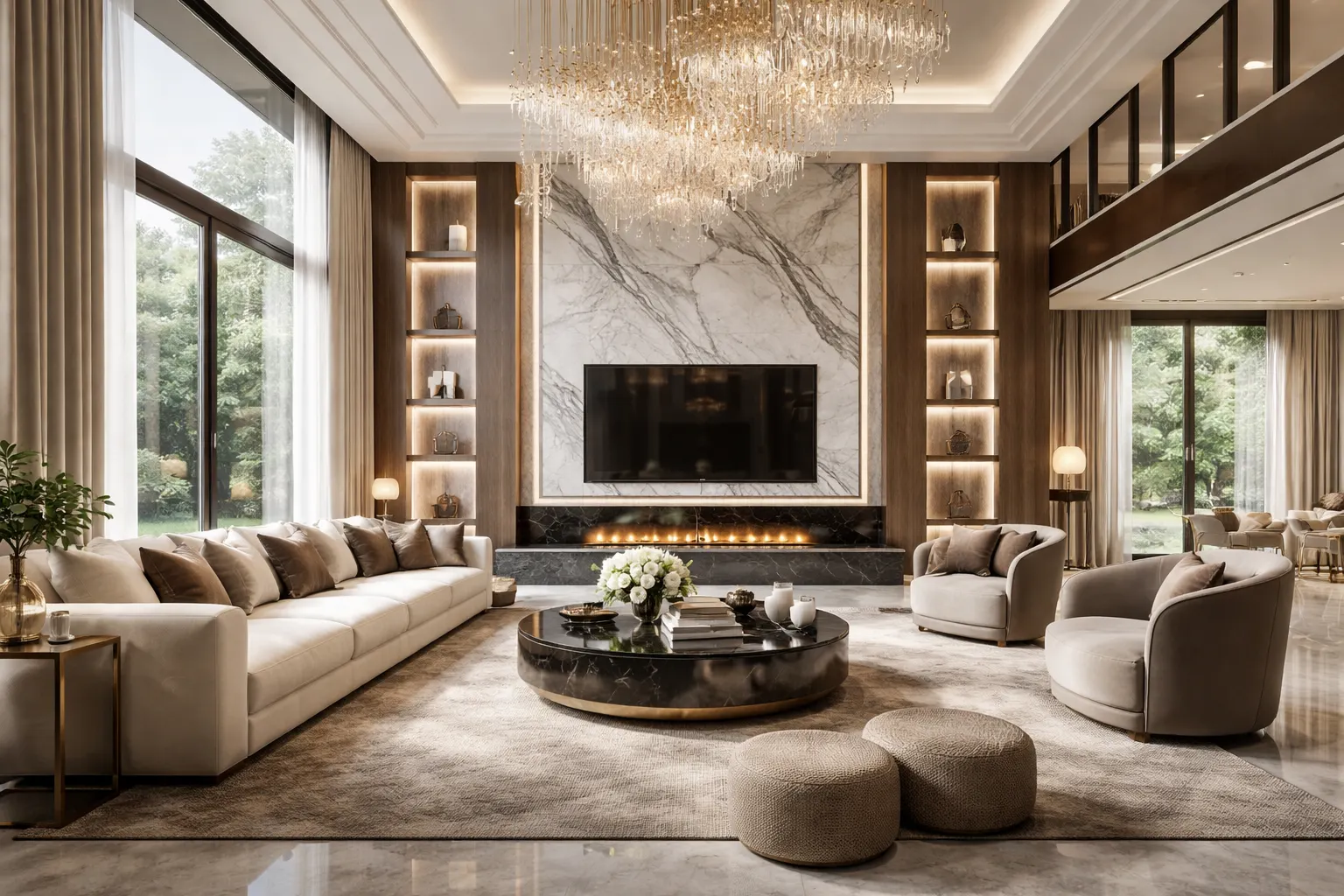
Lighting sets the tone of a space. Renderings allow designers to show how natural light enters during the day and how artificial lighting creates warmth in the evening. Layered lighting—such as ceiling lights, floor lamps, and accent lighting—can be tested visually before installation.
Materials and Textures
From marble floors to wooden wall panels and plush fabrics, materials define the feel of luxury interiors. High-quality renders display textures realistically, helping clients understand how smooth, glossy, or soft a surface will appear.
Layout and Flow
A luxury living room should feel open yet comfortable. Renderings help refine furniture placement, walking paths, and seating arrangements so the room feels balanced and inviting.
Details That Stand Out
Statement furniture, artwork, custom shelves, or feature walls often define luxury spaces. With detailed renders, these elements can be adjusted until they feel just right.
Top Luxury Styles You Can Visualize with Renderings
Architectural rendering services make it easy to explore different luxury design styles without committing too early.
Contemporary Elegance
Clean lines, subtle color palettes, and refined finishes define this style. Renders help maintain simplicity while ensuring the space doesn’t feel empty or cold.
Classic Luxury
This style includes rich textures, detailed furniture, and timeless color schemes. Visuals help balance elegance with comfort so the room doesn’t feel overwhelming.
Modern Sculptural Designs
Curved sofas, artistic lighting, and bold shapes are easier to understand through 3D visuals. Renderings ensure these creative elements blend well with the overall space.
Natural and Warm Luxury
Designs inspired by nature use wood, stone, and soft neutral tones. Renderings show how natural elements interact with light, creating a calm and welcoming atmosphere.
How Renderings Bring Each Design Idea to Life
Architectural renderings turn abstract ideas into visuals that feel real. Instead of guessing how a sofa fits or how a wall color reacts to light, homeowners can see it instantly.
Photorealistic visuals allow designers to present multiple options—different layouts, colors, or finishes—without physical changes. This flexibility saves time and reduces costly mistakes during execution.
For luxury living room interior design, this process is invaluable. It ensures that every detail, from ceiling height to cushion texture, aligns with the homeowner’s expectations.
Choosing the Right Rendering Approach
Not all renderings serve the same purpose. Selecting the right type depends on project needs.
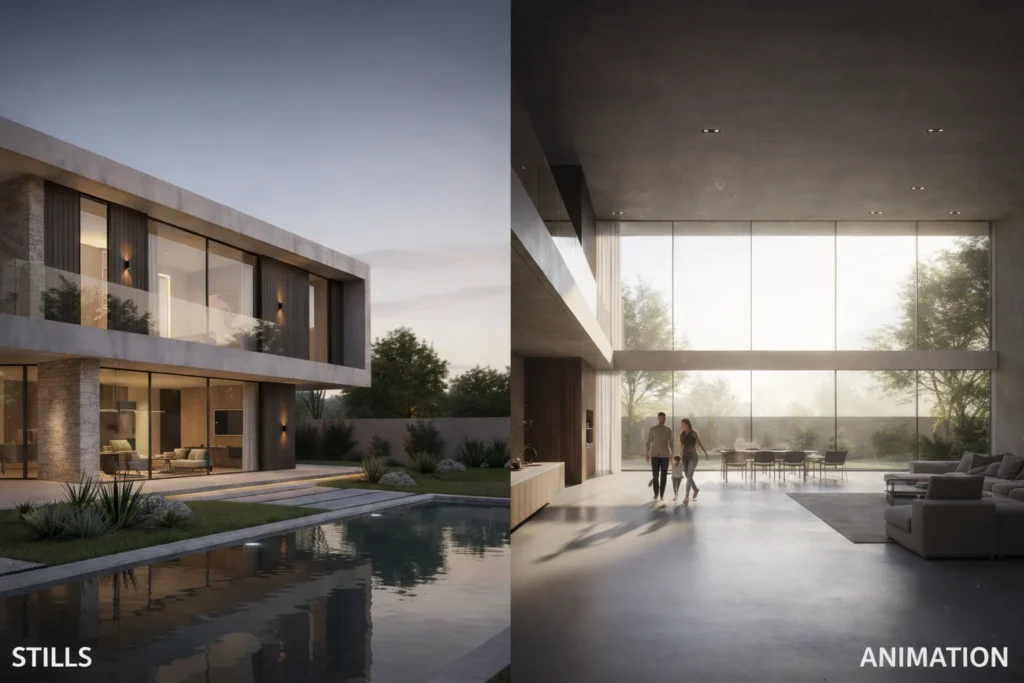
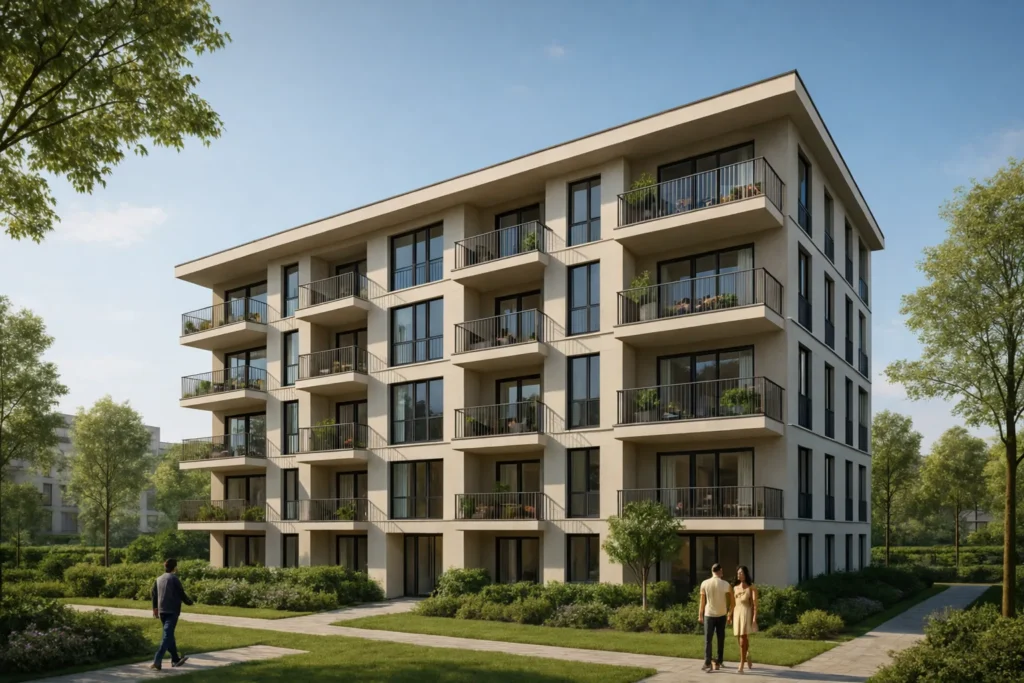
Photorealistic 3D Renders are ideal for final design approvals and client presentations.
Conceptual Visuals focus more on layout and mood rather than exact detail.
Walkthrough Animations offer a virtual tour of the living room, helping clients experience the space from different angles.
Matching the rendering style to the design stage leads to better communication and clearer decisions.
Practical Tips to Use Renders for Better Design Discussions
Architectural visuals are powerful tools when used correctly.
• Review lighting carefully at different times of day
• Look closely at material finishes and color combinations
• Check furniture scale and spacing
• Ask for minor adjustments early in the design phase
Using renders as discussion points helps both designers and homeowners stay aligned throughout the project.
Common Mistakes to Avoid in Luxury Living Spaces
Even high-end projects can face issues if planning isn’t careful.
One common mistake is overcrowding the room with furniture or décor. Luxury is often about space and comfort, not excess. Another issue is ignoring natural light, which plays a huge role in how a room feels.
Choosing trends without considering long-term comfort can also lead to regret. Architectural rendering services help spot these issues early, making corrections easy and cost-effective.
Before and After: What Architectural Visuals Can Reveal
Many designers start with basic sketches or reference images. When these ideas are converted into 3D visuals, hidden challenges often appear—such as awkward proportions or lighting gaps.
Seeing a “before and after” comparison through renderings highlights how design decisions evolve. It also builds trust, as clients can clearly see the journey from concept to final vision.
Conclusion
Luxury living room designs require thoughtful planning, creative vision, and clear communication. Architectural rendering services bridge the gap between ideas and reality, making the entire process smoother and more confident.
By using detailed 3D visuals, homeowners gain a deeper understanding of their living room interior design before construction begins. This leads to better decisions, fewer surprises, and spaces that truly reflect comfort and elegance.
If you’re planning a luxury living room, exploring architectural rendering early can help you visualize every detail and move forward with clarity.