
Why Developers Prefer 3D Architectural Visualization for Projects
Introduction
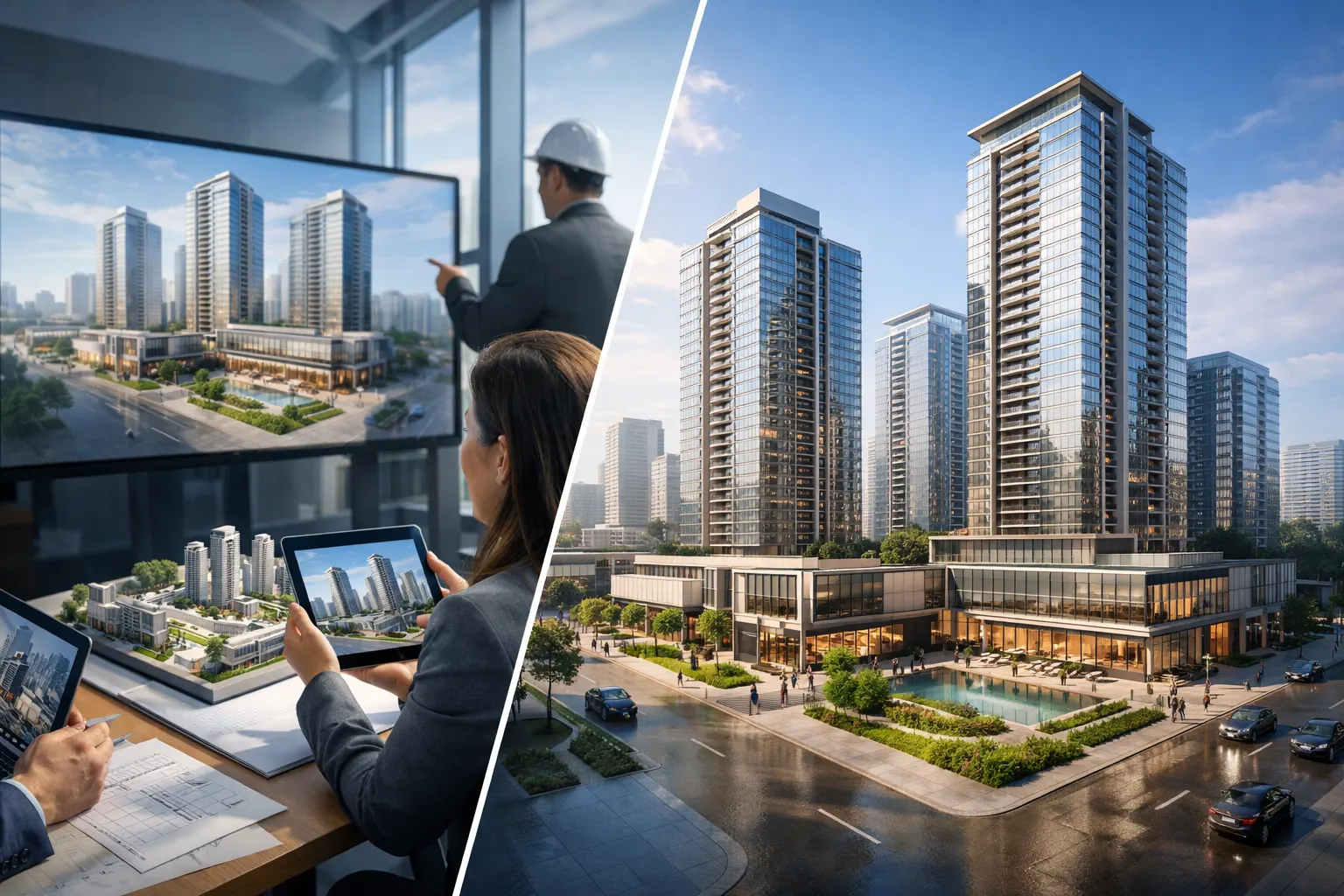
3D architectural visualization has become one of the most trusted tools for modern real estate and construction projects, especially from a developer’s point of view. Instead of relying only on flat drawings or technical plans, developers today prefer visual formats that clearly show how a project will look, feel, and function even before the first brick is laid. This shift is not about trends or technology hype—it is about clarity, confidence, and smarter decision-making throughout the project lifecycle.
In today’s competitive property market, developers need more than just good designs. They need ways to explain ideas clearly, reduce risk, and connect with buyers and investors early. This is where 3D architectural visualization plays a powerful role by turning ideas into realistic visuals that anyone can understand, regardless of technical knowledge.
Seeing the Project Before Construction Begins
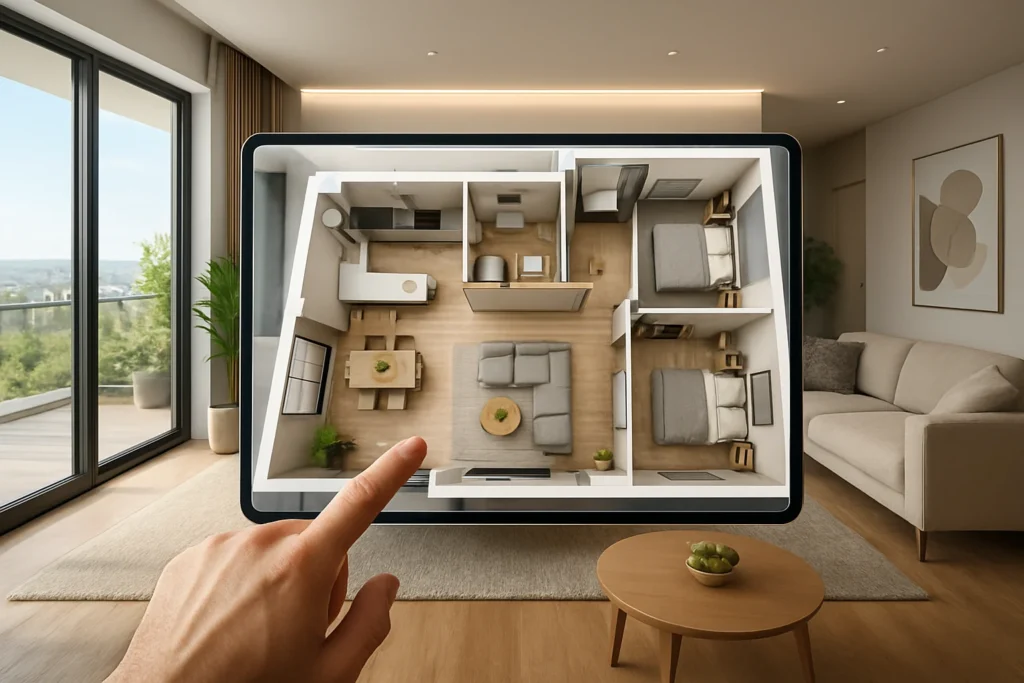
One of the biggest reasons developers rely on visual models is the ability to see the entire project before construction starts. Traditional 2D drawings require experience to understand, but realistic visuals make layouts, elevations, and spaces instantly clear. With 3D architectural visualization, developers can view the building from multiple angles, explore interior spaces, and understand proportions in a way that drawings simply cannot offer.
This early visibility helps developers feel more confident about their plans. They can judge whether the design matches the project vision, the target audience, and the site conditions. It also becomes easier to explain the project to partners and clients who may not be familiar with architectural drawings.
Better Communication with Architects and Stakeholders
Clear communication is essential in any construction project. Developers work with architects, engineers, contractors, marketing teams, and clients. When everyone interprets drawings differently, confusion and delays can occur. 3D architectural visualization helps bring everyone on the same page by showing a single, clear visual representation of the project.
Instead of long explanations or repeated revisions, visuals allow faster discussions and more productive meetings. Stakeholders can point out specific areas, suggest improvements, and understand feedback instantly. This shared understanding reduces misunderstandings and helps teams move forward smoothly.
Faster Feedback and Smoother Approvals
Time is a critical factor for developers. Delays in approvals can affect budgets, timelines, and even investor trust. Visual presentations help decision-makers understand the project quickly, which often leads to faster feedback. With 3D architectural visualization, authorities, investors, and clients can review designs without needing technical explanations.
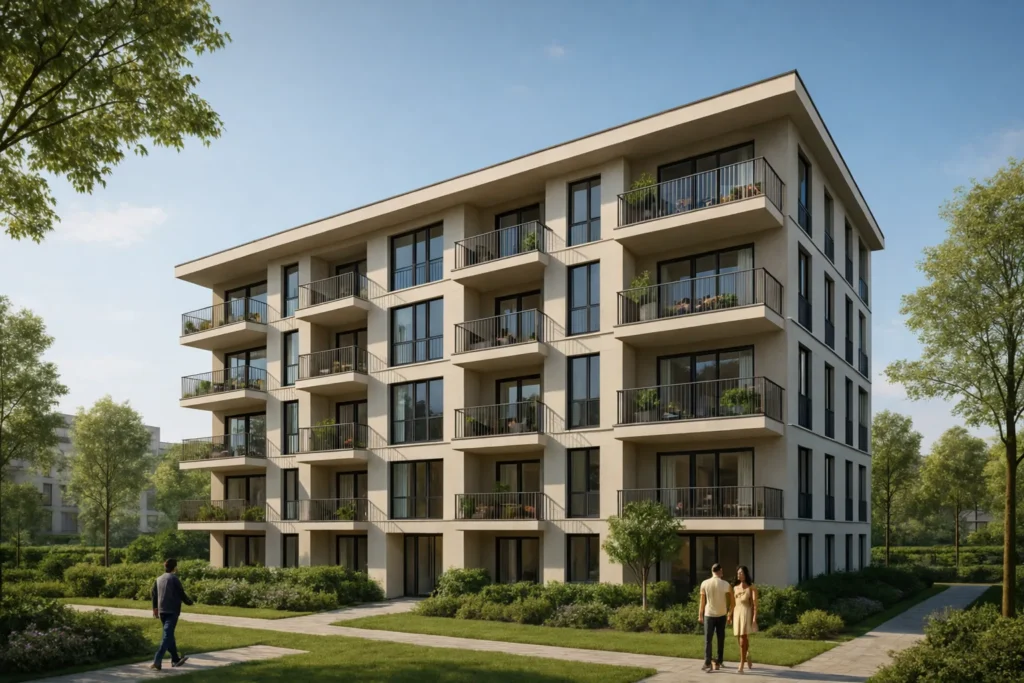
Because visuals clearly show massing, layout, lighting, and external appearance, approval processes often become smoother. Developers can address concerns early and avoid major changes later in the project.
Identifying Design Issues at an Early Stage
Design flaws discovered during construction can be expensive to fix. Visual previews allow developers to identify potential problems before work begins. With 3D architectural visualization, it becomes easier to notice issues related to space planning, circulation, lighting, or exterior balance.
Early detection means fewer changes during construction, which helps control costs and timelines. Developers appreciate this proactive approach because it reduces surprises and improves overall project planning.
Supporting Smarter Planning and Material Decisions
Planning materials, finishes, and layouts becomes more efficient when developers can see how everything works together visually. Visual models show how textures, colors, and materials interact in real lighting conditions. Through 3D architectural visualization, developers can test different options and choose what best suits the project’s budget and audience.
This visual planning helps avoid over-ordering materials or selecting finishes that do not align with the project’s purpose. It also allows developers to present clear options to clients or investors, making decision-making easier.
Creating Strong Market Appeal Before Completion
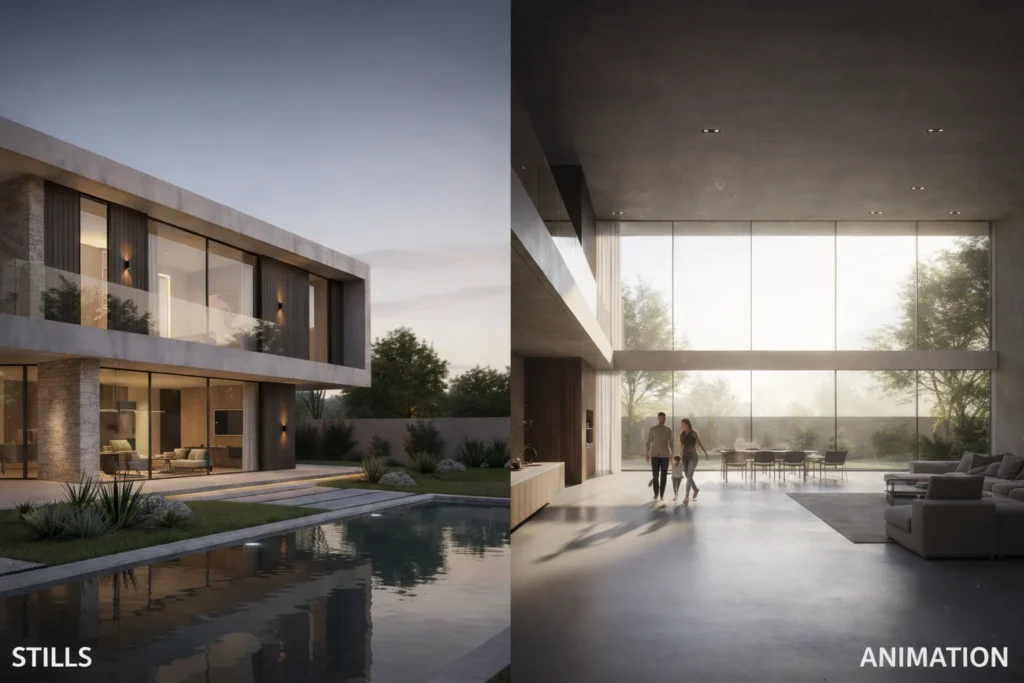
Marketing is no longer limited to completed buildings. Developers often need to promote projects while they are still in the planning or construction stage. High-quality visuals play a key role here. With 3D architectural visualization, developers can create images, walkthroughs, and virtual tours that attract buyers even before the project is built.
These visuals help potential buyers imagine themselves in the space. They also improve online listings, brochures, hoardings, and social media campaigns. Strong visual presentation often leads to better engagement and higher interest in the project.
Flexibility When Design Changes Are Needed
Changes are a natural part of any development project. Client feedback, budget adjustments, or site conditions may require design updates. Visual models are easier to modify compared to redrawing entire plans. Using 3D architectural visualization, developers can review updated designs quickly and show revised versions to stakeholders without disrupting the workflow.
This flexibility supports better collaboration and helps developers respond quickly to feedback without slowing down the project.
Building Trust with Investors and Buyers
Trust is crucial in real estate development. Investors and buyers want to know exactly what they are committing to. Clear and realistic visuals help build that trust. Through 3D architectural visualization, developers can present transparent representations of the final outcome rather than abstract ideas.
When people can clearly see the design, layout, and quality of the project, they feel more confident in their investment or purchase decision. This visual clarity often leads to stronger relationships and fewer disputes later.
Tools That Support Modern Visualization
Today’s visualization tools allow developers to explore projects in detail without technical complexity. From realistic renders to interactive walkthroughs, 3D architectural visualization tools are designed to support both technical teams and non-technical stakeholders.
These tools help developers stay updated with modern presentation standards and meet the expectations of today’s market, where visuals play a major role in decision-making. To learn more about visualization standards in architecture, developers often refer to resources like
ArchDaily.
Real-World Impact for Developers
Many developers have experienced smoother project execution after adopting visual presentation methods. Whether it is faster approvals, better client satisfaction, or improved sales, 3D architectural visualization has proven to be a practical solution rather than just a design trend.
Projects that use clear visuals often face fewer misunderstandings and move forward with better coordination between teams.
Why Developers Continue to Choose Visual Solutions
The construction and real estate industry is evolving, and developers need tools that support clarity, speed, and confidence. 3D architectural visualization fits naturally into this need by offering a clear view of the future project at every stage.
From planning and approvals to marketing and sales, visual models support developers in making informed decisions and presenting their projects with confidence.
Conclusion
Developers prefer visual design tools because they reduce confusion, save time, and support better communication. By offering realistic previews, easier collaboration, and stronger marketing support, 3D architectural visualization has become an essential part of modern project development.
As competition increases and buyer expectations grow, developers who adopt clear and realistic visual presentation methods are better prepared to plan, present, and deliver successful projects with confidence.