
AR & Real-Time Engines: The Future of Architectural Visualization Presentations
Introduction to 3D Rendering Home Visualization
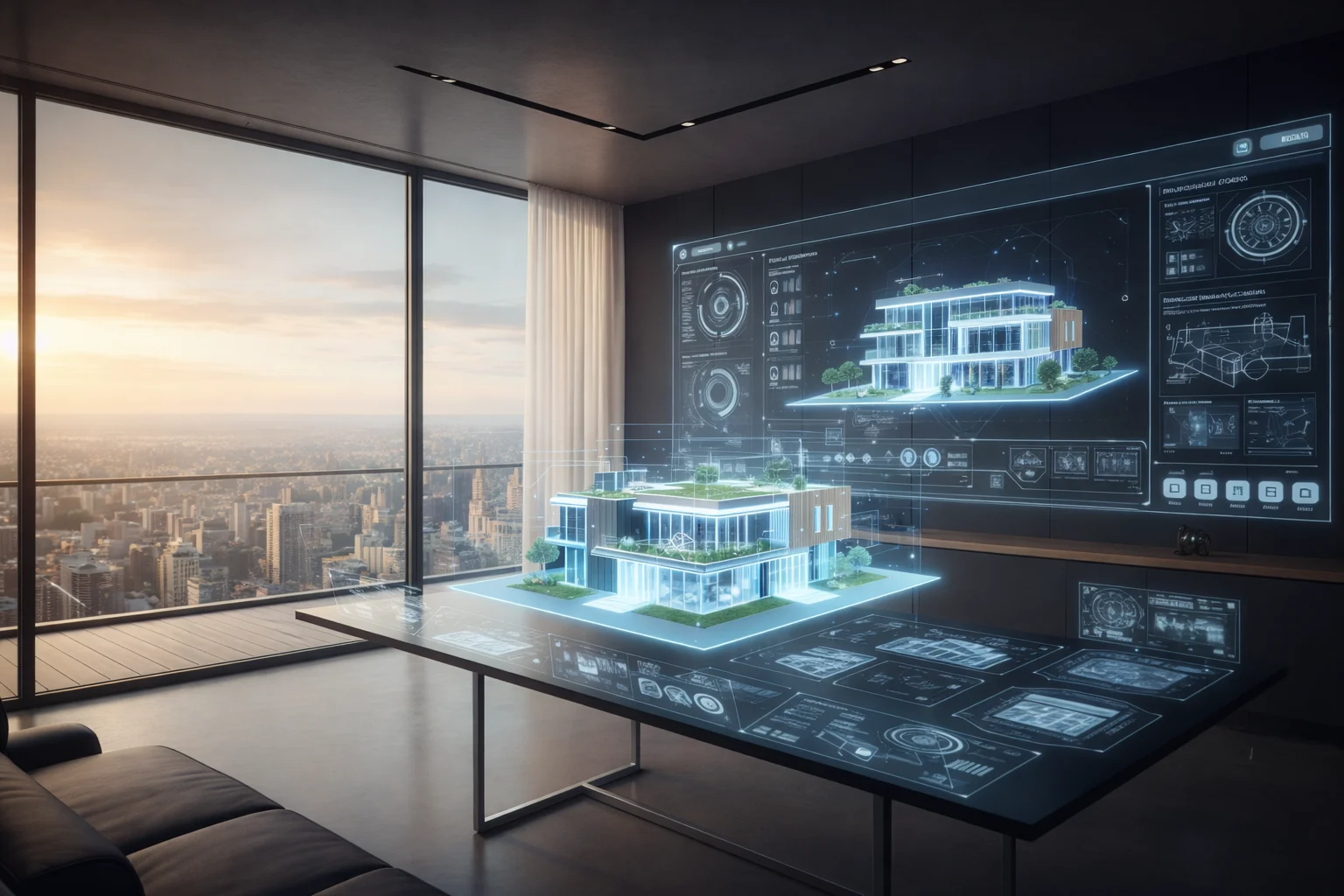
3d rendering home visualization has become a defining element of modern architectural presentations. Instead of relying on imagination or technical drawings, clients can now experience spaces in a way that feels realistic and emotionally engaging. This transformation is largely driven by real-time rendering engines and AR architectural presentation, which together create immersive environments that feel closer to reality than ever before.
As expectations rise, architects and designers are moving away from static visuals and embracing interactive storytelling. 3d rendering home solutions allow clients to understand scale, light, materials, and spatial flow clearly, making the design process smoother and more transparent.
The Evolution of Architectural Visualization
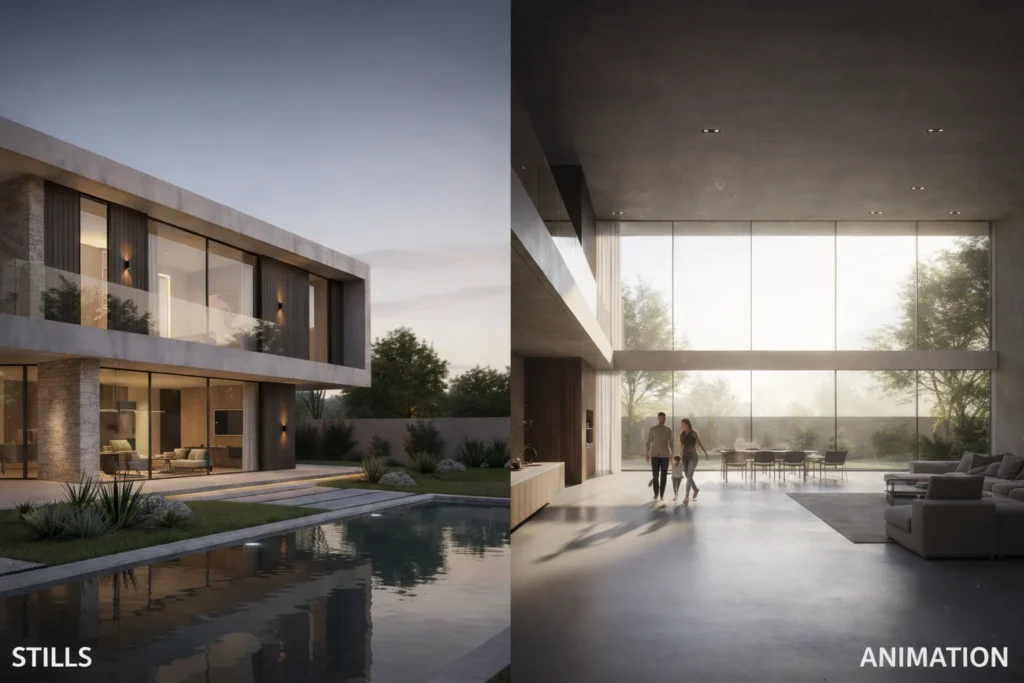
Architectural visualization has evolved from basic sketches and static renders into dynamic, experience-driven presentations. Earlier, even high-quality renders were limited because they showed only one fixed view. Today, 3d rendering home visualization allows free movement, real-time lighting, and interactive exploration.
This shift is closely connected to the growth of real-time rendering engines, which make it possible to navigate spaces naturally. When paired with AR architectural presentation, these technologies remove uncertainty and help clients visualize designs as living spaces rather than abstract concepts.
Real-Time Rendering Engines and Design Communication
Clear communication is one of the biggest challenges in architecture. Technical drawings can be overwhelming for clients who are not familiar with architectural language. Real-time rendering engines solve this problem by turning complex plans into visual experiences.
With 3d rendering home visualization, clients can instantly see how changes affect the space. Lighting conditions, textures, finishes, and layouts can be adjusted live, allowing discussions to remain focused and productive. This reduces misunderstandings and helps projects move forward with confidence.
In many cases, architects notice that approval timelines shorten significantly once real-time visualization becomes part of their workflow.
AR Architectural Presentation and Client Experience
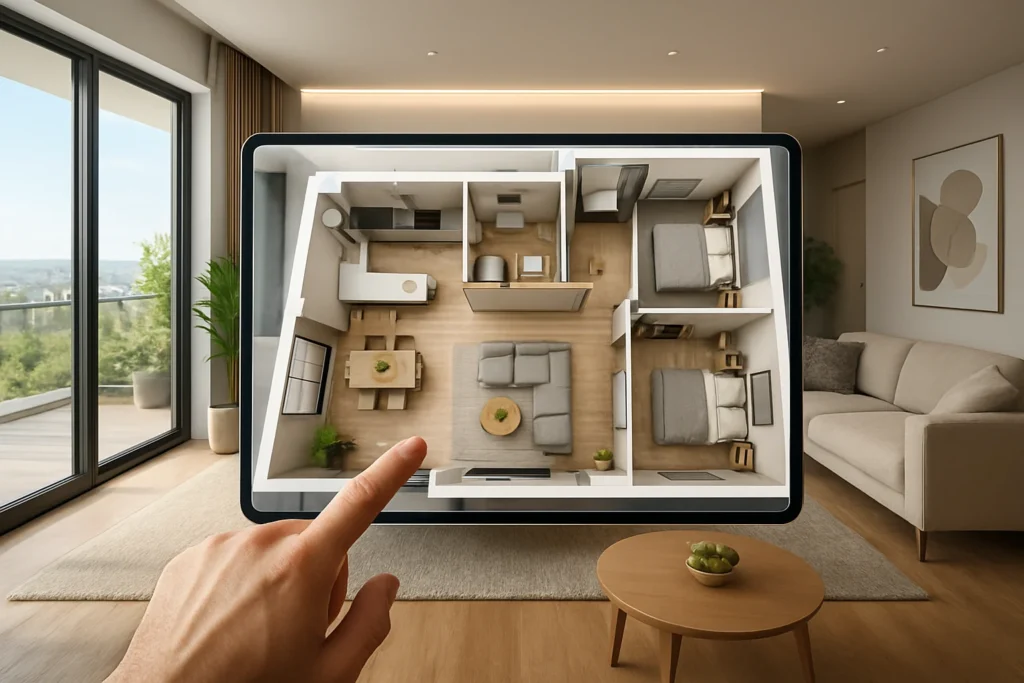
AR architectural presentation takes visualization a step further by blending digital models with real-world environments. Clients can view a 3d rendering home directly in their surroundings using mobile devices or tablets. This approach makes presentations more personal and intuitive.
Instead of watching a guided presentation, clients can explore the design themselves. They can walk around the model, view it from different angles, and understand proportions more naturally. AR architectural presentation creates a sense of ownership and involvement, which strengthens trust between clients and designers.
Interactive Walkthroughs and Live Design Updates
One of the most impactful benefits of real-time rendering engines is the ability to make live design changes. In traditional workflows, even small revisions required additional rendering time. With real-time systems, updates happen instantly.
During a 3d rendering home walkthrough, architects can adjust lighting, swap materials, or reconfigure layouts while discussing ideas with the client. This flexibility encourages creativity and experimentation without slowing down the process.
Rather than overwhelming clients with too many options, real-time interaction allows decisions to happen naturally and confidently.
3D Rendering Home for Homeowners and Developers
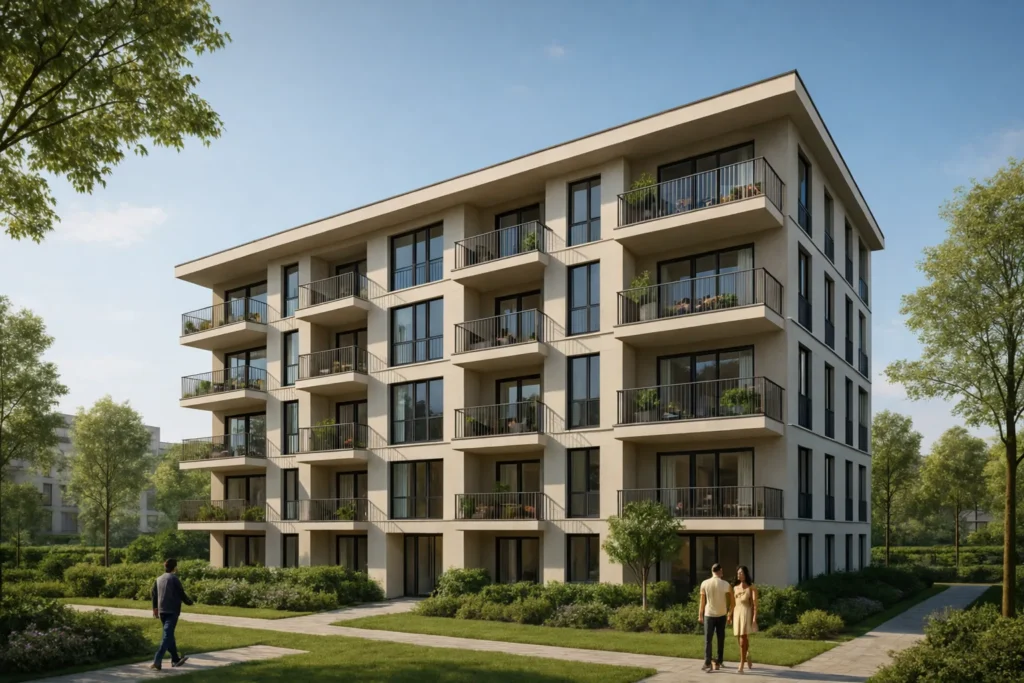
For homeowners, 3d rendering home visualization removes guesswork. It helps them understand how their lifestyle fits into the space, from furniture placement to natural light flow. Seeing these elements together makes decision-making easier and more satisfying.
For developers, the value lies in presentation and marketing. Projects showcased using real-time rendering engines and AR architectural presentation appear more premium and trustworthy. Investors and buyers can experience the design long before construction begins, which improves engagement and speeds up commitments.
Web and WordPress Integration for Visualization
Many architecture studios now integrate 3d rendering home visualization directly into their websites. Through WordPress development, interactive walkthroughs, embedded real-time viewers, and AR preview links can be added to project pages.
This allows clients to explore designs at their convenience, without installing heavy software. It also strengthens the studio’s digital presence and reinforces a modern brand image.
Learn more about architectural real-time visualization at Unity Architecture.
Explore our interactive architectural visualization services to see real-time design experiences in action — including immersive walkthroughs, animations, and virtual tours that bring your projects to life before construction begins.
Sustainability and Smarter Design Decisions
Sustainability plays an increasingly important role in architectural planning. 3d rendering home visualization helps clients understand how a design responds to natural light, shadows, and material behavior before construction begins.
Using real-time rendering engines, architects can simulate different environmental conditions and present realistic outcomes. AR architectural presentation further enhances this understanding by placing the design within its actual context. This leads to more informed decisions and reduces the risk of material waste or inefficient layouts.
On-Site AR Visualization in Architecture
On-site visualization is another area where AR architectural presentation proves valuable. By overlaying a 3d rendering home model onto the actual site, architects and clients can assess scale, alignment, and access points more accurately.
This practical application improves coordination between design and construction teams. When combined with real-time rendering engines, on-site AR helps resolve issues early and keeps projects aligned with the original vision.
The Future of Immersive Architectural Presentations
The future of 3d rendering home visualization lies in deeper immersion and smarter tools. As real-time rendering engines continue to evolve, features such as AI-driven materials, cloud-based rendering, and intuitive navigation will become more common.
AR architectural presentation will also grow as devices become more powerful and accessible. While static renders will still have their place, interactive experiences will define how architectural stories are told.
Conclusion
3d rendering home visualization has transformed architectural presentations into meaningful experiences. With the support of real-time rendering engines and AR architectural presentation, architects can present designs that feel real, interactive, and emotionally engaging.
This approach builds trust, improves collaboration, and reduces uncertainty throughout the design journey. As the industry continues to evolve, immersive visualization will remain a powerful tool, shaping the future of architectural storytelling in a more human and impactful way.