
Why 3D Visualization Services Are Essential for Real Estate Marketing

Introduction
3D visualization service provider plays a central role in modern real estate marketing. In today’s competitive property market, developers and agents need more than basic photographs and traditional brochures to attract buyers. People now expect realistic visuals, digital walkthroughs, and detailed presentations before they make a decision. As competition grows and buyers become more informed, working with a 3D visualization service provider is no longer a luxury but a practical necessity.
Real estate marketing has evolved rapidly over the past decade. Earlier, property sales depended heavily on site visits, printed layouts, and verbal explanations. While those methods still have value, they often leave too much to imagination. Buyers may struggle to understand scale, layout flow, ceiling height, or how natural light will enter a space. This uncertainty can slow down decisions. Clear and realistic property visualization helps remove that confusion and builds confidence from the very first interaction.
Understanding 3D Visualization in Real Estate
In simple words, 3D visualization in real estate means creating lifelike digital images and experiences based on architectural plans. These include architectural renderings, 3D floor plan designs, interior and exterior visuals, and virtual tour experiences. Instead of showing a technical drawing, developers can present a finished version of the property in high detail.
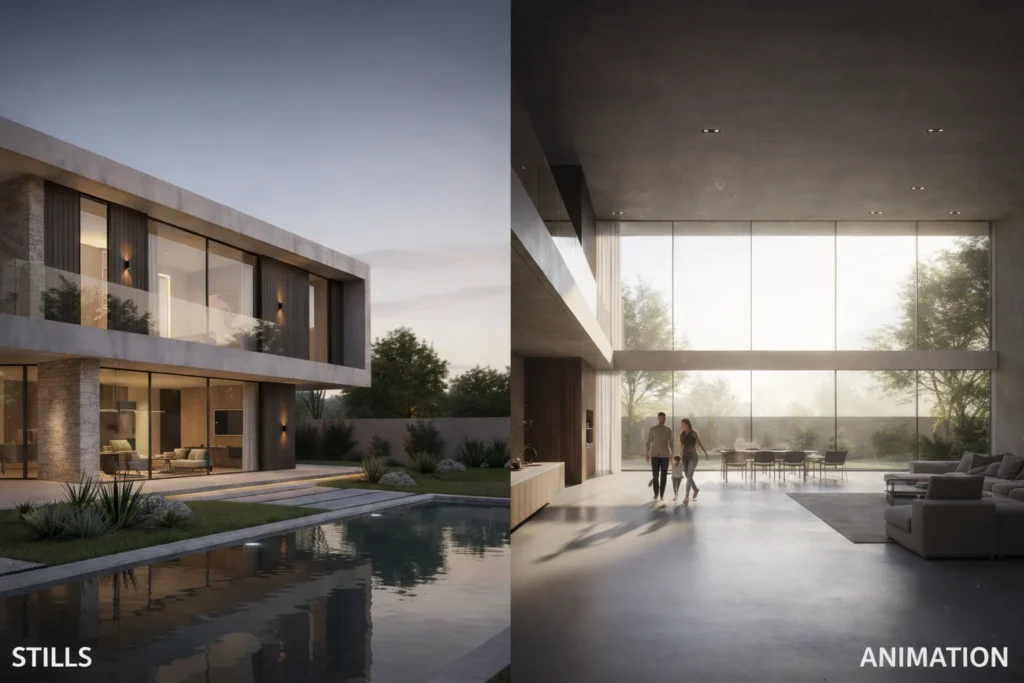
A professional 3D visualization service provider transforms 2D drawings into realistic scenes that show textures, materials, furniture placement, lighting effects, and surrounding landscapes. Buyers can clearly see how a living room might look at sunset or how a commercial lobby will appear with finished interiors. This clarity reduces misunderstandings and makes communication smoother between developers and clients.
Architectural visualization is especially useful for under-construction or pre-launch projects. It allows marketing to begin long before physical completion. Real estate 3D rendering services help turn ideas into visual stories that are easy to understand and emotionally engaging. Learn more about architectural visualization standards at
Autodesk.
Why Visual Experience Matters to Buyers
Buying property is both a financial and emotional decision. People want to feel connected to a space before committing their savings. High-quality property visuals help create that connection. When buyers view detailed architectural renderings, they can imagine themselves living or working in that environment.
A reliable 3D visualization service provider understands how to present spaces in a way that feels natural and inviting. Lighting, perspective, and design details are carefully balanced to create a realistic effect. Instead of looking at an empty construction site, buyers see a complete and welcoming space.
Virtual tours and interactive walkthroughs take this experience further. They allow potential clients to move through rooms digitally, explore layouts, and understand spatial relationships. For international or out-of-town buyers, this can replace multiple physical visits. By working closely with a 3D visualization service provider, developers can offer an experience that feels almost real, even before the building is ready.
Benefits for Agents and Developers
Real estate professionals benefit greatly from realistic digital visuals. First, they help speed up decision-making. When buyers clearly understand what they are purchasing, they ask fewer questions and feel more confident about booking.
Second, real estate 3D rendering services support pre-selling strategies. Developers can launch marketing campaigns using exterior renderings and interior visuals even before construction progresses. This helps generate early bookings and improve project cash flow.
A skilled 3D visualization service provider also ensures consistent branding across all marketing materials. The same visual style can be used for websites, brochures, hoardings, social media ads, and email campaigns. This consistency builds recognition and professionalism.
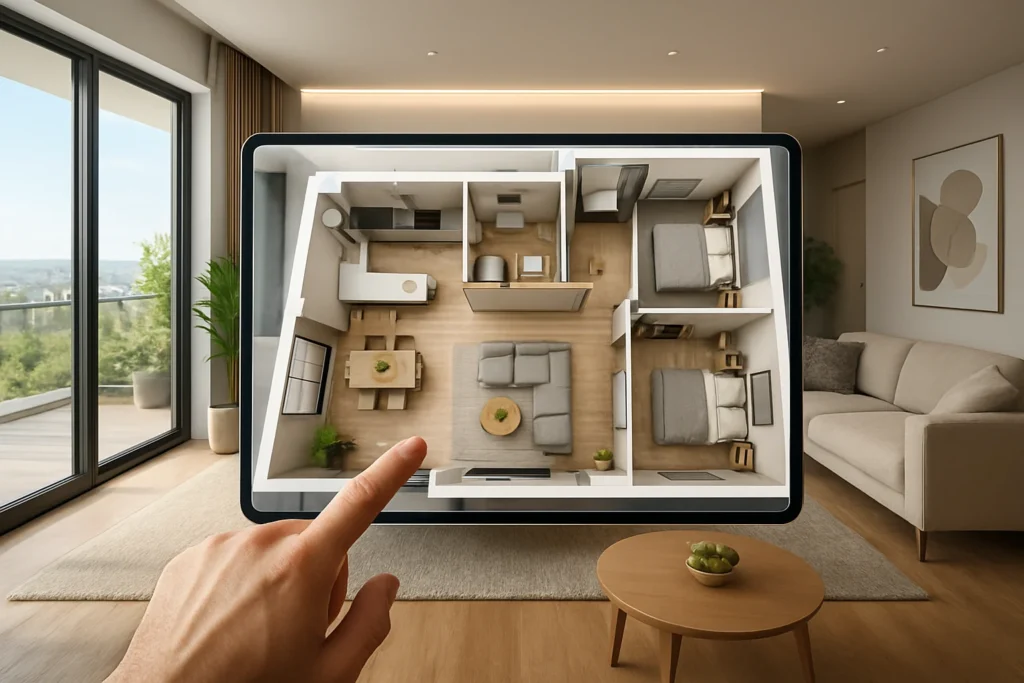
In addition, 3D floor plan designs make it easier for buyers to understand room dimensions and layout flow. Compared to flat 2D plans, a 3D floor plan gives depth and clarity. This small difference can significantly influence how quickly someone makes a decision.
Types of 3D Visuals Used in Real Estate Marketing
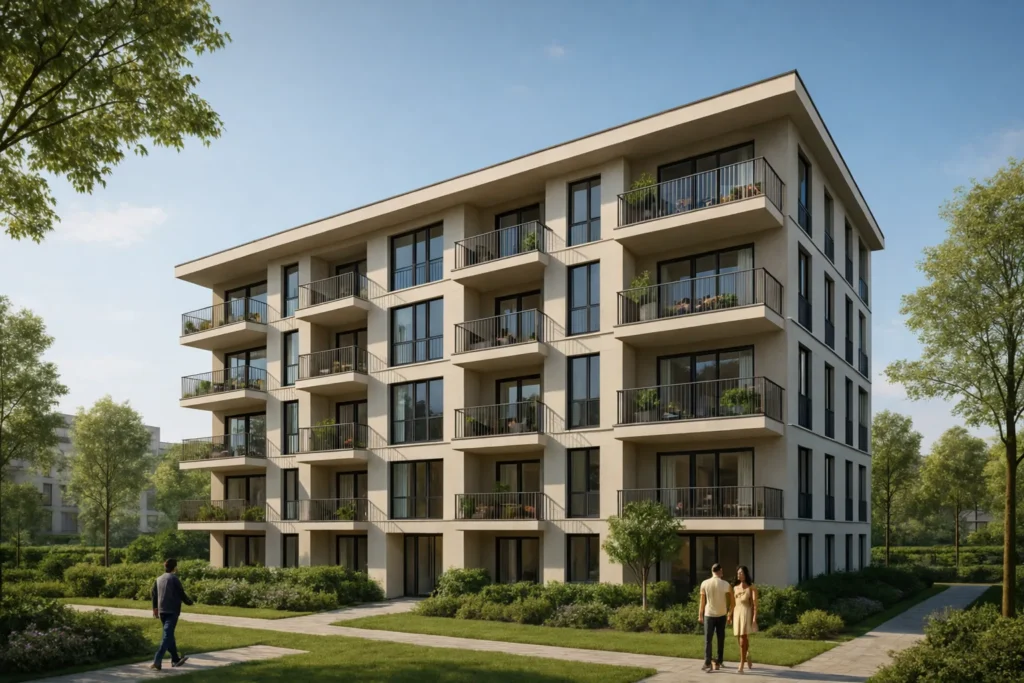
Exterior Architectural Renderings
These show the outer design of buildings, landscaping, parking areas, and surrounding views. They help buyers understand the overall look and location feel of the project.
Interior 3D Visuals
Interior scenes present furnished rooms with realistic lighting, textures, and décor. They allow buyers to see how the finished space may look and feel.
3D Floor Plan
A 3D floor plan gives a clear top-down perspective with depth. Buyers can easily understand how rooms connect and how furniture may fit within the layout.
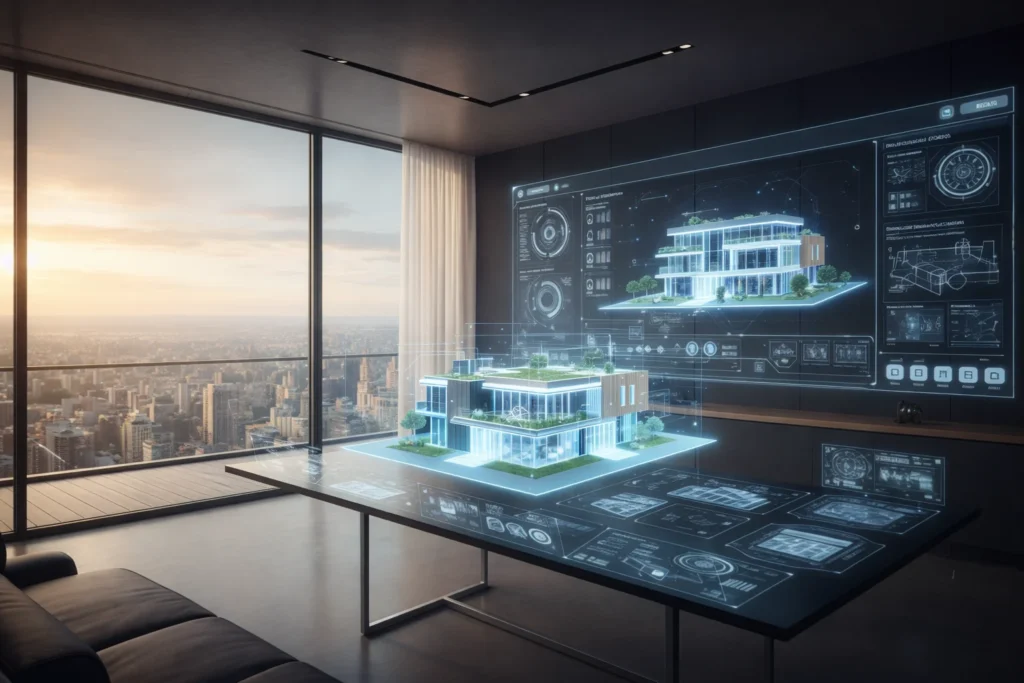
Virtual Tour and Interactive Walkthroughs
These digital tools allow users to explore properties from different angles and move from room to room. Interactive walkthroughs increase engagement and help buyers spend more time exploring the project. Explore virtual tour technology insights at
Matterport.
Building Trust Through Realistic Presentation
Trust is one of the biggest challenges in real estate, especially for under-construction projects. Buyers often invest based on promises and brochures. Clear and accurate architectural visualization reduces doubts and builds transparency.
An experienced 3D visualization service provider ensures that proportions, finishes, and lighting are represented as realistically as possible. This reduces the risk of unrealistic expectations. When buyers feel that visuals closely match what will be delivered, confidence increases.
Strengthening Digital Marketing Efforts
Most property searches now begin online. Buyers scroll through listings on mobile devices and quickly compare projects. In such a fast-moving digital space, strong visuals can determine whether someone clicks or skips.
A professional 3D visualization service provider creates images and virtual tours that are optimized for websites, social media platforms, and digital ads. Realistic visuals naturally attract more engagement and increase inquiry rates.
Real Impact on Sales Performance
Many real estate projects have seen measurable improvements after integrating architectural renderings and virtual tours into their campaigns. Properties that previously struggled to explain layouts found that buyers responded more positively after viewing 3D floor plan designs.
In both residential and commercial segments, a 3D visualization service provider helps attract serious buyers earlier in the sales cycle, improving booking speed and overall conversion rates.
Choosing the Right Partner
When choosing a 3D visualization service provider, review their portfolio carefully. Look for realistic lighting, accurate proportions, and attention to detail. Communication is equally important. Clear discussion about revisions, delivery timelines, and formats ensures smooth collaboration.
Conclusion
Real estate marketing is no longer limited to photos and brochures. Buyers expect detailed, realistic, and interactive presentations before making a commitment. Architectural visualization, virtual tours, 3D floor plan designs, and high-quality property visuals help bridge the gap between concept and reality.
A trusted 3D visualization service provider supports faster sales, stronger branding, and better buyer engagement. In a market where first impressions often happen online, choosing the right 3D visualization service provider can make a meaningful difference in how a project is perceived and how quickly it sells.