
How Architects Use 3D Architectural Visualization for Tender Submissions
Introduction
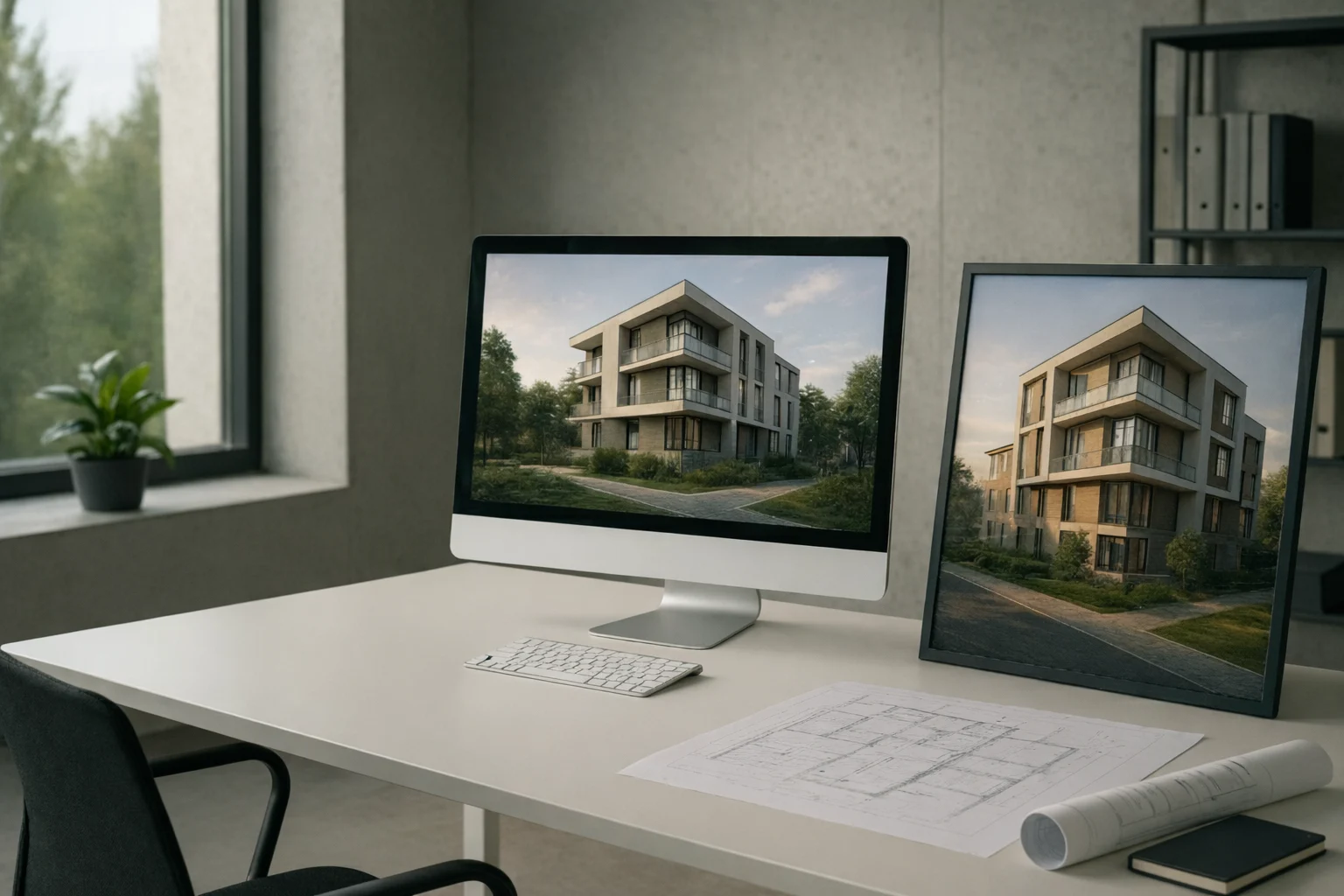
In today’s competitive architectural landscape, architectural rendering has become a crucial part of creating compelling tender submissions. Architects can no longer rely solely on technical drawings to communicate their vision. Decision-makers increasingly expect realistic visuals that clearly explain design intent, spatial flow, and material choices. A strong tender now requires both technical accuracy and visual clarity to make a lasting impression.
3D architectural visualization addresses this need perfectly. Through 3D studio services, 3D rendering home solutions, and high-quality visualizations, architects can present their concepts in a professional, interactive, and easily understandable way. Combined with WordPress development, these visuals can even be shared online, allowing remote evaluators to explore the project seamlessly.
Why Tender Submissions Require Realistic Visuals
The Limitation of Traditional Drawings
A tender submission is often the first impression an architect makes on clients, committees, or contractors. Traditional drawings, while technically essential, may not fully convey the spatial experience or material quality of a design. Without realistic visuals, even a strong concept can be misunderstood or overlooked.
How 3D Visualization Bridges the Gap
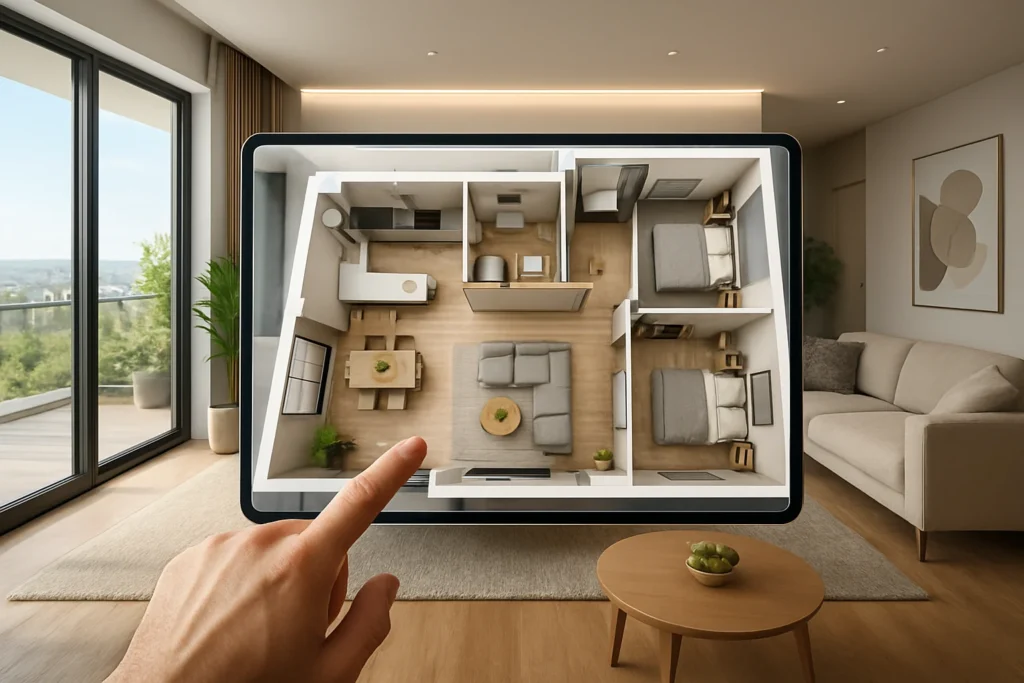
By using architectural visualization 3D, architects bring sketches and plans to life. Decision-makers can see buildings from multiple angles, understand how spaces will feel, and visualize materials and lighting without needing technical expertise. This clarity builds trust, strengthens confidence, and can make the difference in competitive bidding scenarios.
Learn more about the importance of 3D architectural visualization on ArchDaily, a leading architecture resource.
Making Designs Understandable for Diverse Audiences
Communicating with Non-Technical Stakeholders
Tender reviewers often come from varied backgrounds, and not everyone can interpret floor plans or section drawings easily. Architectural rendering bridges this gap. Through realistic 3D rendering home scenes, evaluators can instantly grasp scale, circulation, and material choices. Soft lighting and texture realism help communicate the essence of a design in a way that traditional CAD drawings cannot.
Building Confidence Through Clarity
This approach ensures that non-technical stakeholders feel included in the design process and appreciate the thoughtfulness behind every decision. It also positions the architect as professional and meticulous, which is invaluable in competitive tenders.
Enhancing Key Components of Tender Submissions
Visualizing Design Intent
A strong tender submission must clearly communicate several essential elements: the overall design intent, site conditions, space planning, material selections, and environmental considerations. Architectural visualization 3D enhances each of these areas by showing how the ideas will look and function in real life.
Types of Visuals That Add Value
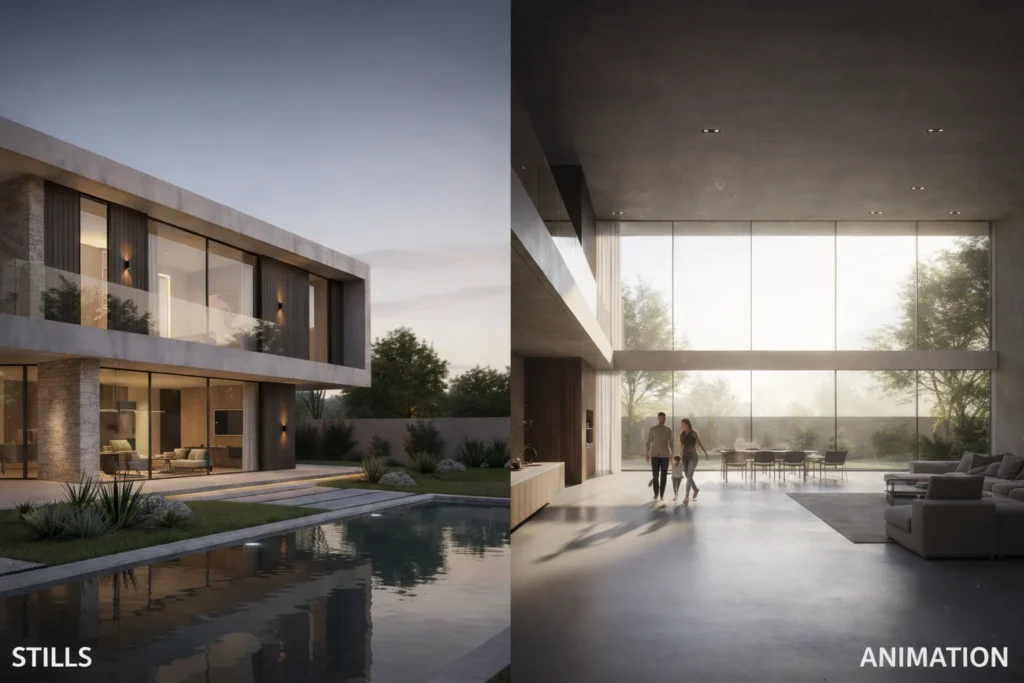
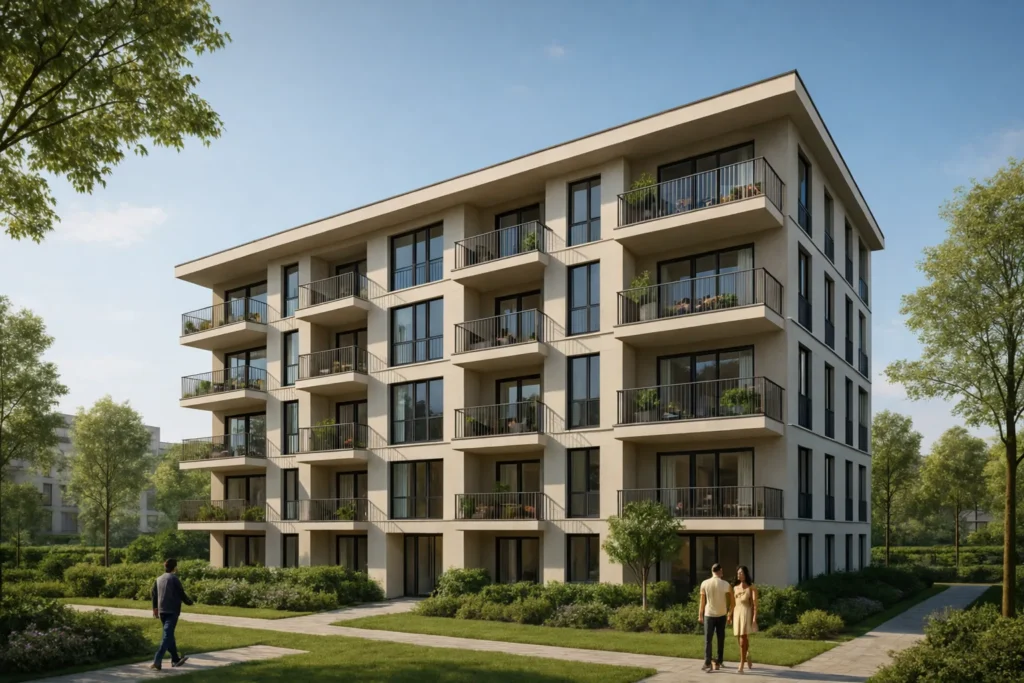
Exterior renders convey form, proportion, and context, while interior scenes illustrate spatial functionality and comfort. Material close-ups highlight texture choices, and landscape renders demonstrate integration with the environment. Lighting visuals further emphasize mood and spatial clarity. By weaving these visuals naturally into the submission, evaluators can understand the design effortlessly.
For more inspiration on high-quality architectural renders, visit CG Architect.
Speed and Flexibility in Tender Submissions
Fast Turnaround for Tight Timelines
Tender timelines are often tight, and producing multiple sets of technical drawings can slow progress. Partnering with a reliable 3D studio allows architects to quickly create and update visualizations as the design evolves. This flexibility ensures that fresh ideas can be presented promptly, reducing miscommunication and minimizing delays.
Easily Manage Design Variations
Visualization allows architects to experiment with variations and showcase alternatives without restarting the entire process, which strengthens the proposal and increases efficiency.
Interactive Digital Presentations with WordPress
Remote-Friendly Tender Evaluation
In many modern tenders, submissions are reviewed remotely. Architects increasingly leverage WordPress development to create interactive, password-protected online presentations. Evaluators can view rendered images, watch walkthrough videos, and download supporting documents—all in one polished interface.
Professional Online Presentation
By combining 3D architectural visualization with these digital platforms, architects deliver presentations that feel professional, engaging, and easy to navigate, leaving a strong positive impression on reviewers.
Demonstrating Spatial Experience and User Interaction
Seeing the Building in Context
Beyond technical accuracy, a successful tender communicates how a building will function and feel. Architectural rendering can show how sunlight will illuminate interiors throughout the day, how circulation flows from one zone to another, and how users will interact with the space. These insights are rarely visible in standard CAD drawings but are immediately apparent in realistic visualizations.
Persuasive Design Communication
By presenting these details, architects help reviewers understand both functional and experiential aspects, creating a more persuasive submission.
Storytelling Through Visuals
Narrative-Based Design
Effective tender submissions tell a story. Architects use narrative-based visuals to explain design decisions and demonstrate their reasoning. Morning-light interior renders highlight natural lighting benefits, while night-time exterior scenes show the building’s interaction with its surroundings. Landscaping visuals illustrate environmental planning, and material close-ups clarify aesthetic choices.
Emotional Connection with Reviewers
Through this approach, reviewers form an emotional connection with the project, which can be decisive when competing proposals share similar technical quality.
Supporting Technical Communication and Collaboration
Simplifying Complex Elements
3D visualization strengthens technical communication. Complex elements such as façades, shading devices, roof structures, and ventilation strategies can be conveyed visually rather than through lengthy descriptions. This clarity saves time for evaluators and minimizes misunderstandings.
Collaborating with Teams Effectively
For larger projects, visuals help architects coordinate with contractors, consultants, and multiple design teams. Everyone can refer to the same realistic images, ensuring smoother collaboration and reducing the risk of errors during project execution.
Marketing Value Beyond Tender Submissions
Repurposing Visuals for Branding
High-quality visualizations from tender submissions can later be repurposed for marketing purposes. Rendered images, videos, and walkthroughs can enhance company websites, portfolios, or promotional materials. By leveraging architectural rendering beyond the tender, architects strengthen brand presence and showcase their design approach to prospective clients, creating long-term value from each project.
Emotional and Human-Centric Design
Enhancing User Experience
Every building serves a purpose—whether it’s comfort, education, community service, or productivity. Architectural visualization 3D allows architects to show how spaces will improve user experience and positively impact daily life. By communicating both functional logic and emotional benefits, architects can make their proposals more persuasive, giving them a competitive advantage in tender evaluations.
Conclusion
Today, architectural rendering and architectural visualization 3D are essential tools for creating effective tender submissions. From illustrating spatial experience and materiality to storytelling and collaboration, visuals enhance every aspect of a submission. By integrating 3D studio services, 3D rendering home solutions, and WordPress development, architects can deliver presentations that are clear, professional, and persuasive.
Whether for a small residential project or a large-scale public building, realistic visualizations ensure that ideas are communicated exactly as intended, helping architects win more competitive bids and bring their vision to life.
For more resources on architectural visualization, visit ArchDaily or CG Architect.