
How Premium Architectural Rendering Studios Deliver High-Quality CGI Renders
Introduction
Architectural visualisation has transformed how clients experience design long before construction begins. Today’s renderings are more than pretty pictures—they communicate ideas, emotions, functionality, and atmosphere. When handled by a highly skilled 3d visualiser, a project becomes more than a digital model; it becomes a realistic experience that helps clients feel connected to the design. Whether showcasing a residential interior or a large-scale commercial exterior, studios that specialise in high quality 3d renders put tremendous care into every detail.
Why Architectural Visualisation Matters
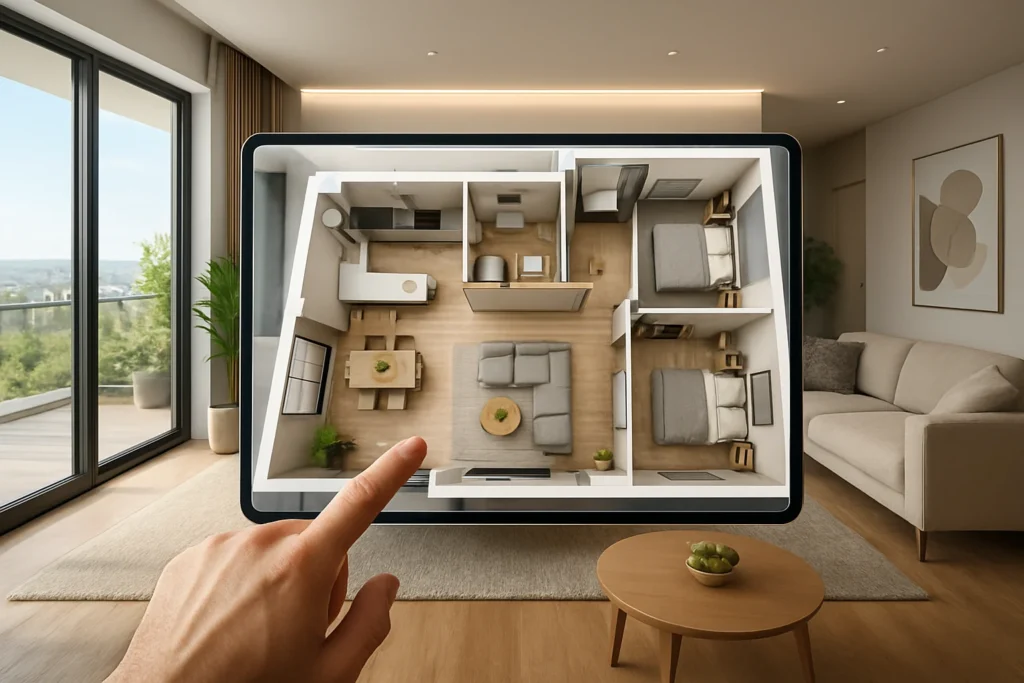
Architectural visualisation allows clients to understand space, materials, lighting, and emotions clearly. Rather than relying on 2D drawings or descriptions, they can see the design exactly as it will appear in real life. This strengthens decision-making, reduces revisions, and speeds up project approvals. Designers also gain a powerful storytelling tool, enabling them to express design intent with clarity and impact. With the growing expectations of modern clients, high quality 3d renders have become essential in architecture, real estate, and interior design marketing.
Architectural Visualisation as the Foundation
In premium studios, architectural visualisation begins much earlier than the technical process. The team first studies the purpose of the design, the desired mood, the emotional tone, and the architectural intention. They understand how the space should feel, how materials interact with the environment, and how lighting should communicate the concept. This foundation ensures that the rendering is not just visually appealing but meaningful. When the concept is aligned from the beginning, the final output becomes more engaging and more aligned with the client’s expectations.
Role of the Professional 3d Visualiser
A skilled 3d visualiser is central to the entire CGI creation process. Their role extends beyond software knowledge—they must think like an artist, a photographer, and an architect all at once. They analyse mood boards, evaluate lighting behavior, study material reference images, and frame each view with intention. Their decisions influence how the viewer connects emotionally with the space. Because of this blend of artistic and technical skill, the work of a strong 3d visualiser often results in high quality 3d renders that effectively communicate design intent.
Mastering Lighting for High Quality 3d Renders
Lighting governs the entire atmosphere of a CGI scene. Without proper lighting, even the best model will appear flat and lifeless. Premium studios study real-world lighting behavior—sun position, time of day, shadow softness, ambient bounce light, reflections, and color temperature. Morning light creates soft calmness, while evening light adds dramatic contrast. The goal is always to match the emotion the client wants the design to convey. Because lighting carries such importance, it becomes one of the defining factors behind high quality 3d renders.
The Importance of Real-World Textures
Textures play an equally significant role in creating believable visuals. Every material must reflect light in the correct way. Wood grains need depth, stone needs organic variation, metals must show subtle highlights, and fabric needs visible fibers. Premium studios often use custom, scanned, or hand-crafted textures to ensure realism. A 3d visualiser pays close attention to texture scale, orientation, and imperfections. When textures behave realistically, they elevate the architectural visualisation and contribute heavily to the final impact of high quality 3d renders.
Camera Composition Techniques
Camera composition determines how the viewer interprets the space. Much like photography, architectural visualisation relies on rules such as balance, depth, leading lines, symmetry, and focal points. Professional studios study what angle highlights the most important elements, what framing expresses the space’s personality, and what perspective makes the interior or exterior appear welcoming. A carefully planned composition allows the viewer to naturally observe the design in the intended way.
Detailing and Realism
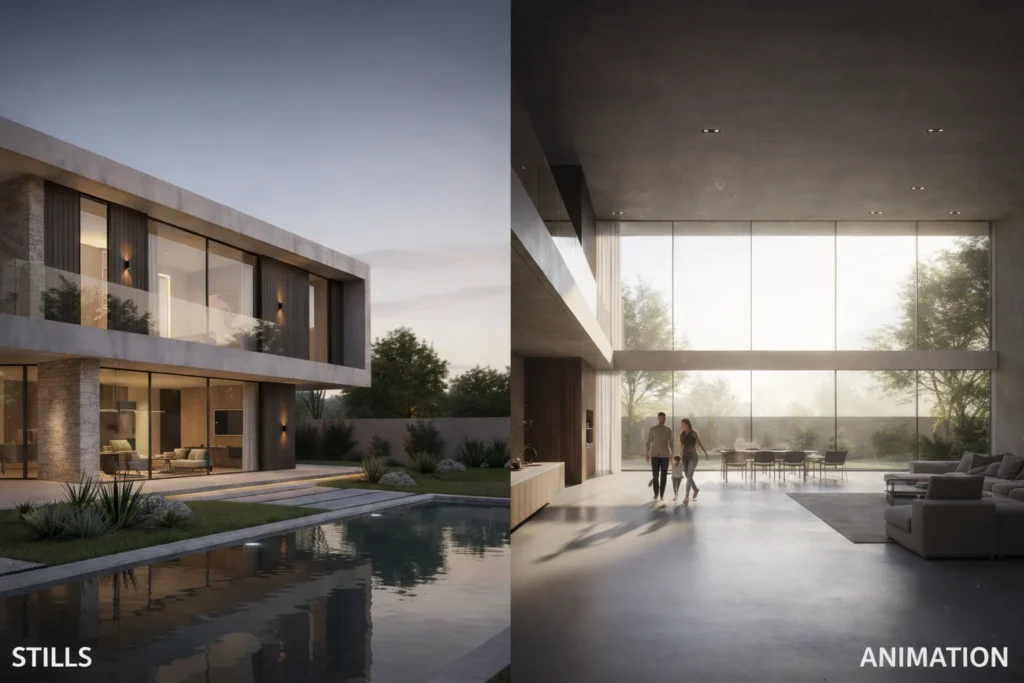
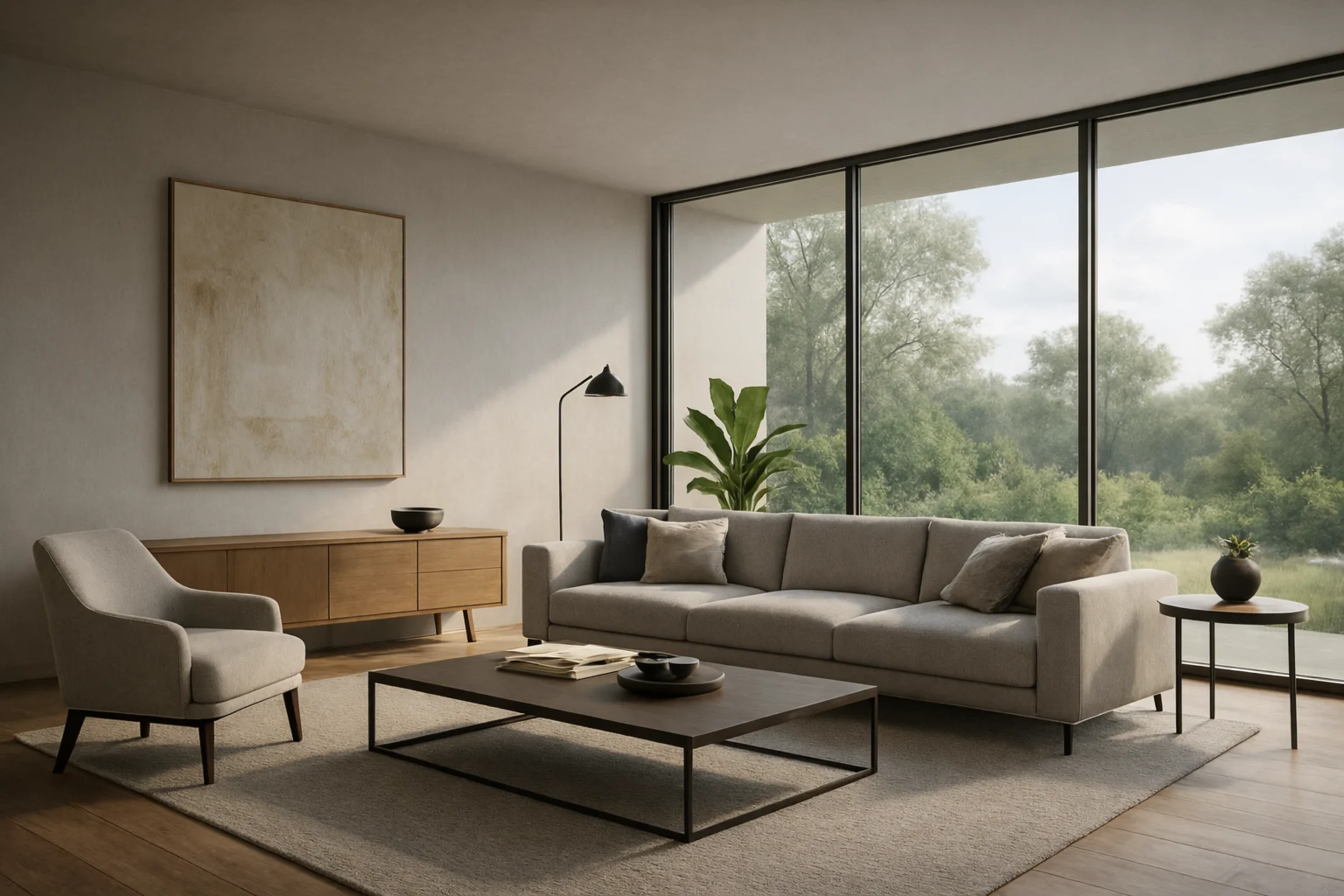
What separates ordinary CGI from premium imagery is the level of detailing. Even subtle elements—tiny shadows, reflections, surface variations, or environmental imperfections—make the render feel alive. In interior scenes, props like books, plants, soft fabrics, and artwork make the space feel lived-in. For exteriors, landscape elements, reflections from surrounding buildings, and weather conditions add natural character. These small details form the backbone of high quality 3d renders, helping clients imagine themselves inside the design.
The Workflow Behind Premium CGI Rendering
Although the workflow varies slightly from studio to studio, the general structure remains consistent. The process begins with collecting references, understanding the design’s vision, and planning the mood. Once the modeling stage begins, accuracy becomes crucial. Materials are added with precision, lighting is tested in multiple scenarios, and camera angles are selected carefully. After the rendering stage, post-production adds the finishing touches that complete the image. This organized yet creative process ensures that architectural visualisation maintains clarity, consistency, and visual depth.
Communication & Collaboration
Clear communication is essential in architectural visualisation. When clients share reference images, color preferences, mood boards, and inspiration, the 3d visualiser gains a clearer picture of the expected outcome. This minimizes revisions and increases accuracy. Strong communication also ensures that the design intent is respected throughout the rendering process.
Environment Creation Adds Realism
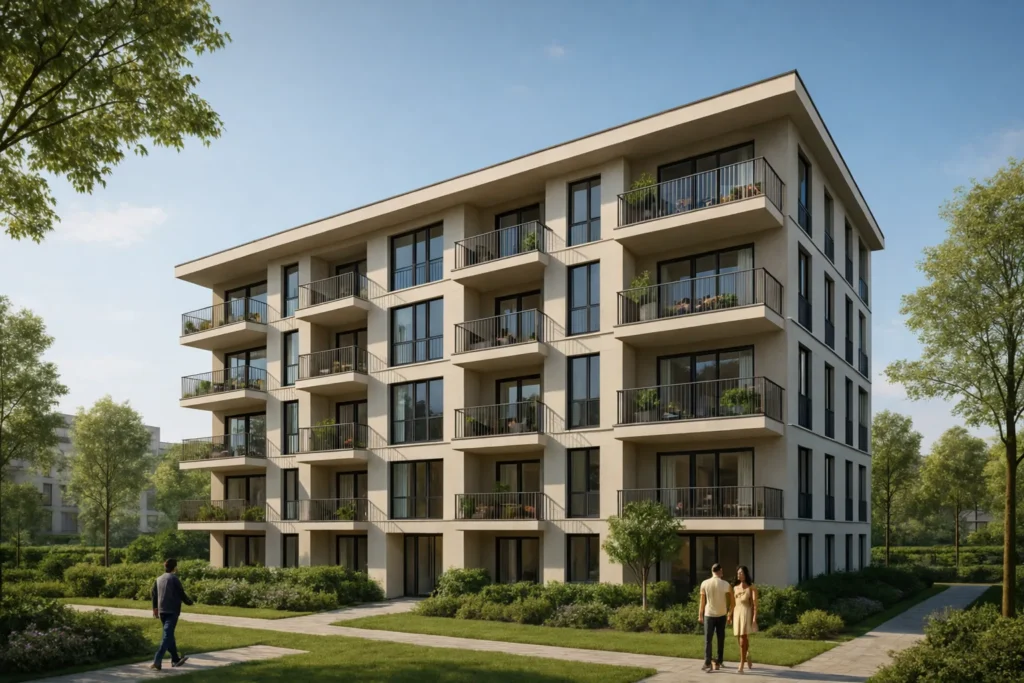
A building is never viewed in isolation. Environment creation—trees, sky, streets, reflections, weather, landscape—helps ground the structure in a believable setting. Atmospheric effects like light scattering, soft fog, or distant silhouettes add a natural touch without distracting from the design. When used correctly, these environmental elements enhance the emotional appeal of high quality 3d renders, helping viewers connect with the space in a realistic way.
Post-Production Magic
Post-production is the final creative layer that brings everything together. Here, the render is refined through color balancing, contrast adjustments, sharpening, atmospheric enhancements, and light tuning. The goal is not to change the design but to polish the visual until it feels coherent and emotionally engaging. A skilled 3d visualiser ensures that post-production strengthens realism instead of overpowering it. Many studios use photography-inspired techniques to achieve this depth.
Why Architectural Visualisation Studios Stand Out
Premium studios stand out because they combine artistic vision with technical mastery. They understand the psychology of space, the behavior of light, and the emotion behind materials. Their ability to blend composition, detailing, lighting, environment, and workflow discipline results in high quality 3d renders that speak for themselves. Their dedication ensures that each project is not just a depiction but a convincing visual story.
Conclusion
The power of architectural visualisation lies in its ability to transform ideas into emotionally compelling visuals. When handled by an experienced 3d visualiser, the design becomes a lifelike experience that clients can understand instantly. Through careful lighting, real-world textures, thoughtful composition, and strong communication, premium studios consistently deliver high quality 3d renders that help clients make confident decisions. Whether for marketing, approval, or creative presentation, architectural visualisation remains one of the most transformative tools in modern design.