
Interior Visualization Trends 2026: Materials, Lighting & Mood in High-Quality 3D Renders
Introduction
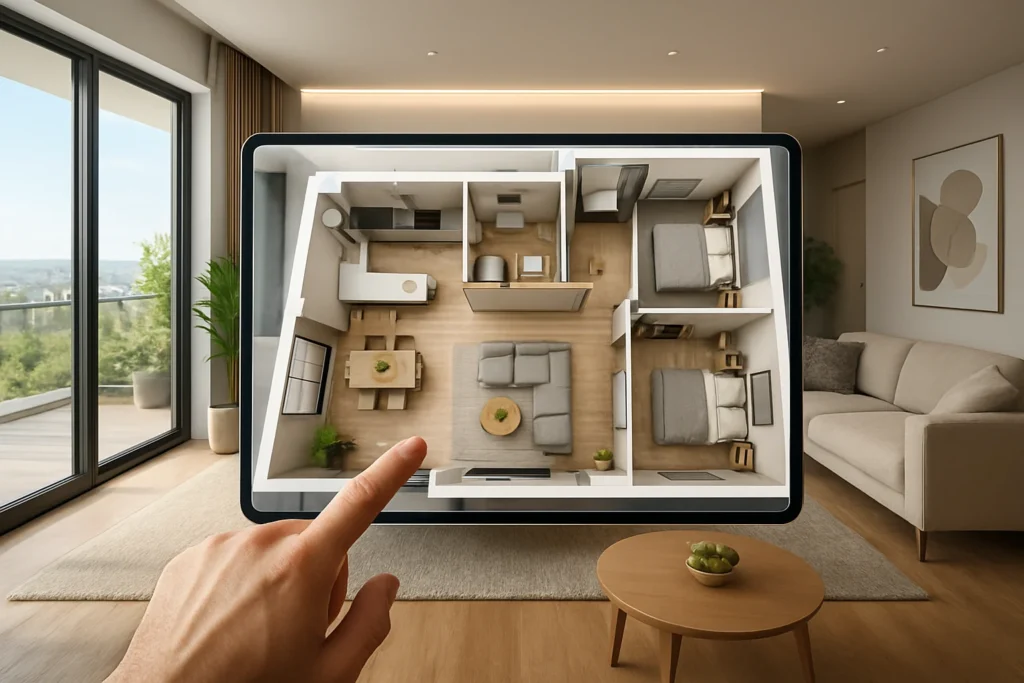
Interior Visualization Trends are reshaping the way interiors are designed, presented, and approved as we move deeper into 2026. Today, interior spaces are no longer imagined through drawings alone. They are experienced visually long before construction begins. With advancements in arch rendering, photorealistic 3D rendering, and modern 3D studio workflows, designers now communicate ideas with clarity, realism, and emotional depth.
This evolution has changed expectations across the industry. Clients want to feel the space, understand the materials, and see how lighting affects mood. For every 3D visualiser, architect, and homeowner searching for 3D designers near me, interior visualization has become an essential decision-making tool rather than a final presentation step.
The Evolution of Interior Visualization in 2026
Interior visualization has grown into one of the most influential parts of modern design communication. High-quality visuals allow designers to present realistic interiors with accurate proportions, textures, and lighting. This clarity helps clients understand the space instantly, reducing confusion and speeding up approvals.
Advanced 3D studio pipelines now support detailed environments where every element—from furniture placement to shadow depth—feels believable. These improvements explain why Interior Visualization Trends now focus heavily on realism and emotional storytelling rather than exaggerated visual effects.
Interior Visualization Trends in Materials and Textures
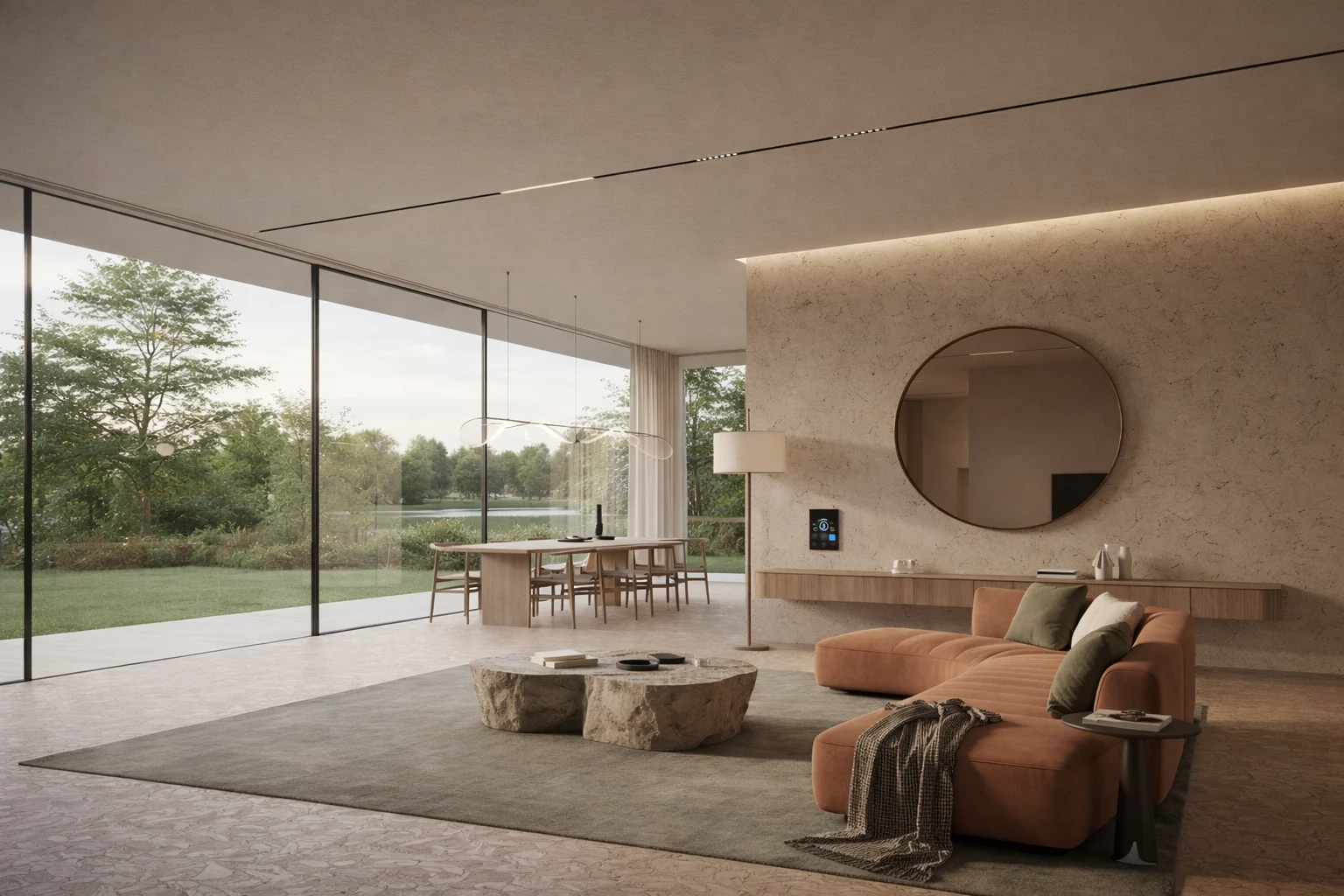
One of the strongest Interior Visualization Trends in 2026 is the return to natural and organic materials. Stone surfaces, warm wood finishes, textured fabrics, and matte metals are becoming dominant in both residential and commercial interiors. When these materials are rendered using photorealistic 3D rendering techniques, they appear almost tangible on screen.
Designers are using high-resolution textures to show subtle surface details such as grain patterns, fabric weave, and natural imperfections. This level of realism allows homeowners to make confident decisions without relying solely on physical samples. For a skilled 3D visualiser, material accuracy has become just as important as spatial layout.
Lighting Styles That Define Mood and Atmosphere
Lighting plays a major role in shaping how an interior feels. Among the most important Interior Visualization Trends is the use of soft ambient lighting combined with realistic daylight simulations. Instead of harsh contrasts, designers now prefer balanced lighting that enhances comfort and warmth.
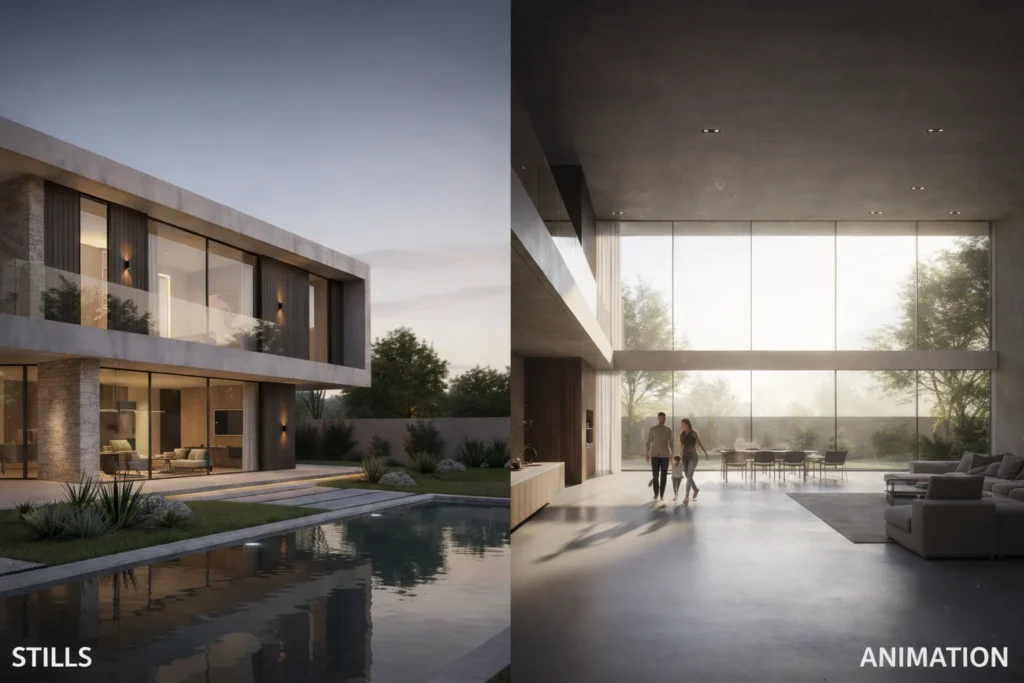
A professional interior 3D visualization service often presents multiple lighting scenarios to show how a space changes throughout the day. Morning daylight, warm sunset tones, and evening artificial lighting help clients understand how the interior will function in real life. This approach reduces late-stage design changes and builds trust between designers and clients.
Emotional Storytelling Through Arch Rendering
Arch rendering in 2026 is not only about accuracy—it is about emotion. Designers now focus on visual storytelling by highlighting how people will experience the space. Instead of simply showing a room, visuals emphasize cozy corners, soft shadows, reflective surfaces, and warm color transitions.
These Interior Visualization Trends help clients imagine themselves living or working in the environment. Emotional connection often determines whether a design feels right, and modern arch rendering workflows are built to support this deeper level of engagement.
The Role of a Skilled 3D Visualiser in Modern Design
The demand for experienced 3D visualiser professionals continues to grow. Clients searching for 3D designers near me now expect more than basic renders. They look for artists who understand lighting, materials, proportions, and mood equally well.
With advanced 3D studio tools, visualisers create environments that feel natural and inviting. Accurate camera angles, proper scale, and thoughtful composition guide the viewer’s eye and improve spatial understanding. These skills directly influence how successful an interior visualization feels.
Sustainable and Smart Interior Visualization Trends
Sustainability has become a defining theme in Interior Visualization Trends for 2026. Designers increasingly showcase eco-friendly materials such as recycled wood, natural fabrics, and low-impact finishes. These elements are presented through photorealistic 3D rendering to communicate environmental responsibility clearly.
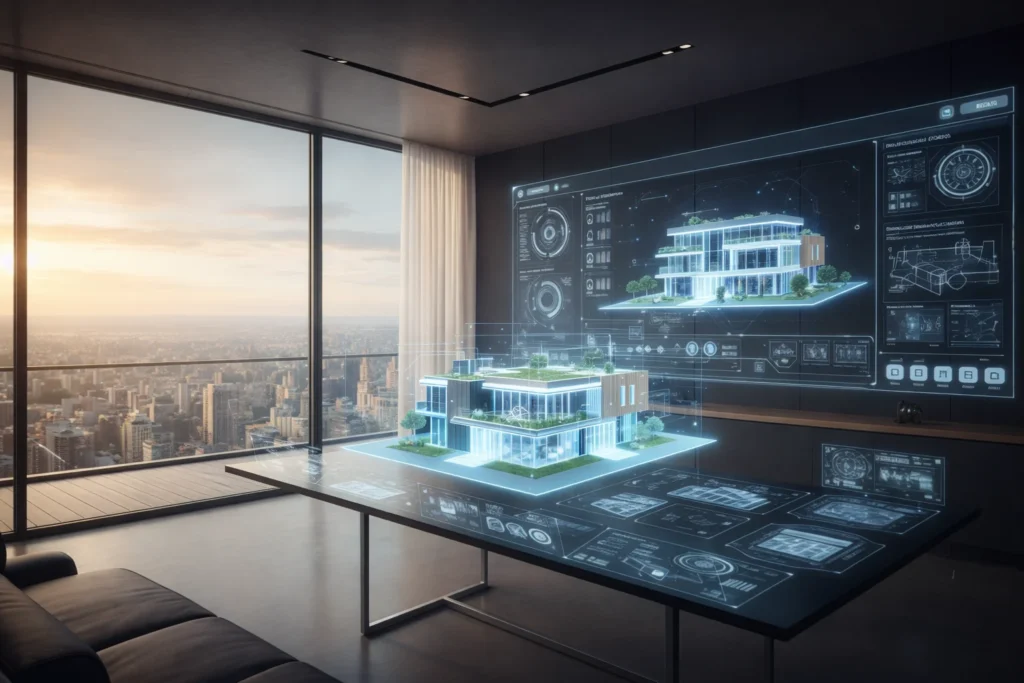
At the same time, smart home features are now integrated into visuals. Ambient lighting systems, digital controls, and minimalist layouts are shown seamlessly through modern arch rendering techniques. This helps clients understand how technology fits naturally into interior design without overpowering aesthetics.
Commercial and Residential Interior Visualization Trends
Interior Visualization Trends vary slightly between residential and commercial spaces. Homes focus on warmth, comfort, and emotional balance, while offices, cafés, and retail environments prioritize clarity and usability.
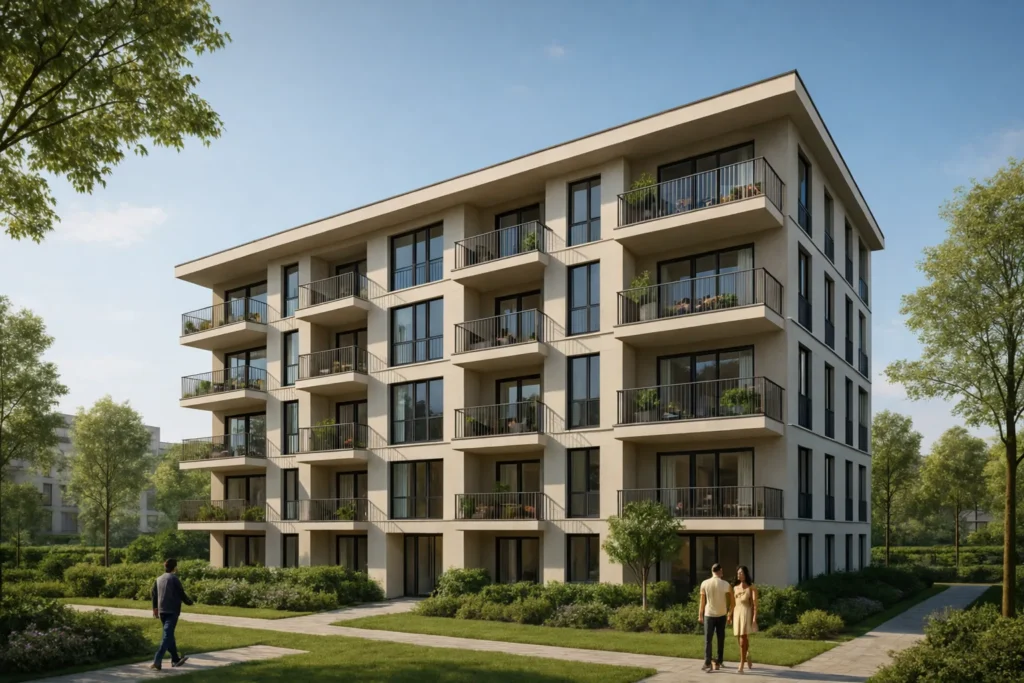
Commercial interior 3D visualization service outputs often highlight branding elements, lighting efficiency, and spatial flow. Neutral lighting and realistic material reflections help business owners visualize how customers will experience the space. These visuals support faster decision-making and reduce costly revisions during construction.
Digital Presence and Visualization Integration
Interior visualization now plays a key role in digital marketing. Architects and designers rely on high-quality renders to present their work online. Many studios integrate visualization with WordPress development to create fast, visually engaging websites.
Photoreal images help visitors instantly understand a firm’s design style and skill level. This connection between visualization and digital presentation is becoming essential as competition grows in the design industry.
The Future of Interior Visualization Trends
As 2026 progresses, Interior Visualization Trends will continue moving toward softer color palettes and nature-inspired interiors. Shades like beige, cream, olive green, terracotta, and charcoal grey are increasingly popular because they feel timeless and calming.
Outdoor-connected interiors with large windows, greenery, and natural light are also becoming standard. A talented 3D visualiser carefully balances interior and exterior lighting to maintain realism and depth. These visuals reflect how modern homeowners want spaces that feel open, calm, and connected to nature.
Conclusion
Interior Visualization Trends in 2026 highlight a clear shift toward realism, emotion, and clarity. With advancements in arch rendering, photorealistic 3D rendering, and professional 3D studio workflows, designers can now create spaces that feel almost real.
These visuals do more than explain a design—they inspire confidence, support collaboration, and guide creative decisions. Whether for homes or commercial projects, interior visualization has become a powerful storytelling tool that brings ideas to life before construction even begins.