
Top 10 Lighting Techniques for More Realistic Interior Architectural Visualization
Introduction
For any architecture designer, mastering lighting is the secret to making
3d architectural rendering feel real. Lighting is more than illumination—it sets the mood, creates depth, and turns a digital interior into a space that viewers can emotionally connect with. The Top 10 Lighting Techniques outlined in this guide are designed to help artists create interiors that feel natural, professional, and visually compelling.
Even with the most detailed models and textures, poor lighting can make a scene look flat or artificial. Understanding how light behaves, how shadows soften surfaces, and how color temperature affects perception is essential to professional 3d architectural rendering.
Understanding Natural Light
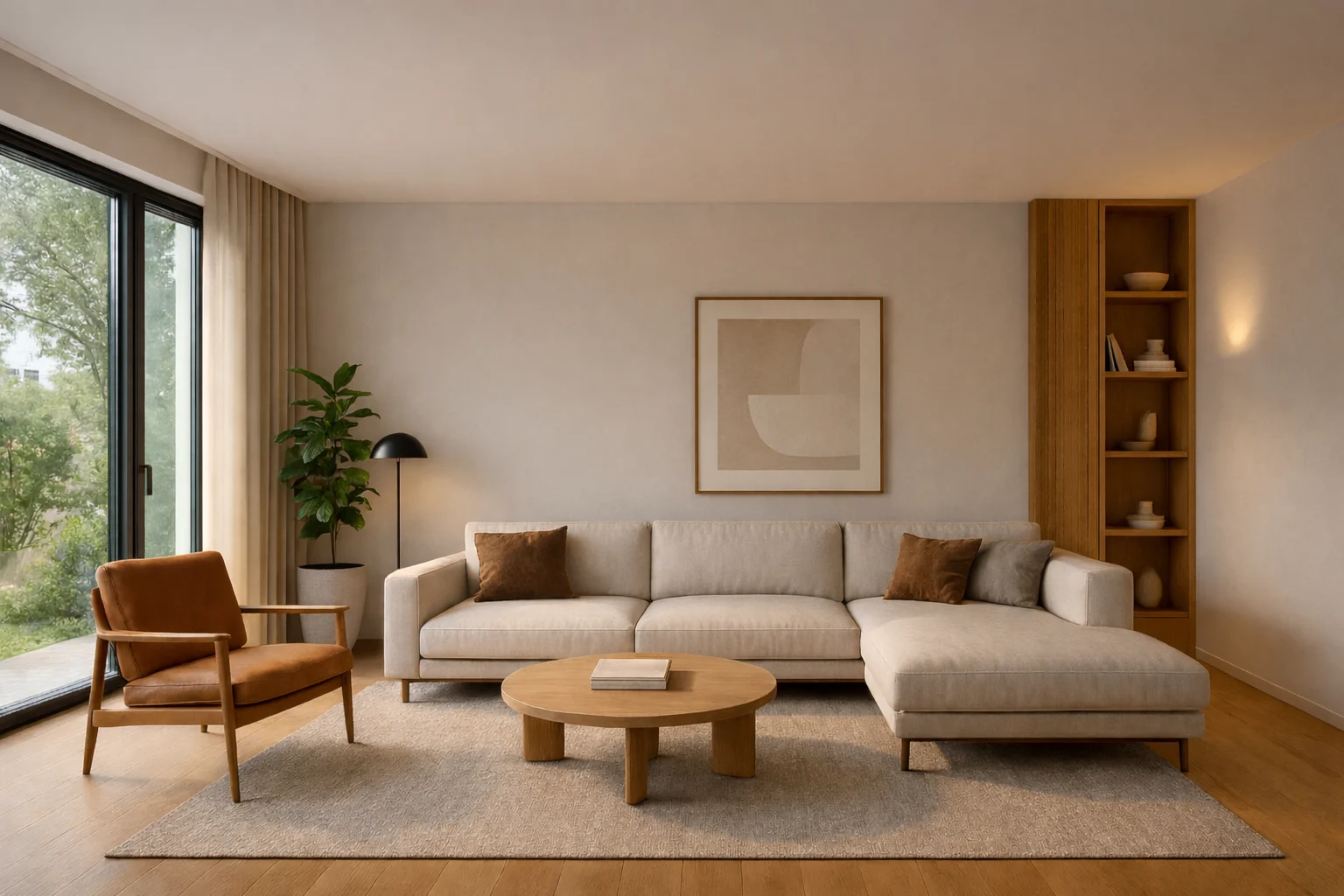
Natural light forms the base of realism in any interior visualization. Sunlight streaming through windows introduces soft gradients and subtle shadows, creating an immediate sense of depth. For architecture designers, positioning the sunlight correctly is critical to conveying the time of day and overall mood of the room.
Natural light not only illuminates the room but also interacts with materials. Wooden surfaces glow warmly under sunlight, fabrics display their textures, and reflective surfaces subtly bounce light into darker corners. Beginning your lighting setup with sunlight ensures that the scene has a natural foundation before additional lights are added.
Image suggestion: Sunlit interior with soft shadows
Alt text: Natural light in interior for 3d architectural rendering
The Role of HDRI in Interior Rendering
After establishing natural light, many architecture designers turn to HDRI lighting to enhance realism. HDRI provides a full 360-degree environmental lighting setup that reacts naturally with the interior, creating realistic reflections and soft ambient light.
This approach saves time and ensures consistency across multiple angles. Instead of manually adjusting dozens of individual lights, HDRI provides a balanced illumination, helping 3d architectural rendering look cohesive and natural. For more tips, check CG Architect for professional HDRI setups.
Shadows and Depth in Interior Spaces
Shadows are essential in adding depth and life to a scene. Real interiors rarely have uniform shadows; the soft interplay between light and shade gives objects weight and texture. In 3d architectural rendering, attention to shadow softness can make a significant difference in realism.
Hard shadows are appropriate only for direct sunlight. For general interior lighting, soft shadows help materials feel tangible, and furniture blends naturally into the room, creating a subtle, authentic atmosphere.
Layered Lighting for Realism
Layered lighting is the technique of combining multiple light sources to create depth. Most architecture designers use a combination of main light, supportive light, and accent lights. The main light establishes the dominant illumination, supportive lights reduce overly dark areas, and accent lights highlight textures or specific objects.
This approach ensures that the interior feels fully illuminated without being flat. By layering lights thoughtfully, you can draw attention to details and maintain a natural visual flow.
Using Spotlights to Guide Attention
Spotlights are subtle tools for directing the viewer’s gaze. In interiors, focal points—such as a sofa, artwork, or table—benefit from gentle spotlighting. This technique ensures the space feels intentional and carefully composed.
Used sparingly, spotlights enhance the narrative of the interior without overpowering the scene. Overuse can create unnatural highlights that distract from the overall composition.
Balancing Warm and Cool Tones
Color temperature affects how viewers emotionally perceive a space. Warm tones evoke comfort, while cooler tones create clarity and sophistication. Blending these tones allows 3d architectural rendering to feel harmonious and visually pleasing.
In practice, warm lamps and natural wood surfaces combine with cooler daylight or reflective modern materials to achieve balance. The key is subtlety—too much contrast can make the scene feel artificial.
Light Bouncing and Reflection
Light rarely travels in straight lines in the real world. It bounces off walls, floors, and furniture, spreading illumination into corners. 3d architectural rendering benefits immensely from accurately simulating this behavior.
Correctly calculated bounce lighting prevents dark, lifeless areas and overly bright patches, creating interiors that feel complete. For glossy materials, reflections add an additional layer of realism that subtly enriches the scene.
Hidden Lighting and Ambient Glow
Modern interiors often include concealed lighting behind furniture or architectural details. This technique softens shadows, highlights textures, and adds depth.
Hidden lights can transform a flat interior into a welcoming, visually rich space. For architecture designers, mastering hidden lighting ensures that the final render captures both realism and design sophistication.
Image suggestion: Shelf with hidden LED lighting
Alt text: Hidden lighting in 3d architectural rendering interior
Exposure, White Balance, and Fine-Tuning
Exposure and white balance are the final steps that unify the lighting setup. Too much exposure washes out details, while too little makes the scene dull. White balance shifts the overall mood, allowing interiors to feel warm, cool, or neutral.
For professional 3d architectural rendering, careful attention to these settings ensures that the scene remains visually balanced and true to life.
Testing Light Angles for the Perfect Scene
Lighting reacts differently from various angles. Adjusting sunlight, artificial lights, and HDRI rotation is essential to achieving the desired atmosphere. Testing and refining these angles allows subtle improvements that can elevate an interior from realistic to truly captivating.
Conclusion
The Top 10 Lighting Techniques are indispensable for every architecture designer striving for realistic 3d architectural rendering. By combining natural light, HDRI, soft shadows, layered and hidden lighting, balanced color tones, and careful fine-tuning, interiors achieve authenticity and emotional resonance.
The ultimate goal is to create spaces that viewers can feel as if they are stepping into them—realistic, inviting, and beautifully lit. When applied thoughtfully, these techniques turn ordinary renders into professional, visually stunning interior visualizations.
Link Suggestions: