
From Concept to Reality: Living Room Designs via 3D Rendering Company
Introduction
Your living room is more than just a space — it’s where memories are made, guests are welcomed, and daily life unfolds. When it comes to planning a remodel or designing from scratch, seeing the end result before it exists can make the entire process smoother and more enjoyable. That’s where the power of 3D visualization shines.(realspace3d.com)
In this blog, we’ll explore how realistic visuals created by a 3D rendering company help you imagine, tweak, and perfect your ideal living room design. From capturing light and texture to testing styles and layouts virtually, this modern approach makes design more understandable and collaborative. Along the way, we’ll share ideas, benefits, and practical tips — all explained in a simple and human way.
Why Visuals Matter in Living Room Design
Imagine trying to describe the perfect living room using only words on a page. It’s hard, right? Traditional flat sketches or written concepts can leave a lot to the imagination. But with high-quality 3D visuals, you can see your ideas come alive as if the space already exists — before any furniture is ordered or walls are painted.
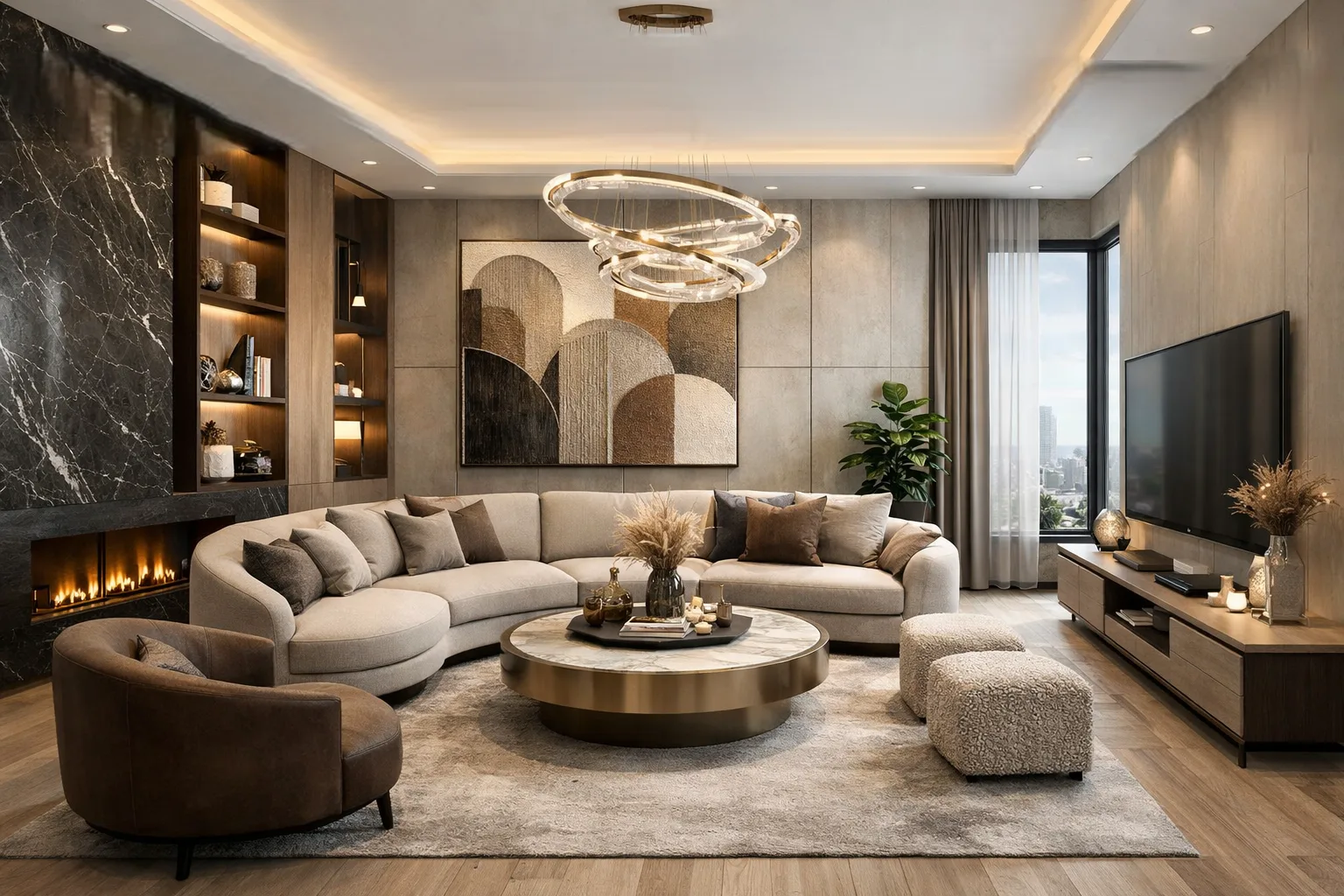
A skilled 3D visualizer creates lifelike images of your living room concept, showing how light plays across surfaces, how furniture fits together, and how colors and textures work in harmony. These visual previews give you confidence and clarity in decision-making, helping you feel truly connected to your design even before it’s built.
What 3D Rendering Brings to Your Living Room Project
A Clear Picture of Your Vision
Instead of guessing how your design choices will look, you can see them in high detail. This includes finishes like wood grains, fabric textures, metallic accents, and shadows cast by different lights. These renders feel almost like real photos, making it easier to choose the right elements for your room.(Vibe3D)
Try Different Layouts and Styles
One of the biggest perks of digital design is the freedom to explore options. Thinking about a cozy sectional or a minimalist sofa with floating shelves? A 3D rendering company can create multiple layouts for you to compare, helping you find the right balance between comfort and style.
See Lighting in Action
Lighting changes everything. Natural light, accent fixtures, and ambient lamps can all impact how your room feels. Through visualization, you can preview how sunlight fills the room at different times of day and how artificial lighting shapes the mood of the space.
Save Time and Reduce Stress
Instead of discovering problems after construction begins, you can spot issues early. Making changes in a digital model takes far less time and cost than altering a finished room, giving you peace of mind throughout the project.
Better Conversations with Designers and Builders
Visuals act as a shared reference for everyone involved. When designers, builders, and homeowners are looking at the same realistic images, communication becomes clearer and misunderstandings are reduced.
How the Process Works
1. Share Your Ideas
Begin by sharing sketches, reference photos, or mood boards. Even basic inspiration helps the rendering team understand your style and expectations.
2. Provide Dimensions and Details
Room measurements, furniture sizes, and material preferences guide the accuracy of the visualization. Clear details lead to more realistic results.
3. First Draft Visualization
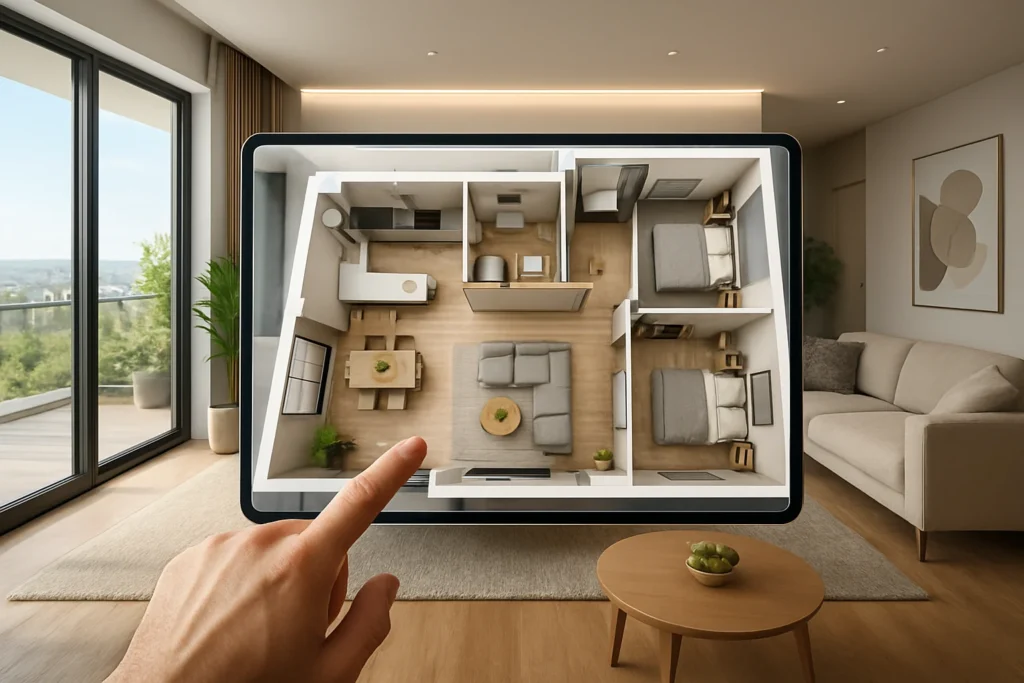
The designer prepares initial 3D views from different angles, showing layout, lighting, and materials within your living room.
4. Review and Refine
You can request changes such as adjusting furniture, colors, or lighting. This step ensures the design matches your expectations before final approval.
5. Final Renders
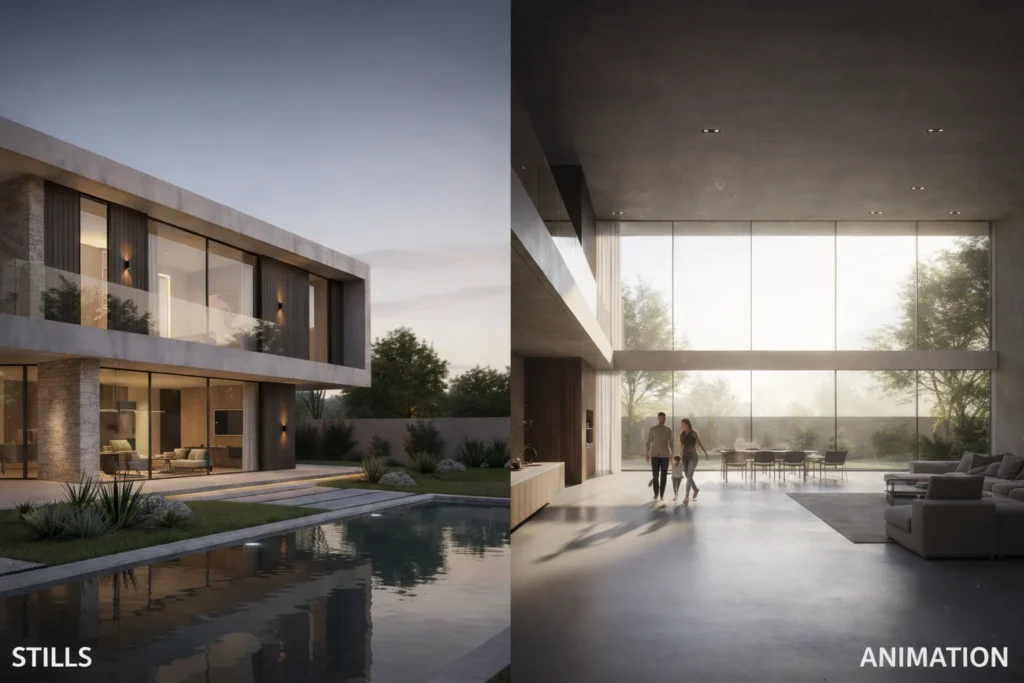
Once approved, you receive polished, high-resolution visuals that can be used for construction guidance, presentations, or marketing.
Realistic Living Room Ideas Enabled by 3D Visualization
Bright and Airy Comfort
Soft neutral tones, light fabrics, and generous natural light create a calm and welcoming environment. Renders help you see how these elements blend together.
Warm and Cozy Retreat
Rich wooden floors, layered rugs, and deep upholstery can be tested visually to ensure the room feels cozy rather than heavy.
Modern Minimal Style
Minimal designs rely on balance and proportion. A 3D preview shows how clean lines and limited colors interact within the space.
Elegant Open-Plan Layouts
For open living areas, visualization helps evaluate flow, furniture placement, and how different zones connect visually and functionally.
Using Renders Beyond Your Own Project
Marketing and Listings
High-quality visuals attract attention in real estate listings, helping buyers or renters imagine the space as their future home.
Portfolio Building for Designers
Designers and architects use rendered visuals to showcase their work professionally and attract new clients.
Collaboration Across Locations
3D images allow teams and clients to collaborate effectively, even when working remotely from different locations.
Tips for Getting the Most from Your Design Visualization
- Be clear about your style by sharing references and inspiration.
- Think about your lifestyle and how you’ll use the space daily.
- Ask questions about materials, lighting, and finishes.
- Review multiple angles to fully understand the space.
Conclusion
Designing your living room should feel exciting, not overwhelming. With the help of 3D visualization, you can explore ideas confidently and make informed choices. A professional 3D rendering company transforms your concepts into realistic visuals, making the entire design journey clearer, smoother, and more enjoyable.