
Future of Living Room Interiors with 3D Visualization Service Providers
Introduction
3D visualization has become one of the most influential tools shaping how modern living room interiors are planned and presented. What once depended on rough sketches and imagination has now shifted toward realistic digital previews that show spaces exactly as they are meant to look. With the support of professional 3D visualization service providers, homeowners and designers can explore ideas clearly before a single piece of furniture is moved or a wall is painted.
As expectations around comfort, style, and personalization continue to rise, living room design is entering a future where visual clarity plays a central role. This blog explores the future of living room interiors and explains how 3D visualization is changing design decisions, improving confidence, and redefining how people experience interior planning.
Why Living Room Interiors Are Changing So Quickly
The living room has always been the center of the home, but its role has expanded over time. Today, it often functions as a social area, relaxation zone, entertainment space, and even a work-from-home corner. With so many functions packed into one area, mistakes in layout or design can affect everyday comfort.
This is where 3D visualization makes a noticeable difference. Instead of relying on assumptions, homeowners can now see how furniture placement, lighting, and colors work together. This shift toward visual planning reflects a broader demand for clarity before making design commitments.
Moving Beyond Traditional Design Methods
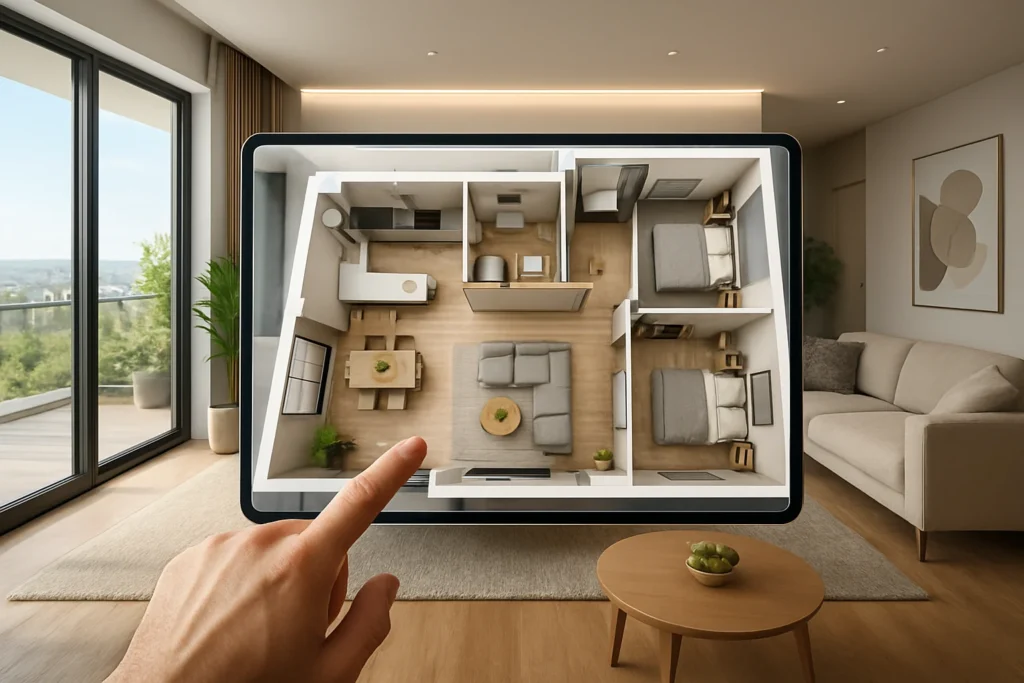
For years, interior designers used floor plans, hand-drawn sketches, and reference images to explain ideas. While helpful, these methods often left room for confusion. Clients struggled to imagine scale, depth, and lighting based on flat drawings alone.
Modern digital design methods offer a better solution. Through 3D visualization, living room interiors can be presented as realistic scenes that show proportions, materials, and atmosphere in a single view. This approach reduces misunderstandings and allows ideas to be discussed with far greater accuracy.
Interior Design Trends Influencing Living Rooms
Comfort-Focused and Flexible Layouts
Living room design trends are increasingly centered around comfort and usability. Neutral tones, soft textures, and flexible furniture arrangements are becoming more popular, allowing spaces to feel welcoming rather than overly styled.
Personalization Through Visualization
Instead of copying catalog designs, homeowners want interiors that reflect their lifestyle. Using 3D visualization helps bring these personal ideas into focus by allowing different colors, finishes, and décor options to be tested before final decisions are made.
Sustainable Design Choices
Sustainability is also shaping the future of living room interiors. Natural materials, energy-efficient lighting, and thoughtful layouts can be evaluated visually, helping homeowners make choices that align with both their style and values.
Turning Concepts into Realistic Living Room Views
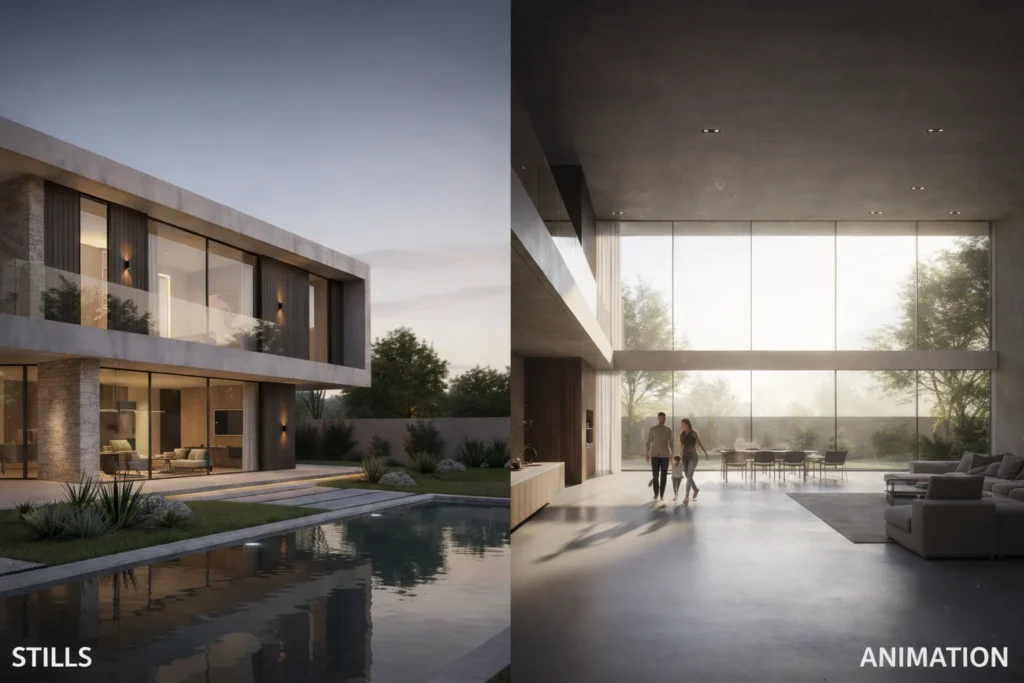
One of the strongest advantages of 3D visualization is realism. High-quality renders show how natural and artificial light interact with surfaces, how textures appear up close, and how furniture fits within the room.
This level of detail helps prevent common problems such as oversized furniture or poorly lit corners. Viewing the living room from multiple angles provides a deeper understanding of space and flow that traditional drawings cannot offer.
Virtual Walkthroughs and Interactive Experiences
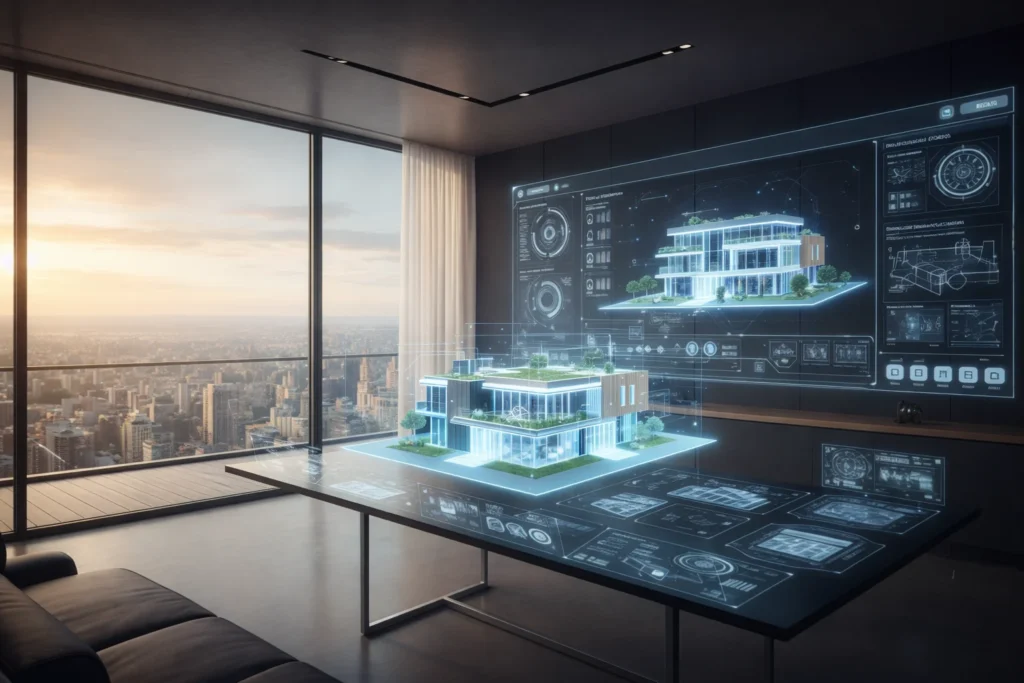
The future of interior planning goes beyond static images. Many visualization providers now offer virtual walkthroughs that allow users to explore a living room digitally. This interactive experience creates a stronger sense of movement, spacing, and comfort.
With the help of 3D visualization, clients can walk through their living room layout, view it from different perspectives, and understand how each design element connects. Learn more about modern interior visualization tools at
Autodesk 3D Visualization.
Practical Benefits for Homeowners and Designers
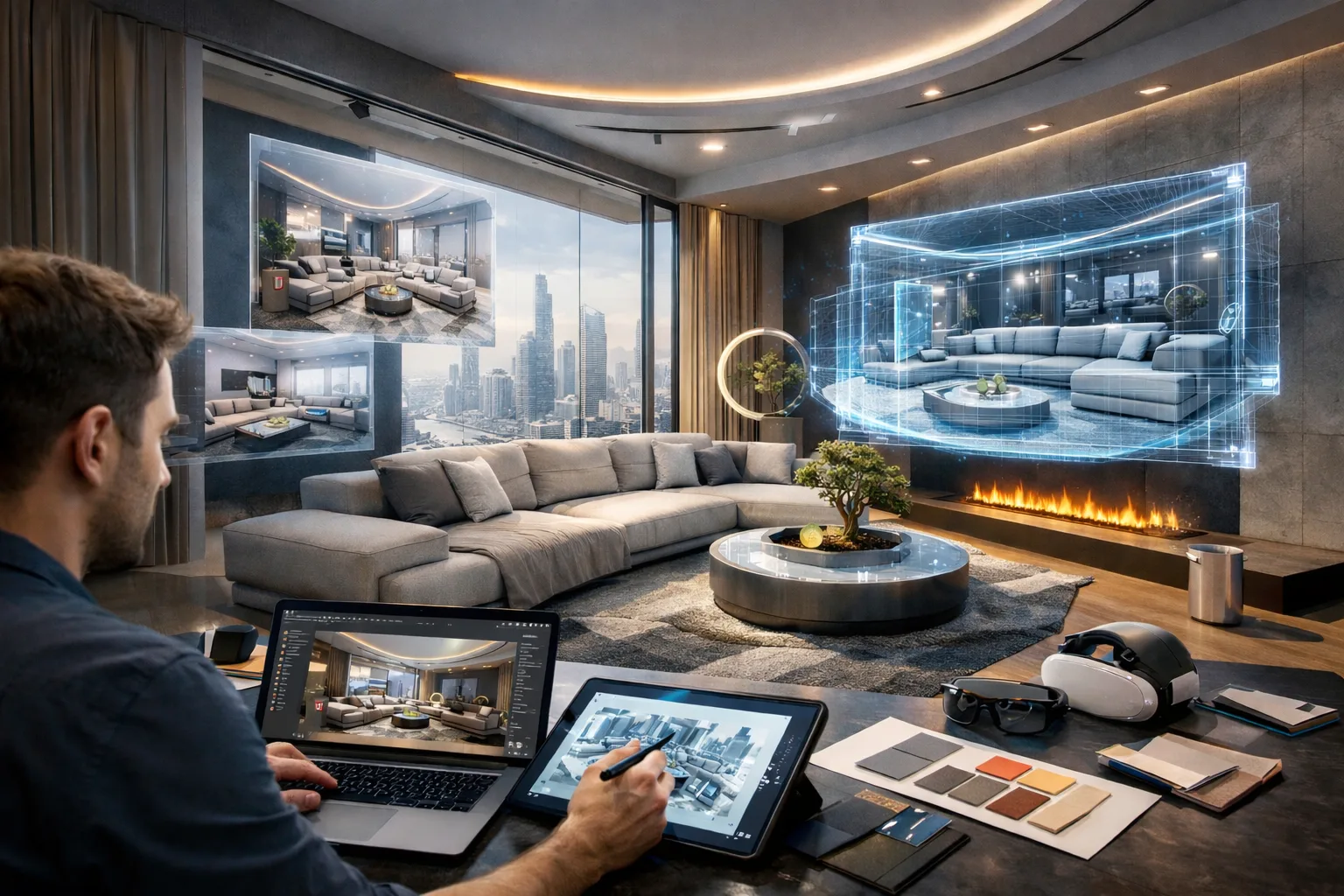
Professional visualization services improve communication between designers and clients by providing clear, realistic visuals. This reduces misunderstandings and ensures both sides share the same expectations.
Another major benefit is cost control. Identifying design issues early helps avoid expensive changes during construction. Digital revisions also save time, allowing projects to move forward more efficiently.
Who Uses Living Room Visualization Services
3D visualization services are valuable for a wide range of users. Homeowners planning renovations or new homes gain confidence by previewing their ideas before execution.
Interior designers use these visuals to present concepts professionally and secure approvals faster. Real estate developers rely on realistic living room renders to attract buyers, while furniture and décor brands use them to showcase products in real-life settings.
Choosing the Right Visualization Partner
Selecting the right visualization partner plays a critical role in the final outcome. A strong portfolio that demonstrates realistic lighting, accurate proportions, and attention to detail is essential.
Clear communication is equally important. A reliable provider understands design intent and translates ideas accurately through 3D visualization without unnecessary complexity.
Conclusion
Living room interiors are moving toward a future where clarity, comfort, and confidence guide every design decision. As spaces become more personal and multifunctional, the ability to preview a living room in realistic detail has become essential.
With the continued growth of 3D visualization, living room design is no longer driven by guesswork. Instead, it is shaped by clear visual experiences that connect imagination with reality, setting a new standard for modern interior planning.