
Why Marketing Teams Prefer 3D Architectural Visualization

Introduction
3D architectural visualization has become one of the most powerful tools for marketing teams in recent years. As digital platforms continue to grow and competition increases, brands are constantly looking for better ways to present their ideas. People no longer want to rely on imagination alone—they expect to see exactly what they are investing in. This shift has made visual presentation more important than ever.
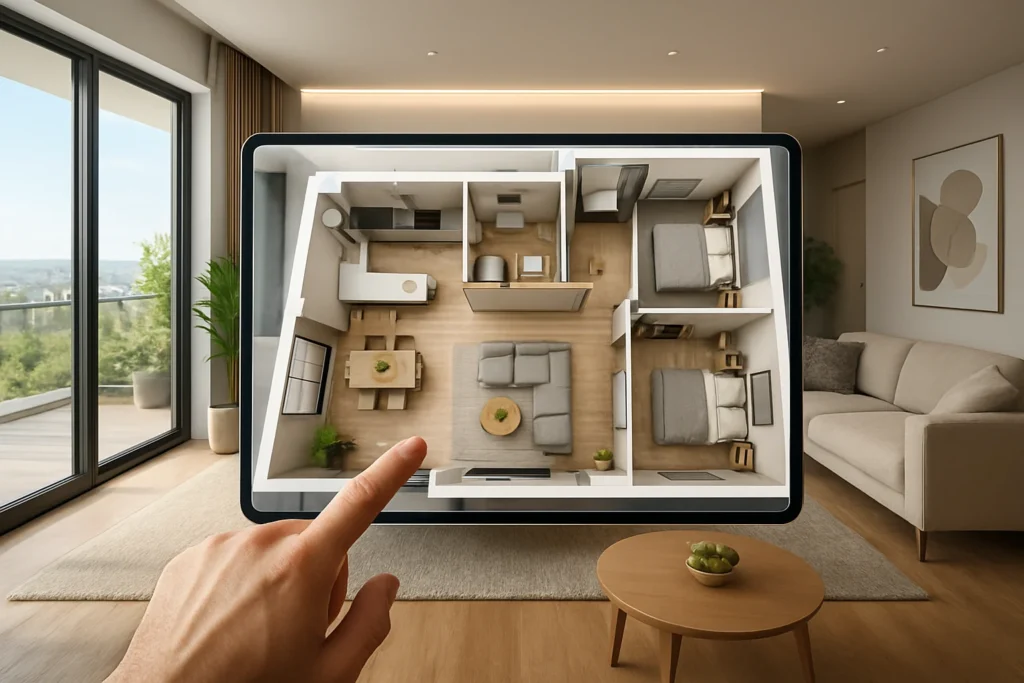
In earlier days, marketing a property or design meant using 2D floor plans, sketches, or basic images. While those methods still have their place, they often fail to connect with a wider audience. Not everyone understands technical drawings, and this creates a gap between what is being presented and what people actually understand. 3D architectural visualization helps bridge that gap by turning ideas into realistic visuals that are easy to grasp.
Marketing today is driven by clarity and experience. When people can clearly see a space before it is built, they feel more confident and engaged. This is one of the key reasons why marketing teams are increasingly choosing this approach.
The growing importance of visual content
The way people consume content has changed dramatically. Most users scroll through websites and social media quickly, stopping only when something catches their attention. In this environment, visuals play a major role in deciding whether someone engages with a piece of content or ignores it.
Text alone is often not enough to communicate complex ideas, especially in industries like architecture or real estate. Visuals simplify communication and make information easier to process. A well-designed image can explain a concept instantly, without requiring long explanations.
This is where 3D architectural visualization stands out. It provides a clear and realistic view of a project, helping viewers understand the design, layout, and overall feel of a space within seconds. For marketing teams, this ability to communicate quickly and effectively is extremely valuable.
Understanding the concept in simple terms
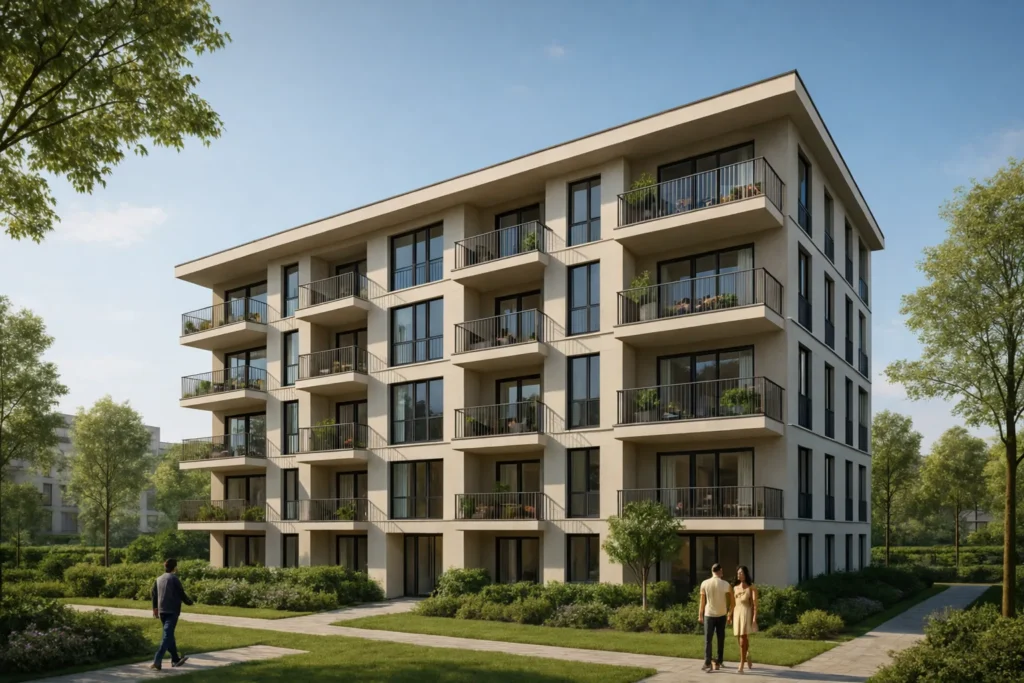
At its simplest, 3D architectural visualization is the process of creating realistic digital representations of buildings or spaces before they are constructed. These representations are designed to look as close to real life as possible, often including lighting, textures, furniture, and surroundings.
Instead of asking someone to imagine a space, this method shows them exactly how it will look. This makes it easier for clients, buyers, and stakeholders to connect with the project.
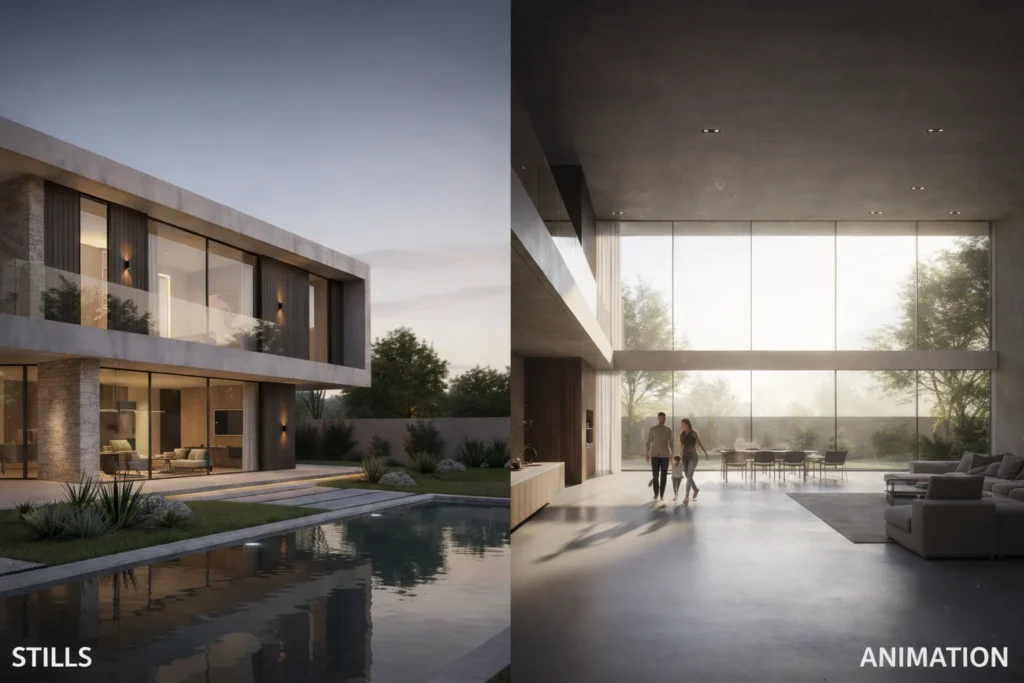
These visuals can take different forms depending on the goal. Some common formats include still images, animated walkthroughs, and interactive virtual tours. Each format offers a different level of engagement, allowing marketing teams to choose what works best for their audience.
Changing expectations of modern buyers
Today’s buyers are more informed and more selective than ever before. Before making a decision, they want to explore all aspects of a project in detail. This is especially true in industries where the investment is significant, such as real estate.
People no longer rely only on brochures or descriptions. They expect a clear and realistic representation of what they are getting. This expectation has pushed marketing teams to move beyond traditional methods.
3D architectural visualization meets this demand by offering a complete visual experience. It allows buyers to see the final outcome even before construction begins. This level of clarity builds trust and helps people feel more confident about their decisions.
Simplifying complex designs
Architectural designs can be detailed and technical. For someone without a background in design or construction, understanding floor plans and layouts can be challenging.
3D architectural visualization removes this difficulty by presenting everything in a visual format. Instead of interpreting lines and measurements, viewers can see the actual space with all its elements in place.
This makes communication much smoother. Clients can easily understand the design, give feedback, and suggest changes. It also reduces the chances of misunderstandings, which can save time and effort during the project.
Creating a stronger marketing presence
In competitive markets, first impressions matter a lot. When potential buyers or clients come across a project, the quality of its presentation can influence their interest immediately.
High-quality visuals help create a strong and positive impression. They make a project look more appealing and professional, which can set it apart from competitors.
Marketing teams use 3D architectural visualization to improve the overall look and feel of their campaigns. Whether it is a website, a social media post, or an advertisement, realistic visuals make the content more engaging and memorable.
Building emotional connections with the audience
One of the most important aspects of marketing is creating a connection with the audience. People are more likely to engage with something that feels relatable and meaningful.
Visuals have the power to create this connection. When someone sees a realistic representation of a space, they can imagine themselves in it. They can picture their daily life, their comfort, and their experiences within that environment.
This emotional response plays a big role in decision-making. It turns a simple presentation into an experience, which is why 3D architectural visualization is so effective in marketing.
Supporting early-stage sales and promotions
Selling a project before it is built can be challenging. Without a physical structure, it is difficult for buyers to fully understand what they are investing in.
3D architectural visualization solves this problem by providing a clear and detailed preview of the project. Marketing teams can use these visuals to promote properties during the early stages of development.
This approach is especially useful for pre-launch campaigns and investor presentations. Buyers can explore the design, understand the layout, and make decisions based on what they see. This helps in generating early interest and securing commitments even before construction is completed.
Flexibility across different platforms
Another reason why this method is widely used is its flexibility. A single visual asset can be adapted for multiple platforms without losing its effectiveness.
Some common uses include:
- website banners and landing pages
- social media campaigns
- digital advertisements
- email marketing visuals
This flexibility makes 3D architectural visualization a practical choice for long-term marketing strategies.
Improving communication and reducing delays
Clear communication is essential for any project. When everyone involved understands the design and expectations, the process becomes smoother.
3D architectural visualization helps achieve this clarity. Clients can see exactly what is being proposed, which makes it easier for them to provide feedback. Teams can also identify potential issues early and make necessary adjustments.
This leads to faster approvals and fewer revisions. As a result, projects can move forward more efficiently, saving both time and resources.
Strengthening brand perception
The way a project is presented reflects the brand behind it. High-quality visuals create a sense of professionalism and attention to detail.
When marketing teams use 3D architectural visualization, they are able to present their work in a polished and modern way. This helps build trust with clients and improves the overall perception of the brand.
In industries where competition is high, this can make a significant difference. A strong visual presentation can influence how people view a company and its projects.
Enabling interactive and immersive experiences
As technology continues to advance, the way people interact with content is also changing. Static images are no longer the only option.
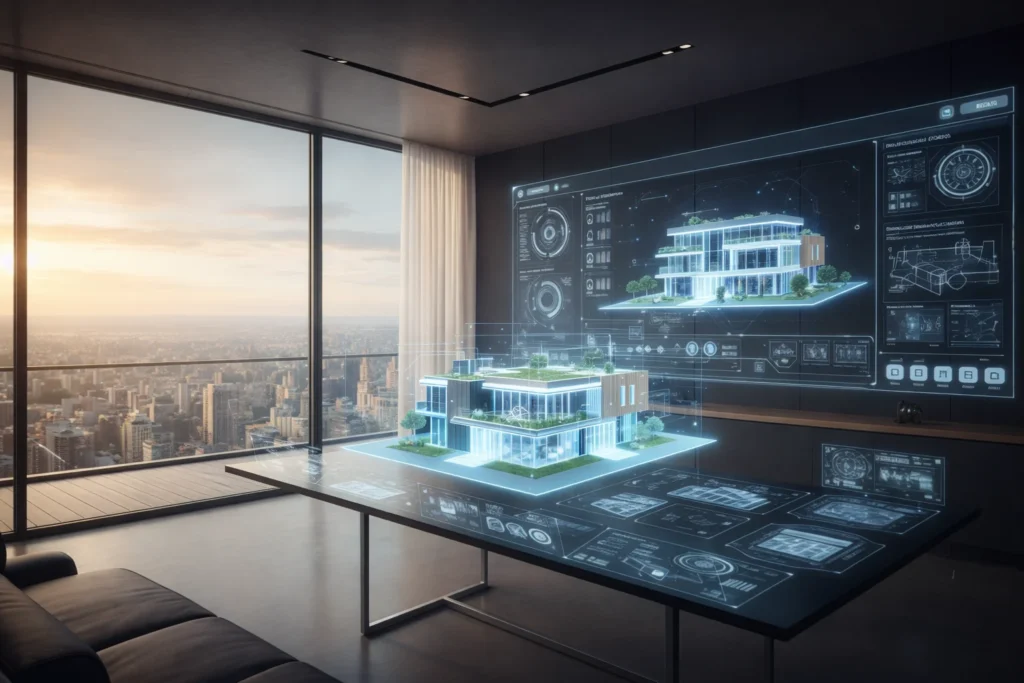
Interactive experiences such as virtual tours and walkthroughs allow users to explore spaces in a more engaging way. They can move through a property, view it from different angles, and get a better understanding of the layout.
3D architectural visualization supports these experiences by providing the foundation for immersive content. This makes marketing more dynamic and engaging, which can lead to better results.
Real-world applications across industries
This approach is widely used in different industries where visual communication is important.
Real estate developers use it to showcase properties and attract buyers before construction is complete. Architects rely on it to present designs clearly to clients. Marketing agencies use it to create engaging campaigns, while interior designers use it to display their concepts in realistic settings.
In all these cases, 3D architectural visualization helps improve communication and presentation, making it easier to connect with the target audience.
Avoiding common mistakes
While this method offers many benefits, its effectiveness depends on how it is used. Poor-quality visuals or unrealistic designs can reduce its impact.
It is important to focus on quality, accuracy, and relevance. Over-editing or adding unnecessary elements can make visuals look less believable. Keeping the design clean and realistic ensures that it communicates the intended message clearly.
Looking ahead
The future of visual marketing is closely tied to technological advancements. Tools are becoming more advanced, allowing for faster rendering and higher levels of detail.
We are also seeing the rise of artificial intelligence and real-time visualization tools, which are making the process more efficient. As these technologies continue to develop, the use of 3D architectural visualization is expected to grow even further.
Marketing teams that adapt to these changes will be better positioned to create engaging and effective campaigns.
Conclusion
Marketing today is about more than just sharing information. It is about creating experiences that connect with people and help them make confident decisions.
3D architectural visualization plays a key role in this process by turning ideas into clear and realistic visuals. It simplifies communication, builds trust, and makes marketing more engaging.
For marketing teams looking to improve how they present their projects and stand out in a competitive market, this approach has become an essential part of their strategy.
Learn more about architectural visualization trends from
Autodesk
and explore industry insights on
CGarchitect.