
Key Questions to Ask Before Hiring Architectural Rendering Services
Introduction
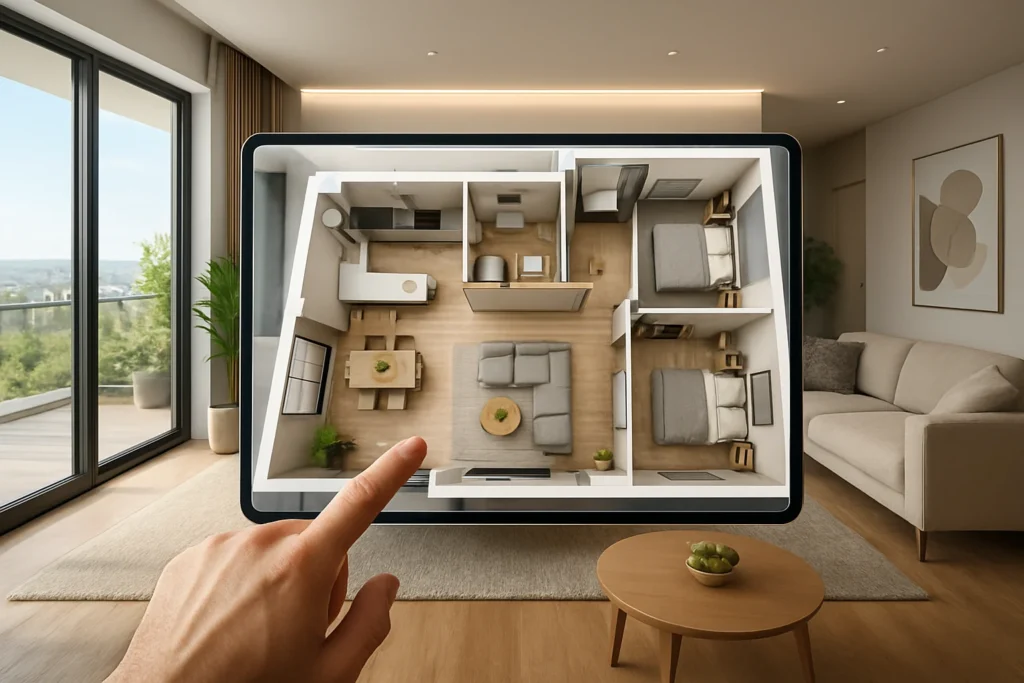
architectural rendering services have become a cornerstone of modern design, enabling architects, interior designers, developers, and even homeowners to visualize projects before construction begins. In a competitive market, presenting a project clearly and convincingly is crucial, and this is exactly what professional rendering provides. With the help of architectural rendering services, designs that were once limited to sketches or 2D plans can now be experienced in stunning 3D detail. These services allow clients and stakeholders to see how spaces will look, how light interacts with surfaces, and how materials and textures come together in a realistic environment. They provide more than just visuals; they communicate design intent and help decision-makers understand the project fully, reducing the chances of errors and miscommunication.
Understanding Your Rendering Needs
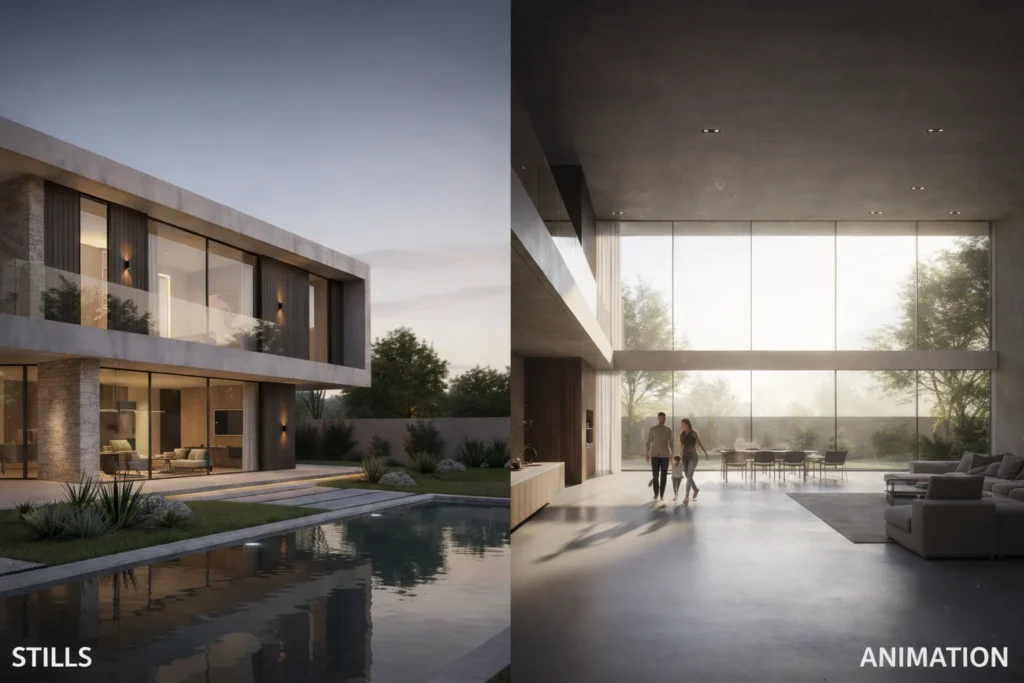
Choosing the right rendering provider starts with understanding your needs and asking the right questions. Not all studios offer the same range of services, levels of detail, or technical expertise, so it is essential to clarify exactly what you require. Architectural rendering services can cover interior and exterior visuals, 3D walkthroughs, animation videos, and even virtual reality experiences. Each format serves a distinct purpose. Interior and exterior renders are ideal for showing the final look of spaces and building facades, while walkthroughs and animations provide a sense of movement and scale, allowing viewers to experience the space as if they were physically present. Virtual reality tours offer a fully immersive experience, making them particularly useful for real estate marketing or presentations where stakeholders need to interact with the space. Understanding the type of rendering required ensures you choose a studio equipped to deliver the exact results you need.
Reviewing Portfolios and Past Work
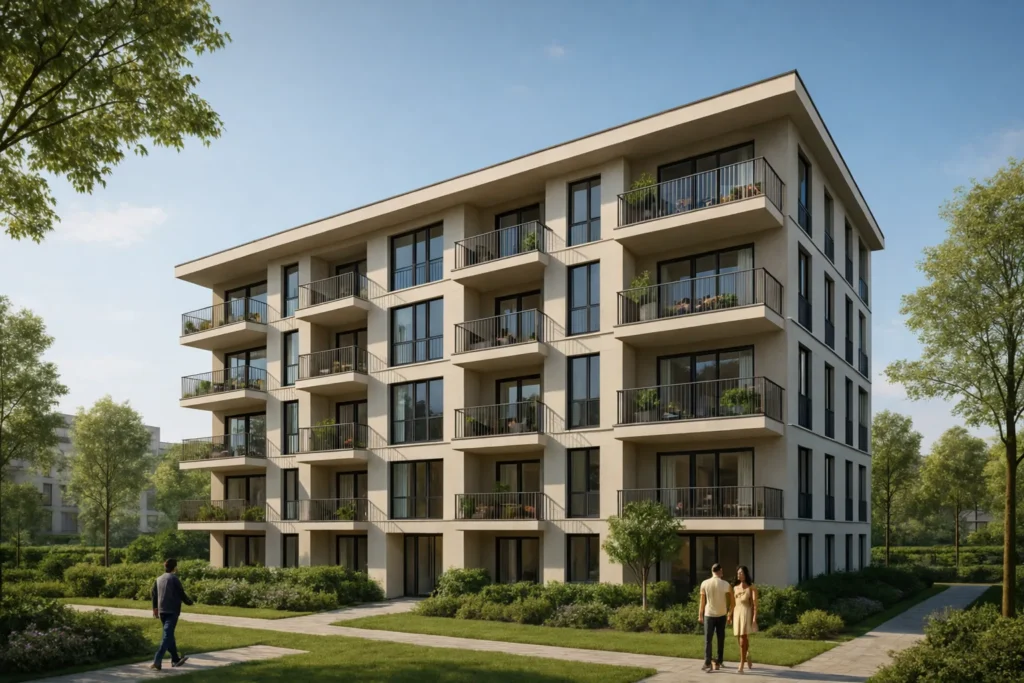
Once you know the type of rendering you need, reviewing a studio’s portfolio becomes the next step. A strong portfolio not only demonstrates technical skill but also creativity and an understanding of design principles. Studios with diverse completed projects show that they can adapt to different architectural styles, whether it is a modern residential home, a commercial office building, or a luxurious hotel interior. Examining past work allows you to evaluate realism, lighting, texture quality, and attention to detail. A high-quality portfolio reflects the studio’s ability to translate design concepts into visuals that are not only accurate but visually compelling. Assessing previous projects helps set realistic expectations for your own work and ensures the studio can meet your specific requirements.
Tools and Software for Quality Renders
Software and Technology
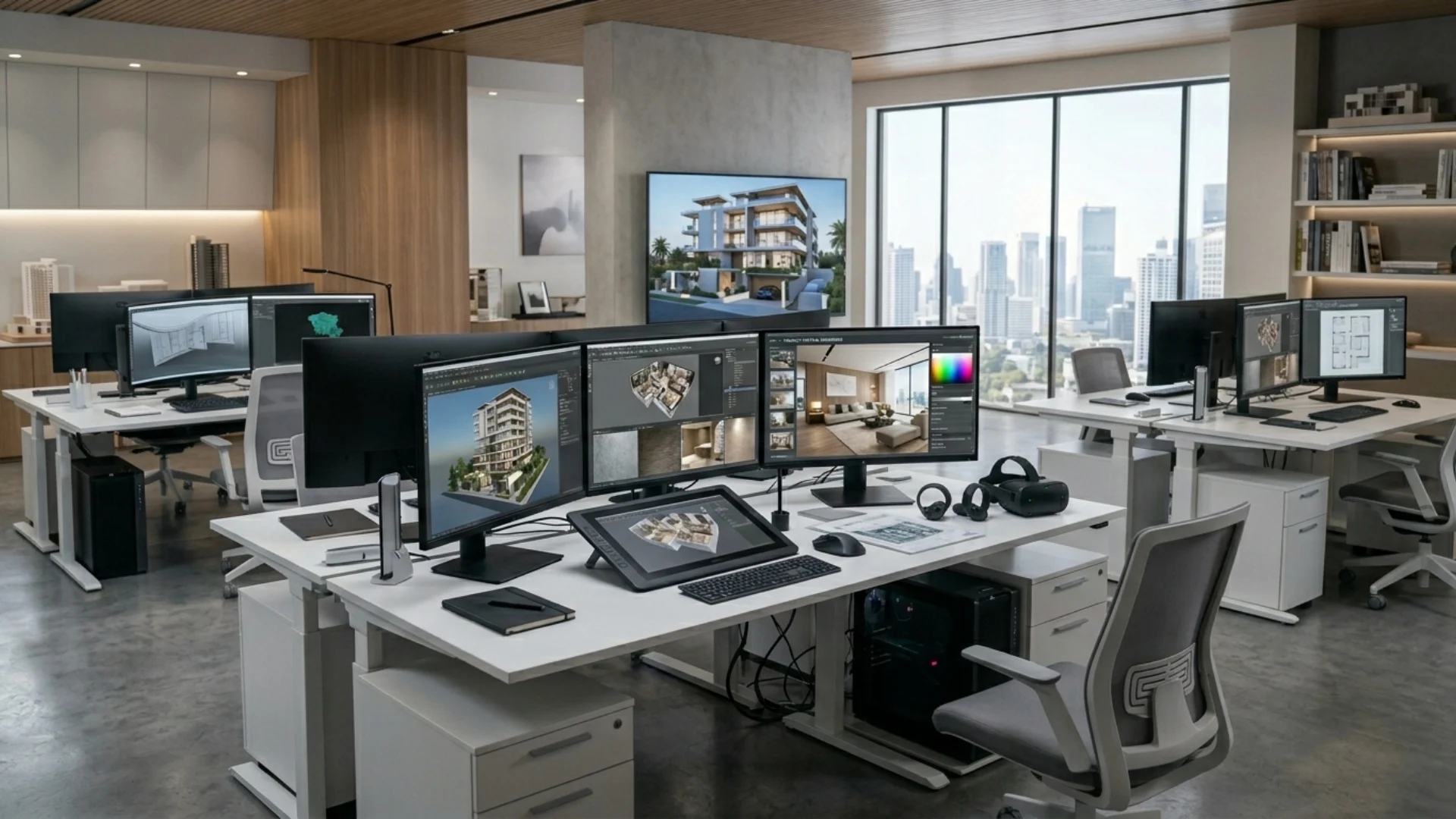
The choice of tools and software also plays a significant role in the quality of architectural rendering services. Professional studios often use advanced programs such as 3ds Max, V-Ray, Corona, Blender, or Unreal Engine. These tools allow for precise control over lighting, materials, and textures, resulting in highly realistic visuals. The software used affects not only the appearance of the renders but also the flexibility to make changes, simulate natural light, and create interactive walkthroughs or animations. While the tools themselves do not guarantee quality, they reflect the studio’s commitment to professional-grade outputs and technical proficiency. Learn more about rendering tools on Autodesk.
Communication and Collaboration
Communication and collaboration are equally important when selecting a rendering provider. Clear dialogue ensures that your vision is accurately translated into the final visuals. A professional studio will take the time to understand your project, ask detailed questions, and provide updates throughout the process. They should be open to feedback and revisions, working with you to refine the renders until they meet your expectations. Understanding how the studio manages feedback and revisions is crucial to avoid misunderstandings and ensure that your project progresses smoothly. A collaborative approach allows designers to maintain control over their vision while benefiting from the studio’s technical expertise and creative insights.
Timelines and Delivery
Timelines are another essential factor to consider. Knowing how long it will take to receive the initial renders, complete revisions, and deliver final outputs allows for effective project planning. Some studios prioritize speed, while others may focus on creating highly detailed, photorealistic outputs that take longer to produce. Clarifying delivery timelines upfront helps prevent delays in client presentations or marketing campaigns and ensures that your project schedule stays on track. Architectural rendering services that can balance speed and quality offer the most value for your investment.
Budget Considerations
Budget considerations cannot be ignored. The cost of architectural rendering services varies depending on the complexity of the project, the type of renderings, and the level of detail required. Studios may charge per image, per animation, or offer package deals, and it is important to understand what is included in the pricing. Transparency in pricing allows you to compare multiple providers and choose the one that offers the best combination of quality and cost-effectiveness. While it may be tempting to choose the lowest price, it is important to prioritize quality because subpar renders can misrepresent your design and impact client perception. A reliable studio will provide a clear estimate, outlining all costs and potential additional charges, giving you confidence in the investment.
Post-Delivery Support
Support after delivery is another aspect to consider. Some studios offer assistance even after the final renders are delivered, including file format conversions, minor edits, or additional images if needed. This ongoing support can be valuable, particularly if you require further visuals for client presentations, marketing materials, or design adjustments. Asking about post-delivery support ensures that you can continue to benefit from the renders beyond the initial project and maintain consistency in your presentation materials.
Understanding a Studio’s Unique Strengths
Another important question to ask is what sets the studio apart from other providers. Studios may differentiate themselves through specialized expertise, faster delivery, unique rendering techniques, or additional services like material consultation or landscape integration. Understanding these unique strengths allows you to align your project requirements with a studio that offers the most relevant expertise. Knowing what makes a studio different can also help you assess whether their style and approach match your design vision, ensuring a smoother collaboration and higher-quality results.
File Delivery Methods
File delivery methods are also crucial. Final renders can be delivered in formats such as JPEG, PNG, MP4, or 3D model files. Ensuring that the studio provides clear organization, easy access, and proper formats helps you integrate the visuals seamlessly into presentations, client meetings, or marketing campaigns. Confirming delivery methods in advance avoids delays and ensures that the assets are readily usable for your project’s needs. Architectural rendering services that provide professional file management simplify the process and enhance the overall client experience.
Client Testimonials and Case Studies
Client testimonials and case studies offer additional insight into the studio’s capabilities. Positive reviews from previous clients demonstrate reliability, professionalism, and consistent quality. Case studies provide examples of how studios have tackled similar projects, including challenges faced and solutions delivered. These insights give you confidence in your decision and help you understand what to expect in terms of service quality, communication, and results. You can also explore industry insights on ArchDaily.
Comparing Multiple Studios
When shortlisting multiple studios, it is helpful to compare them across several key criteria. Portfolio quality, technical proficiency, communication style, attention to detail, timeline adherence, pricing transparency, and client feedback are all factors that influence the final outcome of your project. Preparing a list of questions that covers all of these areas allows you to make an informed choice and select a studio that can deliver high-quality visuals while providing a smooth, professional experience.
The Value of High-Quality Rendering
High-quality architectural rendering services provide more than just images; they bridge the gap between concept and reality. They allow clients, stakeholders, and design teams to experience a project before construction begins, ensuring clarity, accuracy, and satisfaction. From interior layouts to exterior designs and landscaping, professional renders convey the story of your project in a visually compelling way.
Making the Right Choice
Investing in architectural rendering services is an investment in the success of your project. By asking the right questions regarding service types, portfolio quality, software tools, revisions, timelines, pricing, post-delivery support, file formats, and client feedback, you ensure that you select a studio that aligns with your design vision. Explore more here: 3D Visualization Services.
Conclusion: Confidence in Your Decision
Ultimately, the right architectural rendering services turn concepts into visuals that communicate design intent with precision and style. By carefully considering the studio’s expertise, communication practices, delivery timelines, and client reputation, you can choose a partner that will produce high-quality, realistic visuals and support your project every step of the way. This attention to detail ensures your design is understood, appreciated, and approved with confidence. In a competitive market, professional renders can make your project stand out, help secure approvals faster, and present your design in the most compelling way possible.