
Why Every Architect Needs a Reliable 3D Visualization Service Provider
Introduction
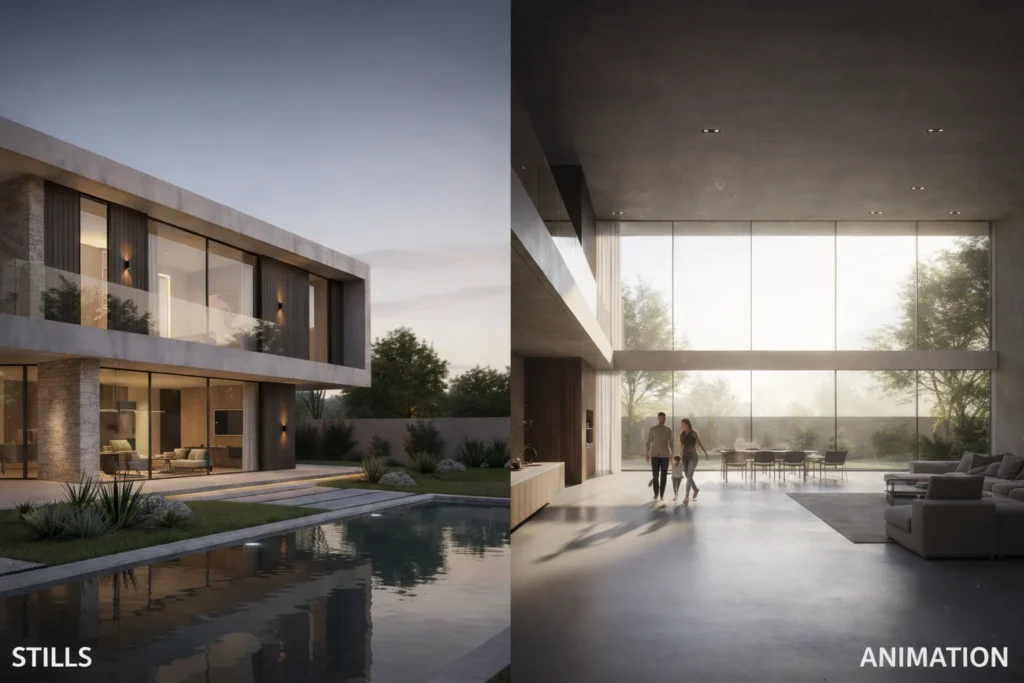
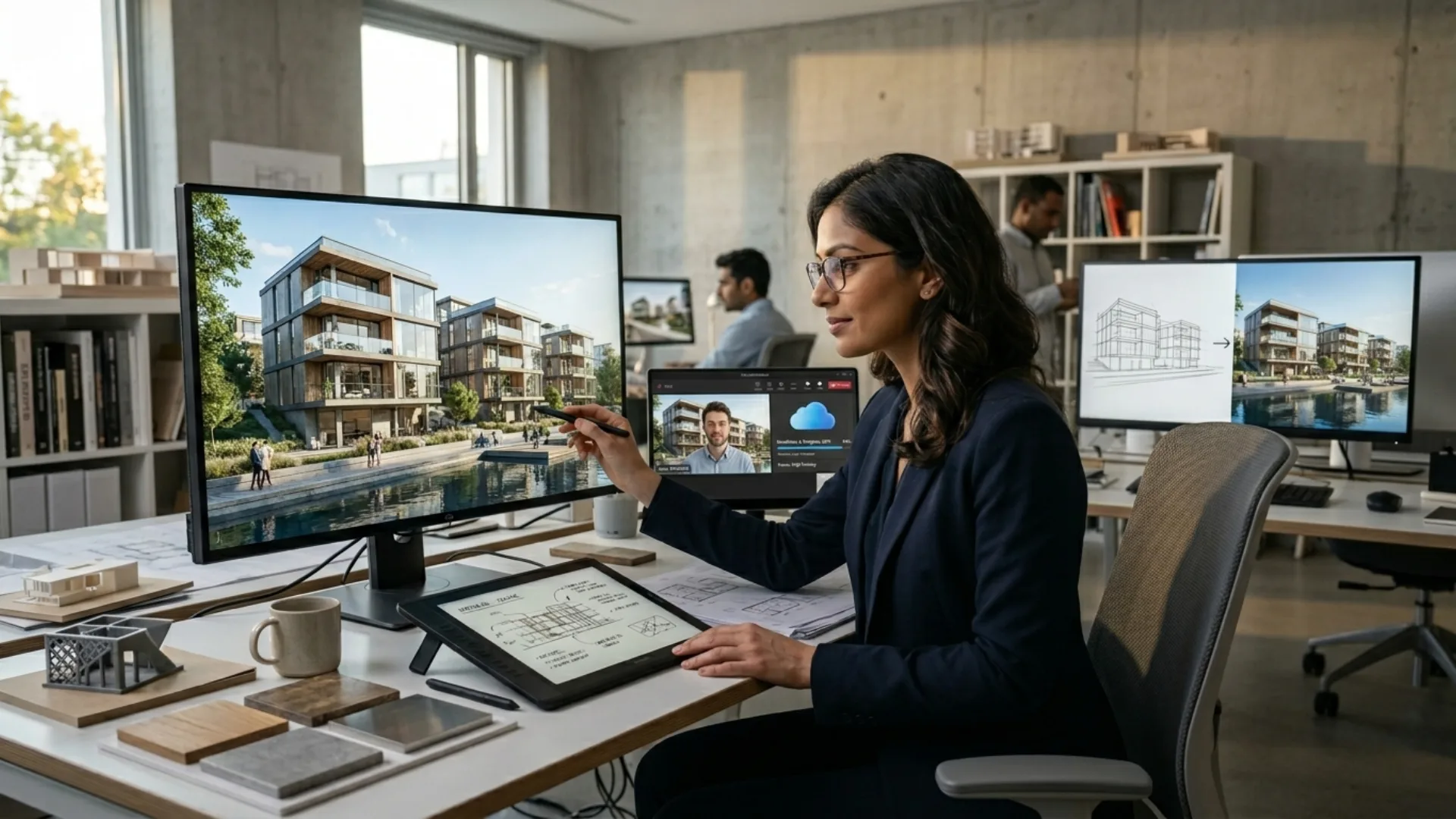
A 3d visualizer is an essential tool for architects who want to communicate their ideas clearly and effectively. In today’s competitive architectural industry, clients expect to see realistic previews of projects before construction begins. Traditional 2D drawings and sketches often fall short in conveying spatial relationships, material finishes, and lighting effects, making it challenging for clients and stakeholders to visualize the final outcome. By working with a 3d visualizer, architects can transform complex plans into photorealistic images and immersive walkthroughs, creating a bridge between imagination and reality. These visuals not only enhance client understanding but also help architects make informed design decisions early in the project.
Making Designs Understandable for Clients
Clear Visual Communication
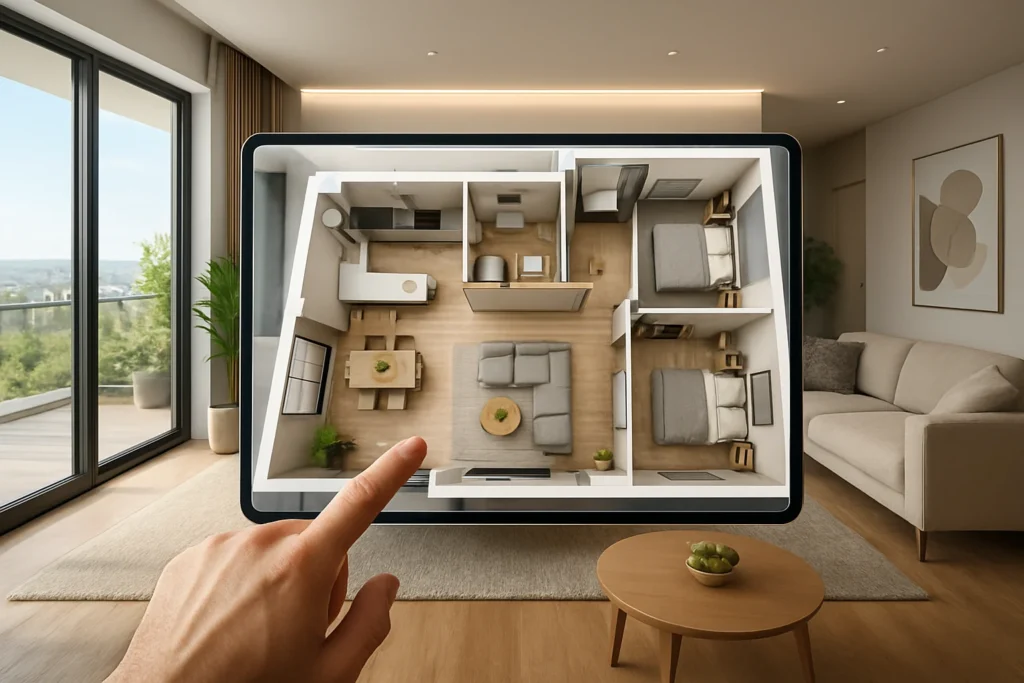
Using a 3d visualizer allows architects to present designs in a way that clients can easily interpret. Many clients struggle to understand technical drawings, and miscommunication can lead to delays, revisions, or dissatisfaction. Realistic renderings provide a visual representation of spaces, making it easier for clients to see layouts, furniture arrangements, and materials in context. This clarity builds confidence in the architect’s expertise and encourages meaningful feedback. When clients can experience the project digitally, they are more likely to approve the design and trust the architect’s recommendations, ensuring smoother project execution.
Improving Team Collaboration
Better Coordination Across Teams
Internal collaboration within architectural teams also improves significantly when a 3d visualizer is involved. Architects, engineers, interior designers, and project managers often need to coordinate closely to bring a project to life. Rendered visuals act as a universal language that helps all team members understand the design intent. Misinterpretations are minimized, and potential issues can be addressed in the planning stage rather than during construction. By aligning everyone on the same visual reference, teams can save time, reduce errors, and maintain consistency throughout the project.
Detecting Errors Before Construction
Preventing Costly Mistakes
One of the most significant benefits of using a 3d visualizer is the ability to detect errors before construction begins. Digital models allow architects to see potential clashes, alignment issues, or design flaws that may not be obvious in 2D plans. For example, furniture placement, lighting effects, and material textures can be tested and adjusted digitally to ensure accuracy. This proactive approach prevents costly mistakes, reduces project delays, and improves overall efficiency. Clients also gain peace of mind knowing that the design has been thoroughly vetted before implementation, which enhances satisfaction and trust.
Supporting Faster Decision-Making
Speeding Up Approvals
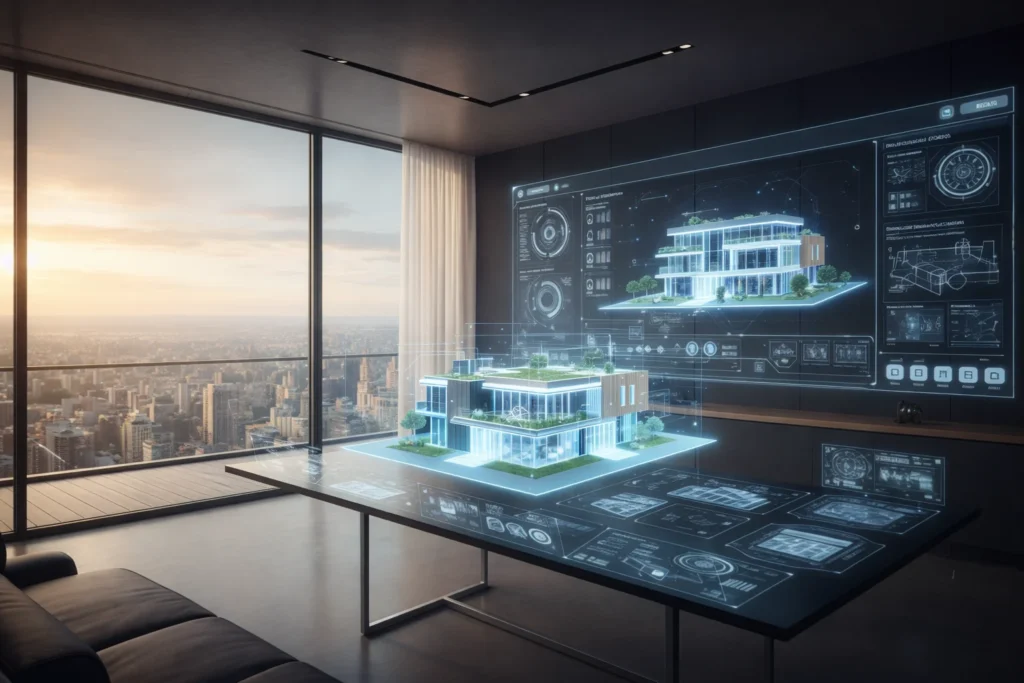
A 3d visualizer helps architects make faster decisions as well. Clients can view multiple design options quickly, compare materials and layouts, and provide immediate feedback. This speed reduces the back-and-forth communication that often slows down projects. With visual clarity, clients are more confident in making choices, and architects can maintain timelines more effectively. Faster decision-making also allows firms to take on more projects and improve overall productivity, strengthening their position in a competitive market.
Elevating Presentations
Professional Visual Impact
Professional presentations are another area where a 3d visualizer adds immense value. Rendered visuals elevate architectural proposals, client meetings, and portfolio showcases. Instead of relying on hand sketches or incomplete images, architects can present photorealistic renderings that highlight the design’s potential and demonstrate expertise. Clients and stakeholders respond better to visuals that are immersive and detailed, which increases approval rates and reinforces the firm’s reputation. High-quality visualizations also make presentations more engaging, helping architects stand out from competitors.
Enhancing Marketing and Brand Presence
Stronger Online Visibility
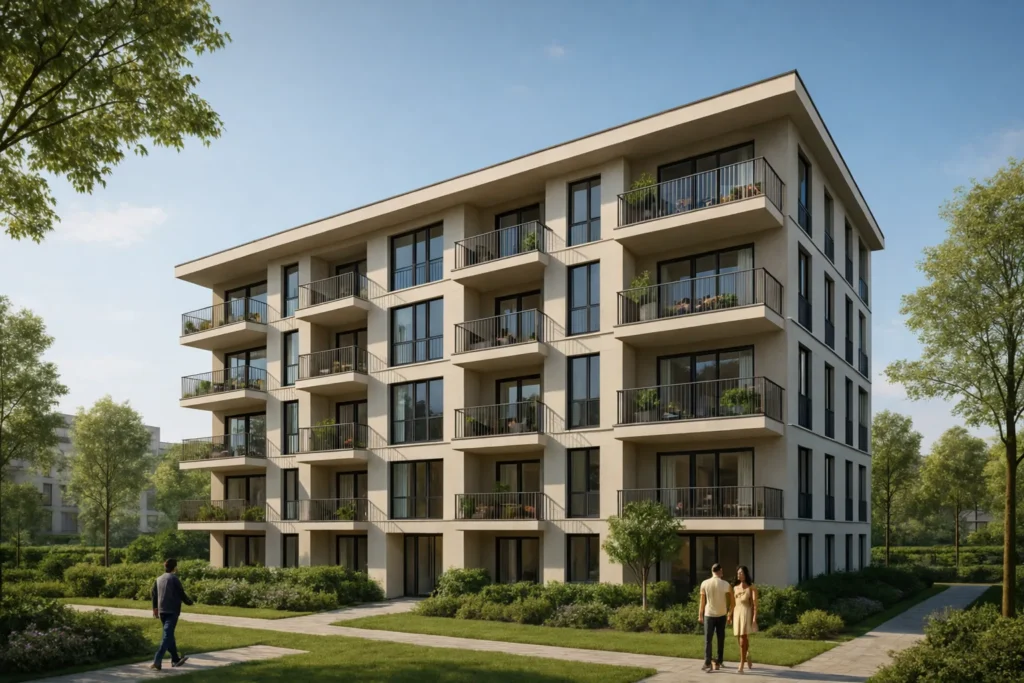
Marketing and branding benefit greatly from working with a 3d visualizer. Realistic renderings can be featured on websites, social media, brochures, and portfolios to attract potential clients. By showcasing projects with photorealistic images, architects convey professionalism, attention to detail, and design capabilities. These visuals serve as powerful marketing tools, helping firms build credibility and establish a strong presence in the industry. Unlike traditional photography, which may only capture completed work, 3d visualizations allow architects to showcase ideas even before construction begins, giving a preview that generates interest and excitement. Learn more about design inspiration on ArchDaily and Dezeen.
Facilitating Collaboration with Stakeholders
Seamless External Communication
Collaboration with external stakeholders becomes much more efficient when a 3d visualizer is involved. Contractors, consultants, and suppliers can reference detailed digital models to understand the architect’s intent, reducing misunderstandings and errors during construction. This shared understanding ensures that the project is executed accurately and according to plan.
Exploring Multiple Design Options
Design Flexibility
Flexibility is another benefit of using a 3d visualizer. Architects can explore multiple design options quickly and efficiently. Different layouts, materials, and lighting schemes can be tested digitally without committing to a single solution. Clients can review variations and select the option that best fits their vision and budget.
Creating Emotional Impact
Engaging Client Experience
The emotional impact of realistic renderings should not be underestimated. When clients can see a virtual representation of a project, they feel connected to the space and can imagine themselves within it.
Supporting Planning and Resource Management
Efficient Project Planning
Better planning and resource management are additional advantages of using a 3d visualizer. By visualizing every detail in advance, architects can estimate material quantities, costs, and timelines more accurately.
Strengthening Proposals and Presentations
Compelling Storytelling
Digital presentations are strengthened by the work of a 3d visualizer. Architects can create compelling stories that show the design journey, from concept to reality.
Improving Accessibility and Convenience
Easy Sharing and Collaboration
Accessibility is another benefit of working with a 3d visualizer. Digital renderings can be shared easily via email, cloud platforms, or presentations, allowing clients and teams to review projects anytime and from anywhere.
Building Reputation and Long-Term Growth
Sustainable Business Growth
A reliable 3d visualizer also contributes to long-term growth and reputation for architectural firms. Renderings created for one project can be used in portfolios, marketing campaigns, and presentations for future projects.
Conclusion: A Strategic Partner for Architects
In summary, a 3d visualizer is a vital partner for architects seeking clarity, efficiency, and client satisfaction. Realistic visualizations improve communication, reduce mistakes, enhance presentations, support marketing efforts, and facilitate collaboration with stakeholders. Architects who invest in reliable 3d visualization services gain the ability to convey their ideas clearly, connect with clients emotionally, and execute projects more smoothly. This not only increases client trust and approval but also positions the firm for growth and long-term success. Investing in a skilled 3d visualizer is a practical and strategic choice that benefits every stage of the architectural process.
Explore more:
3D Visualization Services |
Architectural Rendering Company