
How Architectural Rendering Services Improve Design Accuracy
Introduction
Architectural rendering services play a major role in helping architects, designers, and builders create designs that are accurate, clear, and easy to understand. In today’s construction and design world, even small errors in planning can lead to costly changes later. That is why visual design tools have become an important part of modern architecture. Instead of relying only on technical drawings, professionals now use realistic digital visuals to see how a project will look and function before construction begins. This approach improves design accuracy, reduces confusion, and helps everyone involved make better decisions from the start.
Why Design Accuracy Matters More Than Ever
Design accuracy is the foundation of a successful architectural project. When plans are unclear or misunderstood, problems often show up during construction, where changes are expensive and time-consuming. Traditional blueprints and 2D drawings are useful, but they require technical knowledge to interpret correctly. Many clients and even some team members struggle to fully understand them.
Architectural rendering services help bridge this gap by transforming complex plans into visuals that feel realistic and easy to interpret. These visuals help identify issues early, align expectations, and bring confidence to every stage of the project.
What Visual Design Tools Bring to Modern Architecture
In the past, architectural planning depended heavily on hand-drawn sketches and technical drawings. While these methods still have value, they often leave room for interpretation. Architectural rendering services add clarity by showing spaces, materials, and proportions in a realistic way.
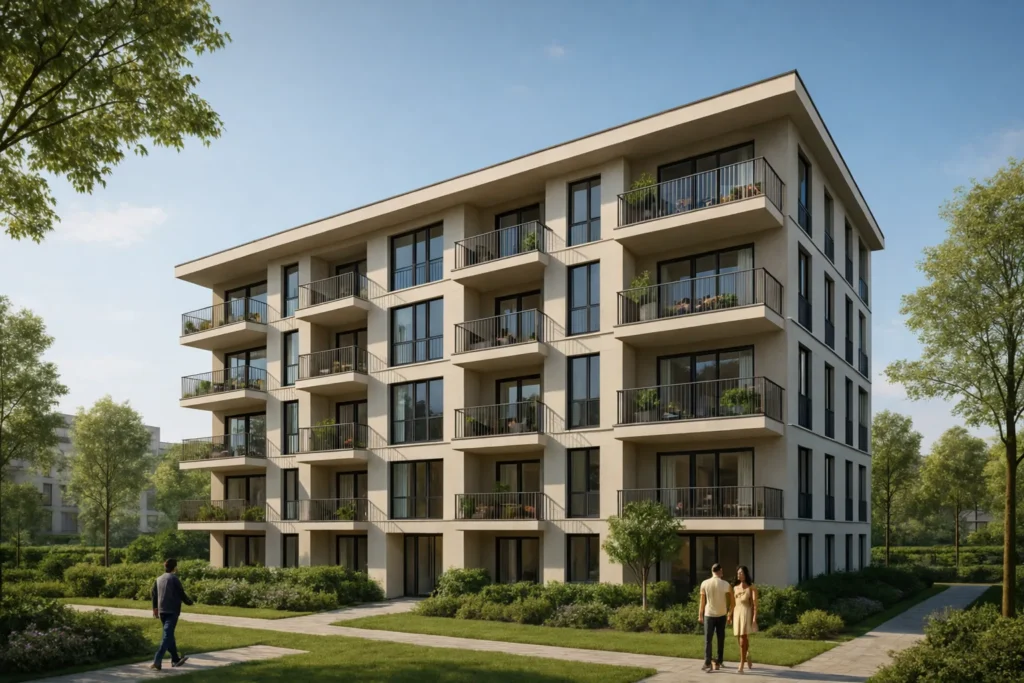
Through 3D visualization and digital modeling, designers can present a complete picture of the project. Walls, windows, lighting, textures, and furniture can all be seen together. Architectural rendering services allow decisions to be based on how the design actually looks, not just how it appears on paper.
Seeing the Design as It Will Exist in Real Life
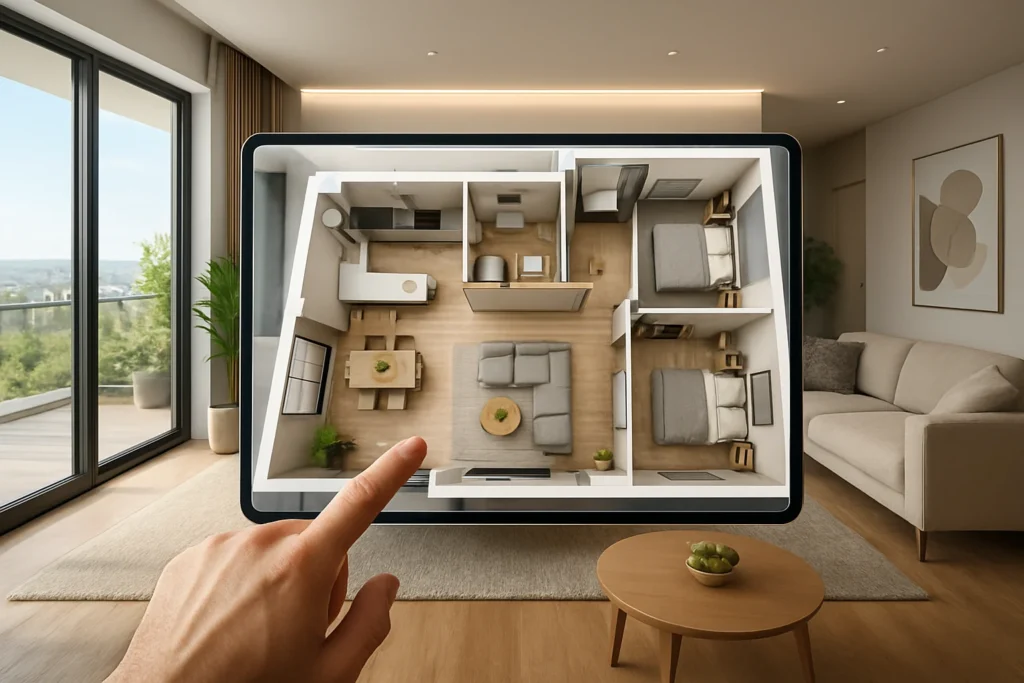
One of the biggest advantages of Architectural rendering services is the ability to view designs as they will appear once built. Flat drawings often fail to show depth, scale, and spatial relationships clearly, while digital visuals present real-world perspectives.
With accurate proportions and detailed elements, architects can evaluate room sizes, ceiling heights, and circulation paths. Architectural rendering services also make it easier to study lighting behavior throughout the space before construction begins.
Better Understanding for Clients and Non-Technical Viewers
Not everyone involved in a project has architectural training. Clients, investors, and stakeholders often rely on explanations from designers to understand plans, which can lead to confusion or incorrect assumptions.
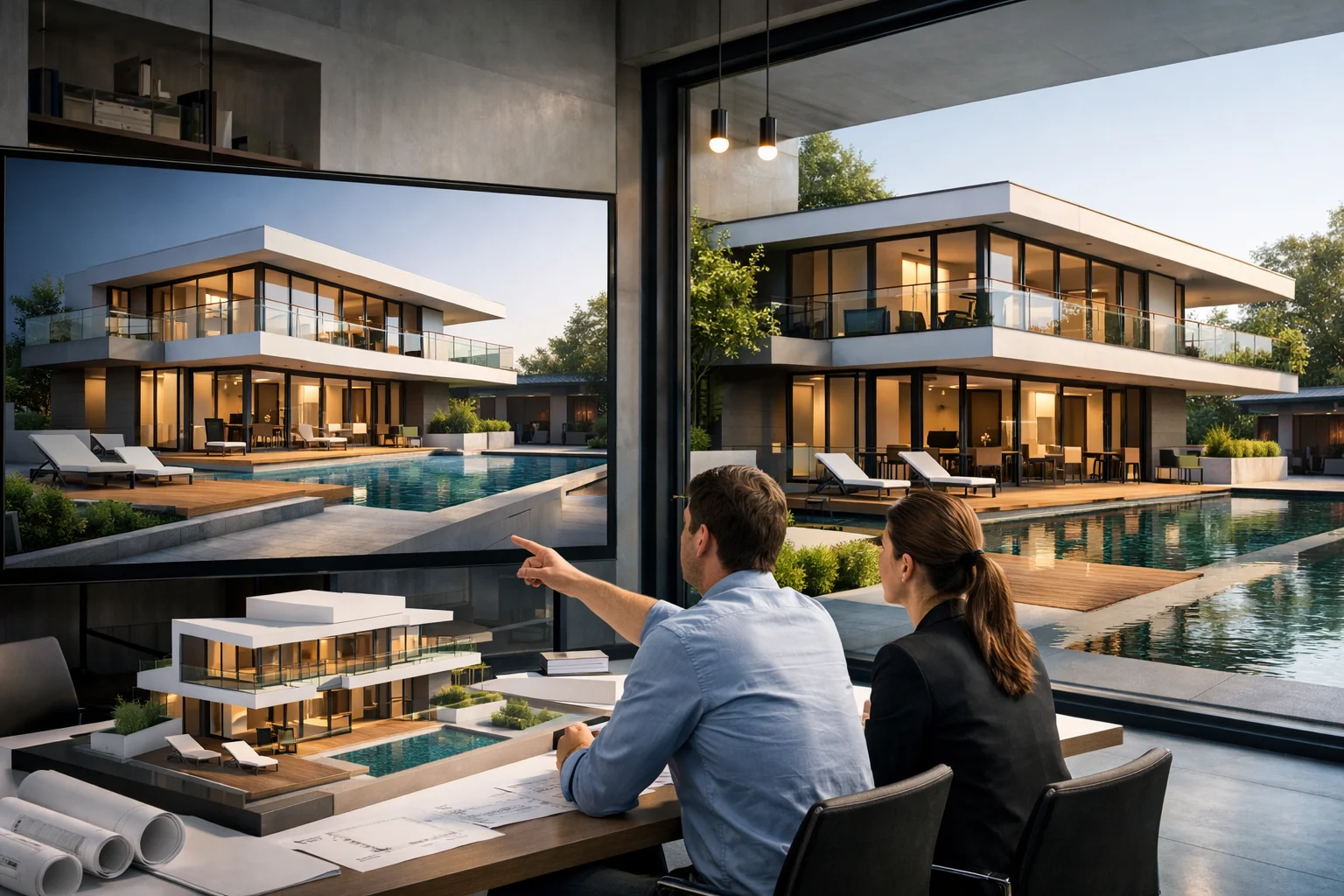
Architectural rendering services simplify communication by visually presenting layouts, finishes, and spatial flow. This improves client confidence and reduces last-minute revisions caused by misunderstandings.
Reducing Errors Before Construction Begins
Construction errors often result from unclear or incomplete design details. When drawings are interpreted differently, mistakes become costly. Architectural rendering services reduce these risks by offering a clear visual reference for all teams.
By reviewing detailed visuals early, clashes between layouts, structures, and materials can be resolved before work begins. Architectural rendering services save time, money, and on-site corrections.
Improving Collaboration Across the Project Team
Architectural projects involve architects, engineers, interior designers, and contractors, each working with different priorities. Architectural rendering services help unify these perspectives by offering a shared visual reference.
When teams collaborate using the same visual model, coordination improves, questions are resolved faster, and project delays are minimized.
Helping Designers Test Ideas and Alternatives
Design exploration is essential to achieving the best outcome. Architectural rendering services allow designers to test layouts, materials, and lighting variations efficiently.
By comparing multiple options visually, designers and clients can select solutions that balance aesthetics and functionality with greater accuracy.
Supporting Accurate Material and Color Choices
Materials and colors behave differently depending on lighting and surrounding elements. Architectural rendering services display these choices in realistic environments, reducing uncertainty.
This ensures that final material selections match expectations and prevents disappointment after project completion.
Improving Approval and Decision-Making Speed
Approval delays often occur when stakeholders struggle to understand design intent. Architectural rendering services speed up approvals by presenting clear and realistic visuals.
When decision-makers see exactly what they are approving, feedback is faster and project timelines stay on track.
Using Technology to Improve Accuracy Further
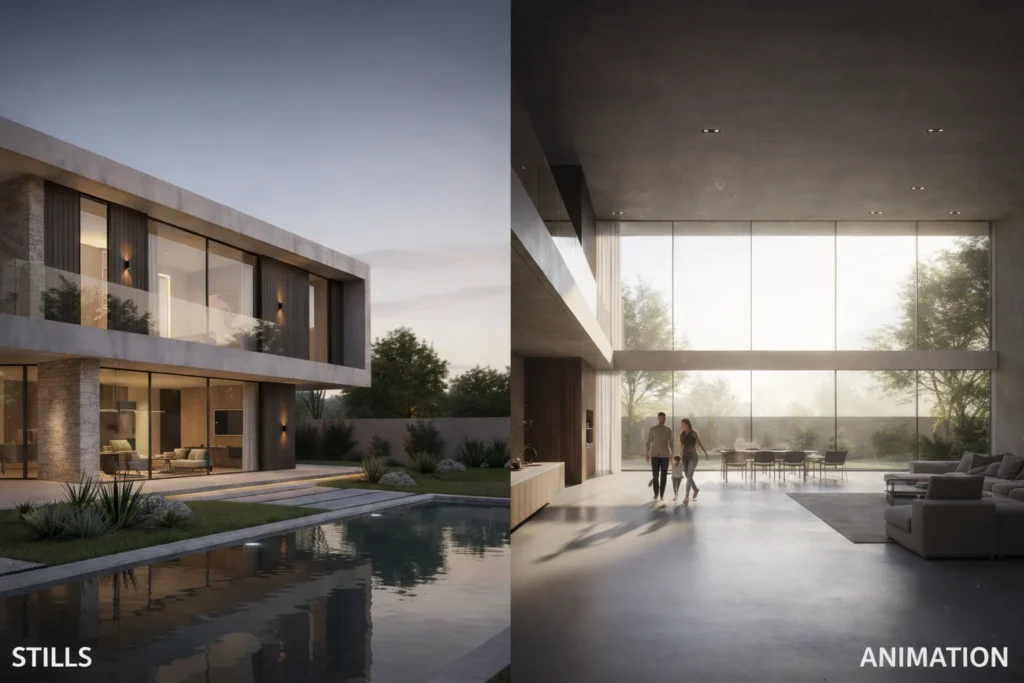
Advanced visualization tools such as virtual walkthroughs enhance the value of Architectural rendering services by allowing users to experience spaces before they are built.
To understand the fundamentals behind this process, you can explore this detailed overview of
architectural rendering.
Common Design Issues That Visuals Help Prevent
Incorrect scale, poor lighting placement, and awkward layouts are common issues that Architectural rendering services help identify early.
By acting as a visual quality check, these tools ensure designs work in real-world conditions.
When Professional Visualization Support Makes Sense
Complex projects often require expert input. Architectural rendering services provided by professionals ensure visuals are both realistic and technically accurate.
This precision is critical for large-scale or high-value projects where even small errors can be costly.
Long-Term Benefits of Accurate Visual Planning
Architectural rendering services support smarter planning decisions that lead to better-performing buildings and higher user satisfaction.
Projects developed with accurate visuals are more likely to meet expectations and maintain long-term value.
Conclusion
Architectural rendering services improve design accuracy by turning ideas into realistic visuals that everyone can understand. They reduce errors, strengthen communication, and support informed decision-making throughout the project lifecycle.
By investing in accurate visual planning, design teams can ensure successful outcomes that align with the original vision and perform effectively in the real world.