
Case Study: How 3D Architectural Renders Helped Sell 20 Units Off-Plan
Introduction
Selling properties before construction begins is never easy. Buyers want to see, feel, and emotionally connect with a space before making a financial commitment. When a residential developer planned to launch an off-plan project, they faced this exact challenge. This case study explains how 3d architectural rendering helped overcome buyer hesitation and successfully sell 20 residential units before construction even started.
By using realistic visuals, emotional storytelling, and smart digital presentation, the developer created confidence among buyers. The project became a clear example of how architectural visualization 3d can transform off-plan sales when executed with strategy and precision.
Understanding the Project and Buyer Hesitation
The project was a mid-sized residential development designed for modern urban living. While the layouts were functional and pricing was competitive, buyers struggled to imagine the finished homes. Traditional 2D drawings failed to communicate the sense of space, lighting, and material quality.
Potential customers repeatedly asked how the interiors would feel in real life, how sunlight would enter the rooms, and whether the spaces would look as premium as promised. To bridge this gap, the developer collaborated with an experienced architecture designer and a visualization team specializing in 3d architectural rendering.
The goal was to create visuals that felt real enough to replace a physical site visit.
From Floor Plans to Lifelike Visuals
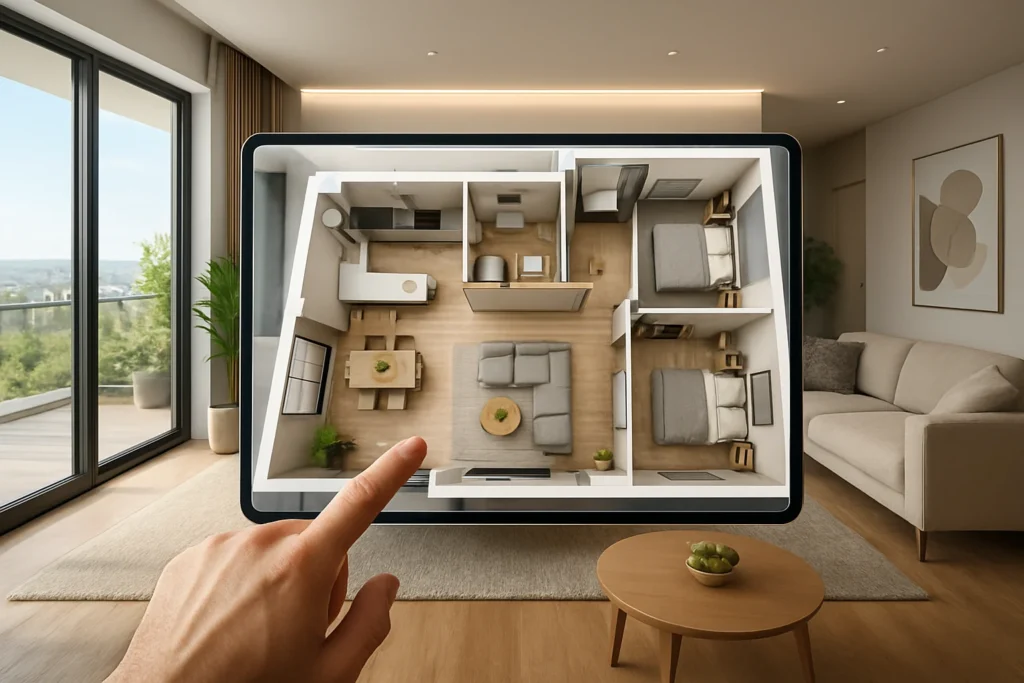
The process began with accurate 3D floor layouts that clearly defined room proportions and movement flow. Once approved, the team developed detailed interior and exterior scenes using architectural visualization 3d techniques.
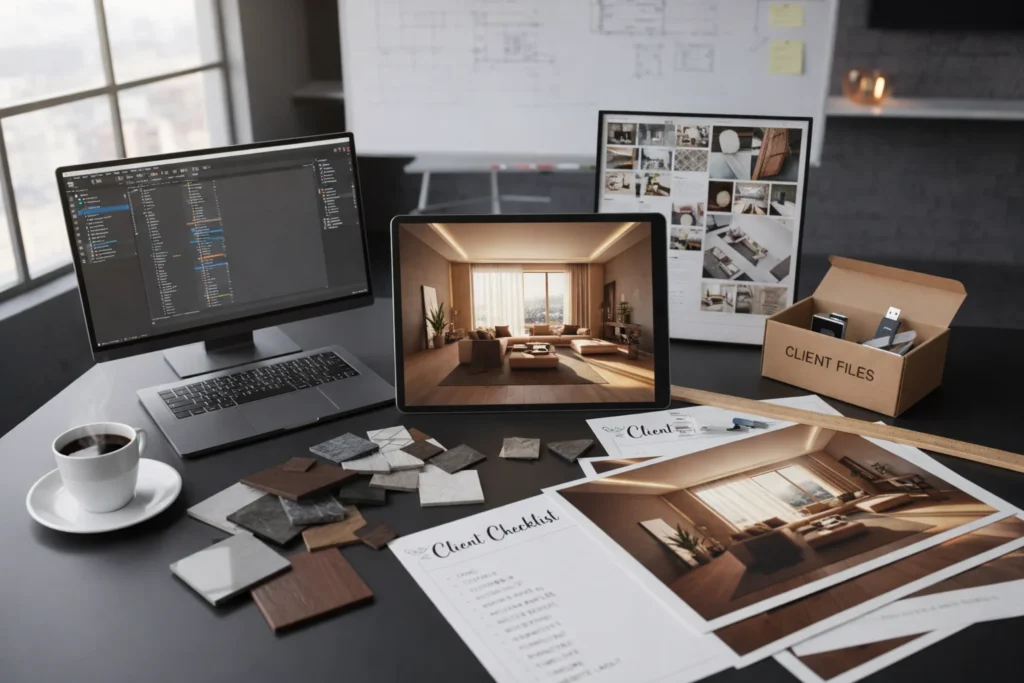
Instead of focusing only on aesthetics, every render was grounded in practicality. Materials, textures, lighting angles, and colors matched the actual specifications planned for construction. This ensured that buyers were seeing a realistic representation rather than an exaggerated concept.
The architecture designer played a key role in maintaining this balance between visual appeal and build feasibility.
Interior Renders That Built Trust
Interior visualization became the strongest sales tool. High-quality 3d architectural rendering helped buyers understand how each room would function in daily life. Living rooms appeared spacious and welcoming, bedrooms felt calm and comfortable, and kitchens showcased both design and usability.
Rather than overwhelming visitors with multiple image styles, the visuals followed a consistent design language. This consistency strengthened the project’s identity and made the presentation feel professional and trustworthy.
Buyers no longer had to imagine their future home—the visuals allowed them to experience it.
Using Visual Storytelling to Create Emotional Connection
Instead of displaying single, disconnected images, the team created visual sequences that told a story. These sequences showed how spaces would look at different times of the day and how residents might interact with them.
This approach helped buyers picture their daily routine within the home, such as:
- Morning sunlight filling the bedroom
- Relaxed evenings in the living room
- Quiet work moments in thoughtfully designed corners
Guided by the architecture designer, the team used architectural visualization 3d to focus on lifestyle rather than just layout. This emotional connection played a major role in driving buyer confidence.
Exterior Visualization and First Impressions
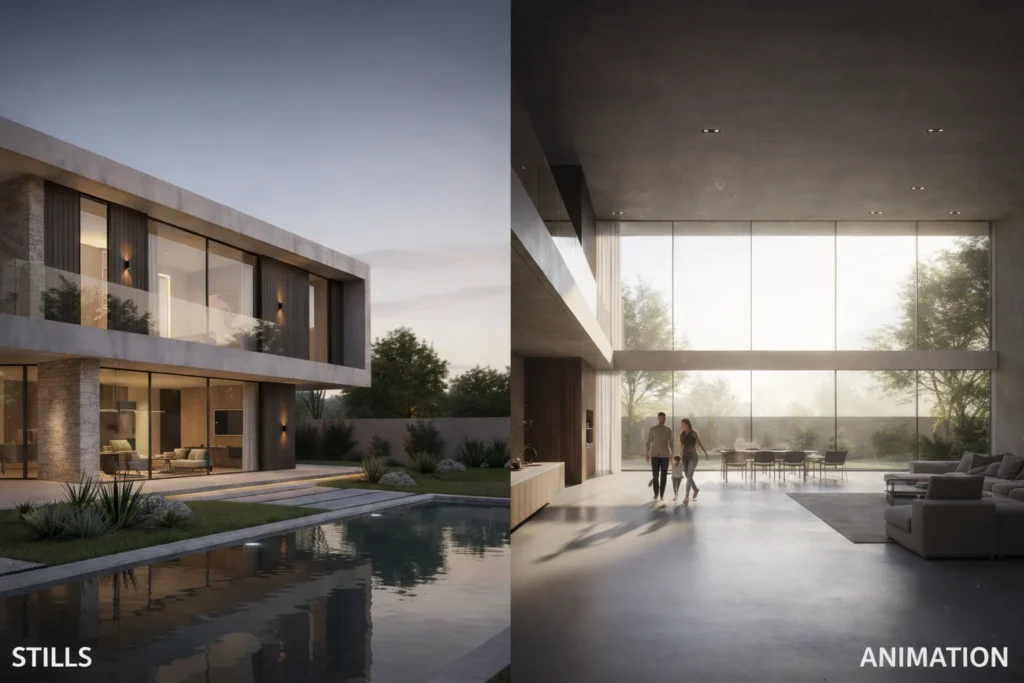
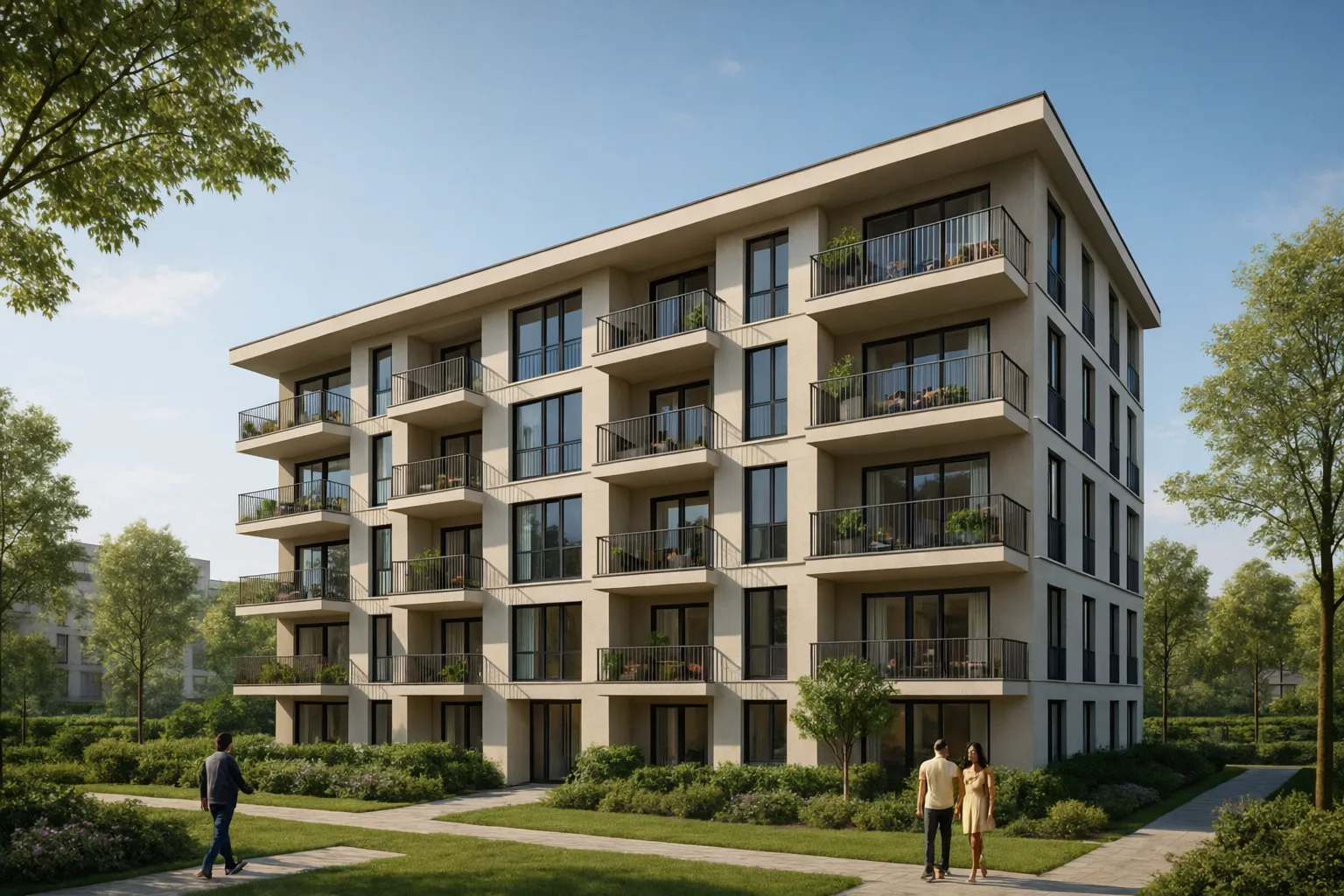
Exterior visuals were designed to communicate scale, elegance, and neighborhood integration. Using 3d architectural rendering, the team showcased the building façade, entrance experience, balconies, and surrounding landscape.
These renders helped buyers understand how the project would look from the street and how it would blend with its environment. For off-plan buyers, this clarity reduced doubts and strengthened trust in the developer’s vision.
Exterior storytelling also reinforced the premium positioning of the project.
Digital Presentation and Online Reach
Once the renders were finalized, they were integrated into the project’s digital marketing strategy. The visuals were displayed across the website, landing pages, and advertising creatives through efficient WordPress development.
Each architectural visualization 3d image served a specific purpose within the buyer journey. Initial visuals attracted attention, while detailed interior shots built desire and confidence.
High-quality 3d architectural rendering made the digital presence of the project feel credible and engaging.
Supporting the Sales Team With Visual Tools
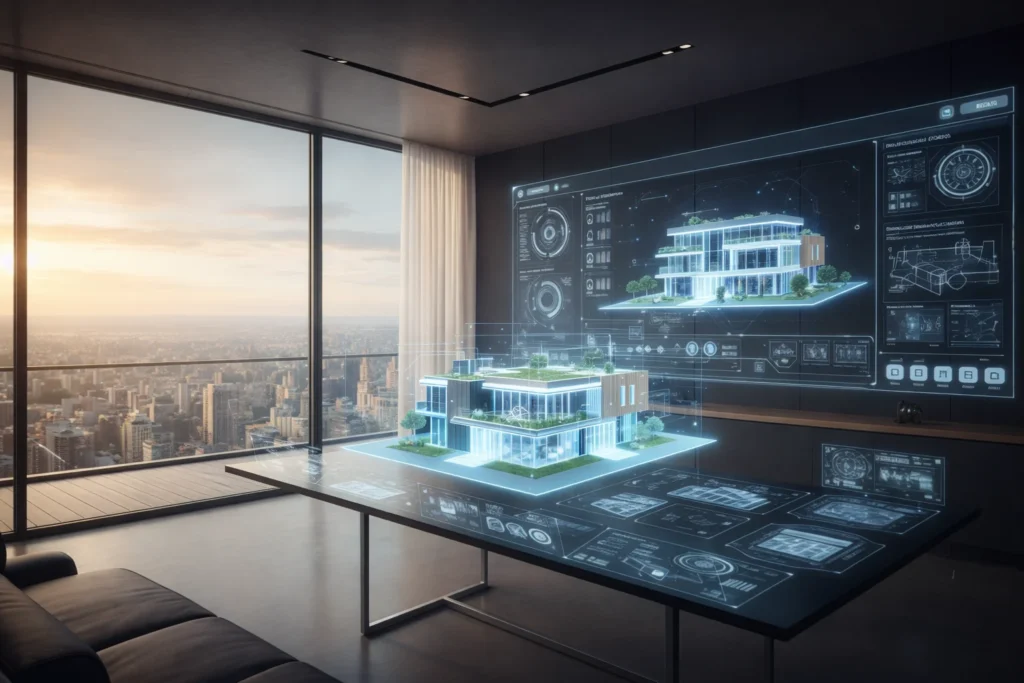
The renders also transformed the offline sales process. During site visits and meetings, sales executives presented the visuals on large screens. Buyers could zoom into details, understand furniture proportions, and explore layouts in depth.
Some buyers even requested small customizations after viewing the renders. This interactive experience, enabled by architectural visualization 3d, made them feel involved in the design process and more confident in their purchase decision.
The architecture designer ensured that all requested changes remained practical and aligned with the construction plan.
Offline Marketing Impact
High-resolution 3d architectural rendering was used for printed brochures and display boards at the sales office. Even at large sizes, the images maintained clarity and realism.
Visitors spent more time engaging with these visuals, discussing layout possibilities, and imagining daily life inside the homes. This deeper engagement increased the likelihood of bookings and improved overall conversion rates.
Results That Exceeded Expectations
Within two months of launching the campaign, the project saw a noticeable increase in inquiries. Buyers who were initially uncertain became confident after experiencing the clarity provided by architectural visualization 3d.
The project achieved a major milestone by selling 20 residential units entirely off-plan. The visuals made the project feel transparent, premium, and thoughtfully designed.
Why This Strategy Worked
This success was not accidental. It was the result of a well-planned visual strategy that combined:
- Realistic 3d architectural rendering
- Lifestyle-driven storytelling
- Collaboration with a skilled architecture designer
- Strong digital and offline presentation
Each element supported the other, creating a unified and believable buyer experience.
Conclusion
This case study clearly demonstrates how architectural visualization 3d has reshaped the way off-plan properties are sold. When buyers cannot visit a completed site, visuals become the experience.
Through carefully planned 3d architectural rendering, guided by an experienced architecture designer, the developer was able to replace uncertainty with confidence. From interior scenes to exterior storytelling, every visual helped buyers believe in a home that had not yet been built.
Selling 20 units off-plan became possible because the visuals felt real, honest, and emotionally engaging—proving that powerful visualization is no longer optional in modern real estate marketing.