
Role of 3D Visualizer in Modern Architectural Design

Introduction
3D visualization service provider has become a core part of modern architectural design as the industry shifts toward clarity, collaboration, and visual communication. Architecture today is not only about designing structures that stand strong but also about presenting ideas in a way that clients, investors, and stakeholders can clearly understand. With growing competition and rising expectations, visual representation now plays a major role in how architectural concepts are developed and approved.
Modern clients no longer want to imagine how a space might look by studying technical drawings alone. They want to see realistic images that reflect real-life scale, materials, lighting, and atmosphere. This change in mindset has pushed architects and designers to rely more on digital visualization throughout the design process. A skilled 3D visualization service provider helps transform abstract ideas into visuals that speak directly to the viewer, making architectural communication more effective than ever.
The evolution of architectural design communication
Architecture has always balanced creativity and technical accuracy. In earlier decades, hand-drawn sketches and 2D plans were enough to communicate ideas within professional circles. However, as projects became more complex and clients more involved, these methods began to show their limits. Not everyone can read floor plans or elevation drawings with ease. Today, architectural design is expected to be inclusive, clear, and transparent from the very first stage.
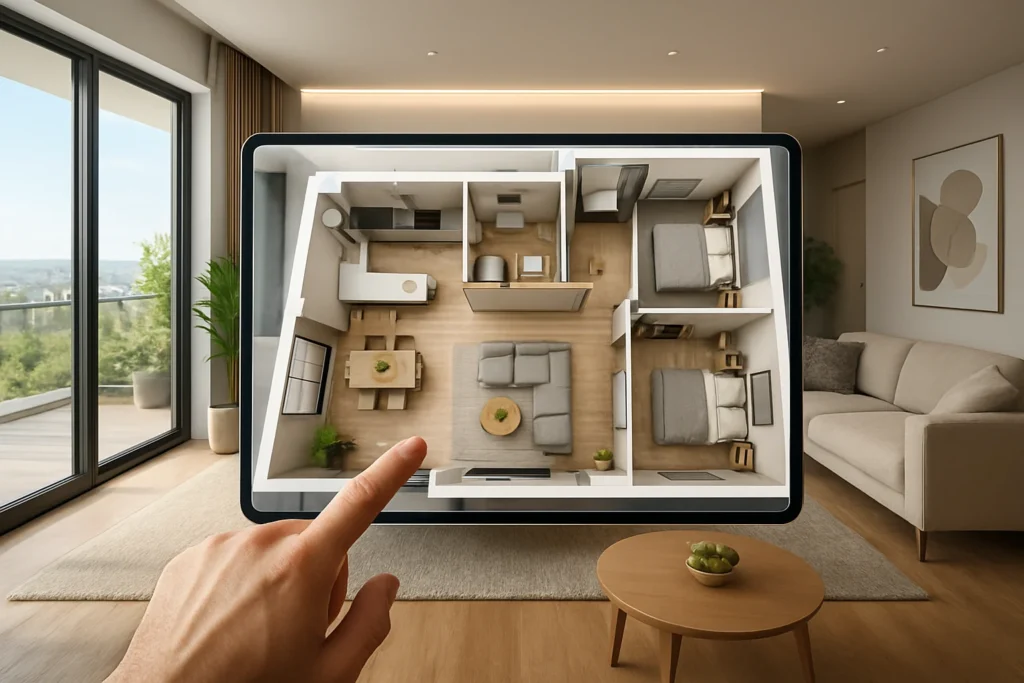
This is where digital visualization fits naturally into the process. By converting plans into three-dimensional views, architects can explain their ideas visually rather than verbally. A 3D visualization service provider supports this transition by creating detailed images that show how a building or interior will actually look once completed.
Understanding architectural 3D visualization
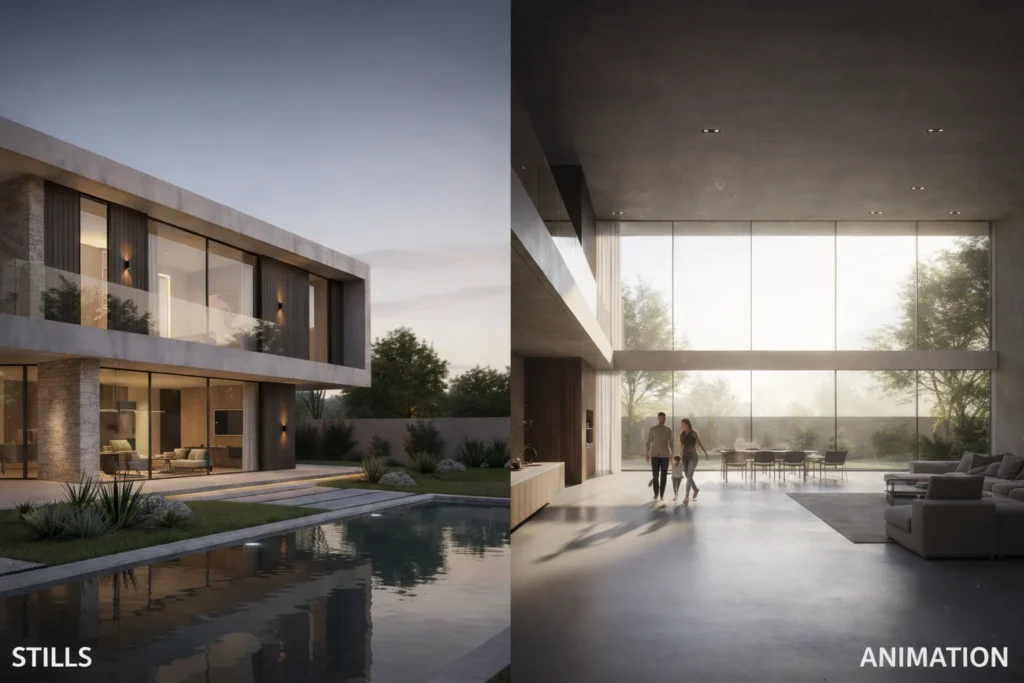
Architectural 3D visualization is the process of creating digital three-dimensional representations of buildings, interiors, landscapes, or urban spaces. These visuals can include still images, panoramic views, animations, and virtual walkthroughs. The goal is to present the design in a realistic and relatable way.
A professional 3D visualization service provider works closely with architectural drawings, material specifications, and design concepts to build accurate models. These visuals are not meant to replace architectural thinking but to support it by offering a clearer way to study and present the design before construction begins.
Turning concepts into understandable visuals
Architects often work with complex ideas involving form, scale, and spatial relationships. Explaining these ideas using words or flat drawings can be challenging, especially for non-technical clients. Visuals remove this barrier instantly. When clients see a realistic render, they immediately understand the design intent.
By working with a 3D visualization service provider, architects can ensure that their ideas are represented accurately and attractively. This helps clients feel confident about the project and reduces the chances of misunderstanding during later stages.
Improving collaboration across project teams
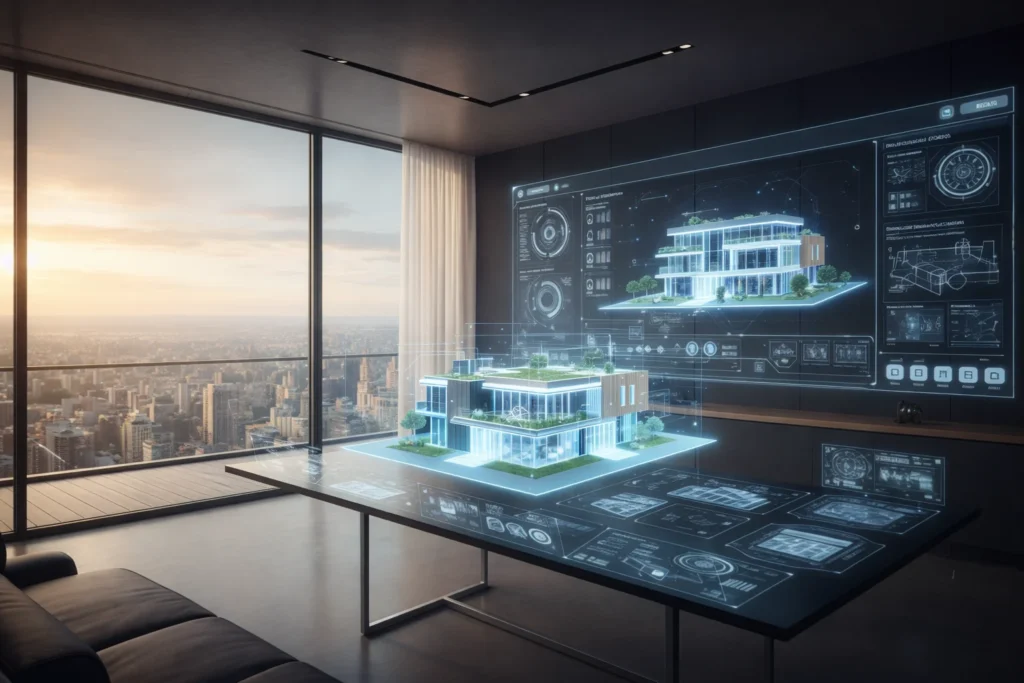
Architectural projects involve multiple professionals working together, including designers, engineers, contractors, and consultants. Clear communication between these teams is essential to avoid errors and delays. Shared 3D models act as a common reference point that everyone can understand.
A 3D visualization service provider helps create visuals that align all team members around the same design vision. When everyone is working from the same visual information, discussions become more productive and decisions are made with greater confidence.
Identifying design challenges early
One of the biggest advantages of 3D visualization is the ability to identify potential issues before construction starts. Proportion problems, awkward layouts, or material mismatches are easier to spot in a realistic model than in a 2D drawing.
With the help of a 3D visualization service provider, architects can review the design in detail and make improvements early. This reduces the risk of costly changes during construction and helps keep projects on schedule.
Supporting clear client feedback
Clients often know what they like or dislike but struggle to express it when looking at technical drawings. Realistic visuals encourage more specific and useful feedback. Clients can comment on lighting, colors, furniture placement, or overall mood with greater clarity.
A responsive 3D visualization service provider can quickly update visuals based on feedback, allowing the design to evolve smoothly. This collaborative approach strengthens the relationship between designers and clients.
Strengthening architectural presentations
Presentations are a critical part of the architectural process, whether for client approvals, investor pitches, or planning submissions. High-quality visuals help communicate the design story clearly and convincingly.
By working with a 3D visualization service provider, architects can present their projects with confidence. Realistic images and walkthroughs create a strong visual impact and help audiences connect with the design on an emotional level.
Virtual walkthroughs and immersive experiences
Beyond still images, many projects now include animated walkthroughs and interactive views. These tools allow viewers to explore a space from different angles and understand how it will feel to move through it.
A 3D visualization service provider creates these immersive experiences to help clients fully grasp the spatial qualities of a design. This is especially useful for large projects where scale and movement play an important role.
Supporting real estate marketing and sales
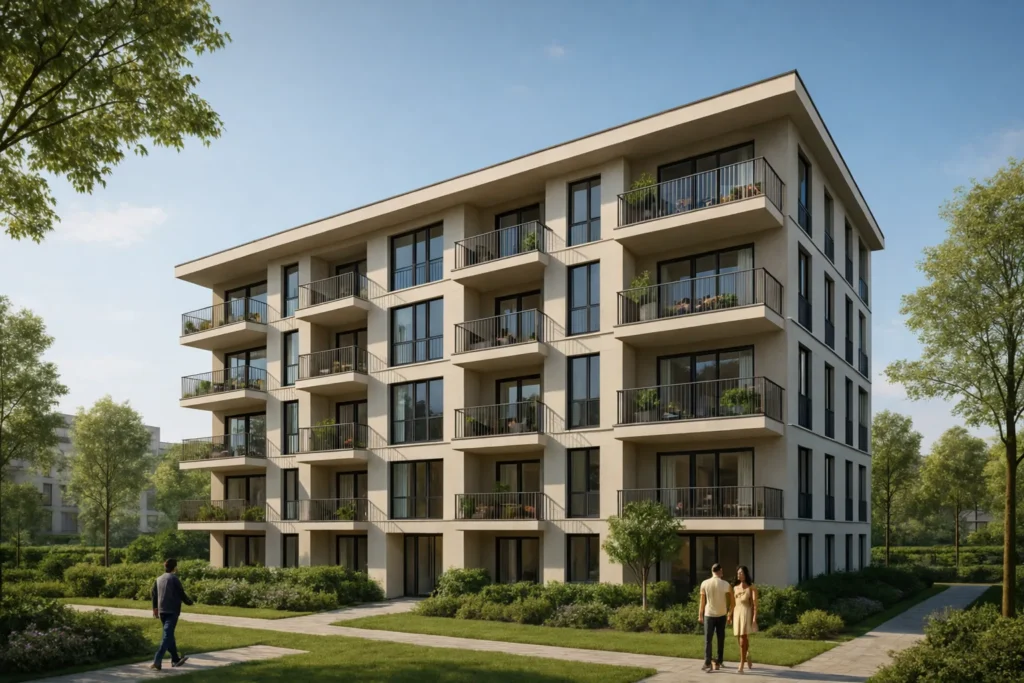
Architectural visualization has become a powerful marketing tool, especially in real estate. Developers often need to promote projects before construction is complete. Realistic visuals help potential buyers imagine themselves in the space.
In this context, a 3D visualization service provider supports marketing efforts by producing visuals that attract attention and build interest. These images help communicate value and lifestyle, not just layout.
Exploring materials and lighting choices
Material selection and lighting design have a major influence on how a space looks and feels. Visualization allows architects and clients to test different options digitally before making final decisions.
A skilled 3D visualization service provider can show how materials react to light at different times of day, helping teams choose finishes with confidence. This process reduces uncertainty and improves overall design quality.
Supporting thoughtful and sustainable design
Sustainability is an important consideration in modern architecture. While technical analysis is handled through specialized tools, visualization helps communicate sustainable ideas clearly.
By working with a 3D visualization service provider, architects can visually demonstrate design features such as natural lighting, shading, and spatial orientation. These visuals help clients understand the long-term value of thoughtful design choices.
Building trust through visual clarity
Trust grows when clients feel informed and involved. Visual transparency plays a key role in building this trust. When clients can clearly see what they are approving, they feel more confident in their decisions.
A reliable 3D visualization service provider contributes to this trust by delivering consistent, accurate, and realistic visuals that reflect the true design intent.
Choosing the right visualization partner
Not all visualization partners offer the same level of quality or understanding. Choosing the right collaborator is important for achieving the desired results. Look for experience, clear communication, and a strong design sense.
A professional 3D visualization service provider acts as an extension of the design team, respecting timelines and contributing positively to the overall workflow.
The growing role of 3D visualization in architecture
As architectural projects continue to evolve, visual communication will only become more important. Clients expect clarity, teams require coordination, and designs demand careful planning.
Working with an experienced 3D visualization service provider helps architects meet these expectations while staying focused on creativity and functionality.
Conclusion
The role of the 3D visualizer in modern architectural design is no longer optional. From early concepts to final presentations, visualization supports better understanding, smoother collaboration, and stronger decision-making. When architects partner with a trusted 3D visualization service provider, they gain a powerful tool that helps turn ideas into clearly defined, well-communicated spaces ready for the real world.