
Optimizing 3D Renders: Powerful Strategies for Stunning Real Estate and Instagram Visuals
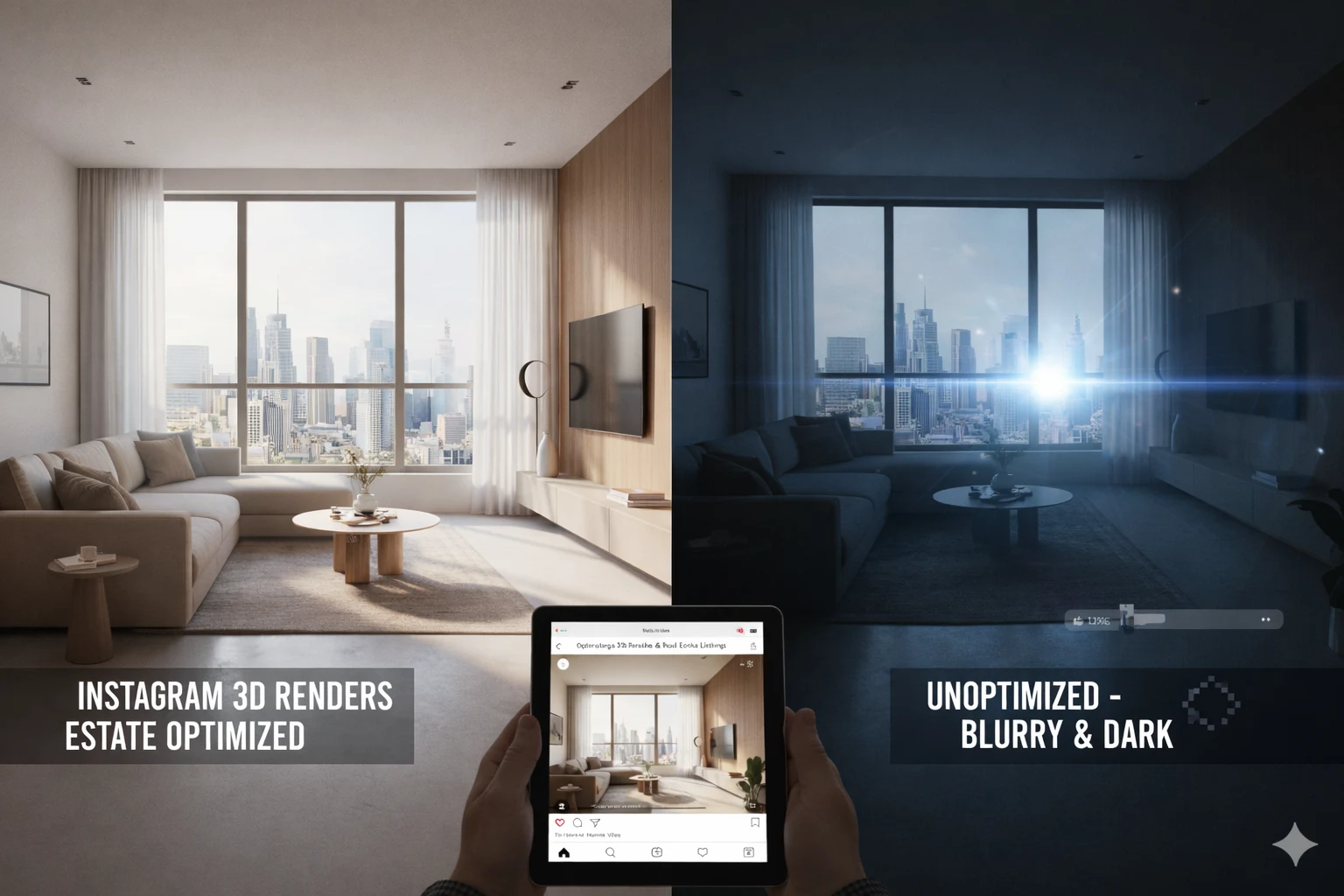
Introduction: Why Optimizing 3D Renders Matters
Optimizing 3D Renders is essential for architects, interior designers, and marketing teams. High-quality visuals are no longer just a nice-to-have—they are key for grabbing attention on Instagram and making real estate listings more effective. Without optimization, even detailed architectural rendering and 3d interior rendering can appear flat or unprofessional. By understanding how to present 3D work correctly, designers can ensure clarity, trust, and engagement with potential clients.
The Role of 3D Renders in Real Estate and Social Media
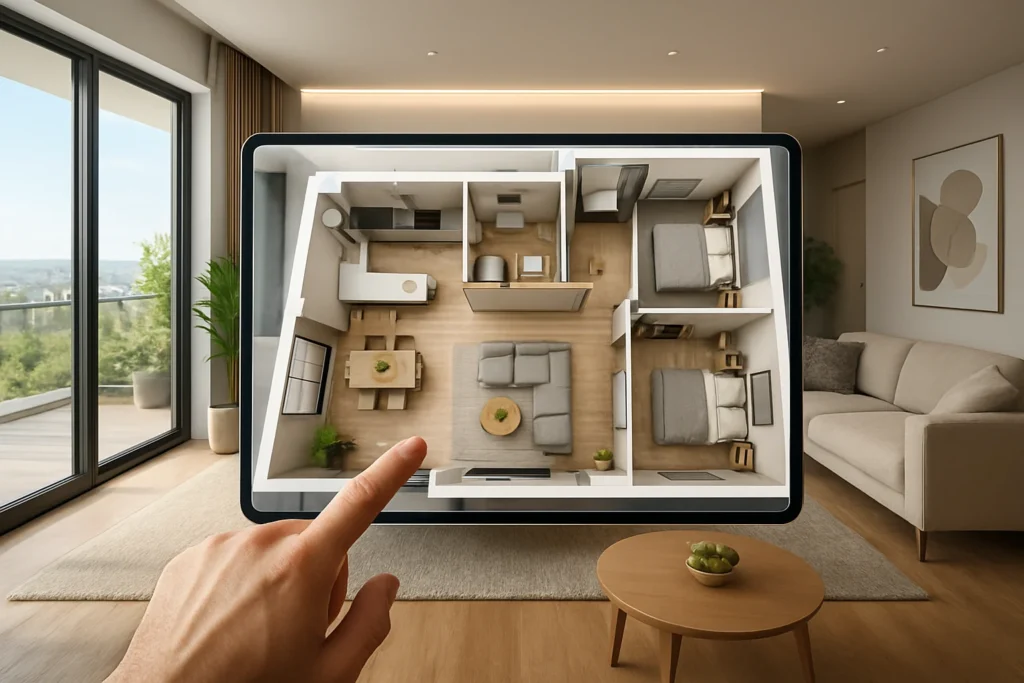
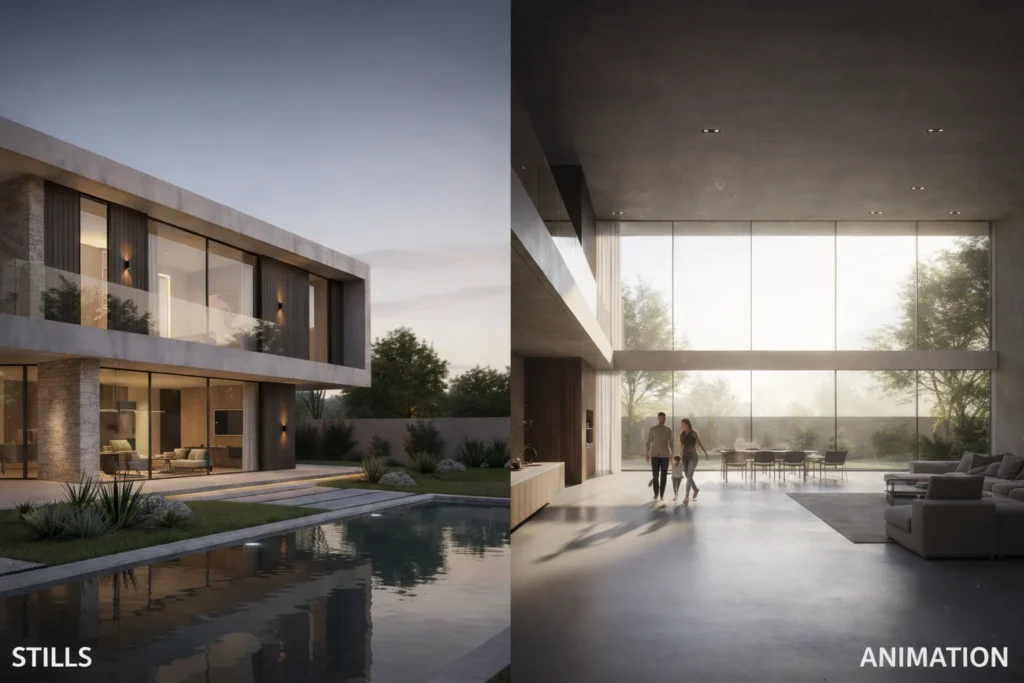
3D renders have revolutionized architectural visualization. For Instagram, they allow designers to create portfolios that feel alive. On real estate portals, 3D images help buyers understand space that may not yet exist, especially in conceptual or under-construction projects.
Well-prepared renders solve common problems such as limited lighting, unfinished construction, confusing layouts, and lack of emotional connection. Professionals increasingly rely on 3d interior rendering to showcase materials, furniture, and finishes accurately, creating a realistic impression of the space.
Learn more about the impact of 3D renders in real estate
Setting the Right Visual Style
Before optimizing your renders, define a visual style that fits the platform. Instagram favors soft, aesthetic tones with subtle lighting, while real estate listings require clarity, neutral colors, and realistic representation.
Understanding your style ensures consistency across posts. Consider the mood, lighting, and how textures appear on different devices. Having this clarity reduces unnecessary revisions and keeps your portfolio professional.
Preparing Renders for Instagram
Instagram compresses images, which can reduce quality. To maintain sharpness and visual appeal, export your renders in vertical (4:5) or square (1:1) formats. Vertical posts generally perform better because they occupy more screen space.
Adjust exposure slightly to brighten textures like wood, stone, and metal, and apply minimal sharpening to maintain natural details. By keeping a consistent visual identity—lighting, color tones, and composition—designers can create scroll-stopping Instagram feeds that engage viewers and build recognition for their brand.
Preparing Renders for Real Estate Listings
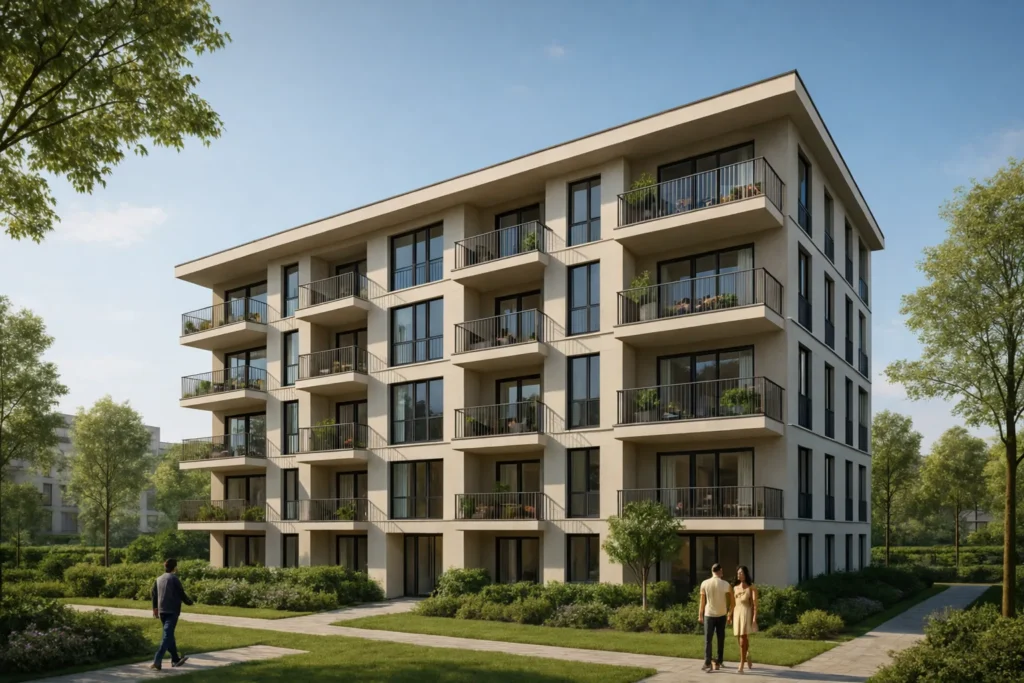
Real estate listings prioritize accuracy. Buyers want to see clear layouts, realistic materials, and true-to-life color palettes. Overly stylized edits that work on Instagram can be misleading in a listing context.
Clean compositions, neutral colors, and accurate representation of materials like flooring, paint, and finishes help clients trust the images. Professionals often integrate architectural rendering and 3d interior rendering workflows to meet both social media and property portal standards.
Camera Angles That Work Best
Camera angles are crucial to the perception of space. Eye-level views feel natural and are preferred for both Instagram and real estate listings. Wide but balanced angles show room volume without distortion.
Close-up shots of materials or lighting details enhance Instagram storytelling, giving viewers a designer’s perspective. A combination of these approaches keeps a portfolio visually interesting while emphasizing your 3d interior rendering expertise.
Color Grading and Consistency
Color grading unifies your renders and enhances the emotional impact of your visuals. For example, a subtle warm tone can make an interior feel cozy, while neutral grading emphasizes architectural accuracy. Keeping grading consistent across all posts establishes a recognizable brand and improves engagement.
- Avoid over-saturated colors, especially blues and greens
- Keep skin tones neutral if humans are present
- Maintain the same grading style across all
- Adobe Substance 3D materials
File Formats and Compression
File format affects how your renders appear on different platforms. Instagram works best with JPEGs, websites and portfolios often use PNGs, and WebP is excellent for property portals or WordPress galleries.
Avoid passing renders through messaging apps like WhatsApp before uploading, as it drastically reduces quality.
Building a Consistent 3D Portfolio
Consistency is key for branding. Use similar lighting and color schemes across all renders. Mix wide shots, detail shots, and mood images to maintain interest while highlighting your architectural rendering and 3d interior rendering skills.
A coherent feed demonstrates professionalism and helps clients recognize your style immediately. It also reduces the time spent on revisions because standards are clear from the start.
Common Mistakes to Avoid
Even experienced designers make mistakes when optimizing 3D renders. Common issues include poor lighting, incorrect resolution, excessive saturation, overuse of lens blur, and cluttered compositions. Avoiding these pitfalls ensures your visuals feel polished and believable across Instagram and real estate platforms.
Conclusion
Optimizing 3D Renders is as important as creating them. From social media to property listings, properly prepared renders communicate design intent, build trust, and showcase your professional skill in architectural rendering and 3d interior rendering.
By paying attention to lighting, composition, color grading, file format, and platform-specific requirements, you can produce visuals that are not only beautiful but also credible. With consistent practice and thoughtful optimization, your 3D work will engage viewers, attract clients, and stand out across all platforms.