
Cost vs Value of 3D Architectural Visualization Services
Introduction
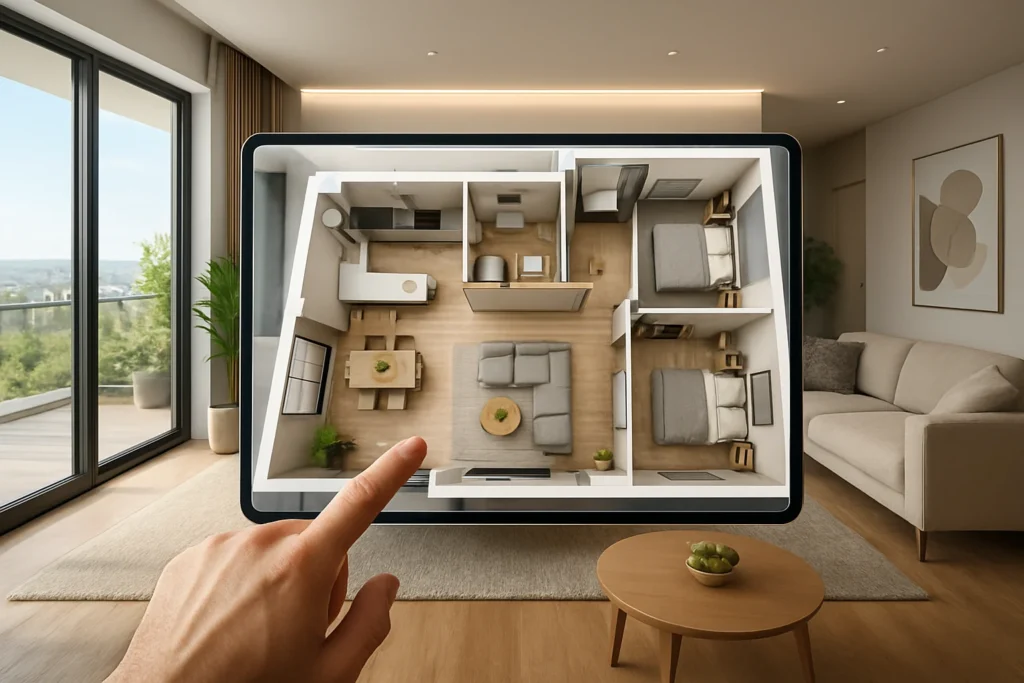
3D architectural visualization has become an essential part of modern architecture, interior design, and real estate projects. These services help transform abstract concepts and 2D plans into lifelike, detailed images and animations. Whether for client presentations, design approvals, or marketing campaigns, 3D architectural visualization enables stakeholders to fully understand the project before construction begins. However, the cost of these services can vary significantly, and clients often struggle to determine whether they are getting value for their investment. Understanding the cost versus value of 3D architectural visualization is crucial for making informed decisions and ensuring projects run smoothly.
Breaking Down the Cost of 3D Visualization
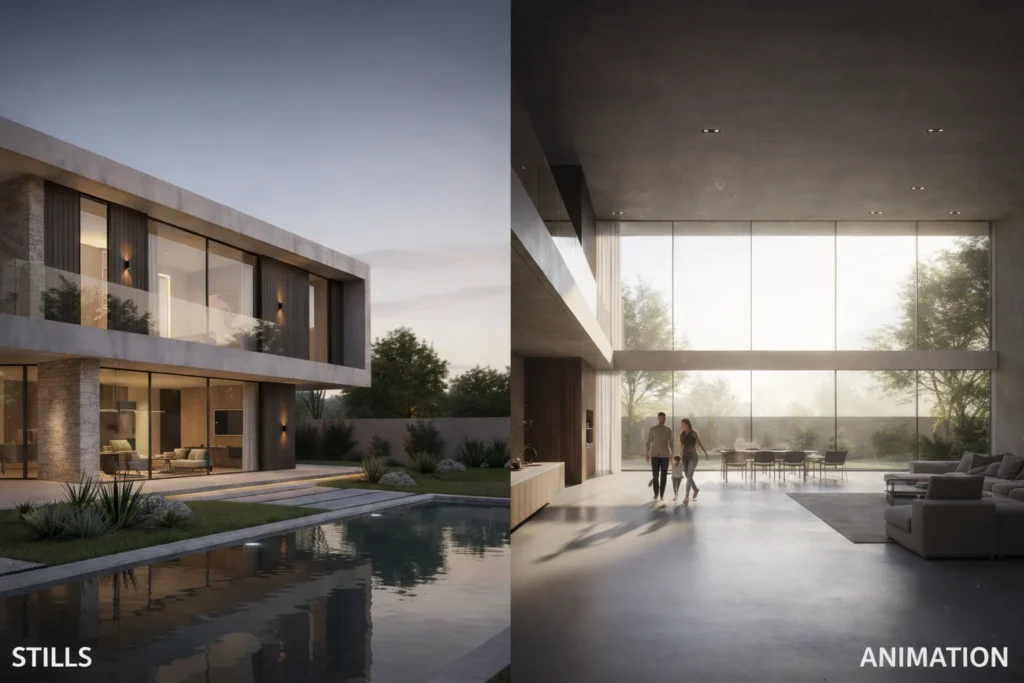
The cost of 3D architectural visualization depends on multiple factors. Each project requires careful planning, modeling, texturing, lighting, and rendering, all of which take time and expertise. The complexity of the design, size of the project, and level of detail all influence pricing. Smaller residential interiors may be simpler to render and therefore less expensive, while large commercial buildings, luxury homes, or mixed-use developments require more time and resources, increasing costs. Additional services such as animations, virtual walkthroughs, or VR experiences can also raise the price. Understanding these components helps clients know what they are paying for and avoid underestimating the value of high-quality visualization.
Quality and Its Impact on Price
Quality is a major factor in cost. Professional 3D architectural visualization delivers photorealistic images that capture every detail, from material textures to lighting nuances. Experienced visualizers use industry-standard software such as
3ds Max,
Blender, V-Ray, Corona, or Unreal Engine to create images that accurately reflect the design intent. Investing in high-quality visuals means paying for not only the final images but also the expertise, creative skill, and attention to detail that professional artists bring to the table. Low-cost alternatives often result in images that lack realism, appear flat, or fail to convey the intended mood and design style, which can affect client perception and project approvals.
Comparing Low-Cost and Professional Services
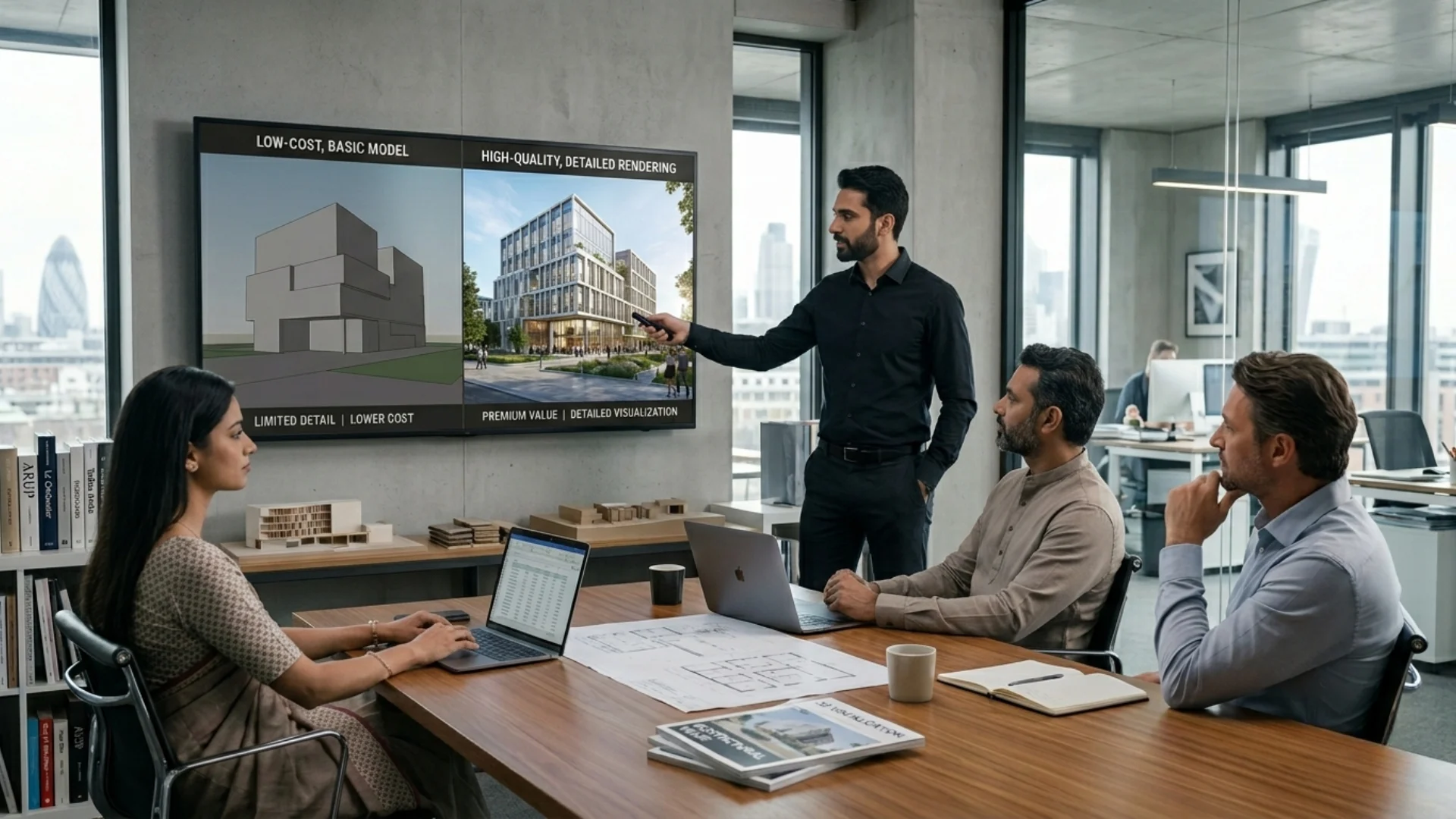
Comparing low-cost options with professional services highlights the true value of investing in quality visualization. Cheaper services may deliver images quickly but compromise accuracy, lighting, or overall visual appeal. Poor-quality renders can misrepresent the design, confuse clients, and even harm the credibility of the architect or developer. Professional 3D architectural visualization provides clarity, enhances communication, and builds trust with clients and stakeholders. By paying more upfront, you can reduce revisions, save time, and ensure that the visuals support your goals effectively.
Hidden Costs That Clients Often Overlook
Hidden costs are another consideration. Many clients underestimate the additional expenses associated with revisions, file conversions, or rushed timelines. Inadequate image resolution or incompatible file formats can result in extra costs when visuals are needed for presentations, marketing materials, or digital platforms. By understanding potential hidden costs, clients can plan their budgets more accurately and choose services that deliver both quality and convenience.
The Value of 3D Visualization Beyond Cost
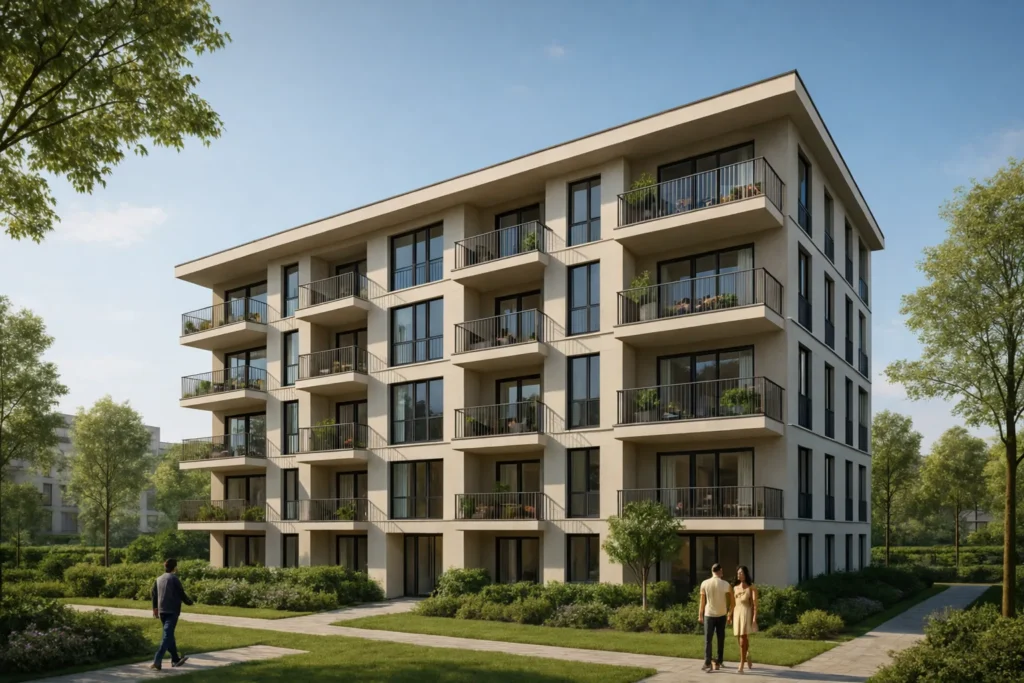
The value of 3D architectural visualization goes far beyond the initial cost. High-quality renders enhance client communication by providing realistic representations of the project. This clarity is especially useful during client presentations, where stakeholders can visualize the final outcome and make informed decisions. In real estate, detailed renders help attract buyers and investors by providing an immersive understanding of a property before it is built. Architects and developers can secure approvals, funding, and design validation more efficiently, demonstrating that the value of visualization extends beyond aesthetics.
Return on Investment
Return on investment is a key factor in evaluating these services. Spending on professional 3D architectural visualization often leads to faster project approvals, reduced design errors, and stronger client satisfaction. High-quality visuals improve marketing campaigns, increase buyer interest, and enhance the overall perception of the project. Although the initial cost may seem high, the long-term benefits—including reduced revisions, fewer mistakes, and increased project credibility—show that the value outweighs the expense.
Real-World Examples of Successful Visualization
Real-world examples illustrate the benefits of investing in quality visualization. A real estate developer using detailed 3D renders for a residential complex experienced faster sales and higher buyer confidence compared to previous projects without visualization. Similarly, an architecture firm presenting multiple design options to a client found that photorealistic images helped the client make decisions quickly and confidently. These examples highlight how professional 3D architectural visualization can directly impact project success and client satisfaction.
Choosing the Right Visualization Service
Selecting the right visualization service requires more than just considering cost. Clients should evaluate portfolios to ensure the visualizer has experience with similar project types and design styles. Reading reviews and testimonials provides insight into professionalism, reliability, and communication. Setting clear expectations regarding revisions, timelines, and deliverables prevents misunderstandings and additional costs. By carefully choosing a skilled provider, clients can ensure that their investment delivers maximum value.
Understanding Deliverables
Understanding deliverables is essential. Professional visualizers typically provide high-resolution images, 3D walkthroughs, animations, and sometimes VR simulations. Knowing what you will receive ensures that the cost aligns with your project needs. Deliverables should be suitable for client presentations, marketing campaigns, and digital platforms, ensuring the visuals are versatile and add value beyond the design phase.
Marketing and Sales Benefits
Many clients underestimate the marketing and sales impact of 3D visualization. Properties marketed with realistic renders often sell faster and at higher prices because potential buyers can better imagine the space. Similarly, architects and interior designers using detailed visuals in proposals often secure projects more effectively. The value of 3D architectural visualization extends beyond the images themselves—it becomes a strategic tool for communication, marketing, and project approvals.
Collaboration and Communication
Collaboration between clients, designers, and visualizers is vital to achieving value. Providing reference images, material specifications, and project goals ensures that the visuals align with the intended design. Effective collaboration reduces revisions and guarantees that the final images are both visually appealing and accurate. Professional visualizers often ask detailed questions about style, lighting, and textures to create visuals that meet client expectations while accurately reflecting the project vision.
Scalability of Services
Visualization services are also flexible and scalable depending on project requirements. Smaller projects may only need still images, while larger commercial projects may require animations, interactive walkthroughs, or VR experiences. By assessing project needs and choosing the appropriate package, clients can avoid paying for unnecessary services while still obtaining high-value visuals that support design and marketing objectives.
Experience Matters
Another aspect to consider is the skill and experience of the visualizer. Professionals with experience in similar project types understand the challenges and nuances involved. Residential, commercial, and hospitality projects each have unique requirements, and choosing a visualizer familiar with your project type ensures efficiency and high-quality results. Experienced visualizers anticipate potential issues, handle complex layouts, and create visuals that accurately represent the design, making the investment worthwhile.
Long-Term Use and File Versatility
Cost considerations should also include the longevity and usability of the visuals. High-quality renders can be reused for multiple purposes, including marketing campaigns, client presentations, and portfolio showcases. Low-quality images may require repeated updates or new renderings, increasing costs over time. Investing in professional
3D architectural visualization services ensures that the outputs are versatile, long-lasting, and provide ongoing value for different stages of a project.
Tangible and Intangible Benefits
Finally, evaluating the cost versus value involves considering both tangible and intangible benefits. Tangible benefits include accurate visual representation, reduced design errors, and faster approvals. Intangible benefits include increased client confidence, improved brand reputation, and stronger engagement during presentations. The combination of these benefits demonstrates that professional 3D architectural visualization is an investment that extends far beyond the initial cost.
Conclusion
In conclusion, assessing the cost versus value of 3D architectural visualization requires a comprehensive understanding of the services provided, the quality of outputs, and the benefits achieved. While costs vary depending on complexity and project requirements, the value includes clear communication, reduced errors, improved marketing, faster approvals, and enhanced client satisfaction. By considering portfolios, experience, deliverables, collaboration, and scalability, clients can make informed decisions that ensure maximum benefit from their investment in
professional 3D visualization.
Ultimately, high-quality 3D architectural visualization transforms abstract ideas into tangible, visually compelling representations. These visuals improve presentations, support marketing campaigns, and help clients and stakeholders make confident decisions. By balancing cost considerations with the long-term value of professional services, clients can achieve better project outcomes, stronger client trust, and a smoother, more efficient design process. Investing in skilled 3D architectural visualization is not just about images—it’s about creating clarity, enhancing communication, and adding meaningful value to every project.